A Comforting Hug in a Bowl
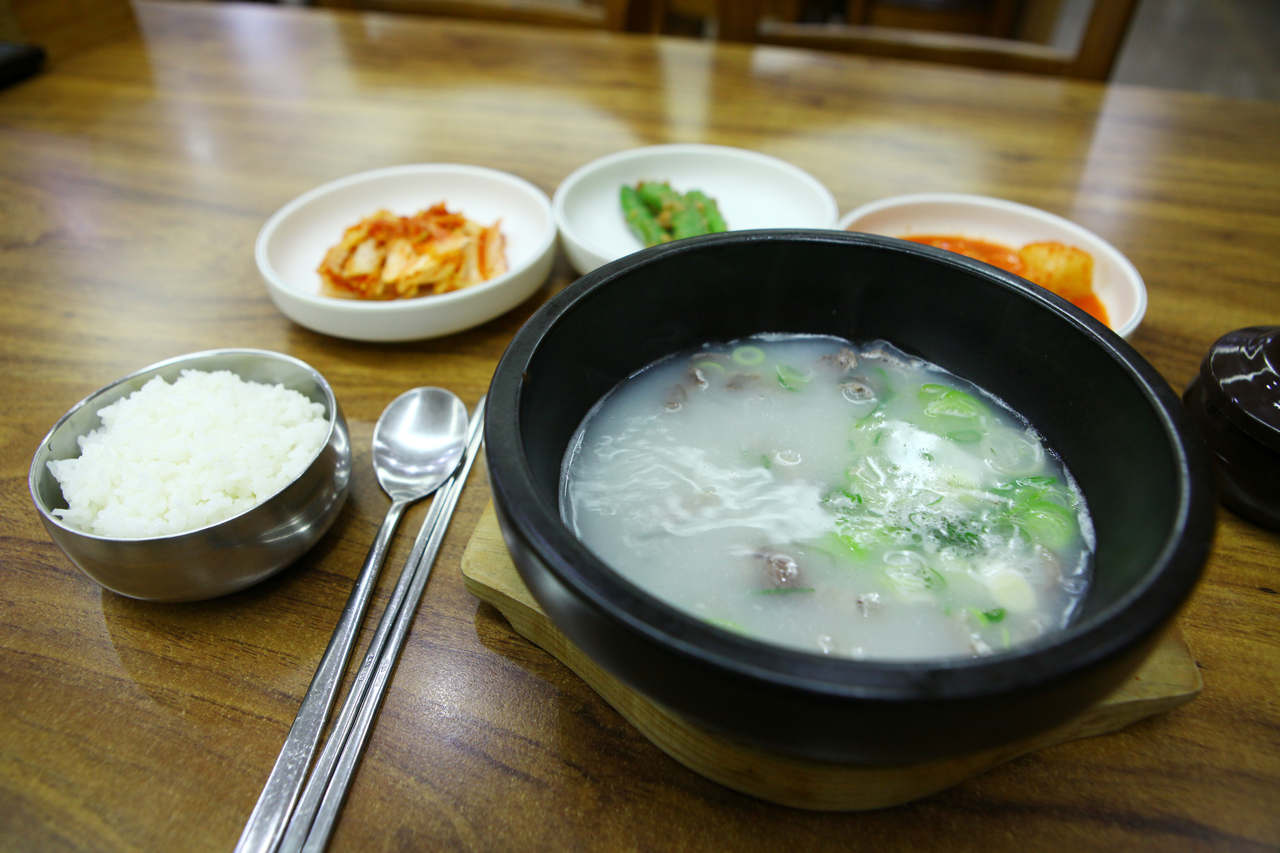
Imagine a soup so pure and deeply comforting that it feels like a warm embrace on a chilly day. That is Gomtang, one of Korea’s most beloved and restorative dishes. Unlike the fiery red stews that often come to mind when thinking of Korean cuisine, Gomtang is a clear, milky, or light amber-colored soup celebrated for its subtle yet profound flavor. Traditionally, Koreans turn to a steaming bowl of Gomtang to replenish their energy, recover from a cold, or simply to find solace in its gentle warmth. Its taste profile is a testament to the beauty of simplicity; a rich, savory beef flavor that is seasoned to perfection by the diner at the table, primarily with just salt and a sprinkle of fresh green onions.
Ingredients & Flavor Profile
The magic of Gomtang lies in its minimalist yet high-quality ingredients, which are slow-cooked to extract every ounce of flavor.
- Key Ingredients: The star of the dish is high-quality beef, typically using cuts like beef brisket (Yangji) and shank (Satae). These cuts are simmered for hours, resulting in incredibly tender meat and a deeply flavorful broth. Often, slices of Korean radish (Mu) are added, which lend a subtle sweetness and refreshing counterpoint to the rich beef.
- The Secret of Taste: The seasoning for Gomtang is intentionally simple to let the pure flavor of the beef shine through. The broth is served largely unseasoned, with salt and a bowl of finely chopped green onions provided on the side. This allows you to customize the soup to your exact preference. The salt enhances the savory notes of the broth, while the fresh green onions add a sharp, aromatic finish that cuts through the richness.
Dietary Information for Travelers
Gomtang is a fundamentally meat-based dish. Its broth is derived from simmering beef parts for an extended period, making it a cornerstone of its identity.
- Vegetarian Status: This dish is Not Vegetarian. It is entirely based on beef and beef broth.
- Safety Tip: While the presence of meat is very obvious in Gomtang, it’s always a good practice for travelers with dietary restrictions. We advise tourists to ask restaurant staff about hidden ingredients in other dishes, such as the potential use of meat broth or fish sauce in side dishes (banchan) that may appear vegetarian.
How It’s Prepared and Served
Gomtang falls into the category of Gukbap, or “soup rice,” a single-dish meal that is both satisfying and complete. The preparation is a patient labor of love. First, large cuts of beef and sometimes radish are simmered gently in a large pot of water for many hours. The goal is to create a clear yet deeply concentrated and savory broth. As it cooks, any impurities are skimmed from the surface to ensure the final soup is clean and pristine. Once the meat is fall-apart tender, it is removed from the pot and thinly sliced. To serve, the clear, hot broth is ladled into a traditional earthenware bowl (ttukbaegi), the sliced beef is artfully arranged on top, and it’s finished with a generous handful of fresh green onions. A bowl of steamed rice is served alongside, which can be eaten separately or, as many Koreans prefer, added directly into the soup to soak up every last drop of the delicious broth.
This is a standard method based on general recipes. Every restaurant has its own secret twist and unique style!
Nutritional & Health Benefits
For centuries, Gomtang has been considered a restorative food in Korea, and for good reason. Its simple composition is packed with wholesome benefits.
- Rich in Protein and Collagen: The long simmering process breaks down the beef, releasing protein and collagen into the broth. This makes it excellent for muscle repair, joint health, and nourishing the skin.
- Energy Boosting: Beef is a fantastic source of iron and B vitamins, which are crucial for fighting fatigue and boosting overall energy levels. A bowl of Gomtang can leave you feeling revitalized and warmed from the inside out.
- Aids Digestion: The inclusion of radish not only adds flavor but also contains digestive enzymes that can help break down the richness of the meal, making it surprisingly easy on the stomach.

The KCulture Editorial Team is dedicated to providing deep insights and accurate information about the vibrant world of Korean culture.