
Planning a trip to Jeju Island in 2026 requires more than just a list of sights; it requires a strategic approach to logistics and lodging, especially for those not renting a car. This guide provides a comprehensive framework for choosing your home base based on your travel style and offers a curated selection of Jeju’s most iconic natural and cultural landmarks. By balancing “must-see” tourist spots with deep eco-friendly experiences, you can craft a personalized journey that captures the true essence of Korea’s volcanic paradise.
- The Golden Rule: Choosing Your Base Based on Travel Style
- Iconic Natural Landmarks and Scenic Escapes
- Emerald Waters: Jeju’s Most Beautiful Beaches
- Volcanic Wonders: Waterfalls and Lava Caves
- Cultural Immersion: Markets, Museums, and Tradition
- Wellness and Eco-Tourism: Deep Local Picks
- Essential Guides for the Active Traveler
The Golden Rule: Choosing Your Base Based on Travel Style
Living in Korea, I’ve seen countless travelers spend more time dragging suitcases than enjoying the scenery. In Jeju, your accommodation strategy is the single most important factor for a successful trip. Because public transport centers around main hubs, your travel “type” should dictate where you sleep.
For those relying on buses and taxis, I cannot emphasize this enough: minimize your hotel changes. If you have heavy luggage or are traveling with family, moving every day is a logistical nightmare. Instead, choose one or two strategic bases and use Jeju’s efficient express bus system to explore outward.
Strategic Jeju Island Itinerary for Non-Drivers
| Traveler Type | Recommended Lodging Strategy | Pro Tip |
|---|---|---|
| Solo Traveler (Light Backpack) | Move daily (Aewol → Seogwipo → Seongsan) | Perfect for experiencing the changing “vibe” of each coast. |
| Family or Heavy Luggage | Single base in Jeju City (near the Terminal) | Use Express Buses (Red lines) to reach all corners within 60-90 mins. |
| Long Stay (4-5+ Days) | Split stay: 2 nights North, 2 nights South | Use a luggage delivery service to move bags between hotels while you sightsee. |
| The Driver (Rental Car) | Flexible / Boutique Pensions in rural areas | You can stay in hidden “mid-mountain” areas (Zungsangan) for total peace. |
Iconic Natural Landmarks and Scenic Escapes
Jeju’s landscape is a UNESCO Triple Crown winner. These locations are the “soul” of the island and are highly accessible via public transport if you plan correctly.
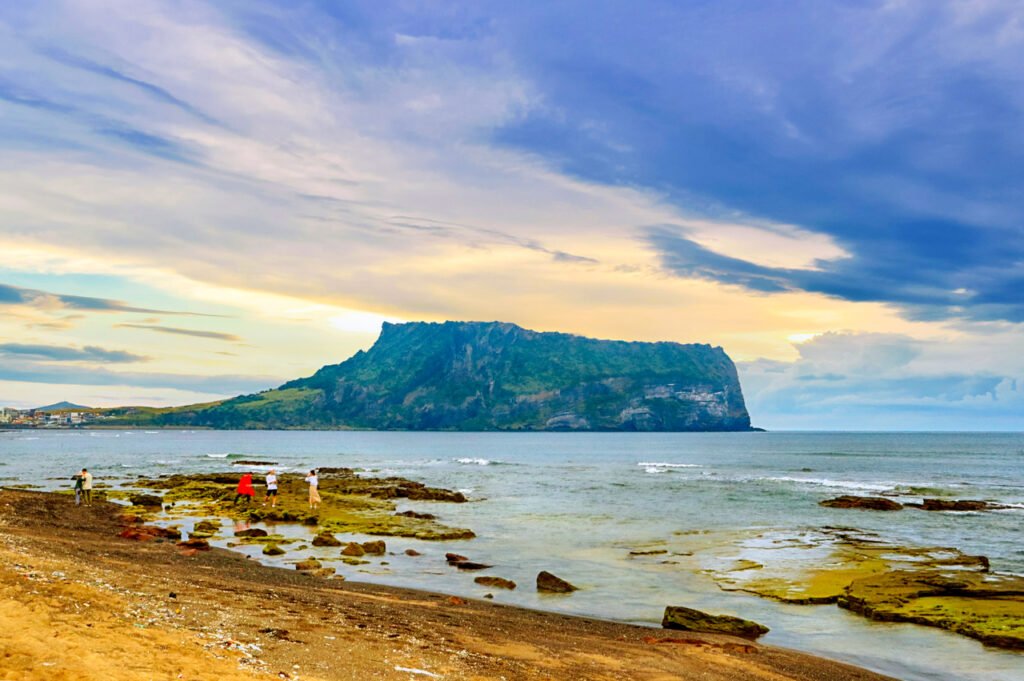
- Seongsan Ilchulbong (Sunrise Peak): A majestic tuff cone rising from the sea. (Address : 78 Seongsan-ri Seongsan-eup Seogwipo-si Jeju-do)
Tip: Try to arrive by 1:30 PM to catch the Haenyeo performance at the beach below the cliff. - Udo Island: A small island off the east coast. You must take a ferry from Seongsan Port. (Address : Udo-myeon Jeju-si Jeju-do)
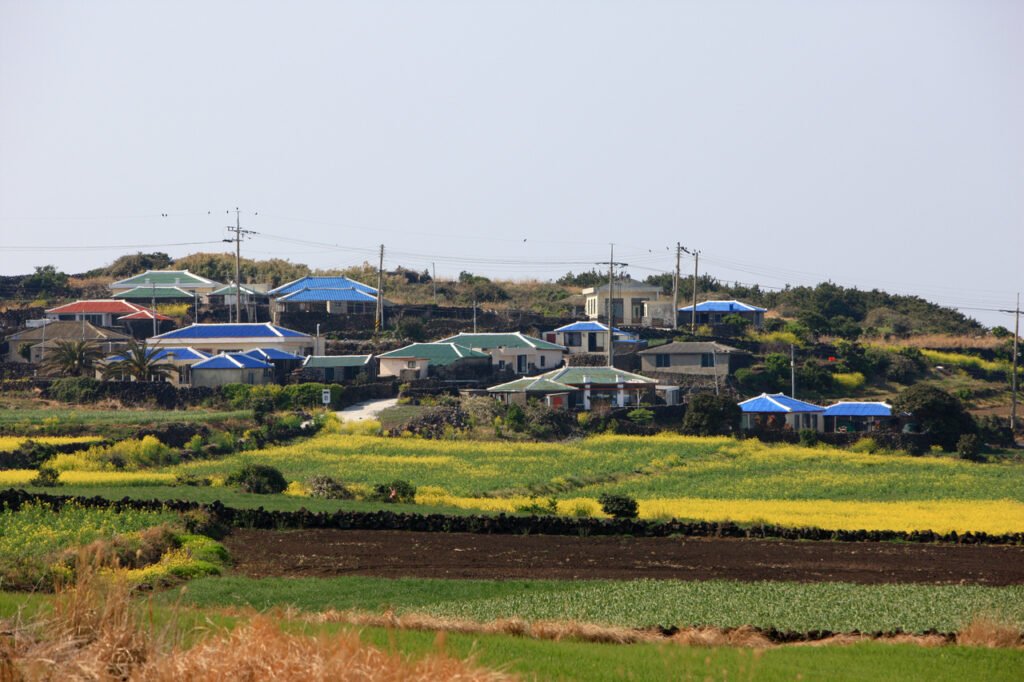
Note: Cars are restricted for most tourists, but you can rent electric bikes or use the Udo hop-on-hop-off bus. - Seopjikoji: Famous for its coastal walks and the “Gwangchigi” beach view. It is stunning during canola flower season (spring). (Address :107 Seopjikoji-ro Seongsan-eup Seogwipo-si Jeju-do)
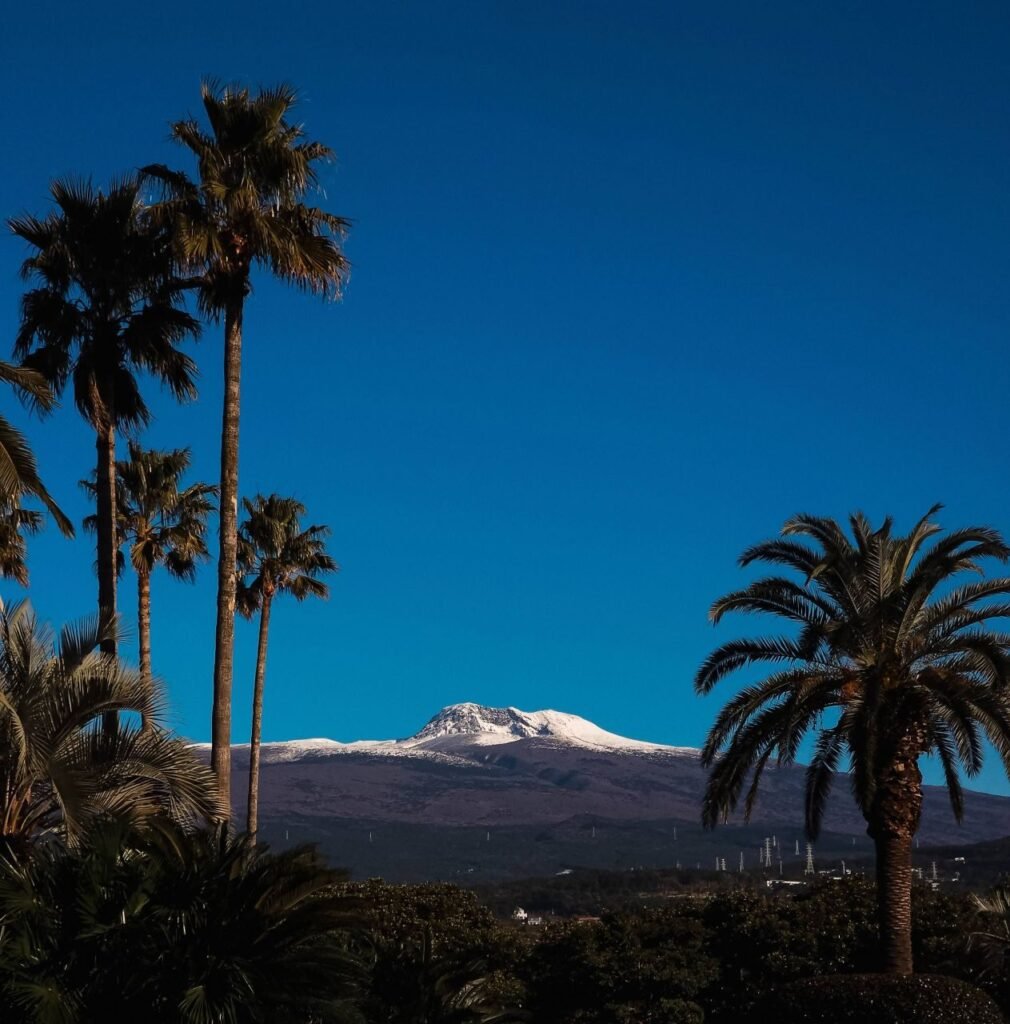
- Hallasan National Park: The highest peak in South Korea. Access is strictly managed via a reservation system for the summit.
Emerald Waters: Jeju’s Most Beautiful Beaches
Jeju’s beaches offer colors you’d expect in the South Pacific. For bus travelers, these two are the most accessible and offer the best amenities.
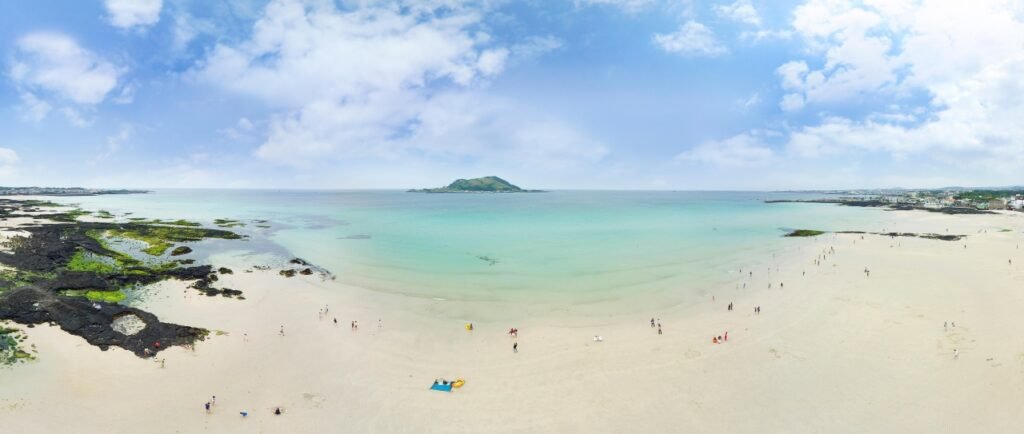
Hyeopjae Beach (The West Coast Gem)
Known for its white sand mixed with crushed shells and the view of Biyangdo Island on the horizon. The water is shallow, making it perfect for families. (Address : 329-10 Hallim-ro Hallim-eup Jeju-si Jeju-do)
Local Tip: The sunsets here are world-class. Grab a coffee at a nearby cafe and wait for the “blue hour.”
Hamdeok Beach (The East Coast Hub)
Connected to a beautiful volcanic hill called Seoubong. In 2026, it remains a favorite for its vibrant turquoise water and the palm-tree-lined walkway that feels like Hawaii.(Address : 519-10 Johamhaean-ro Jocheon-eup Jeju-si Jeju-do)
Warning: It can get very crowded during peak summer (July-August).
Volcanic Wonders: Waterfalls and Lava Caves
Jeju’s volcanic history created unique geological formations that are rare elsewhere in Asia. Most are located on the southern Seogwipo side.
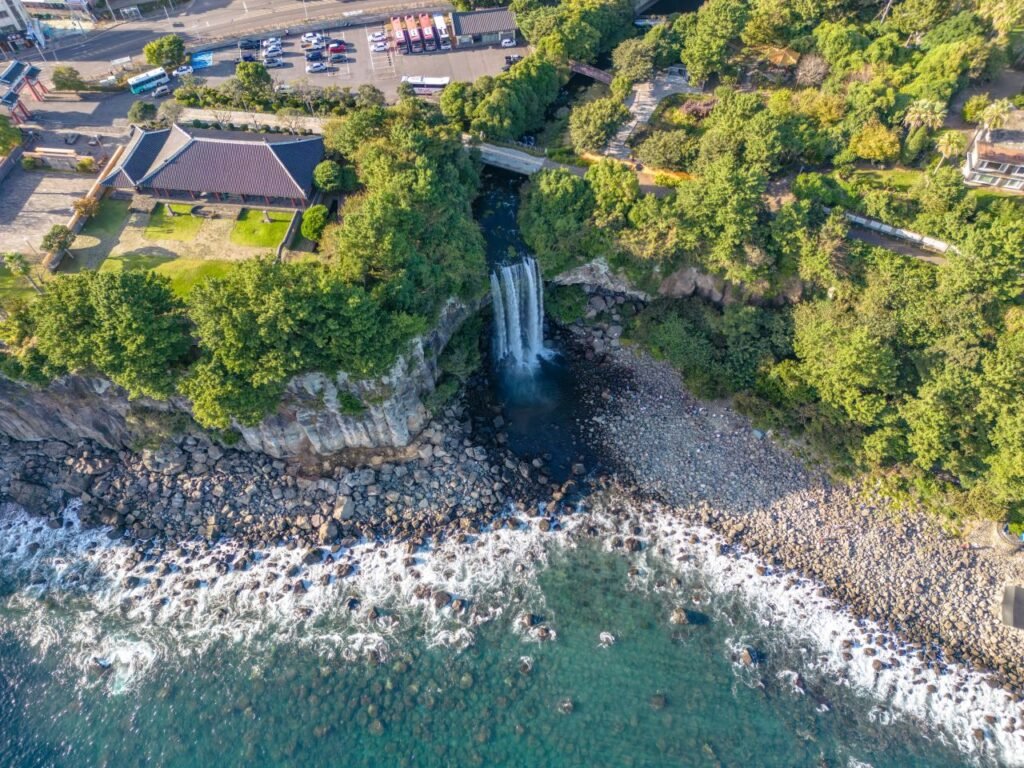
- Jeongbang Falls: The only waterfall in Asia that falls directly into the ocean. (Address : 37 Chilsimni-ro 214beon-gil Seogwipo-si Jeju-do)
Note: The rocks can be very slippery; wear sturdy shoes. It closes around 5:30 PM depending on the season. - Cheonjiyeon Falls: A peaceful forest walk leading to a hidden veil of water. It is open late (until 10:00 PM), making it a great night activity. (Address : 2-15 Namseongjung-ro Seogwipo-si Jeju-do)
- Manjanggul Cave: One of the finest lava tunnels in the world.
Caution: It is often closed on the first Wednesday of every month for safety inspections. The temperature inside is a constant 11-15°C, so bring a light jacket even in summer. (Address : 182 Manjanggul-gil Gujwa-eup Jeju-si Jeju-do)
Cultural Immersion: Markets, Museums, and Tradition
To understand the people of Jeju, you must visit their gathering places. The “Live like a Local” trend is huge in 2026, and these spots are the best starting points.
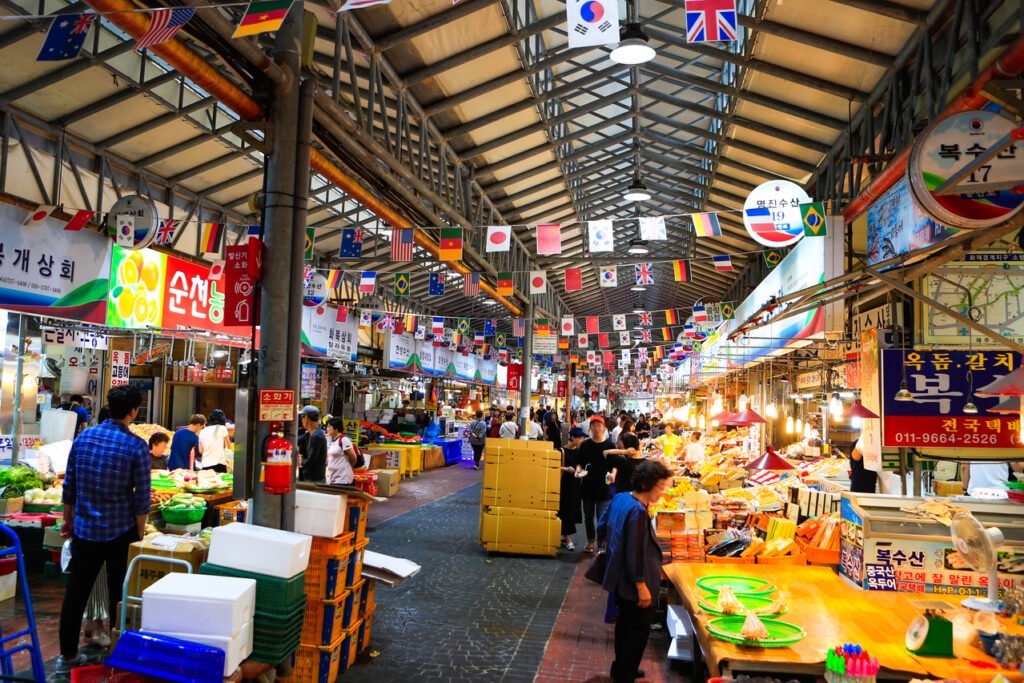
Jeju Dongmun Market (Night Market)
This is where the island’s energy peaks. By day, it’s a traditional market for citrus and fish. By night, it transforms into a street food haven.
Must-try: Abbalone kimbap and Black Pork rolls. (Address : 16 Dongmun-ro Jeju-si Jeju-do)
Osulloc Tea Museum & Innisfree Jeju House
More than just a shop, it’s an aesthetic experience of Korea’s tea culture. You can participate in tea stone classes or simply enjoy green tea ice cream overlooking the vast plantations. (Address : 15 Sinhwayeoksa-ro Andeok-myeon Seogwipo-si Jeju-do)
Tip: It is very popular; visit on a weekday morning to avoid the tourist bus crowds.
Jeju Folk Village
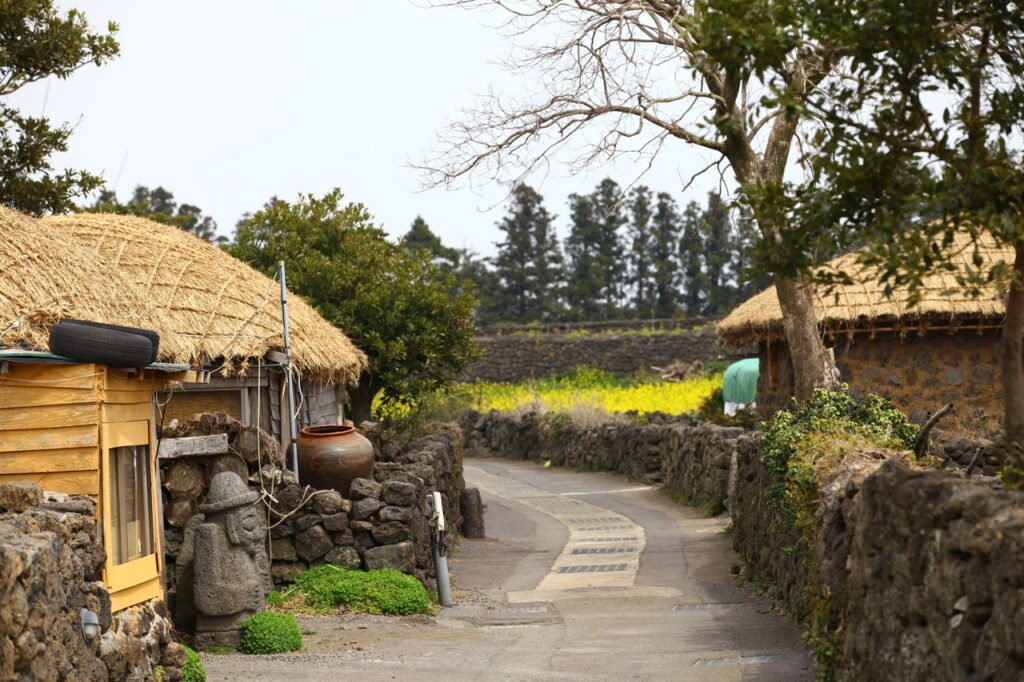
Located in Pyoseon, this village preserves the traditional thatched-roof houses (Choga) and the unique “Old Jeju” lifestyle. It’s an excellent place for photography and learning about the island’s shamanic traditions. (Address : 19 Seongeupjeonguihyeon-ro Pyoseon-myeon Seogwipo-si Jeju-do)
Wellness and Eco-Tourism: Deep Local Picks
Beyond the famous sites, I recommend these “Slow Travel” experiences for a deeper connection to the island.
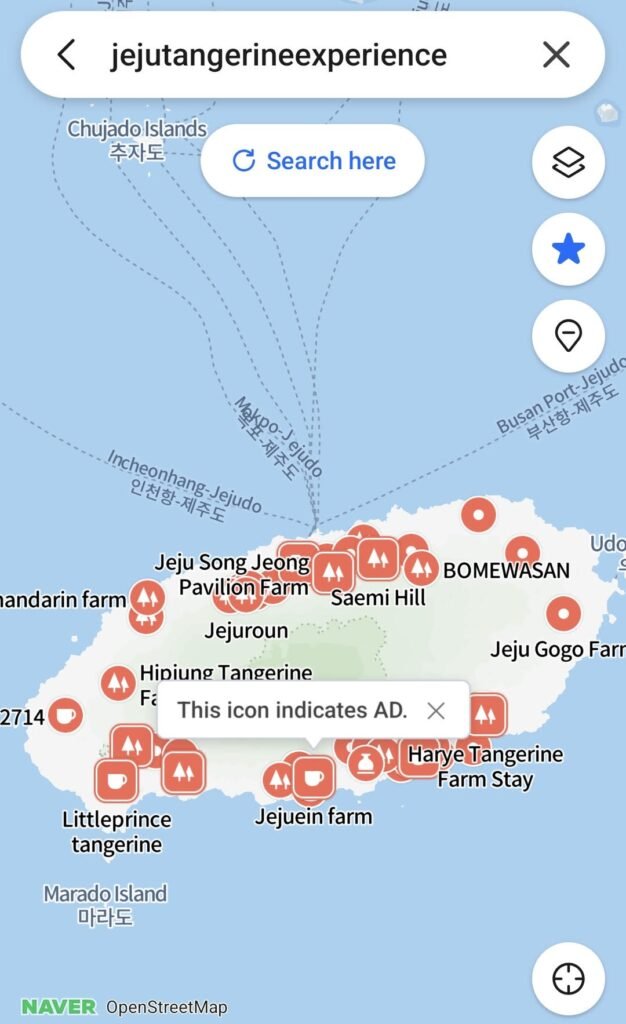
💡 Local Note: Tangerine Picking Searching for “Jeju Tangerine Experience” (제주 감귤 체험) on Naver Maps will reveal dozens of local farms. While English might be limited, the hospitality is universal. You can pick and eat your fill of Jeju’s famous citrus for a small fee (usually $5-$10). The experience period is usually from mid-October to January of the following year.
- Haenyeo’s Kitchen: A theater-dining experience where retired divers share their life stories through food and performance.(Address : 27 Jongdal-ro 5-gil Gujwa-eup Jeju-si Jeju-do / 2265 Haemajihaean-ro Gujwa-eup Jeju-si Jeju-do)
- Seogwipo Healing Forest: A restricted-entry forest where you can practice meditation and enjoy a traditional ‘Charong’ lunch basket. (Address : 2271 Sallongnam-ro Seogwipo-si Jeju-do)
- Andol Oreum (Secret Forest): A cypress forest that offers a mystical, foggy atmosphere perfect for those seeking quiet reflection. (Address : San 66-2, Songdang-ri, Gujwa-eup, Jeju-si)
- Indo-Pacific Bottlenose Dolphin Watching: Noeul Coastal Road in Daejeong-eup is a famous spot for observing Indo-Pacific bottlenose dolphins that appeared in the drama ‘Extraordinary Attorney Woo,’ and is visited by many people interested in eco-tourism. (According to people, dolphins can often be observed between 8–11 AM and 3–5 PM.)
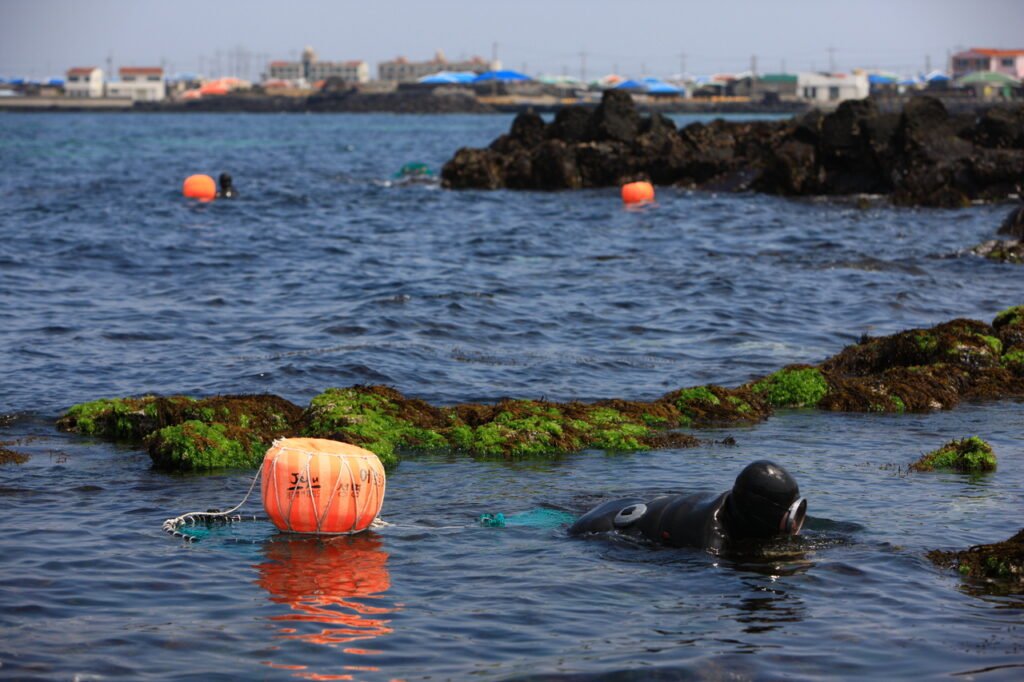
- Haenyeo Muljil (Diving) Performance: You can watch a diving performance at the coast below Seongsan Ilchulbong (every day at 2 PM), and Jeju Hado Fishing Village Experience is the place with the largest number of active haenyeo, where you can also experience diving firsthand (experience period: April to October). *As they are affected by weather and local conditions, you must check the availability of performances and experiences through the contact information provided in the link.
- Haenyeo Museum: Located in Gujwa-eup, Jeju-si, it is a place where you can understand haenyeo culture.(Address : 26 Haenyeobangmulgwan-gil, Gujwa-eup, Jeju-si, Jeju-do)
Essential Guides for the Active Traveler
If you have more time and want to explore specific activities like hiking or walking trails, we have created dedicated guides for those adventures. Proper planning for these is essential due to reservation requirements and weather conditions.
For high-altitude adventures, read our guide on Hallasan Hiking: Essential Reservations & Route Comparison. If you prefer the rhythm of walking, check out the Jeju Olle Trail: Best Courses & Hiker Stays. For those fascinated by volcanic hills, see How to Explore Jeju’s Volcanic Oreums by Bus and Car.
Lastly, for a structured car-free route, see our classic Jeju Island: The Ultimate 3-Day Bus Adventure. Jeju is an island that rewards the patient traveler—don’t rush, and let the local rhythm guide you.
Korean Culture portal KCulture.com
Founder of Kculture.com and MA in Political Science. He shares deep academic and local insights to provide an authentic perspective on Korean history and society.