The Sizzle That Soothes the Soul
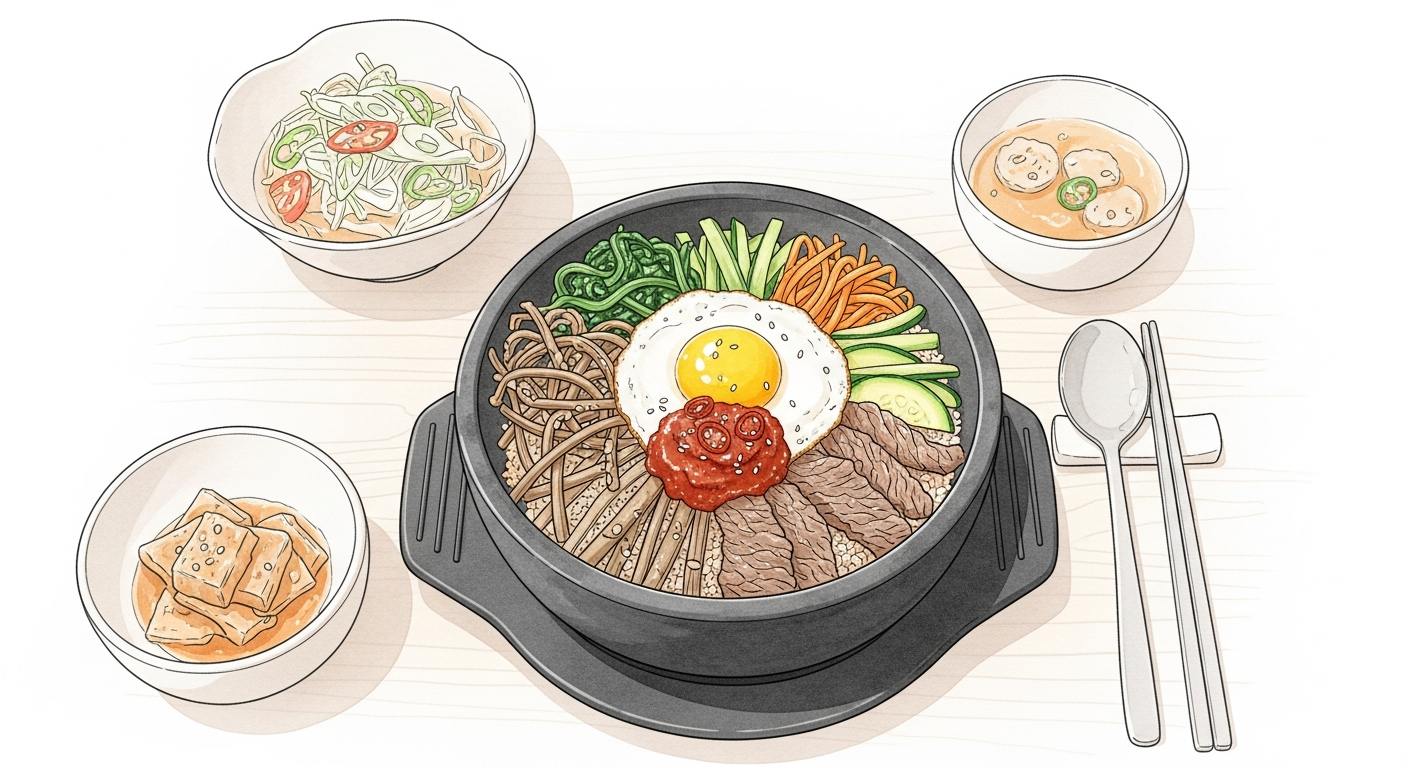
Imagine a dish that arrives at your table not just hot, but audibly sizzling, promising a symphony of flavors and textures. That is the magic of Dolsot Bibimbap. While many are familiar with classic Bibimbap, the “Dolsot” version elevates the experience by serving it in a piping hot stone pot. This isn’t just for show; it creates a deliciously crispy layer of rice at the bottom called nurungji. A beloved comfort food in Korea, Dolsot Bibimbap is a hearty, satisfying meal perfect for any day you need a warm, flavorful boost. The taste is a delightful balance of savory beef, fresh vegetables, the nutty aroma of sesame oil, and the signature sweet and spicy kick from gochujang.
Ingredients & Flavor Profile
Key Ingredients
Dolsot Bibimbap is a testament to the beauty of harmony in a bowl, or in this case, a stone pot. The primary components that create this masterpiece are:
- Cooked Rice (Ssalbap): The foundation of the dish, which becomes wonderfully crispy at the bottom of the pot.
- Seasoned Vegetables (Namul): A colorful assortment of blanched and seasoned vegetables, such as spinach, carrots, bean sprouts, and mushrooms.
- Beef (Sogogi): Thinly sliced and marinated beef adds a savory, protein-rich element.
- Egg (Dalgyal): Typically served with a raw or sunny-side-up egg on top, which cooks against the hot ingredients when mixed.
- Stone Pot (Dolsot): The star of the show! This special pot is heated to a high temperature to cook the ingredients and create the signature crispy rice.
The Secret of Taste
The soul of Dolsot Bibimbap’s flavor comes from two essential Korean seasonings. Gochujang, a fermented red chili paste, provides a complex spicy, sweet, and savory depth. This is perfectly balanced by Chamgireum, or toasted sesame oil, which is drizzled into the pot before the rice is added. This not only prevents sticking but also infuses the entire dish with a rich, nutty fragrance that is simply irresistible.
Dietary Information
This dish can easily be adapted for different dietary needs. For a fully vegan meal, you can request the Dolsot Bibimbap without the beef and egg. Most restaurants are happy to accommodate this modification.
Safety Tip: When ordering a vegetarian or vegan version, it is always a good idea to confirm with the restaurant staff that no meat-based broth was used in preparing the vegetables and no fish sauce was added to the seasoning.
How It’s Served
The preparation of Dolsot Bibimbap is an art that culminates in its dramatic, sizzling arrival at your table. The process focuses on creating layers of flavor and texture right in the pot it’s served in.
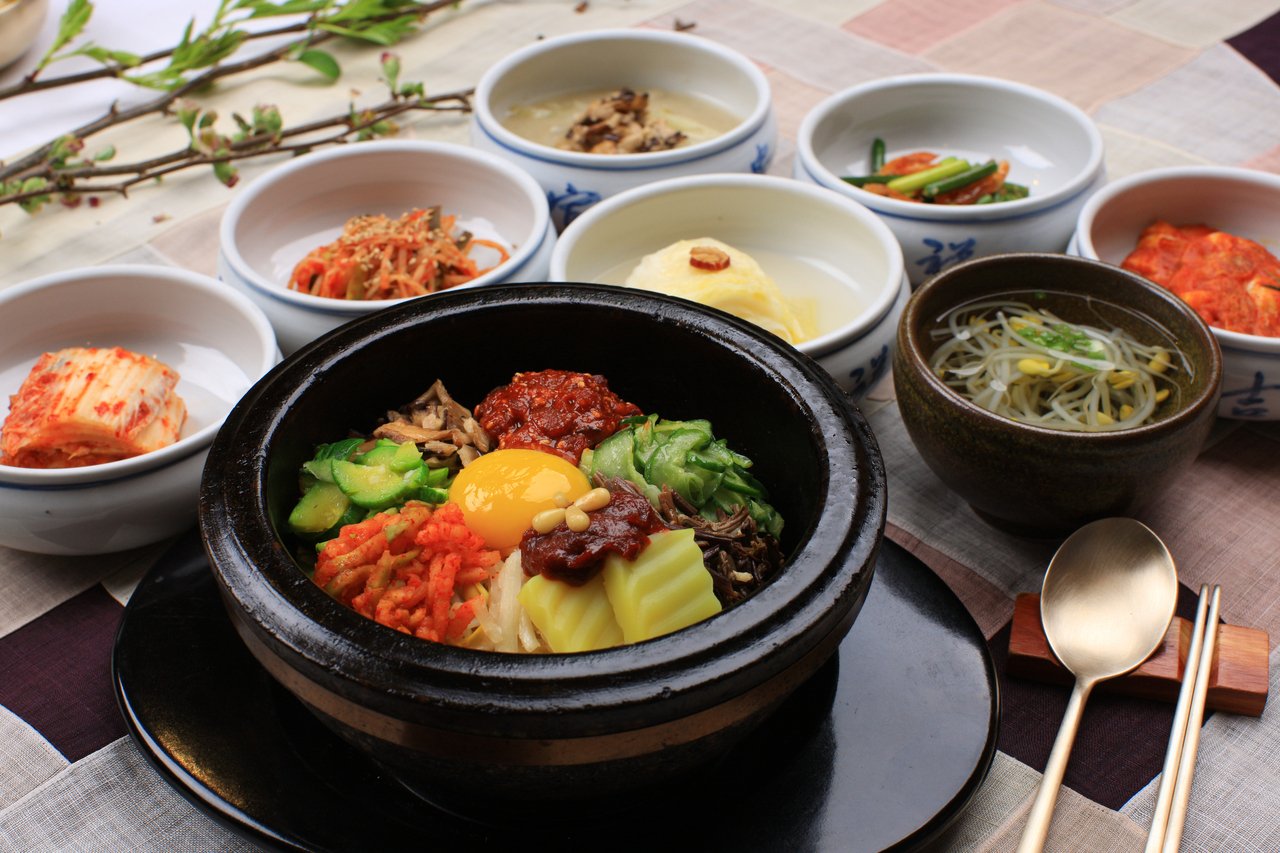
First, the inside of the stone pot is coated with fragrant sesame oil. A generous portion of cooked rice is pressed into the bottom. A vibrant medley of seasoned vegetables and marinated beef is then artfully arranged on top of the rice, often with an egg yolk nestled in the center. The entire stone pot is then placed directly on a stove flame and heated until the rice begins to make a satisfying crackling and popping sound. This is the signal that the coveted crispy layer is forming. It’s brought to the table immediately, still sizzling, for you to mix everything together with gochujang to your liking.
This is a standard method based on general recipes. Every restaurant has its own secret twist and unique style!
Nutritional & Health Benefits
Dolsot Bibimbap is as nutritious as it is delicious. It offers a well-rounded and balanced meal in a single pot.
- Complete Balanced Meal: This dish provides a healthy mix of carbohydrates from the rice, protein from the beef and egg, and a wealth of vitamins and minerals from the diverse assortment of vegetables.
- High in Fiber: The various namul (seasoned vegetables) make this dish an excellent source of dietary fiber, which is crucial for good digestive health.
- Rich in Protein: The inclusion of beef and an egg offers high-quality protein, essential for energy, muscle maintenance, and keeping you feeling full and satisfied.

The KCulture Editorial Team is dedicated to providing deep insights and accurate information about the vibrant world of Korean culture.