A premium health screening in South Korea provides a highly efficient, one-stop diagnostic system where extensive medical evaluations, including advanced imaging (MRI/CT) and endoscopic procedures, are typically completed within a single day. International patients can access specialized VIP packages tailored to specific risk factors, complete with coordinated scheduling, dedicated interpreters, and translated medical reports.
Navigating healthcare in a foreign country can feel overwhelming, but the preventative healthcare infrastructure in South Korea is world-class. Whether you are an expat residing in Seoul or a medical tourist visiting for a short period, understanding how to navigate these comprehensive checkups will save you time and provide profound peace of mind. This guide will walk you through the entire process, from choosing the right package to understanding the safety protocols and receiving your final results.
Safety Disclaimer: The information provided in this article is for educational purposes only. Patients must consult with a licensed physician to determine the appropriate screening package based on their individual medical history, current medications, and specific risk factors. Prices and procedures vary by medical institution.
- Why Choose a Premium Health Screening in Korea?
- Common Packages and Estimated Costs
- The One-Day Screening Process
- Endoscopy Preparation and Safety Guidelines
- Receiving Your Results and Booking
- Frequently Asked Questions
Why Choose a Premium Health Screening in Korea?
From a medical perspective, the primary advantage of a health checkup in Korea is the integration of cutting-edge diagnostic technology with a highly streamlined operational flow. Major tertiary hospitals (상급종합병원) and specialized health promotion centers (건강증진센터) utilize the highest specification equipment, such as 3.0T MRI machines and ultra-low-dose radiation CT scanners, to detect early-stage abnormalities long before symptoms appear.
International patients consistently express absolute surprise at the efficiency of the system. A comprehensive medical exam that might take weeks to coordinate across different departments in other countries is routinely completed in three to five hours in Korean centers. These premium facilities are designed strictly for outpatient screenings, featuring luxurious interiors and minimizing any exposure to general hospital wards. If you want to understand how these specialized centers differ from your neighborhood doctor, read the breakdown on Registered Hospitals for International Patients vs Regular Hospitals.
Common Packages and Estimated Costs
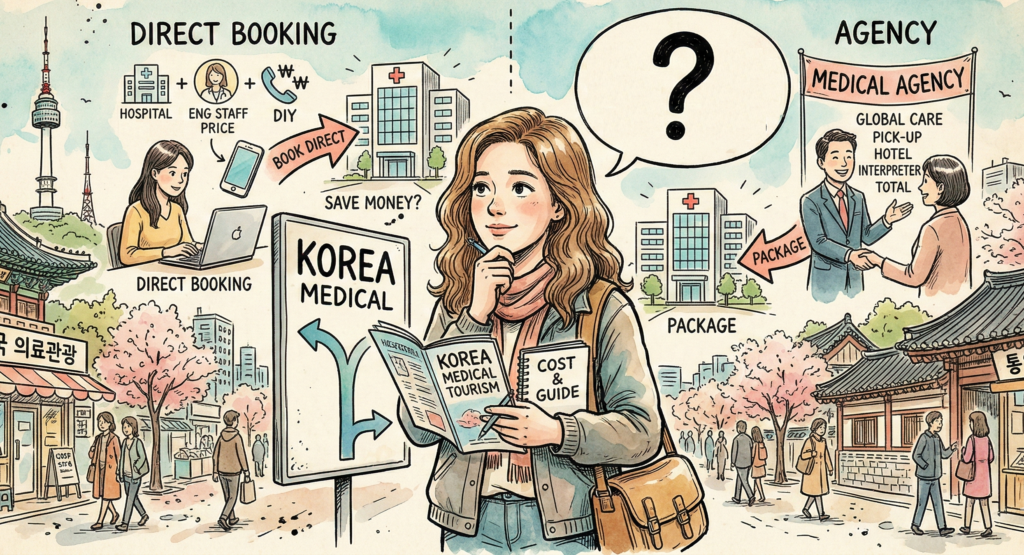
Health screening packages are generally categorized by the depth of the diagnostic imaging and specific disease focus. The prices below reflect the 2026 average cost ranges for international patient departments at major top-tier hospitals in Seoul. These international packages typically include the premium cost for dedicated English-speaking coordinators and medical translation services. If you are debating how to arrange your visit, the Korea Medical Tourism Direct vs Agency: Cost and Booking Guide explains how these pricing structures work for foreigners.
| Package Type | Standard Inclusions | Estimated Cost Range (KRW) |
|---|---|---|
| Basic Screening | Comprehensive blood tests (CBC, liver/kidney function, lipid profile, blood sugar, thyroid hormones), urine and stool analysis, chest X-ray, resting EKG, abdominal ultrasound (liver, gallbladder, pancreas, spleen, kidneys), pulmonary function test, basic biometric measurements (BMI, body fat, blood pressure), visual/auditory acuity, and basic ophthalmology/dental checks. | 800,000 – 1,200,000 KRW |
| Cancer Precision | Basic Screening inclusions + Gastroscopy and Colonoscopy (under conscious sedation with biopsy capabilities), extensive tumor markers (AFP, CEA, CA 19-9, PSA/CA 125), low-dose chest CT (lung cancer screening), thyroid ultrasound, pelvic/prostate ultrasound, bone densitometry (DEXA), and gynecological exams (Pap smear, breast ultrasound or mammography). | 1,800,000 – 3,000,000 KRW |
| Brain & Cardiovascular | Basic Screening inclusions + Brain MRI and MRA (detecting aneurysms/strokes), Coronary Calcium Scoring CT (heart disease risk), Echocardiogram (heart function), Carotid ultrasound (plaque detection), arterial stiffness tests, and advanced cardiovascular blood markers (hs-CRP, Homocysteine). | 2,500,000 – 4,000,000 KRW |
| Premium VIP Screening | All the above inclusions + Whole-body evaluation including PET-CT (for early metastasis detection if clinically indicated), advanced genetic testing (cancer/disease susceptibility), heavy metal & antioxidant/vitamin profiling, biological age assessment, MRI for spine or specific joints, private recovery suite, luxury meals, 1:1 escort coordinator, and personalized specialist consultations for customized health management. | 5,000,000 – 10,000,000+ KRW |
The One-Day Screening Process
The workflow in a Korean health screening center is highly protocol-driven and exceptionally fast-paced. Upon arrival, patients register and change into standardized, comfortable examination garments. Most top-tier centers utilize an automated RFID wristband system. You simply tap your wristband at each station, which tracks your location and automatically queues you for the next available testing room, essentially eliminating idle wait times.
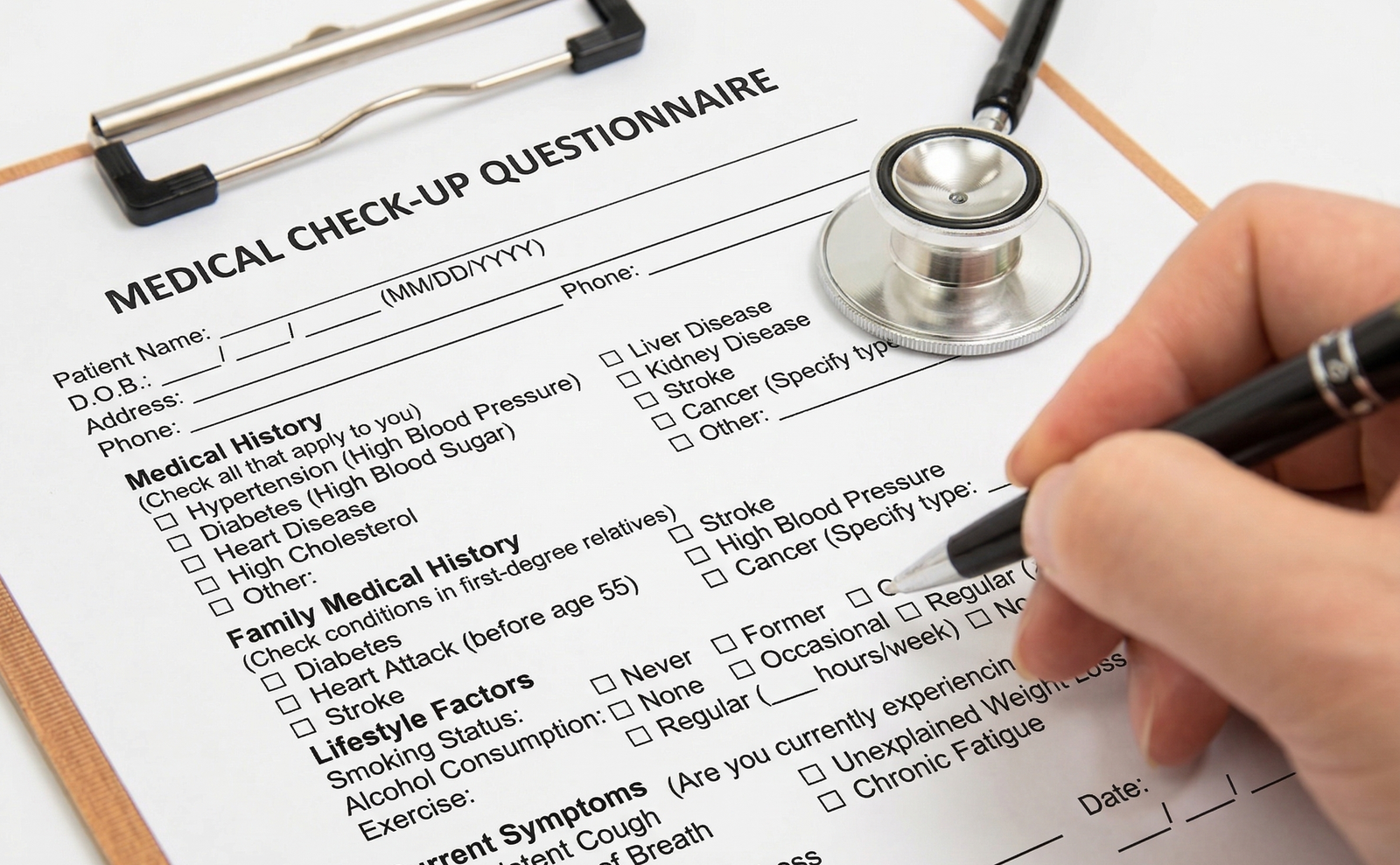
- Registration & Vitals: Verification of identity, fasting status, pre-examination questionnaires, and basic diagnostics (blood draw, body composition analysis, visual/auditory tests).
- Imaging & Scans: Ultrasounds, X-rays, and advanced scans (CT/MRI) if included in your selected package.
- Endoscopy: Typically performed last if conscious sedation is administered, allowing you to rest before the program concludes.
- Discharge & Meal: After the exam, patients are provided with a voucher for a light meal—often traditional Korean rice porridge (죽)—to gently break their fast and soothe the stomach.
📌 Local Note: Health screening centers are heavily air-conditioned year-round to protect the sensitive diagnostic equipment. It is highly recommended to bring a warm pair of socks or a light cardigan to wear over your examination robes to stay comfortable during your visit.
Endoscopy Preparation and Safety Guidelines
Gastroscopy (위내시경) and Colonoscopy (대장내시경) are critical, life-saving components of a comprehensive exam. In Korea, these are overwhelmingly performed under conscious sedation (수면 내시경), usually utilizing Propofol or Midazolam. Continuous cardiovascular and oxygen saturation monitoring is standard protocol during these procedures.
⚠️ Safety Alert: Patients must strictly adhere to the fasting guidelines. Typically, an 8 to 12-hour complete fast (no food, no water, no gum) is required before a gastroscopy. For a colonoscopy, patients must consume a prescribed bowel preparation solution (장정결제) the evening before and the morning of the procedure. Failure to achieve adequate bowel cleansing will result in an incomplete exam or missed lesions.
If you take antithrombotic medications or blood thinners (such as Aspirin, Clopidogrel, or NOACs), you must inform the clinic during the booking process. Depending on the prescribing cardiologist’s advice, these typically need to be paused for 5 to 7 days prior to the exam. This protocol is strictly enforced to allow for a safe biopsy or polypectomy (용종절제술) should the doctor discover any polyps during the procedure.
Receiving Your Results and Booking
Processing comprehensive diagnostic data, especially advanced genetic markers and MRI scans, requires time for accurate interpretation by specialized radiologists and pathologists.
- Result Delivery: Final comprehensive medical reports are usually available within 10 to 14 business days after your appointment.
- Language Options: Major medical institutions catering to international patients provide an English translated medical report (영문 결과지) as part of their international package. However, if you require shipping of physical copies overseas or translation into a third language (e.g., Arabic, Russian), an additional administrative fee is usually applied.
- Booking Timeline: Reservations should be made at least 4 to 6 weeks in advance. If you plan to visit during the autumn and winter months (October to December), you must book even earlier. This is the absolute peak season for domestic health checkups in Korea, as local workers rush to complete their mandatory corporate screenings before the year ends.
- Travel Authorization: Depending on your nationality, traveling to Korea specifically for medical procedures might require careful visa planning. Be sure to review the Korea Medical Visa Guide 2026: K-ETA Exemptions & Process before confirming your flight.
Frequently Asked Questions
1. Can I fly immediately after my health checkup?
If you only underwent basic screening or imaging, flying is generally permissible immediately afterward. However, if a colonoscopy was performed and a polyp was removed, medical guidelines strictly advise against air travel for 7 to 14 days. The changes in cabin pressure pose a significant risk of delayed bleeding or intestinal perforation at the removal site. Always consult the attending gastroenterologist before booking your return flight.
2. Do I need an interpreter during the screening?
If you book through the international healthcare center of a major hospital, you do not need to bring your own interpreter. These centers provide highly trained in-house medical coordinators who are fluent in English. They will physically guide you through the entire process, translate medical jargon, and facilitate communication with the nursing staff and doctors.
3. Are medications prescribed during the checkup?
Health screening centers focus purely on diagnostics and preventative care. If an acute issue requiring immediate medication is discovered (like severe gastritis), or if you require post-procedure medication after a polyp removal, the doctor will issue a prescription. Please remember that in Korea, prescription medications are available ONLY at physical pharmacies. You must take your paper prescription to a local pharmacy (약국) to have it filled; they cannot be shipped to your hotel or home.
For more essential reading on patient rights and legal updates for medical tourists this year, it is highly recommended to read the South Korea Medical Tourism Guide 2026: New VAT Rules & Safety Tips.
Korean Culture portal KCulture.com

The KCulture Editorial Team is dedicated to providing deep insights and accurate information about the vibrant world of Korean culture.