Introduction & Synopsis
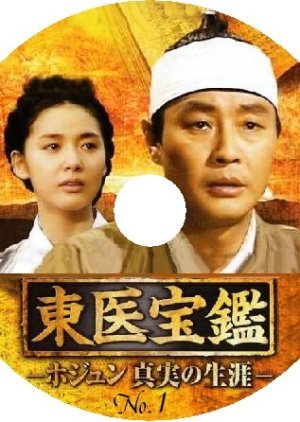
Long before the intricate plots of modern medical K-dramas, there was a story that laid the foundation for them all. Mirror of Eastern Medicine(동의보감) is an epic biographical drama chronicling the life of Heo Jun, the most revered physician in Korean history. The narrative follows his arduous journey from a humble background, born as the son of a concubine, to becoming the personal physician to the king during the Joseon Dynasty. At its heart, the series is a profound exploration of perseverance, the sacred duty of a doctor, and the complex, demanding relationship between a brilliant student and his uncompromising master, Yoo Ui-tae. Aired in the early 90s, this landmark production from MBC is more than just a historical drama; it is a portrait of a man whose work would shape the future of Eastern medicine.
The Physician Behind the Legend
To understand the gravity of Mirror of Eastern Medicine, one must first understand its subject. Heo Jun (1539-1615) was a real historical figure whose magnum opus, the Dongui Bogam (“Mirror of Eastern Medicine”), is considered a masterpiece. This 25-volume encyclopedia was revolutionary for its time, compiling centuries of medical knowledge from Korea and China into a systematic, accessible format. Its core philosophy was preventative medicine and treating the whole person, not just the symptoms—a concept that remains deeply influential.
The drama masterfully captures the social context of the Joseon era, a society governed by a rigid Confucian class structure. As a seoja (the son of a nobleman and a concubine), Heo Jun was barred from prestigious government posts, making his ascent in the royal court a near-impossible feat. This social barrier provides the central conflict, fueling his relentless drive to prove his worth not through birthright, but through skill and unwavering dedication to saving lives. The series delves into the Korean ideal of an inui (仁醫), a “benevolent doctor,” who places human life above status or wealth.
A Narrative Forged in Discipline
Unlike contemporary historical dramas that often rely on romance or fast-paced political intrigue, Mirror of Eastern Medicine is a character-driven epic. Its narrative strength lies in its patient, methodical storytelling that mirrors Heo Jun’s own approach to medicine. The drama doesn’t just show his triumphs; it meticulously details his failures, his ethical dilemmas, and the immense personal sacrifices required to master his craft. There are no shortcuts to greatness here, only relentless study and humbling practice.
The soul of the story is the powerful dynamic between Heo Jun and his mentor, Yoo Ui-tae. Their relationship is not one of gentle encouragement but of harsh, often brutal tutelage. Yoo Ui-tae pushes Heo Jun to the brink, forcing him to unlearn his arrogance and grasp the profound responsibility of a healer. This intense mentorship, built on a foundation of tough love and deep-seated respect, provides some of the most compelling and emotionally resonant scenes in K-drama history.
The Pulse of the Time
When Mirror of Eastern Medicine first aired in 1991, it was nothing short of a cultural event in South Korea. The series became a ratings juggernaut, capturing the nation’s imagination and turning Heo Jun into a household name for a new generation. It set the gold standard for the biographical sageuk (historical drama) genre, proving that a story centered on integrity, humanism, and professional dedication could be just as gripping as any tale of war or royal succession. The drama’s success firmly established the “medical sageuk” as a viable and beloved genre, paving the way for future hits like the 1999 remake Hur Jun and Dae Jang Geum (Jewel in the Palace).
Cast Spotlight
Seo In-seok as Heo Jun
Seo In-seok’s portrayal of Heo Jun is iconic. He embodies the physician with a quiet intensity and unwavering resolve that defined the character for decades. His performance is a masterclass in conveying intelligence, empathy, and the immense weight of responsibility. This role became the cornerstone of his career, making him synonymous with one of Korea’s greatest historical figures.
Lee Soon-jae as Yoo Ui-tae
Already a revered veteran, Lee Soon-jae delivered a legendary performance as the formidable mentor, Yoo Ui-tae. He portrays the gruff master with a commanding presence, yet subtly reveals the deep care and pride he holds for his student. His character became the archetype of the tough but wise teacher, a figure who forges brilliance through unrelenting pressure. It remains one of the most memorable roles for an actor widely considered a national treasure.
Global Viewing Guide
Fans looking to explore this foundational classic can find it on official broadcaster channels. While availability may vary by region, here are the best places to start:
- MBC Classic YouTube Channel: MBC often uploads its classic dramas, sometimes with English subtitles, for a global audience.
- Kocowa: This streaming service, a joint venture of the top Korean broadcasters, is an excellent source for classic MBC, KBS, and SBS titles.
Final Verdict
For viewers seeking the roots of the historical K-drama and a powerful story of humanism that transcends time, Mirror of Eastern Medicine is essential viewing. It is a deliberate, profound, and impeccably acted series that celebrates the triumph of expertise and compassion over social prejudice. A true masterpiece of classic television.

The KCulture Editorial Team is dedicated to providing deep insights and accurate information about the vibrant world of Korean culture.