Introduction & Synopsis
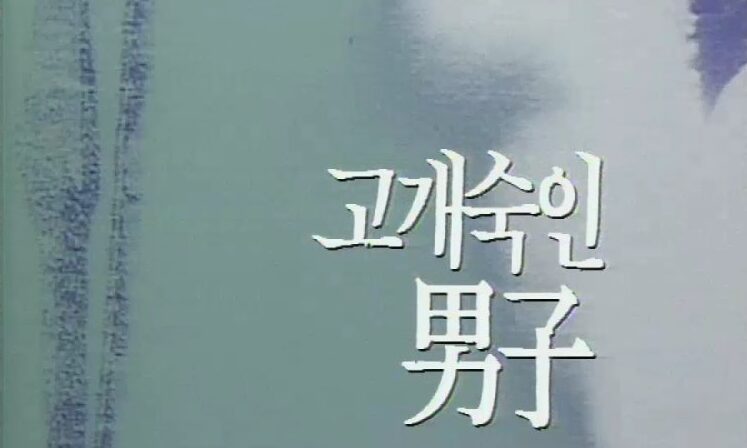
In the vast library of Korean drama, some stories are not grand tales of romance or revenge, but quiet, powerful reflections of a society in flux. Bowed Man (고개숙인 남자), a 1991 masterpiece from MBC, is one such drama. It paints a starkly realistic and poignant portrait of middle-aged Korean men in their 40s and 50s, grappling with a world that no longer recognizes their traditional authority. The series follows a group of men, led by a patriarch played with profound depth by Choi Bool-am, who find themselves alienated and diminished. As their families modernize and societal values shift, these men—once the undisputed heads of their households—are left feeling like relics, their shoulders slumped and their heads bowed in a quiet struggle for relevance and dignity.
Deep Cultural/Historical Insight: The Crisis of the Korean Patriarch
To understand Bowed Man, one must understand Korea in the early 1990s. The nation was riding the final wave of its “Miracle on the Han River,” a period of explosive economic growth that catapulted it onto the world stage. But this rapid industrialization and modernization came at a cultural cost. The drama brilliantly captures the seismic shift occurring within the Korean family unit.
Traditionally, Korean society was built on a rigid Confucian hierarchy where the father, or gajang (가장), was the absolute authority. He was the provider, the disciplinarian, and the emotional pillar of the family. However, the 90s saw this foundation crack. Women were increasingly entering the workforce, children were receiving higher education and embracing more individualistic values, and the economy was demanding a new kind of workforce. The “bowed man” of the title is a man whose identity was entirely built on this patriarchal model. When that model became obsolete, his very sense of self began to crumble. The drama explores the deep-seated sorrow, or Han (한), of a generation of men who built a prosperous nation but felt they were losing their place within it.
Narrative Analysis: The Eloquence of Silence
Without resorting to dramatic plot twists, Bowed Man builds its compelling narrative through subtle, character-driven moments. The storytelling is a masterclass in realism, focusing on the everyday interactions that reveal deep-seated anxieties. The drama’s power lies not in what is said, but often in what is left unsaid—the long silences at the dinner table, the lonely walks home from work, the inability to connect with a wife and children who seem to inhabit a different world. The themes are universal yet deeply specific to the Korean experience of the time: the crushing pressure of being the sole breadwinner, the erosion of masculine identity, and the quiet desperation of feeling obsolete in a world you helped create. It’s a narrative that doesn’t offer easy answers but instead provides a compassionate, unflinching look at the human cost of progress.
The Pulse of the Time: A Mirror to a Generation
When Bowed Man first aired, it was more than just a television show; it was a cultural phenomenon. It struck a powerful chord with middle-aged and older viewers, who saw their own silent struggles reflected on screen for the first time. The series gave a voice to the anxieties of millions of Korean fathers and husbands, sparking national conversations about the changing family dynamic and the challenges of modern masculinity. For many, the sight of the revered actor Choi Bool-am portraying this vulnerable, “bowed” figure was profoundly moving. The drama provided a sense of shared experience and comfort, assuring an entire generation that they were not alone in their feelings of displacement and sorrow.
Cast Spotlight: Legends Embodying an Era
- Choi Bool-am (최불암): Already a living legend known as the “nation’s father,” Choi Bool-am’s performance is the soul of the drama. He brings a quiet gravitas and heartbreaking vulnerability to the role of the titular patriarch. He embodies the stoicism and inner turmoil of a man watching his world disappear, solidifying his status as an actor capable of capturing the very essence of the Korean spirit.
- Jung Hye-sun (정혜선): As the wife, the versatile Jung Hye-sun delivers a nuanced performance that transcends the trope of the simple housewife. She portrays a woman caught between tradition and modernity—respectful of her husband yet frustrated by his inability to adapt, managing the household while navigating her own evolving identity.
- Lee Jung-gil (이정길): A sophisticated and reliable presence in any cast, Lee Jung-gil likely represented a different facet of the “bowed man,” perhaps a more white-collar professional facing a different set of pressures. His performance would have added another layer to the drama’s exploration of this widespread social condition.
Global Viewing Guide
Finding classics from the early 90s can be a journey, but here are the best places for international fans to look:
- MBC Official Channels: The first place to check is MBC’s official YouTube channels, such as “옛드 : MBC 레전드 드라마,” which often uploads clips or full episodes of its classic series.
- Wavve: This drama is available on the Korean streaming platform Wavve, which is primarily accessible to viewers within South Korea.
- Classic K-Drama Platforms: Keep an eye on services like Kocowa and Viki, as they occasionally acquire licenses for older, classic dramas for their global libraries.
Final Verdict
Bowed Man is not just a drama; it’s a vital historical document. It offers an intimate and profoundly human look into the social pains that accompanied South Korea’s rapid growth. For global fans seeking to understand the cultural DNA of modern Korea and the origins of the complex family dynamics often seen in K-dramas today, this poignant classic is essential viewing. A true masterclass in realistic storytelling and heartfelt performance.

The KCulture Editorial Team is dedicated to providing deep insights and accurate information about the vibrant world of Korean culture.