The End of the K-Drama Soju Trope: Korea’s New Era of Wellness
If you are a K-drama fan, you have probably seen the classic scene: a heartbroken or stressed protagonist knocking back shots from green soju bottles under the orange tent of a Pojangmacha (포장마차). However, young Koreans in their 20s and 30s are rapidly ditching this heavy drinking culture in favor of a “Sober Curious” and highly productive lifestyle. Driven by tight budgets and a desire for self-care, millennials and Gen Z are asking themselves: “Why spend my hard-earned money on something that ruins my health when I can invest in a vibrant, joyful life?” In this article, I will take you on an insider’s journey through Seoul’s changing streets, exploring how morning raves, running crews, and a pursuit of “God-saeng” are replacing the traditional booze-filled nights.
- The End of the K-Drama Soju Trope
- The Financial Awakening: Why Pay to Poison Yourself?
- God-saeng and Healthy Pleasure: The New Life Goals
- How We Socialize Now: Morning Raves and Running Crews
- The Evolution of Hoesik: From Forced Drinks to Cultural Outings
The End of the K-Drama Soju Trope
Living in Korea, the contrast between the screen and reality has never been sharper. Just a few years ago, university districts like Sinchon (신촌) and Hongdae (홍대) were packed with massive pubs designed for loud, chaotic group drinking. Today, many of these traditional bars are scaling down or closing entirely. The pandemic broke the chain of mandatory drinking passed down from senior to junior students, and the culture simply never returned to its former state.
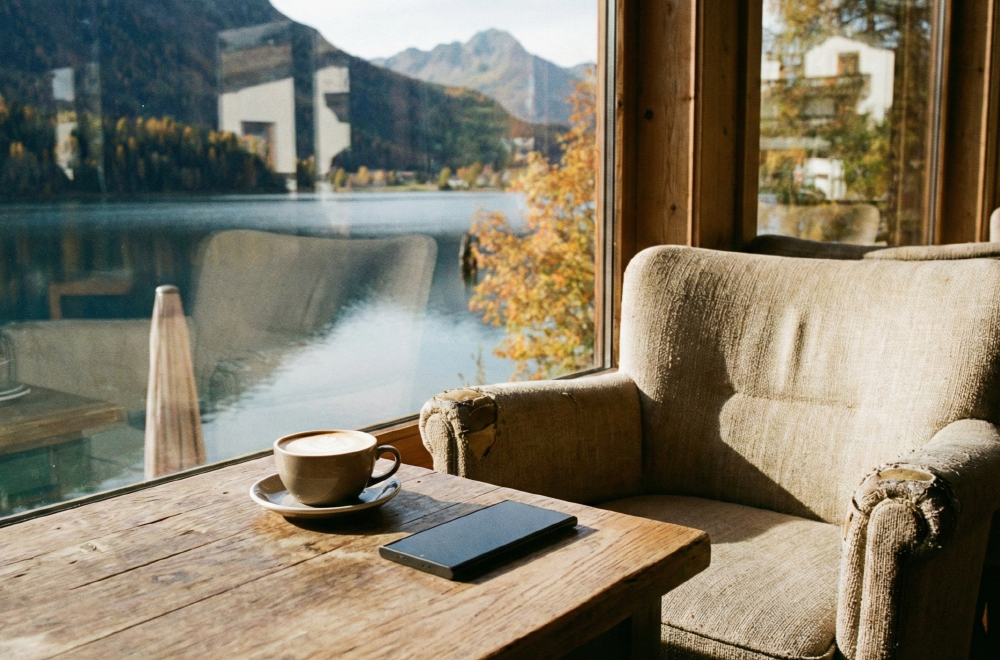
Even the legendary university festivals, known as Daedongje (대동제), have transformed. The student-run pop-up bars that once defined these events are disappearing. Instead, students are lining up for gourmet food trucks, experiential booths, and high-energy concerts. When the sun goes down, young people are not heading to the nearest pub. They are migrating to 24-hour mega-cafes and dessert bars, sipping iced Americanos or non-alcoholic drinks while chatting late into the night or collaborating on team projects.
The Financial Awakening: Why Pay to Poison Yourself?
At the core of this sober movement is a profound shift in financial philosophy among Korean youth. Facing rising inflation and a challenging housing market, young people are highly conscious of how they spend their limited income. The logic is strikingly clear and pragmatic: drinking out in Seoul has become expensive, and the physical toll of a hangover costs them the next day’s productivity.
For the modern Korean youth, paying premium prices for alcohol feels like paying to actively harm themselves. Why drain your wallet on a temporary buzz that leaves you sick and anxious, when that same money could fund a premium gym membership, high-quality organic groceries, or a weekend getaway? They are intentionally redirecting their finances toward experiences that yield a positive return on investment for their bodies and minds. It is a powerful form of self-love disguised as budgeting.
💡 Pro Tip: If you are visiting Seoul and want to experience the nightlife without the hangover, search for “Late-night cafes” (심야 카페) on local map apps. Many boast incredible rooftop views, artisanal pastries, and close at 2 AM or later!
God-saeng and Healthy Pleasure: The New Life Goals
To truly understand the modern Korean mindset, you need to know two terms that dictate current lifestyle trends.
- God-saeng (갓생): A combination of “God” and the Korean word for life (“saeng”). It means living an exemplary, diligent life. Waking up early, studying a language, working out, and eating well are all part of achieving God-saeng. Sleeping off a hangover until 2 PM is the exact opposite of this ideal.
- Healthy Pleasure (헬시 플레저): Gone are the days of starving diets and agonizing workouts. This trend is all about managing your health in a fun, sustainable way. It is finding joy in the process, whether that is discovering a delicious zero-sugar dessert or doing an exciting workout routine.
By blending these two concepts, young Koreans view waking up with a clear mind on a Saturday morning not as a sacrifice, but as a trendy, highly desirable status symbol.
How We Socialize Now: Morning Raves and Running Crews
The desire for a healthy adrenaline rush has birthed entirely new ways to socialize. The nights of sitting around a sticky table taking shots are being replaced by dynamic, active gatherings.
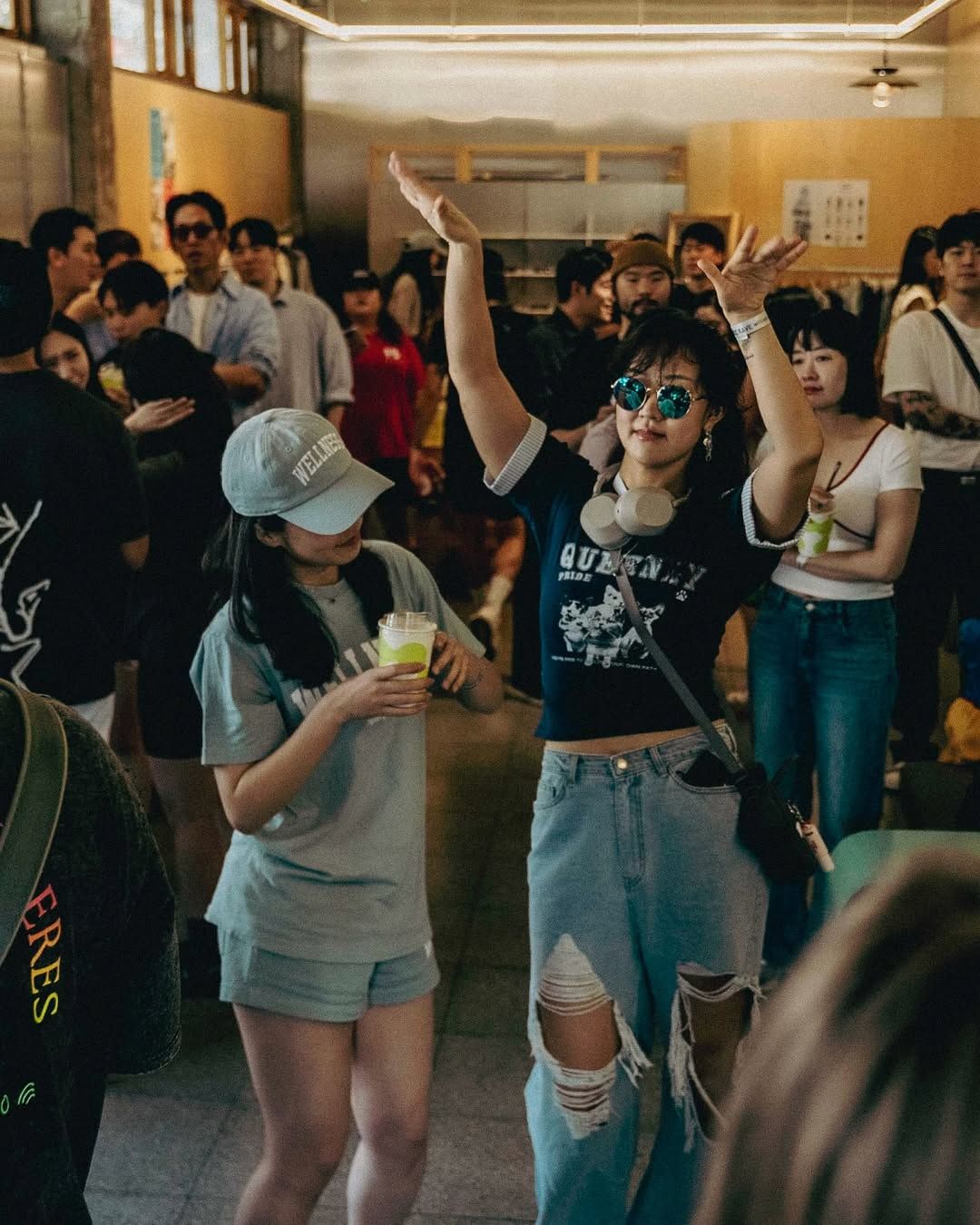
For the trendsetters, “Morning Raves” and early morning dance sessions are becoming the ultimate flex. Before heading to the office, young professionals gather at dawn to dance to live DJ sets, drink kombucha or green smoothies, and start their day with a massive endorphin boost.
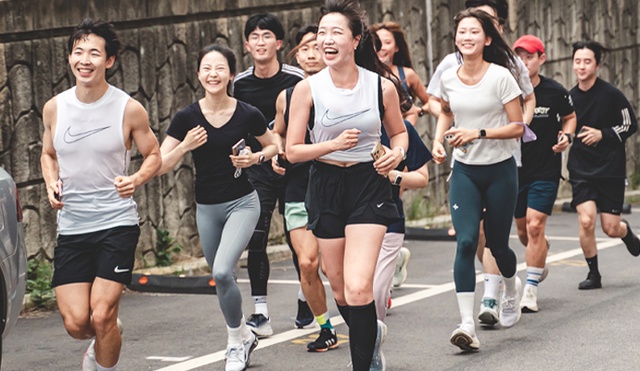
On weekend mornings or Friday nights, Hangang Park (한강공원) transforms into a runway for Running Crews. These massive social groups run together along the river, capturing the perfect post-workout selfie tagged with “Ounwan” (오운완), an abbreviation meaning “Today’s Workout Complete.” The after-party? A light, healthy meal or a specialty coffee, rather than a pub crawl.
For romantic dates or quiet catch-ups, the “Sober Curious” crowd is flocking to high-end mocktail bars and specialized tea houses. Expert bartenders craft complex, beautiful non-alcoholic drinks, allowing patrons to enjoy the sophisticated atmosphere of a speakeasy while maintaining absolute clarity.
The Evolution of Hoesik: From Forced Drinks to Cultural Outings
Perhaps the most relieving change for young workers in Korea is the death of the traditional Hoesik (회식), or company dinner. Historically, these were marathon events involving forced “somaek” (소맥 – a mix of soju and beer) bombs and multiple rounds lasting well past midnight. Today’s MZ generation views such practices as an invasion of privacy and an abuse of power.
Corporate culture has been forced to adapt to this new individualism and focus on work-life balance. Now, team gatherings are taking on entirely new, sober-friendly forms.
| Traditional Hoesik | Modern Hoesik Alternatives |
|---|---|
| Heavy drinking late into the night | Lunchtime outings at trending restaurants |
| Forced alcohol consumption | Cultural outings (Escape rooms, musicals, movies) |
| Sitting at one table for hours | Active bonding (Bowling, indoor climbing) |
📌 Local Note: It is now perfectly socially acceptable for a junior employee to politely declare they are “Sober Curious” or simply managing their health, and pour water or soda into their shot glass during corporate toasts.
The narrative of the depressed, intoxicated youth is quickly becoming a relic of the past. As someone witnessing this cultural evolution daily, I can assure you that modern Korea is waking up earlier, running faster, and thinking clearer. By choosing wellness over intoxication, the new generation is rewriting the script on what it means to live a truly good life in Seoul.
Discover More Korean Trends
- How to Check K-Musical Schedules & Book Tickets Online
- Beyond Banana Milk: 6 Viral Korean Snacks to Buy in 2026
- Why the South Korea Running Boom is Taking Over Parks
- Beyond Coffee: The Guide to Korean Traditional Tea Culture
Korean Culture portal KCulture.com
Founder of Kculture.com and MA in Political Science. He shares deep academic and local insights to provide an authentic perspective on Korean history and society.