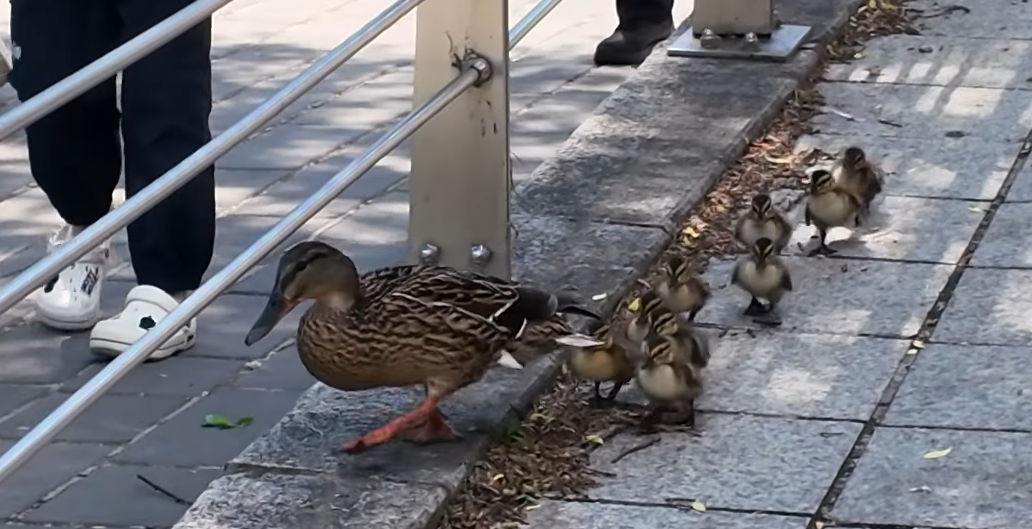
Cheonggyecheon Stream (청계천) in downtown Seoul has transformed into a vibrant urban sanctuary this Spring 2026, hosting adorable mallard duck families that are successfully breeding and thriving. Visitors can easily spot the famous resilient mother duck and her four healthy ducklings, along with a newly migrated family of nine tiny ducklings, actively foraging around the central bridges—a beautiful testament to the city’s ecological recovery. If you want to experience Seoul’s hidden natural charm and cheer on these growing babies, taking a stroll along this waterway is an absolute must for an instant healing experience.
- Spring 2026: The Viral Duck Families of Seoul
- Where to Spot the Mallard Ducklings
- Urban Survival: The Resilient Mother Duck
- Ecological Resilience of Downtown Streams
- How to Enjoy Your Stream Walk Responsibly
Spring 2026: The Viral Duck Families of Seoul
Living in Korea, I have noticed that the concrete jungle can sometimes feel overwhelming, but right now, the city center is buzzing with the cutest “peep peep” sounds instead of car horns. As of May 2026, the local internet is absolutely melting over the mallard ducks breeding in our city’s waterways. The original famous family, a resilient mother duck and her four remaining ducklings, are growing up safely and confidently without any further incidents after overcoming the toughest hurdles of urban survival.
But the excitement has recently doubled! A brand new family has migrated to the stream from another area, featuring a mother duck leading an impressive line of nine tiny ducklings. This newly arrived “9-sibling” family has instantly become the top superstar of the stream. Seeing these duck families has become a massive source of joy and stress relief for office workers and international tourists alike. If you want to see the new stars in action, check out this beautiful clip from the local YouTube channel SeoulWalkingDay featuring the newly arrived 9-duckling family and their mother.
Where to Spot the Mallard Ducklings
The duck families are highly active and move around to forage, but they tend to favor specific areas where aquatic plants and insects are abundant. Here is a quick local guide to the current hotspots where you can catch a glimpse of them.
| Location | Observation Notes |
|---|---|
| Cheonggye 3(sam)-ga (청계3가) / Gwanggyo Bridge (광교) & Supyogyo Bridge (수표교) | The main downtown corridor where the most famous duck family is frequently spotted actively foraging for moss and underwater treats. |
| Seongbukcheon Stream (성북천) Confluence | The peaceful point where the two waterways meet provides a rich, quiet feeding ground for multiple duck families. |
| Baeogaedari Bridge (배오개다리) | A slightly shaded section perfect for observing the ducklings resting comfortably under the bridge structures. |
Urban Survival: The Resilient Mother Duck
A city stream might look perfectly tranquil, but survival in the city is surprisingly fierce for a tiny bird. These urban waterways are home to natural predators, including surprisingly large catfish. Local citizens have captured incredible moments of the mother duck fiercely defending her brood from these underwater threats, putting her own life on the line to shield her babies. It is a profound reminder of the strength of maternal instincts. Every day, the citizens of Seoul walk by the water, actively rooting for both the original four ducklings and the nine new arrivals to grow up strong and eventually take to the skies.
Ecological Resilience of Downtown Streams
The successful spring breeding of these mallards proves that Seoul’s urban streams have evolved far beyond artificial landscaping into highly sustainable habitats for wildlife. Alongside our beloved ducklings, you can regularly spot Grey Herons, Great Egrets, Little Egrets, and massive carp peacefully coexisting. This rich biodiversity indicates that the water quality and the local food chain have stabilized wonderfully, making the stream an authentic urban safari right in the middle of a global metropolis.
How to Enjoy Your Stream Walk Responsibly
To ensure these ducklings continue to thrive, it is vital that we give them the space and respect they deserve as wild animals.
💡 Pro Tip: The best time to spot the ducklings without massive crowds is either early morning around 8 AM or mid-afternoon. Lunchtime (11:30 AM to 1:00 PM) is usually packed with local office workers seeking their daily dose of nature therapy.
📌 Local Note: Please remember not to feed the ducks human food like bread or snacks. It can severely harm their digestion and pollute the clean water they rely on. Let them enjoy their natural, healthy diet of aquatic plants! For the peace and safety of the duck family, please do not get too close.
For a deeper dive into the amazing wildlife you can encounter along this waterway, make sure to read our comprehensive guide: Cheonggyecheon Stream Tour: Seoul’s Hidden Urban Safari. Let’s continue to cheer on our feathered friends as they grow!
Korean Culture portal KCulture.com

Founder of Kculture.com and MA in Political Science. He shares deep academic and local insights to provide an authentic perspective on Korean history and society.