
For those visiting Korea for surgery and recovery, the best places to stay in Seoul for medical tourism are the Gangnam (강남), Apgujeong (압구정), and Jamsil (잠실) areas due to their high density of specialized clinics and international patient support. While hotels offer luxury, serviced residences are often the superior choice for recovery, providing essential kitchen and laundry facilities for stays longer than seven days. Finding a location within a 10-minute walk of your hospital is the most critical factor in ensuring a smooth and stress-free healing process.
- Top Medical Districts in Seoul
- Hotel vs. Serviced Residence: Choosing the Right Stay
- Essential Post-Surgery Accommodation Checklist
- Expert Local Tips for International Patients
- Essential Resources and Internal Guides
Top Medical Districts in Seoul
As of May 2026, Seoul remains the global epicenter for medical tourism, with infrastructure that specifically caters to international visitors. Depending on your procedure, your stay will likely center around one of these three primary hubs.
Gangnam & Sinnonhyeon (강남 & 신논현)
This is the ultimate “Medical Mecca” of Korea. If you are visiting for plastic surgery, dermatology, dentistry, or ophthalmology, this is likely where your clinic is located. The area is bustling 24/7 and boasts the highest number of facilities with English, Chinese, and Japanese translation services. Pharmacies and convenience stores are available on almost every corner, making it easy to grab recovery essentials.
Apgujeong & Sinsa (압구정 & 신사)
Known for high-end plastic surgery clinics and specialized boutique hospitals, the Apgujeong (압구정) district offers a slightly more sophisticated and quieter atmosphere than the main Gangnam strip. It is ideal for those who want a bit more privacy. For light post-op walks, Dosan Park (도산공원) provides a peaceful environment that helps reduce swelling through gentle exercise.
Songpa & Jamsil (송파 & 잠실)
The Jamsil (잠실) area is the preferred choice for patients visiting major general hospitals like Asan Medical Center (서울아산병원). This district is highly recommended for long-term treatments or complex surgeries. With the scenic Seokchon Lake (석촌호수) and the massive Lotte World Mall (롯데월드몰) nearby, caregivers also find this area convenient for daily living and shopping.
Hotel vs. Serviced Residence: Choosing the Right Stay
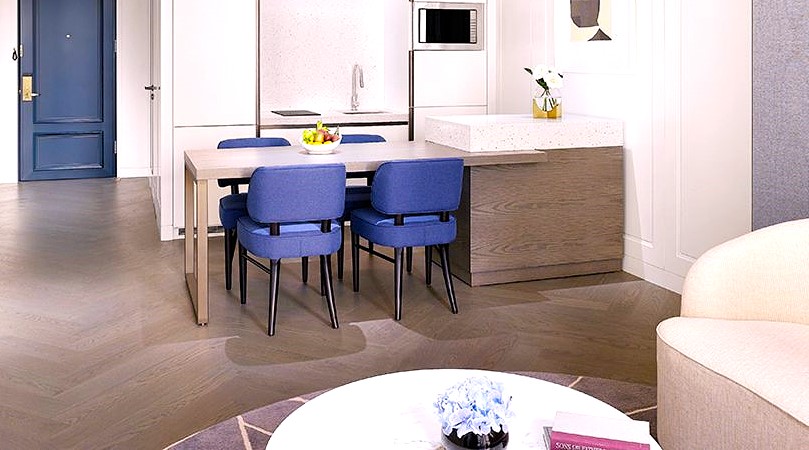
Choosing between a hotel and a residence can significantly impact your recovery comfort. For stays exceeding one week, we generally recommend a serviced residence. Below is a comparison to help you decide.
| Feature | Standard Hotel | Serviced Residence |
|---|---|---|
| Cooking Facilities | None (Mini-bar only) | Full Kitchen (Induction, Microwave) |
| Laundry | Paid Laundry Service | In-room Washing Machine |
| Space | Standard Room Size | Separate Living & Bedroom areas |
| Recommended For | Short stays (under 3 days) | Long-term recovery (7-30+ days) |
💡 Why a Residence? After surgery, you may prefer light meals or porridge (Juk) that suits your appetite rather than spicy Korean food. Having a kitchen allows you to prepare what you need. Furthermore, managing medical gauze and laundry in your own room provides a higher level of privacy and hygiene.
Essential Post-Surgery Accommodation Checklist
Before you book your stay on platforms like Agoda or specialized monthly rental apps, ensure the property meets these 2026 standards for medical travelers:
- The 10-Minute Walk Rule: Post-surgery, even a short taxi ride can be physically taxing. Being within walking distance of your clinic for frequent dressing changes and check-ups is vital.
- Barrier-Free Access: If your surgery affects mobility (orthopedic or body contouring), confirm that the building has elevators and “barrier-free” rooms with no high door thresholds.
- Delivery Friendliness: Modern Korean delivery apps like Coupang Eats and Baemin now have robust international payment systems. Check if the accommodation allows deliveries to the lobby or the door.
- Air Quality Control: Korean interiors can be dry. Ask if the hotel can provide a humidifier (Gaseupgi) and an air purifier to help with respiratory comfort and swelling.
- Noise Insulation: Healing requires deep sleep. Request a high-floor room with blackout curtains to avoid the city noise of Gangnam.
Expert Local Tips for International Patients
Many international patients feel self-conscious about going outside with bandages or swelling. However, in areas like Gangnam and Sinsa, this is a very common sight. I often tell visitors: “Do not be afraid to walk around.” Walking helps blood circulation, which significantly speeds up the deswelling process.
For stays longer than a month, consider using “Monthly Rent” apps popular in Korea. These can often save you over 30% compared to daily hotel rates. Look for accommodations certified by the Korea Tourism Organization (KTO) or the Visit Medical Korea portal for verified “Medical-friendly” stays.
Essential Resources and Internal Guides
To make your recovery stay in Korea even smoother, we recommend checking out our practical guides on daily life and technology. Navigating the local system is much easier when you have the right tools at your fingertips.
- Living Like a Local: Learn the essentials of food delivery and waste disposal in our Essential Tips: How to Recycle and Order Food.
- Stay Connected: Ensure your recovery is comfortable with the right tech setup by reading our Korea Tech Guide: SIMs, WiFi, and Voltages.
- Official Support: For official medical tourism inquiries, visit the Medical Korea Official Website.
Korean Culture portal KCulture.com

The KCulture Editorial Team is dedicated to providing deep insights and accurate information about the vibrant world of Korean culture.