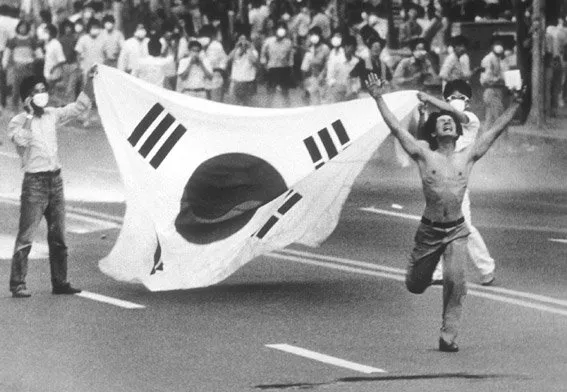
The June Democratic Struggle of 1987 was a pivotal, nationwide pro-democracy movement in South Korea that successfully forced the military dictatorship to concede to direct presidential elections, fundamentally establishing the country’s modern democratic system. If you have ever marveled at Korea’s vibrant pop culture or its astonishing economic success, you might naturally wonder how its dynamic democracy was built. Living in Korea, I often walk past the very plazas where this history was made, and I want to share the poignant story of how ordinary citizens, fueled by tragedy and hope, brought down an authoritarian regime.
- The Shadow of Rapid Growth and the Gwangju Uprising
- The Spark: A Tragic Death and an Arrogant Declaration
- Development: The Necktie Brigade and the Sanctuary
- The Result: The June 29 Declaration and Direct Elections
- Must-Watch Movie: 1987 When the Day Comes
The Shadow of Rapid Growth and the Gwangju Uprising
In the 1980s, South Korea was experiencing unprecedented and rapid economic growth. However, this economic miracle was overshadowed by the oppressive military dictatorship of Chun Doo-hwan. While skyscrapers were rising, political freedom was severely suppressed. Citizens were quickly realizing that economic prosperity alone could not guarantee true freedom.
To truly understand the fierce determination of the 1987 protests, we must look back at a profound national trauma: the May 18 Gwangju Democratization Movement of 1980. When citizens in Gwangju rose up against the military coup demanding democracy, they were brutally suppressed by the armed forces. This tragic bloodshed became the moral and political driving force for students, workers, and everyday citizens throughout the 1980s. The memory of Gwangju was a fire that could not be extinguished. For a deeper understanding of this crucial event, I highly recommend reading The History of Gwangju 5.18: Coup, Massacre, Legacy and Best 5.18 Movies.
The Spark: A Tragic Death and an Arrogant Declaration
The long-suppressed yearning for democracy exploded in 1987 due to two critical, heartbreaking events that pushed the public’s anger past the breaking point.
The Death of Park Jong-chul
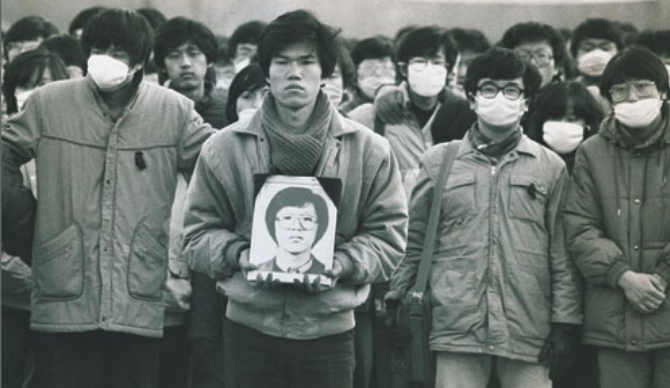
In January 1987, Park Jong-chul, a student at Seoul National University, died after enduring brutal water torture during police interrogation. In a desperate attempt to cover up the atrocity, the police issued a notoriously absurd excuse, claiming that the interrogator simply “slammed the desk, and he just dropped dead.” This ridiculous lie became one of the most infamous remarks in modern Korean history, igniting massive public outrage.
The April 13 Declaration
As public fury peaked with widespread demands for a direct presidential election, President Chun Doo-hwan made a fatal miscalculation. On April 13, he announced a special declaration to defend the existing constitution. This meant halting all discussions on constitutional reform and maintaining the indirect election system via a hand-picked electoral college. It was a blatant, arrogant declaration of his intent to hand over power to his military academy friend, Roh Tae-woo.
📌 Local Note: The phrase “Scrap the Constitution, Down with Dictatorship!” (호헌철폐, 독재타도) became the defining chant of 1987, echoing through the streets of Seoul and every major city across the nation.
Development: The Necktie Brigade and the Sanctuary
The protests rapidly evolved from student-led demonstrations into a nationwide, all-encompassing resistance.
The Sacrifice of Lee Han-yeol
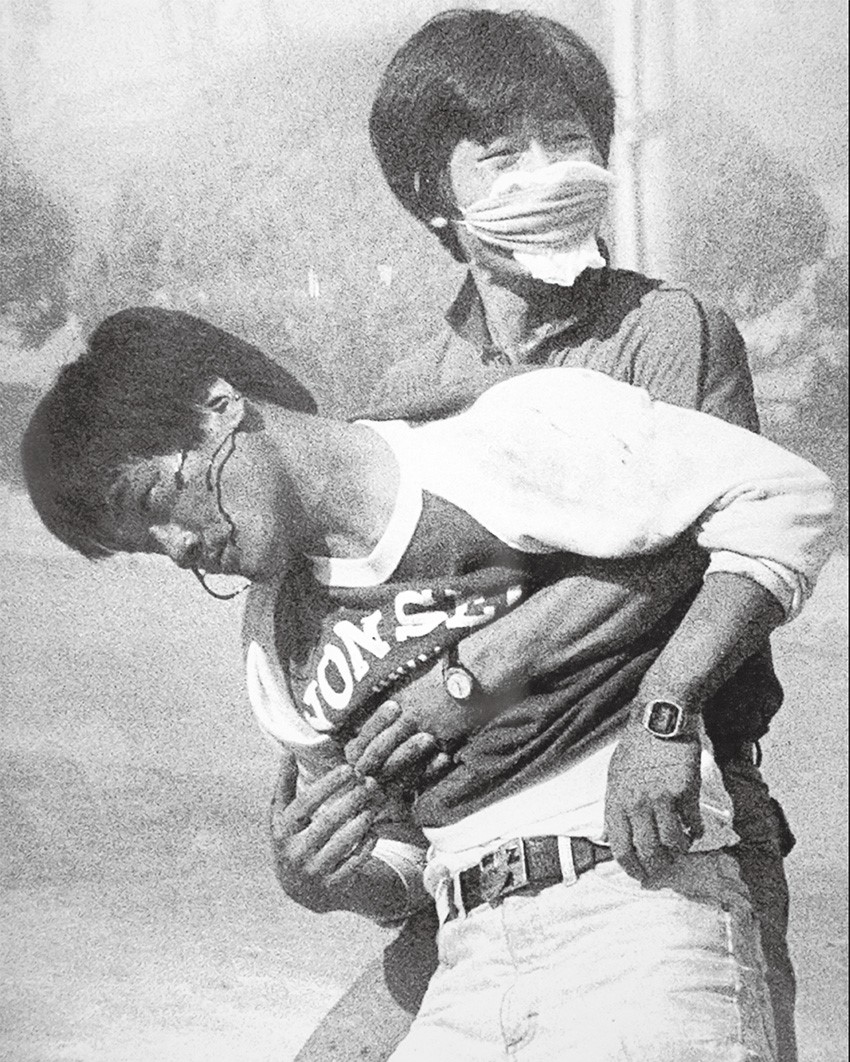
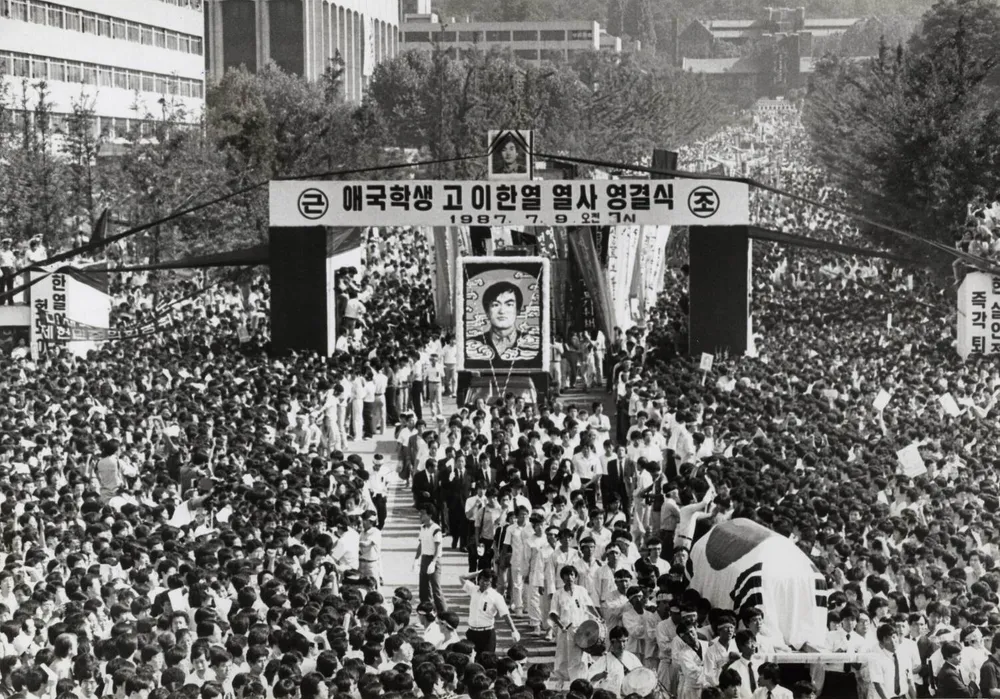
On June 9, another tragedy struck. Lee Han-yeol, a student at Yonsei University, was struck in the head by a police tear gas canister during a protest. The photograph of him bleeding, supported by a fellow student, was broadcast globally through foreign press like the New York Times. His critical condition (which eventually led to his death) was the definitive catalyst that brought the entire Korean populace out into the streets.
The Arrival of the Necktie Brigade
What made the June Democratic Struggle unique was the active participation of the middle class. The “Necktie Brigade”—white-collar office workers wearing suits and ties—poured out of their buildings during lunch breaks to applaud the protesters, chant slogans, and hide students fleeing from riot police. This solidarity transformed the movement from a student uprising into an unstoppable, nationwide civic resistance.
Myeongdong Cathedral and Seoul Plaza
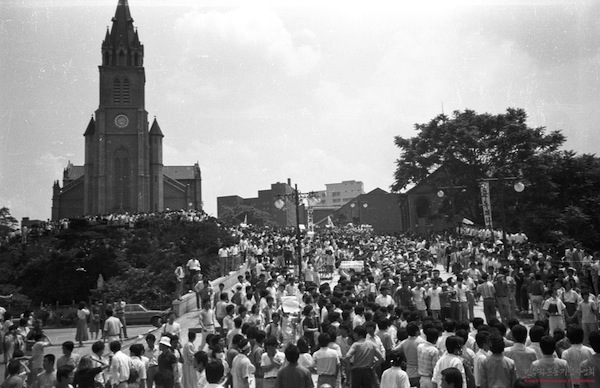
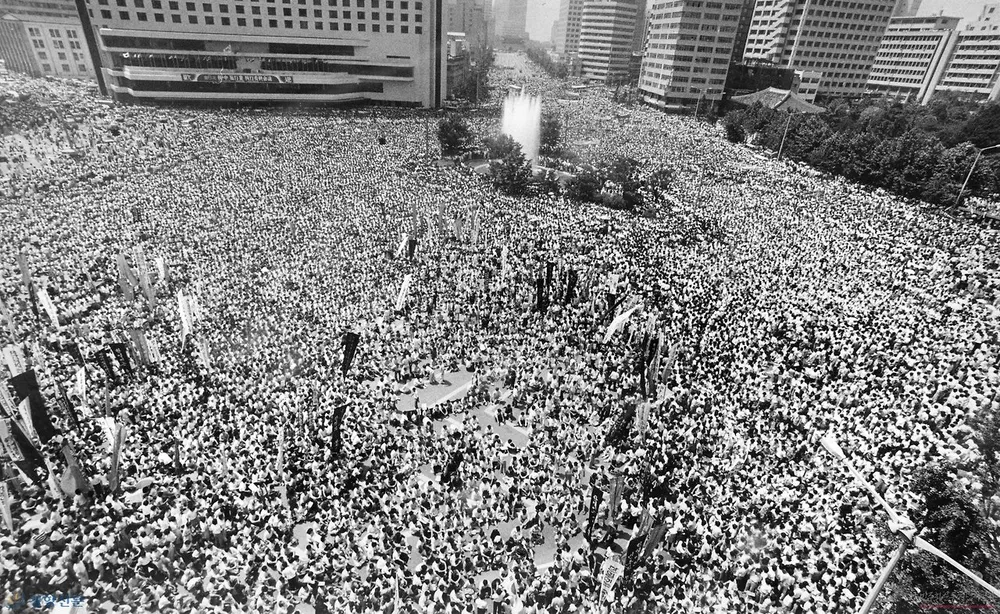
The heart of Seoul became the epicenter of the struggle. Protesters filled Seoul Plaza (서울광장) in front of City Hall. Just a short walk away, Myeongdong Cathedral (명동성당) served as a vital sanctuary for students chased by armed police. When the government threatened to send riot police into the church, Cardinal Stephen Kim Sou-hwan famously stated, “If the police come in, they will have to step on me, then the priests, and then the nuns.” This courageous stand prevented a violent raid and solidified the cathedral as a historic symbol of Korean democratization.
The Result: The June 29 Declaration and Direct Elections
Faced with millions of citizens marching daily and the looming threat of the 1988 Seoul Olympics being jeopardized by instability, the military regime finally surrendered.
| Date (1987) | Key Event in the Struggle |
|---|---|
| January 14 | Death of student Park Jong-chul via police torture. |
| April 13 | President Chun’s declaration to maintain indirect elections. |
| June 9 | Student Lee Han-yeol struck by a tear gas canister. |
| June 10 | Massive nationwide rallies begin, launching the June Struggle. |
| June 29 | Roh Tae-woo issues the June 29 Declaration, accepting direct elections. |
On June 29, Roh Tae-woo, the ruling party’s presidential candidate, issued a special declaration fully accepting the citizens’ demands. This led to the 9th Constitutional Amendment, which granted the Korean people the right to elect their president directly. It established the single five-year term presidency—the constitutional framework of the Sixth Republic that South Korea still operates under today.
Must-Watch Movie: 1987 When the Day Comes
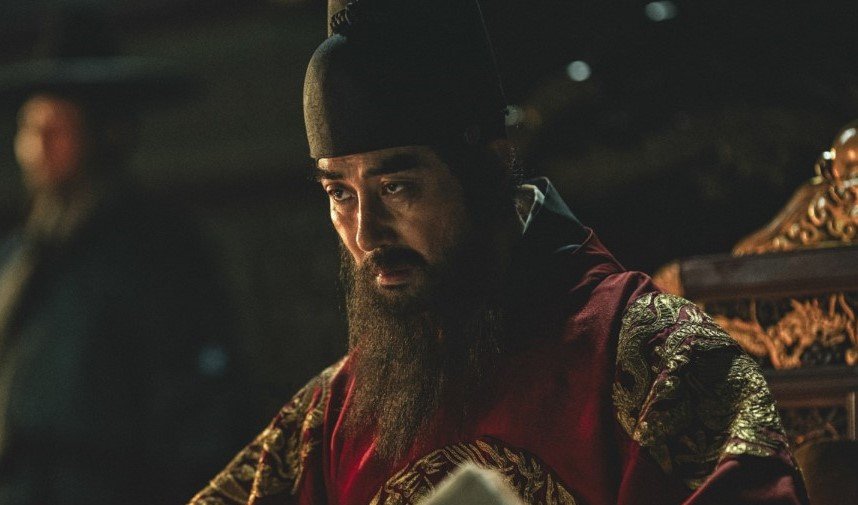
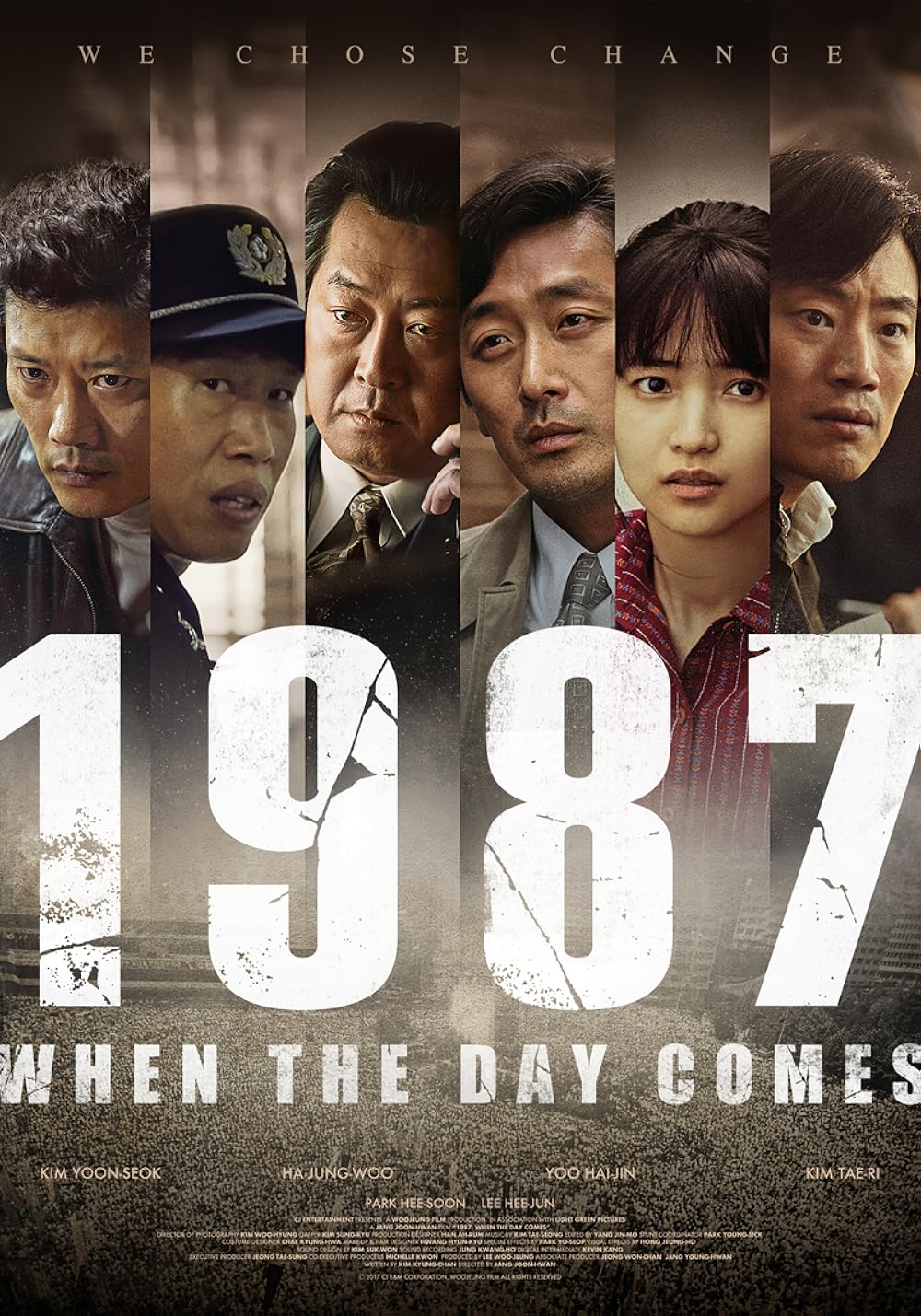
To truly grasp the emotional weight and historical reality of this era, I strongly recommend watching the critically acclaimed film 1987: When the Day Comes (2017). As an avid fan of Korean historical cinema, I can tell you this masterpiece perfectly captures the essence of the movement.
Instead of focusing on a single heroic leader, the film brilliantly weaves together the stories of ordinary people—a prison guard, a doctor, a journalist, and university students. It shows how the small, courageous choices of everyday citizens collectively turned the massive wheel of history. South Korea is known worldwide for its rapid economic growth, but this film powerfully demonstrates that its democracy was achieved just as rapidly and dynamically, built on the blood, sweat, and solidarity of its people.
💡 Pro Tip: You can stream 1987: When the Day Comes on major platforms like Amazon Prime Video, Viki, or Apple TV, depending on your regional licensing. It is a cinematic experience that will permanently change how you view modern Korea.
Read more about Korea’s rich historical narratives in our history section:
Korean Culture portal KCulture.com

Founder of Kculture.com and MA in Political Science. He shares deep academic and local insights to provide an authentic perspective on Korean history and society.