Unveiling Gukje Market: The Cinematic Heartbeat of Busan
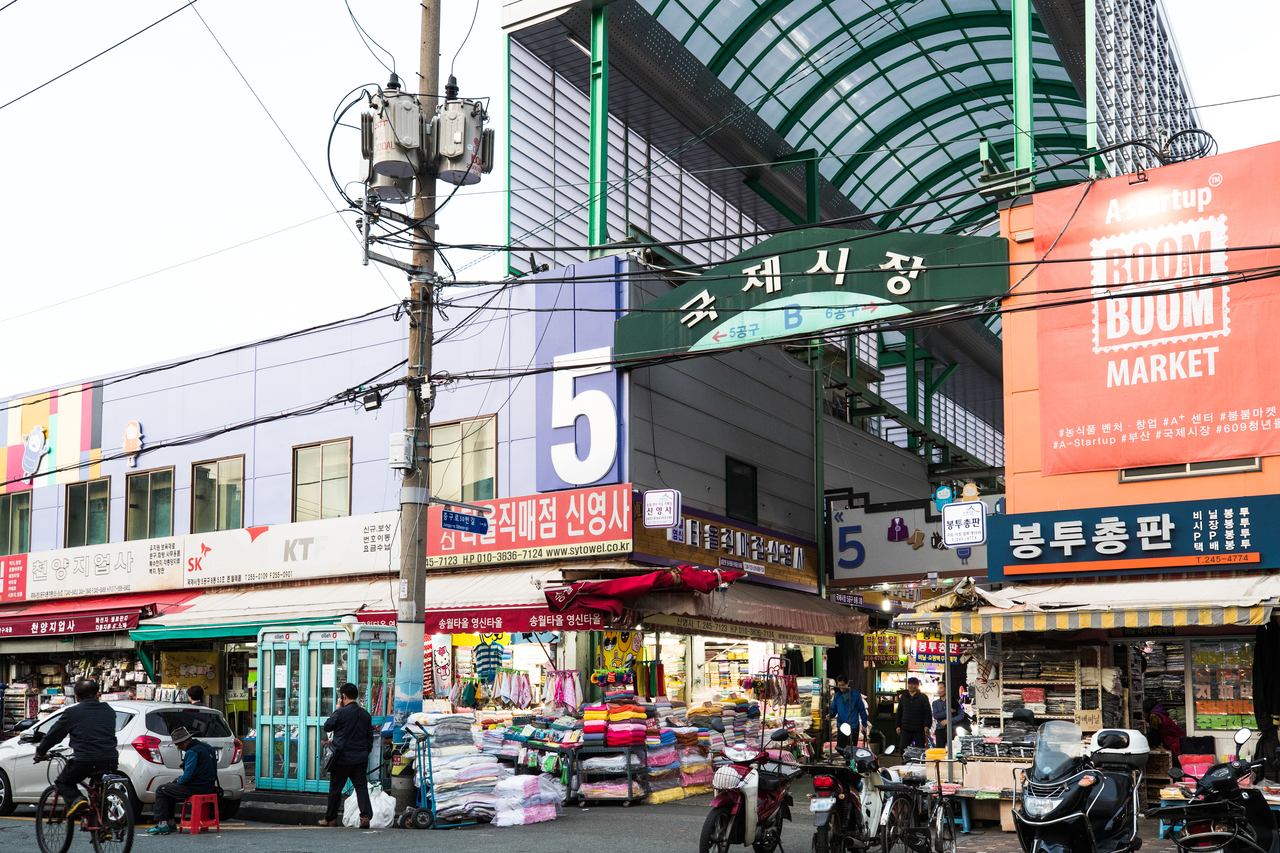
Gukje Market (국제시장) in Busan is not merely one of South Korea’s largest and most historic traditional markets; it is a living, breathing museum of modern Korean history and a premier filming location for iconic Korean cinema. If you are looking for the ultimate destination to experience the resilience, flavors, and cinematic charm of Busan, Gukje Market is the place to be. This guide will take you through its origins, the must-see spots featured in hit movies, and essential local tips for your visit.
- A Historical Landmark
- Exploring the Market: Shopping and Authentic Flavors
- Stepping Into the Screen: Iconic Filming Locations
- Practical Travel Guide: Getting There and Local Tips
- Continue Your K-Drama Journey
A Historical Landmark
The history of Gukje Market is deeply intertwined with the story of modern Korea. Its roots date back to the aftermath of liberation in 1945 and the Korean War (1950–1953). As refugees flooded into Busan, they set up makeshift stalls in open lots, selling everything from military supplies left by foreign troops to smuggled imported goods to survive. This is how the market earned the name “Gukje,” which translates to “International,” as it became a hub for goods from all corners of the globe. Today, while the market has evolved, it retains the bustling, chaotic, and authentic atmosphere that defines Busan’s spirit.
Exploring the Market: Shopping and Authentic Flavors
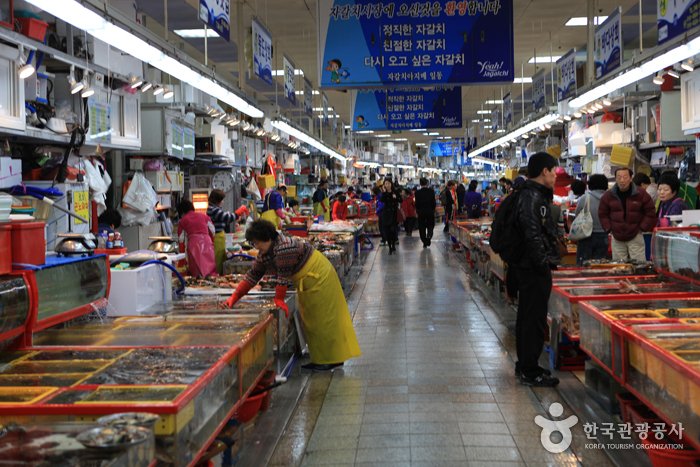
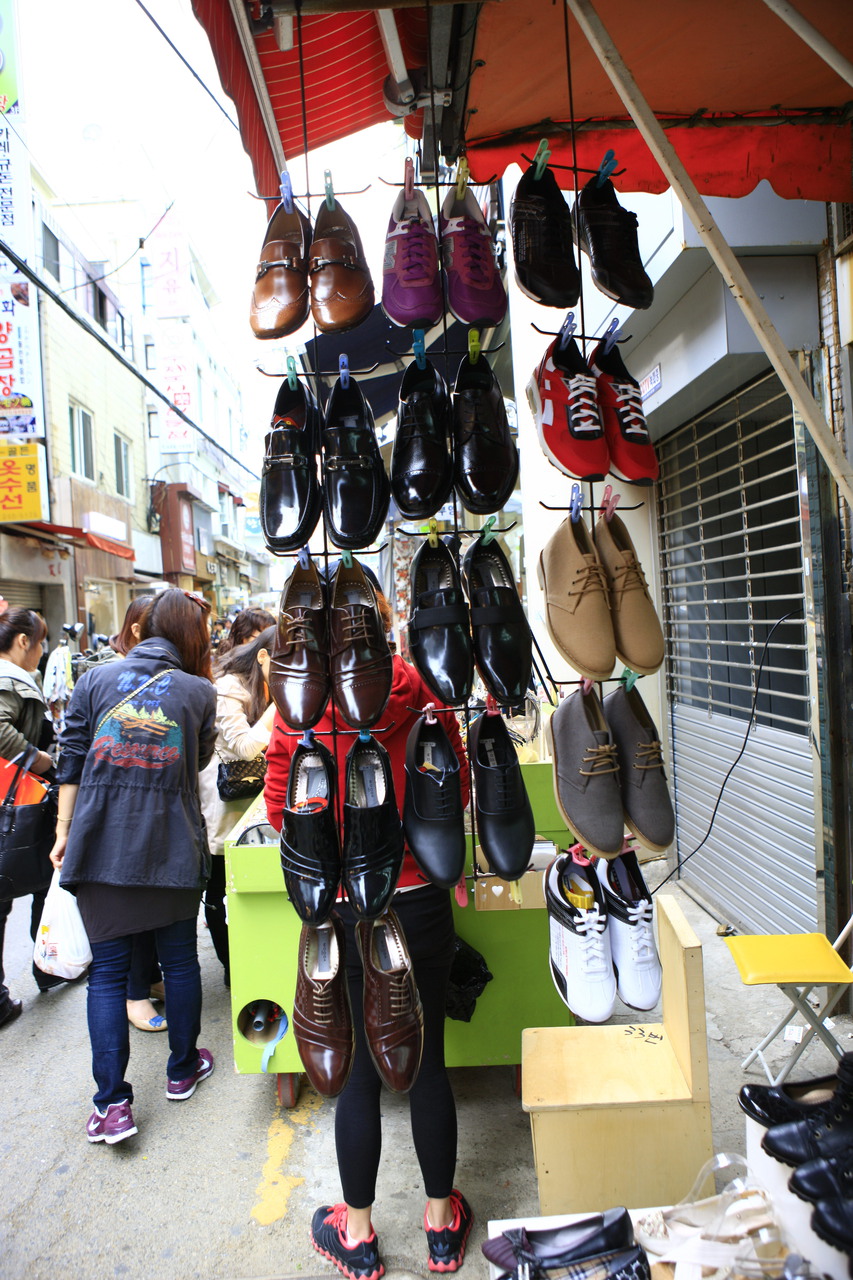
Navigating the narrow, maze-like alleys of the market is an adventure in itself. You will find a fascinating mix of the old and the new.
- Shopping: From vintage clothing and classic stationery to practical kitchenware and hand-crafted accessories, Gukje Market is a treasure trove. It is the perfect place to hunt for unique souvenirs that you simply won’t find in modern department stores.
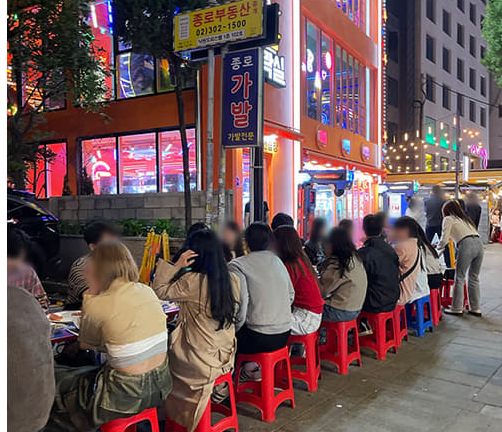
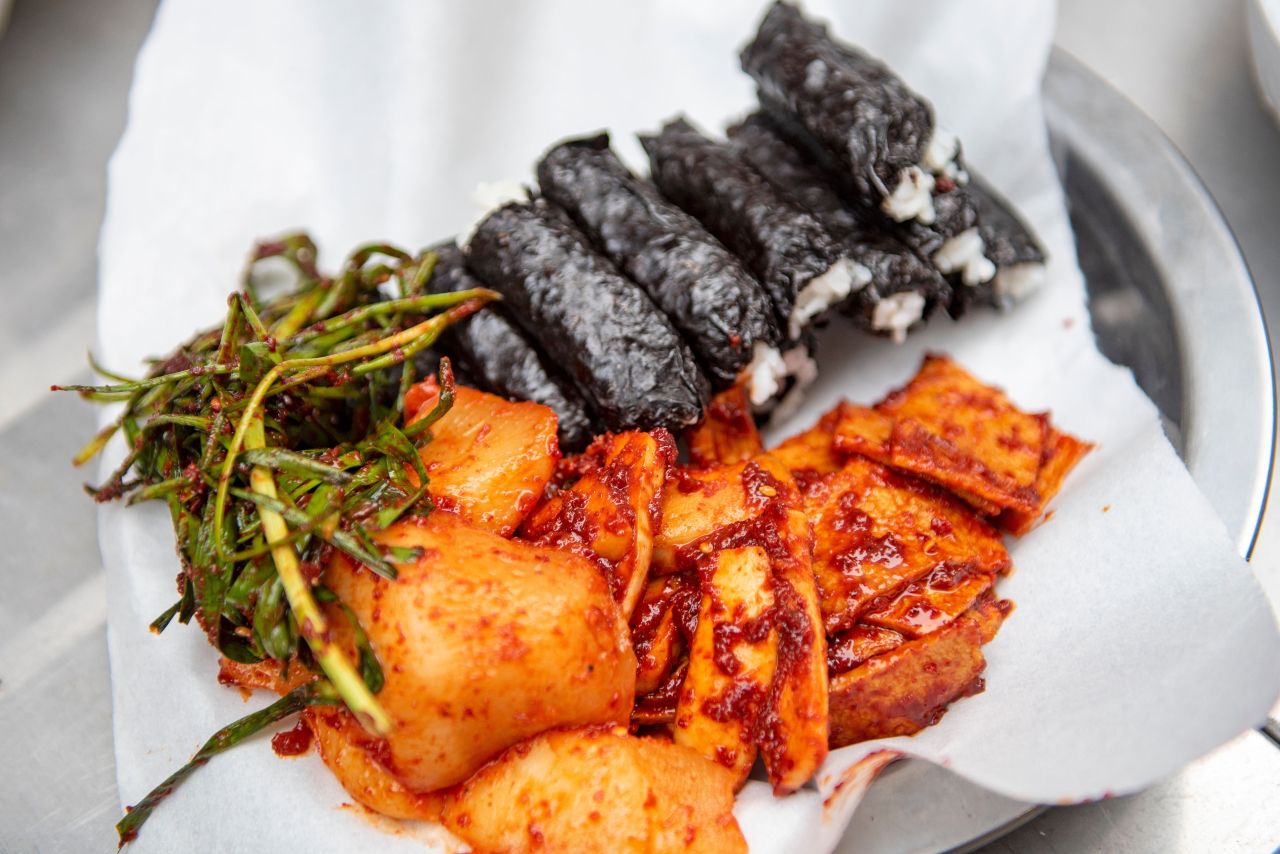
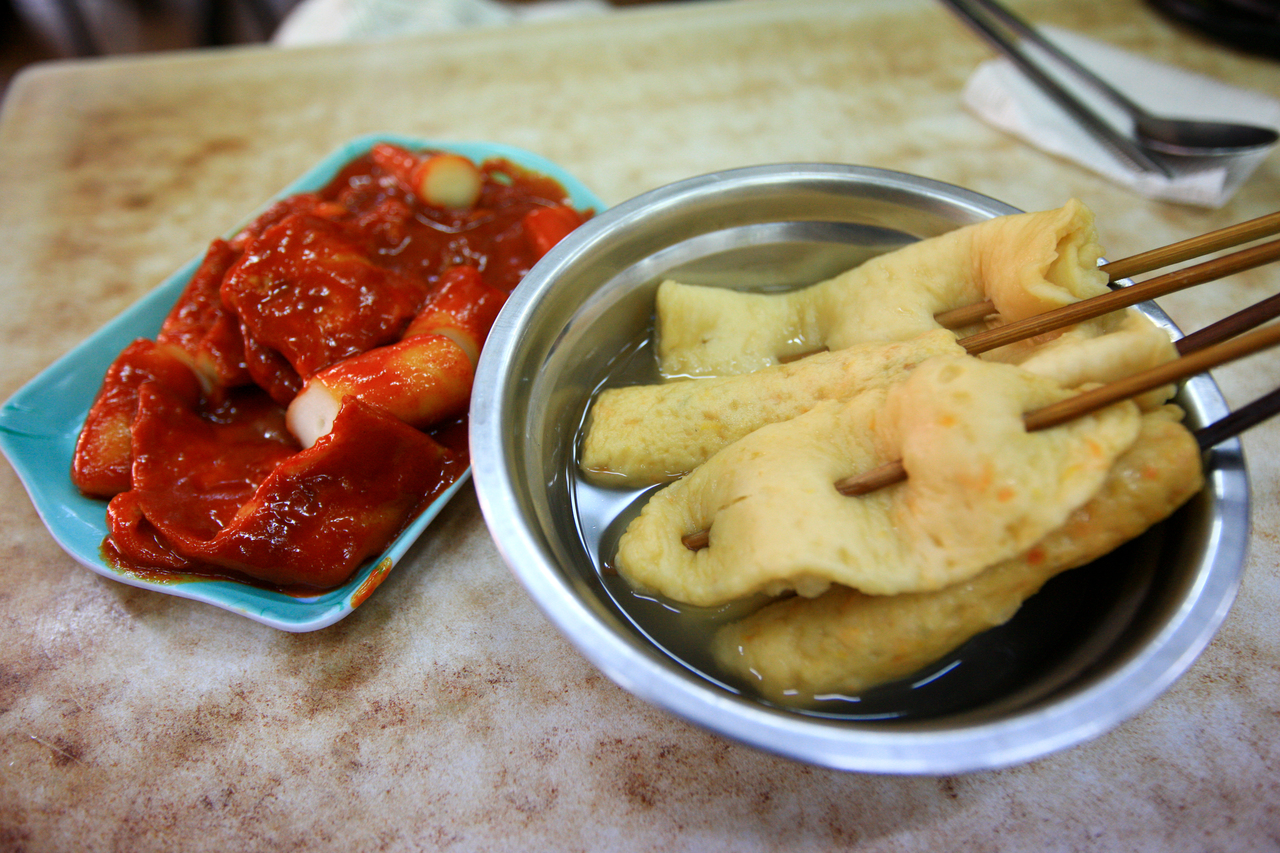
- Food Streets: No visit is complete without diving into the food alleys. I highly recommend pulling up a plastic stool to enjoy authentic local delicacies. Look for Bibim Dangmyeon (spicy glass noodles), Chungmu Gimbap (bite-sized seaweed rice rolls), and steaming hot Eomuk (fish cakes) served with a warm broth.
Stepping Into the Screen: Iconic Filming Locations
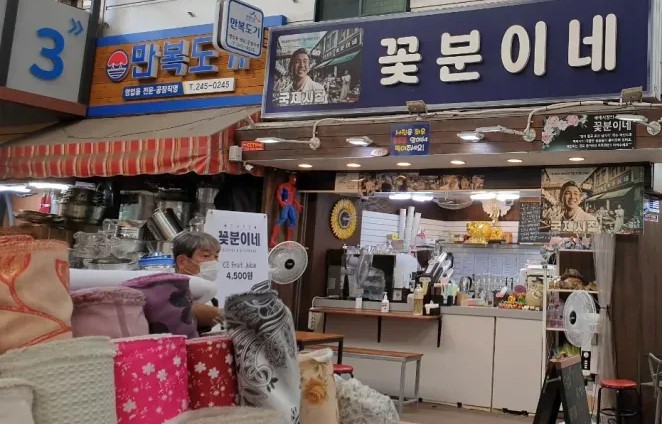
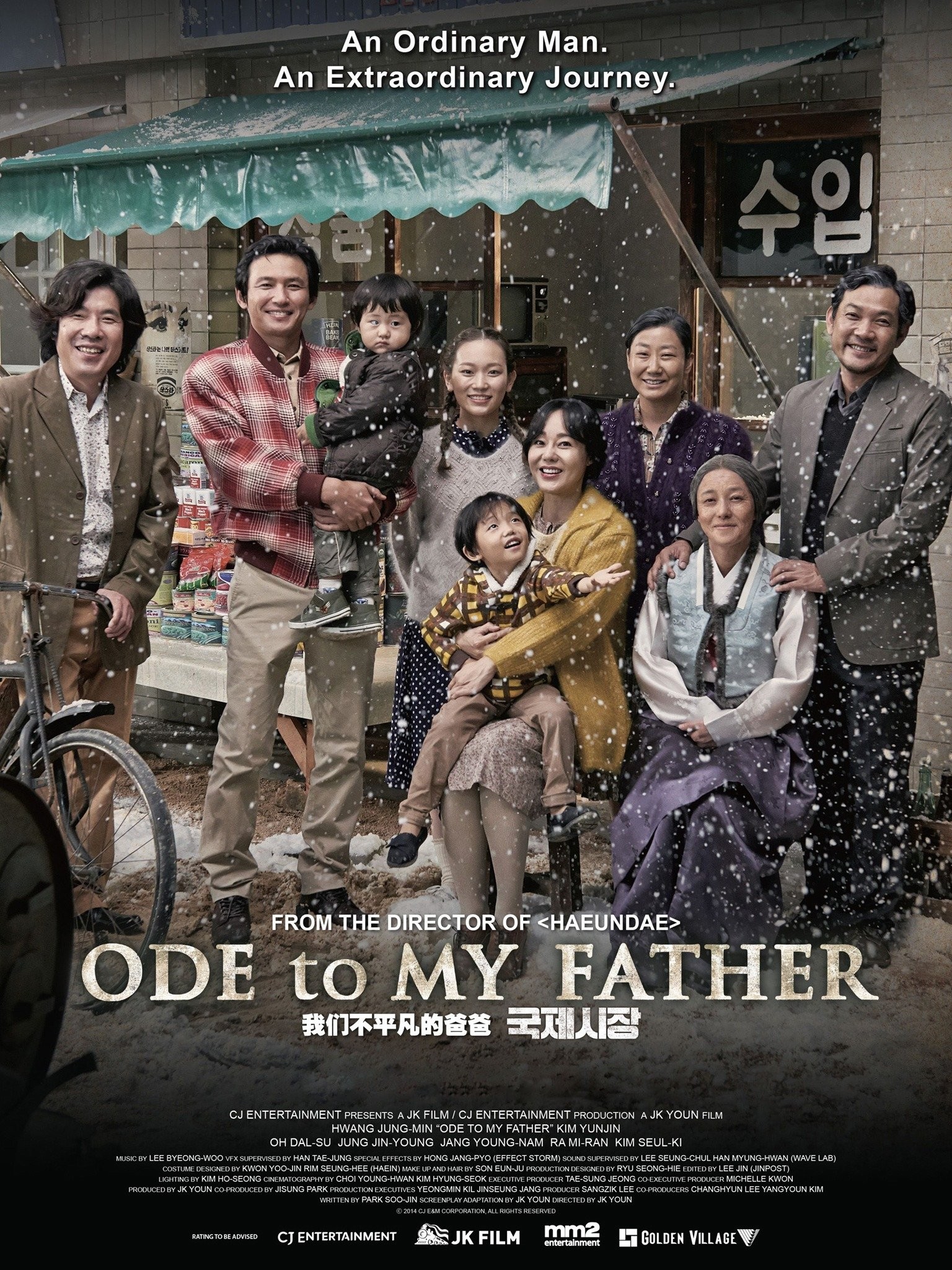
The nostalgic and rugged aesthetic of the market has made it a favorite backdrop for filmmakers. The most significant cinematic connection is the 2014 film Ode to My Father. A visit to the “Kkotbunine” (꽃분이네) store is essential; once a humble shop, it gained nationwide fame through the film and has since transformed into a beloved souvenir shop and a landmark where visitors love to take photos.
| Movie/Drama | Description | Where to Watch |
|---|---|---|
| Ode to My Father (2014) | A poignant story depicting modern Korean history through a family-run store in the market. | Netflix, Apple TV |
| Jungle Juice (2002) | An action-comedy highlighting the market’s bustling, chaotic energy. | Check local VOD services |
| Open City (2008) | A crime-action thriller utilizing the market’s complex layout for intense scenes. | Check local VOD services |
Practical Travel Guide: Getting There and Local Tips
Reaching the market is straightforward, even if you are coming from out of town.
- From KTX Busan Station: Take Busan Metro Line 1 (Orange Line) toward Dadaepo Beach. Get off at Jagalchi Station (자갈치역) or Nampo Station (남포역). The market is just a short walk from either station.
- Best Time to Visit: I recommend visiting in the afternoon when the market is at its most vibrant. If you want to experience the night market, head over to the connected Bupyeong Kkangtong Market (부평깡통시장) after sunset.
- Local Insider Tip: Google Maps can be unreliable for walking directions in Korea. I strongly suggest downloading Naver Map or KakaoMap for accurate, real-time navigation and bus schedules. Also, wear comfortable shoes—the alleys are dense and best explored on foot.
- Nearby Attractions: Once you are done with the market, you are perfectly positioned to explore BIFF Square (비프광장) and the scenic Yongdusan Park (용두산공원) nearby.
Continue Your K-Drama Journey
If you are planning a tour of Korea’s most iconic filming locations, be sure to check out these guides to enhance your itinerary:
- Haenggung-dong Guide: Suwon’s Top K-Drama Filming Spots
- The Guide to Gwanghalluwon Pavilion in Namwon: The Most Iconic K-Drama Filming Location
- Step Into the Screen : The Best Filming Locations Near Seoul, K-Drama Holy Sites
- Step Into the Screen: The Ultimate K-Drama Travel Guide 2026
Korean Culture portal KCulture.com

Founder of Kculture.com and MA in Political Science. He shares deep academic and local insights to provide an authentic perspective on Korean history and society.