Introduction & Synopsis
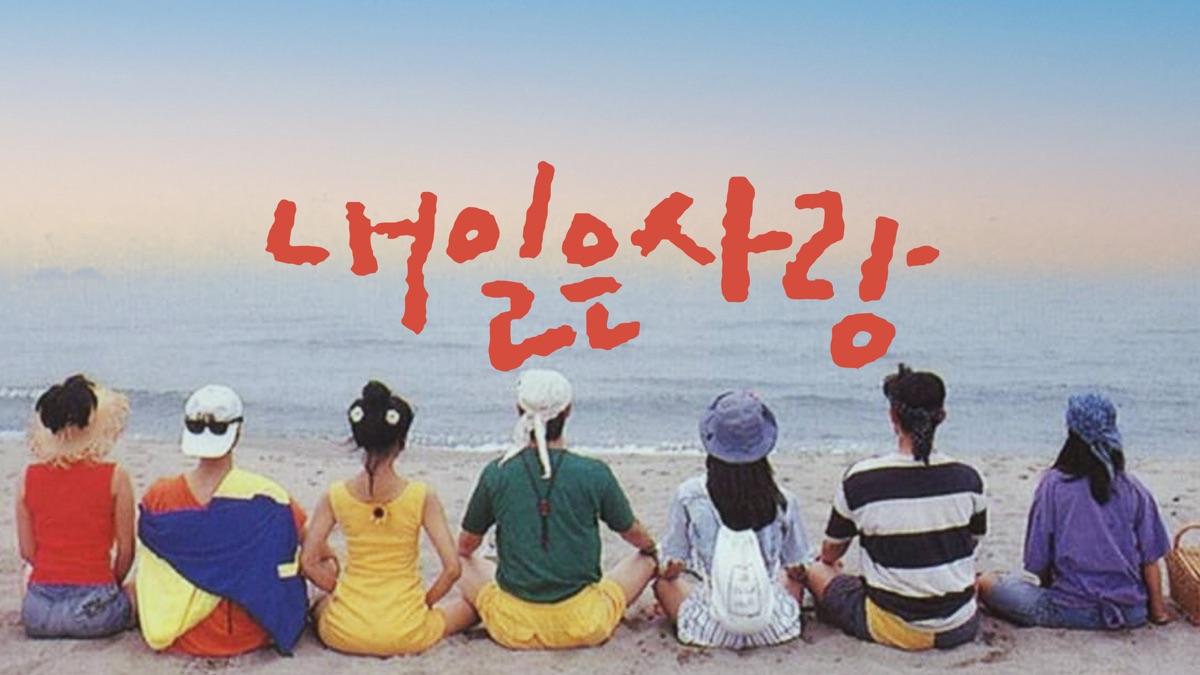
Before the slick productions and global streaming giants, there was a raw, vibrant energy that defined Korean television. At the heart of this era lies Tomorrow, Love (내일은 사랑), the quintessential 1990s youth drama. The series paints a bright and wholesome portrait of university life, exploring the intertwined lives of a group of friends navigating the exhilarating and confusing path to adulthood. The story centers on the charismatic and free-spirited Shin Bum-soo (Lee Byung-hun). Initially, his romance blossoms with the chic and modern Yoo Hyun-kyung (Ko So-young), but after her early departure from the series, he finds a deep, lasting connection with the gentle, studious Han Hye-ryun (Park So-hyun). Aired on KBS2 beginning in 1992, this campus drama is a charming time capsule of friendship, first loves, and the earnest anxieties of a generation dreaming about tomorrow.
The Dawn of a New Generation: 90s Korea
To understand the impact of Tomorrow, Love, one must understand the South Korea of the early 1990s. The nation had emerged from decades of authoritarian rule into a new era of democracy and rapid economic prosperity. This gave rise to the “X-Generation” (X세대), the first generation to grow up with relative affluence and significant exposure to Western pop culture. Unlike their parents, whose lives were defined by war and reconstruction, these young people were preoccupied with self-expression, consumer culture, and personal dreams. The university campus, depicted in the drama as a space of freedom and intellectual romanticism (낭만, nangman), became the perfect stage to explore this new cultural consciousness. The show’s optimistic tone mirrors the national mood of the time—a belief in a brighter future and the power of individual ambition.
A Narrative of Everyday Romance
The storytelling in Tomorrow, Love is a masterclass in relatable, character-driven narrative. Devoid of the high-stakes plot twists and dramatic betrayals that mark many contemporary K-dramas, its charm lies in its simplicity. The conflicts are grounded in the everyday realities of youth: cramming for exams, navigating complex friendships, figuring out part-time jobs, and the sweet agony of unspoken crushes. The series doesn’t offer a single, overarching plot but rather a collection of heartfelt episodes that build a rich emotional tapestry. It validated the “small” problems of young people as worthy of drama, creating a powerful connection with its audience by reflecting their own lives back at them with warmth and sincerity.
The Pulse of the Time
Tomorrow, Love wasn’t just a popular show; it was a cultural phenomenon. It captured the zeitgeist of the 90s so perfectly that it became a defining series for an entire generation. The drama turned its lead, Lee Byung-hun, into an instant “youth star” (청춘스타). His portrayal of Shin Bum-soo—with his signature leather jacket, casual charm, and underlying earnestness—created a new archetype for the Korean male lead that was both cool and approachable. The show’s immense popularity cemented the “campus drama” as a staple genre in Korean television, paving the way for countless successors that would explore the trials and triumphs of university life.
Cast Spotlight: The Trio That Defined an Era
The drama’s legendary status is inseparable from its perfectly chosen cast, who became icons of 90s youth culture.
- Lee Byung-hun as Shin Bum-soo: This was the role that launched a global superstar. Lee Byung-hun embodied the spirit of the 90s youth—energetic, a little rebellious, but fundamentally good-hearted. His natural charisma and expressive performance made Shin Bum-soo an unforgettable character and the nation’s definitive campus heartthrob.
- Ko So-young as Yoo Hyun-kyung: As the stylish and confident Hyun-kyung, Ko So-young represented the modern “new woman.” Her fashion and assertive personality were aspirational for many young women at the time, offering a contrast to more traditional female roles before her early departure from the show.
- Park So-hyun as Han Hye-ryun: Playing the intelligent and warm-hearted Hye-ryun, Park So-hyun created the ideal “girl-next-door.” Joining the cast after Ko So-young’s early departure, her character’s gentle nature and quiet strength provided a new emotional anchor for the series, making audiences deeply invested in her romance with Bum-soo.
Global Viewing Guide
For international fans looking to explore this classic, several platforms specialize in archiving Korean television history. You can find Tomorrow, Love on:
- KBS Archive on YouTube: The official KBS YouTube channels often upload full episodes of their classic dramas, sometimes with subtitles available.
- Wavve: This is a primary source for viewers in Korea.
- Kocowa: As a platform co-owned by KBS, Kocowa is a likely destination for classic titles like this to appear for global audiences.
Final Verdict
Tomorrow, Love is more than just a nostalgic throwback; it’s a foundational text in the history of K-drama. It offers a pure, unfiltered look at the dreams and emotions that shaped a generation and set the stage for the Hallyu wave. For anyone interested in the origins of modern Korean storytelling or the careers of its earliest stars, this bright, hopeful, and deeply charming series is essential viewing.

The KCulture Editorial Team is dedicated to providing deep insights and accurate information about the vibrant world of Korean culture.