Introduction & Synopsis
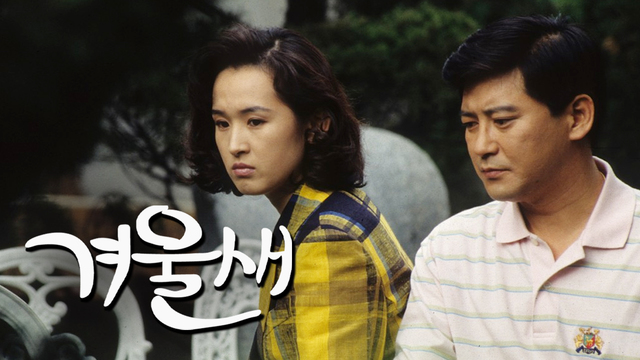
Before the polished gloss of the global Hallyu wave, there were raw, powerful stories that laid its very foundation. One such seminal work is Winter Bird (겨울새), a drama that digs deep into the psychological turmoil of a young woman trapped in a gilded cage. The story follows Young-eun, a woman who, nursing the wounds of a broken engagement, enters an arranged marriage. Instead of finding solace, she steps into a nightmare orchestrated by her relentlessly cruel and manipulative mother-in-law. The narrative is a harrowing, claustrophobic journey of abuse, endurance, and the quiet, desperate struggle for self-liberation. Aired in 1992 by the then-fledgling broadcast station SBS, this morning drama, based on the novel by the legendary writer Kim Soo-hyun and adapted for television by writer Heo Sook, became a cultural phenomenon that defined an entire genre of domestic thrillers.
Deep Cultural/Historical Insight
To a modern global audience, the premise of Winter Bird might seem extreme, but in early 90s Korea, it was a shockingly relatable reflection of a painful social reality. The drama is a raw depiction of “sijib-sari” (시집살이), a term describing the arduous life and hardships a woman traditionally endured after moving into her husband’s family home. In the deeply patriarchal structure of the time, a daughter-in-law was often at the bottom of the household hierarchy, expected to serve her husband’s parents with unquestioning obedience.
Winter Bird aired during a pivotal moment of transition. South Korea was experiencing rapid economic growth, and women were gaining more access to education and the workforce. However, a deep-seated Confucian ideology still governed domestic life. The drama masterfully captures this societal friction: the clash between a woman’s budding sense of individual identity and the oppressive weight of tradition. Young-eun’s silent suffering was not just her own; it was a voice for countless women who felt suffocated by familial expectations but lacked the social permission to speak out.
Narrative Analysis
What makes Winter Bird timeless is its focus on psychological, rather than purely physical, conflict. This is the signature of the original story by writer Kim Soo-hyun. The script eschews grand, dramatic events for the slow, meticulous horror of gaslighting and emotional manipulation. The tension builds not through action, but through razor-sharp dialogue and excruciatingly long silences. The mother-in-law’s tyranny is a masterclass in control—isolating Young-eun, twisting her words, and turning the home into a prison where every move is scrutinized. The drama forces the viewer to experience Young-eun’s growing desperation, making her eventual fight for her own life a deeply cathartic and powerful narrative arc.
The Pulse of the Time
As a morning drama, Winter Bird was primarily aimed at an audience of housewives, and it struck a powerful chord. It became an absolute sensation, achieving record-breaking popularity for its time slot. Women across the nation saw their own unspoken struggles reflected on screen. The drama wasn’t just entertainment; it was a conversation starter, bringing the taboo topic of domestic emotional abuse into the public sphere. The mother-in-law character became the national villain, a benchmark against which all future “evil mother-in-law” roles would be measured. It cemented a trope that remains a potent, if sometimes sensationalized, element in K-dramas to this day.
Cast Spotlight
- Kim Do-yeon as Young-eun: Kim Do-yeon delivered a landmark performance as the tormented protagonist. She embodied the “winter bird” of the title—fragile, trapped, and enduring a harsh emotional winter. Her ability to convey a universe of pain, quiet defiance, and flickering hope through subtle expressions made her the heart of the show and earned her immense sympathy from the public.
- Ban Hyo-jung as the Mother-in-Law (Kang Yeo-sa): This was a career-defining, legendary performance. Ban Hyo-jung portrayed the matriarch not as a one-dimensional villain but as a terrifyingly realistic figure of insidious cruelty and pathological obsession with her son. Her calm, smiling demeanor often masked the most vicious psychological attacks, making the character all the more chilling. Her portrayal was so iconic and convincing that it famously made her one of the most hated—and respected—actresses in the country at the time.
- Sami-ja as Lee Yeo-sa: Playing the first love’s mother, Sami-ja represented the unyielding opposition and traditional boundaries that the younger generation faced, adding another layer of heavy conflict to Young-eun’s struggle for happiness and selfhood.
Global Viewing Guide
Finding this 90s classic with subtitles can be a challenge, but dedicated fans of Korean drama history have a few potential avenues:
- SBS All VOD / SBS World: Check the official streaming service from the broadcaster, SBS. They sometimes make classic dramas from their archive available for international viewers.
- Official YouTube Channels: Broadcasters like SBS often run classic drama channels on YouTube (e.g., “옛날 드라마” or “Classic Drama”). Keep an eye on these for potential uploads with subtitles.
- Kocowa / Viki: While less common for dramas this old, these platforms specializing in Korean content occasionally license foundational classics. It is worth searching their libraries periodically.
Final Verdict
Winter Bird is more than just a drama; it’s a vital cultural artifact. It is essential viewing for anyone who wishes to understand the historical roots of K-drama’s most enduring themes and the social evolution of women in modern Korea. While its pacing and style are products of its time, its powerful exploration of psychological abuse and the fight for human dignity remains shockingly relevant and deeply compelling. This is a foundational piece of television history that is absolutely worth seeking out.

The KCulture Editorial Team is dedicated to providing deep insights and accurate information about the vibrant world of Korean culture.