Korean Literati Painting (Muninhwa): The Art of the Scholar’s Mind in Korea
Korean Literati Painting, known as Muninhwa (문인화), is one of the most important traditions in Korean art history. More than simply a style of painting, it was a way for scholars to express their character, philosophy, emotions, and ideals through brush and ink. Unlike professional artists who focused on technical perfection or decorative beauty, literati painters believed that a painting should reveal the spirit of both the subject and the painter.
At first glance, many literati paintings may seem surprisingly simple. A few bamboo stalks, a lonely pine tree, a sparse mountain landscape, or a single orchid painted in black ink may not appear impressive to modern viewers accustomed to colorful and highly detailed artworks. Yet behind these seemingly simple images lies a rich world of symbolism, philosophy, poetry, and self-cultivation.
To understand Korean Literati Painting is to understand how generations of Korean scholars viewed nature, morality, friendship, loyalty, and the purpose of art itself. This guide explores what Muninhwa is, why it developed, how it changed throughout history, and how modern visitors can appreciate its subtle beauty.
- What Is Korean Literati Painting?
- Why Is It Called Literati Painting?
- The Philosophy Behind Muninhwa
- The Symbolic World of Literati Painting
- Poetry, Calligraphy, and Painting as One
- How Korean Literati Painting Evolved
- Famous Masters and Their Masterpieces
- How to Appreciate Literati Paintings
- Where to See Muninhwa Today
- Related Reading
What Is Korean Literati Painting?
Literati Painting, or Muninhwa, literally means “painting by men of letters.” The term refers to paintings created by educated scholars rather than professional artists.
In traditional Korea, members of the scholar-official class devoted their lives to studying Confucian classics, serving in government, writing poetry, and cultivating moral character. Painting was considered one of the refined arts that helped develop the mind and spirit.
For these scholars, painting was not a profession. It was a form of self-expression and self-cultivation. A painting revealed the painter’s learning, values, temperament, and state of mind.
Because of this, literati painting occupies a unique position in Korean art history. It was not created for commercial purposes, royal commissions, or public display. It was often painted for personal enjoyment, intellectual exchange, or as a gift between friends.
📌 The most important thing to remember is that Korean literati painting was never intended to be a realistic record of the world. It was a visual expression of a scholar’s character, philosophy, and inner cultivation.
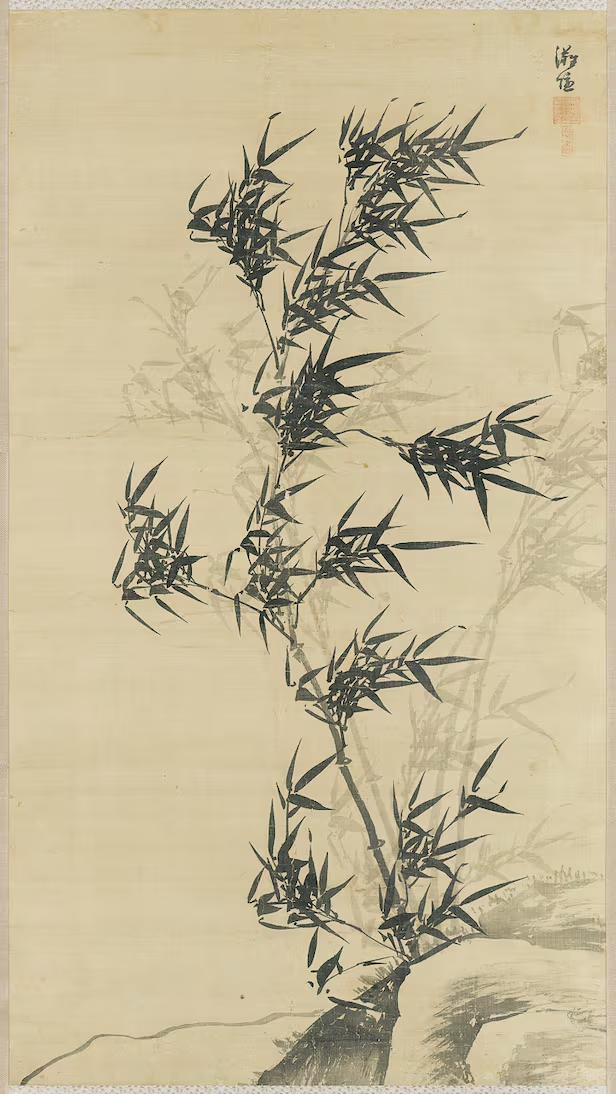
Why Is It Called Literati Painting?
The name comes from the word “munin” (문인), meaning a learned scholar or man of letters.
During the Joseon Dynasty, the ruling elite consisted largely of scholar-officials known as the yangban. These educated men were expected to master literature, philosophy, calligraphy, poetry, and the arts.
Painting was viewed as an extension of scholarship. A scholar who painted was demonstrating not artistic ambition but intellectual refinement.
This distinguished literati painters from professional court painters known as hwawon. Court painters produced highly skilled and often colorful works for the royal court and government institutions. Literati painters, by contrast, emphasized personal expression over technical perfection.
As a result, the quality most admired in a literati painting was not realism or beauty but “mun-gi,” often translated as scholarly spirit or literary elegance.
For Joseon scholars, Mungi (문기) represented far more than artistic talent. It referred to the intellectual depth, moral character, refined taste, and philosophical cultivation that naturally radiated through a painting. A technically imperfect work could still be highly admired if it possessed strong Mungi.
This distinction becomes even clearer when compared to the Hwawon (화원), the professional court painters employed by the royal court. While court painters were trained to produce highly detailed and decorative works for official purposes, literati painters approached art as an extension of scholarship and self-cultivation.
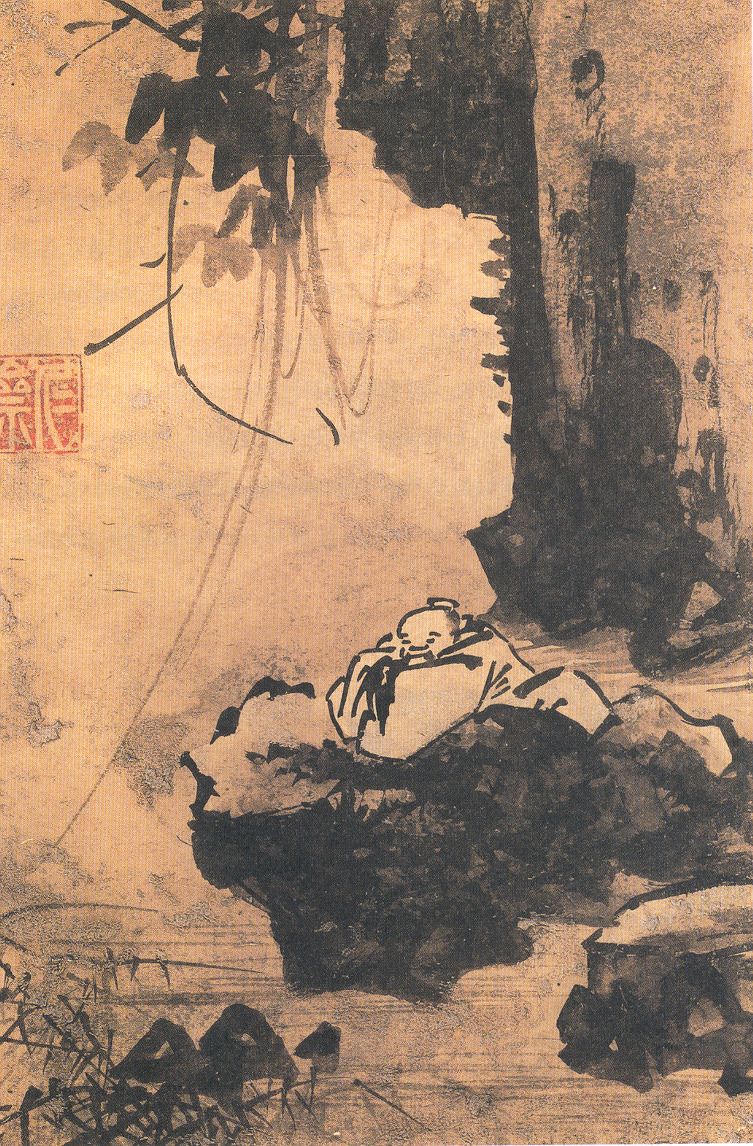
The Philosophy Behind Muninhwa
The core philosophy of literati painting can be summarized through two concepts.
Hyeongsa (형사): Representing Physical Form
This approach focuses on accurately depicting how something looks.
Professional painters often emphasized precise detail, realistic proportions, and decorative beauty.
Saui (사의): Expressing the Inner Meaning
Literati painters prioritized expressing the spirit, essence, and deeper meaning of a subject.
Rather than asking, “Does this bamboo look realistic?” they asked, “Does this bamboo convey integrity and strength?”
This difference is fundamental. A literati painting could appear rough, unfinished, or even awkward by conventional artistic standards, yet still be considered a masterpiece if it successfully conveyed the artist’s spirit.
Brushstrokes became a reflection of character. Ink became a vehicle for philosophy.
The Symbolic World of Literati Painting
Literati painters rarely chose subjects at random. Most images carried symbolic meaning connected to Confucian values, personal virtues, or philosophical ideals.
The Four Gentlemen (Sagunja)
The most important theme in Korean literati painting is the Four Gentlemen, known as Sagunja (사군자).
| Subject | Symbolic Meaning |
|---|---|
| Plum Blossom | Perseverance and hope |
| Orchid | Elegance and purity |
| Chrysanthemum | Integrity and independence |
| Bamboo | Moral strength and flexibility |
These plants were admired because they embodied the virtues that scholars sought to cultivate within themselves.
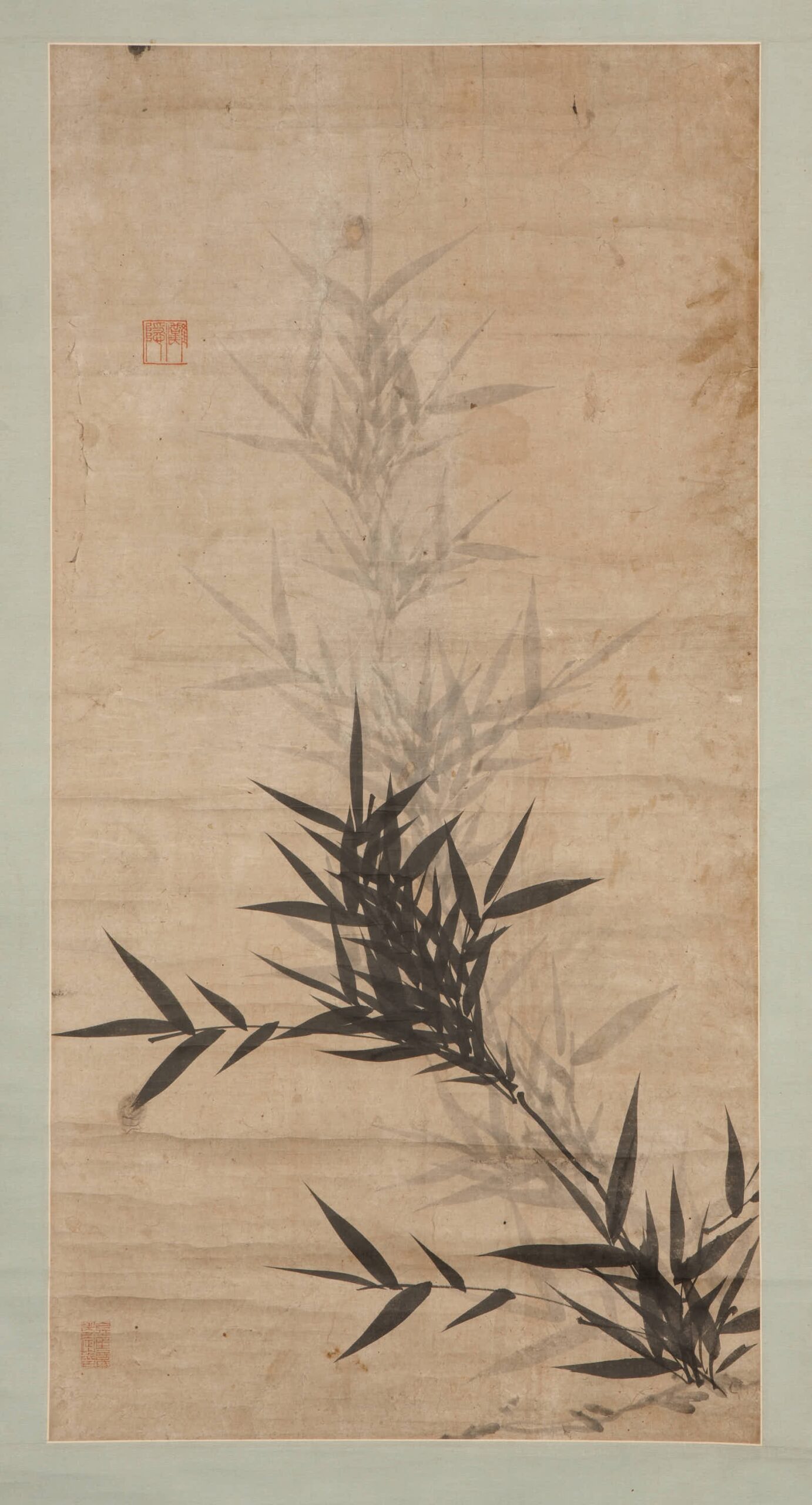
Bamboo
Bamboo was perhaps the most beloved subject of all.
It bends in strong winds but does not break. It remains green throughout the winter.
For generations of Korean scholars, bamboo symbolized a person who remained principled and resilient regardless of circumstances.
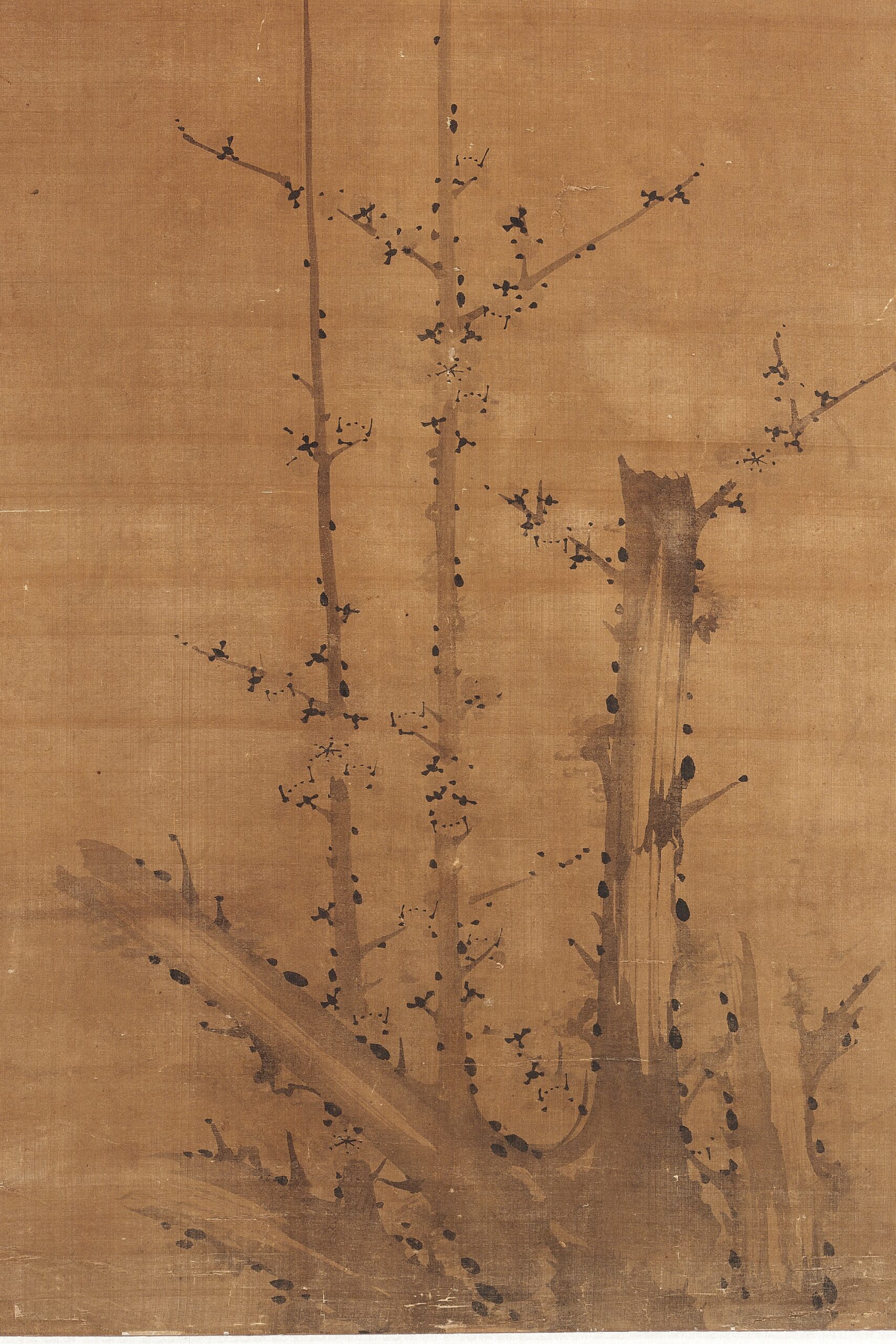
Plum Blossoms
Plum blossoms bloom while winter still lingers.
They symbolize endurance, hope, and the ability to thrive despite hardship.
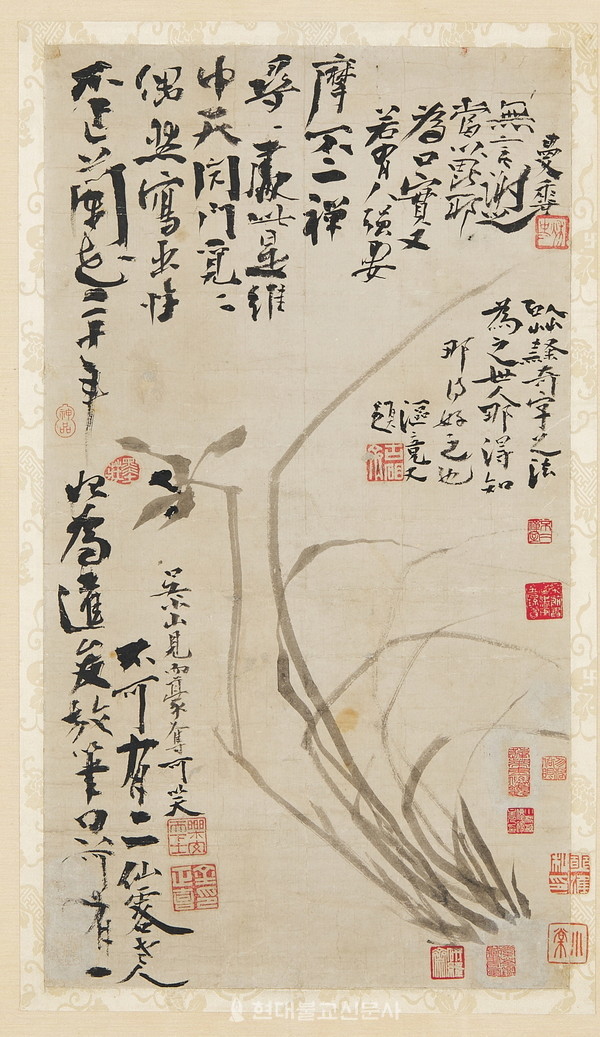
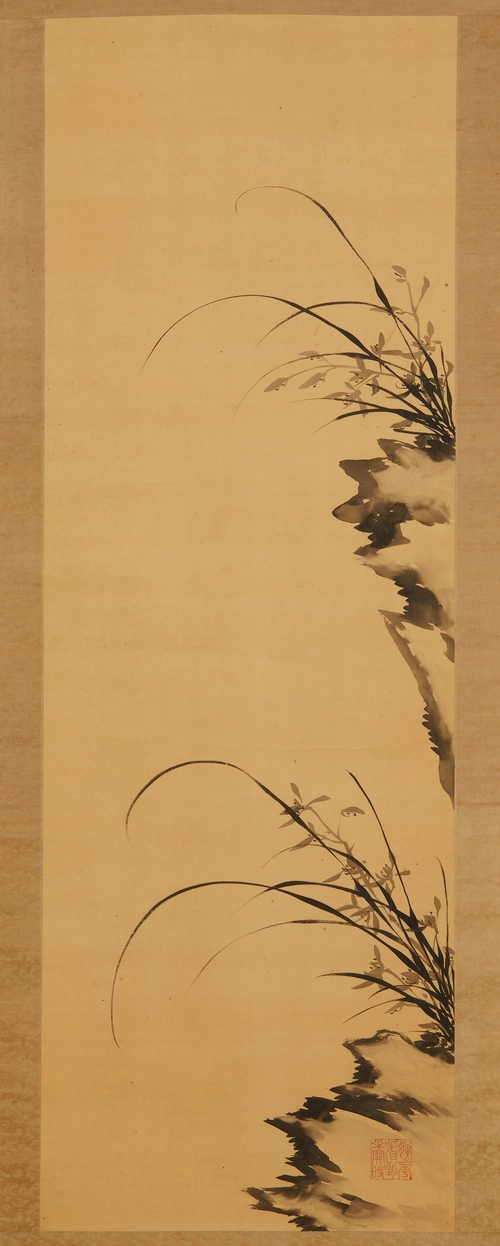
Orchids
Wild orchids often grow hidden deep within remote valleys.
They symbolize modesty, elegance, and virtue that exists even without recognition.
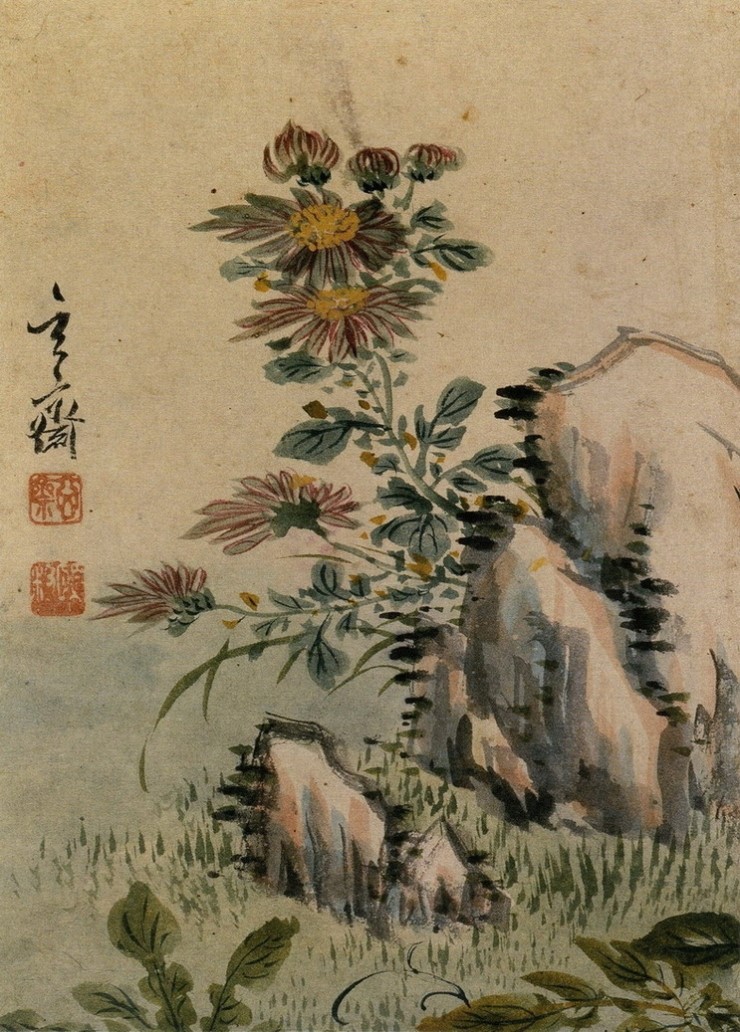
Chrysanthemums
Blooming late in autumn, chrysanthemums became symbols of loyalty to one’s principles even during difficult times.
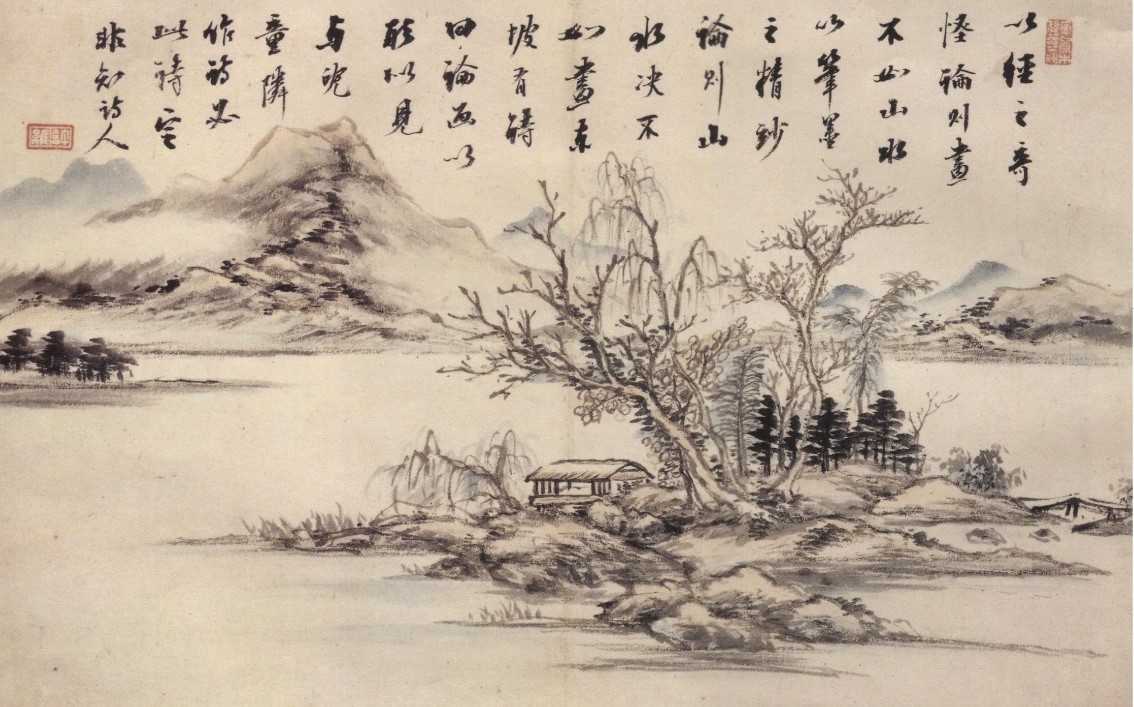
Landscape Paintings
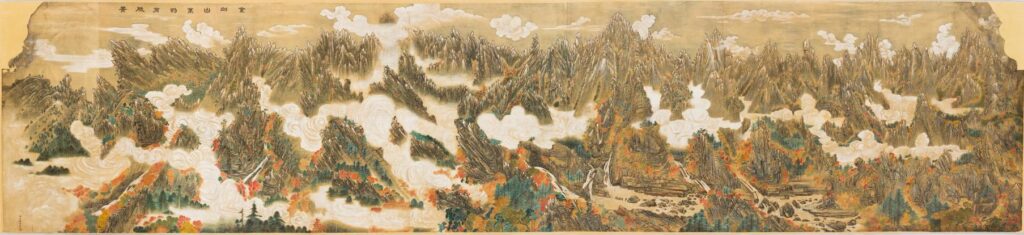
Many literati landscapes were not intended as accurate records of real places.
Instead, they represented idealized worlds where scholars could retreat from politics and worldly concerns.
Mountains, rivers, waterfalls, and pavilions became symbols of harmony between humanity and nature.
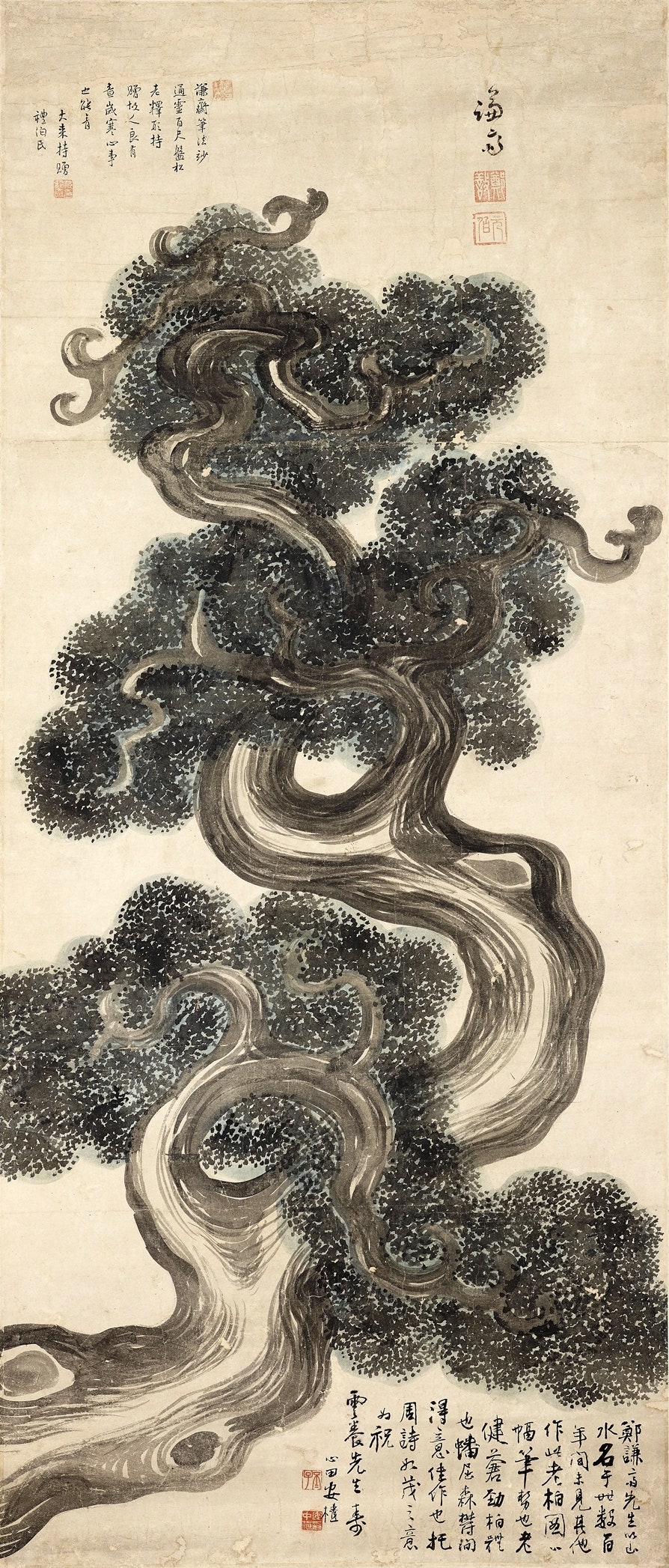
Old Trees and Rocks
Paintings of weathered trees and rugged rocks symbolized endurance, resilience, and moral strength.
Their seemingly harsh appearance reflected the hardships that scholars often faced throughout their lives.
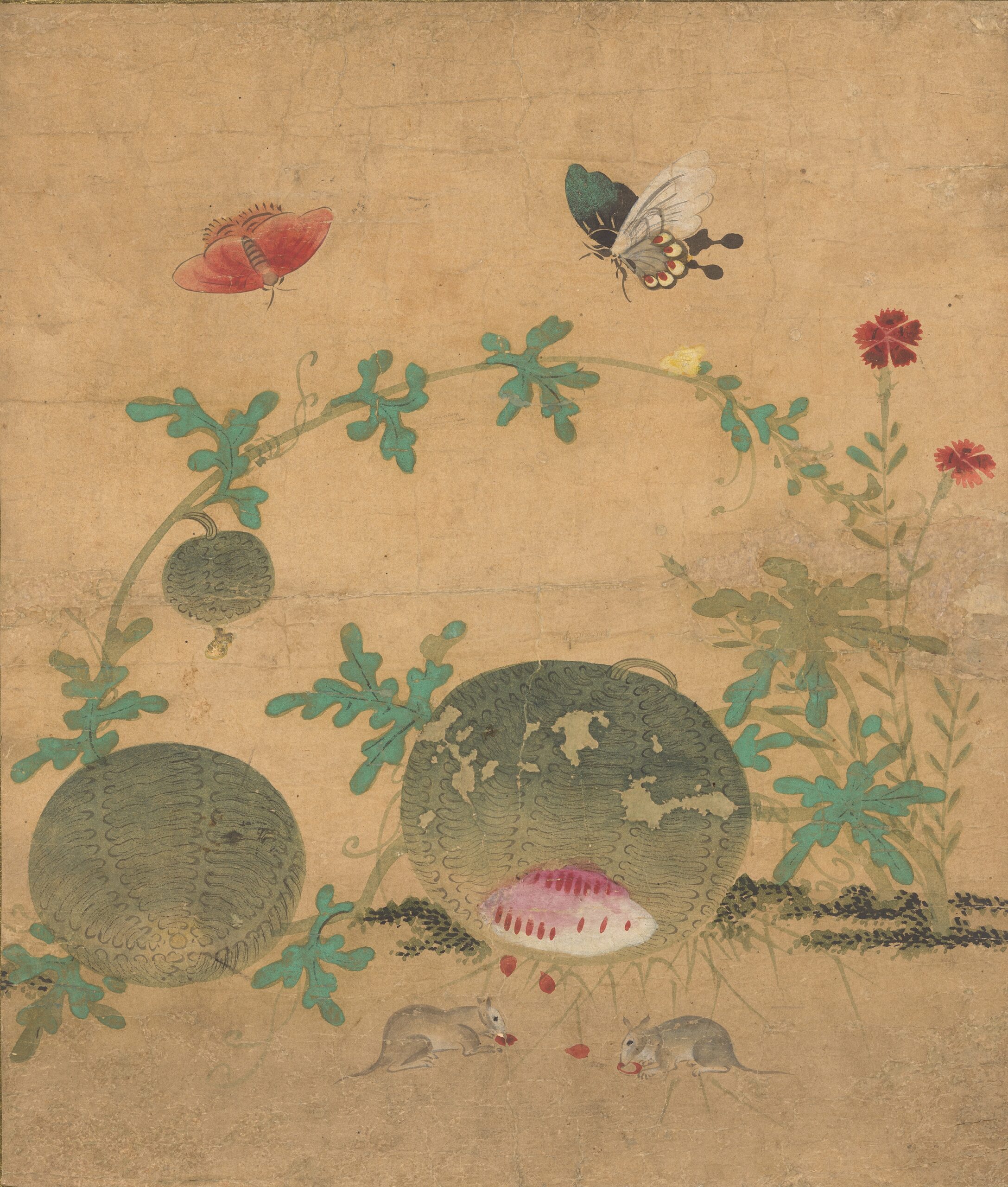
Grass-and-Insect Paintings
Simple plants and insects became reminders that beauty could be found in ordinary life.
These paintings often celebrated humility and appreciation for nature’s small wonders.
Poetry, Calligraphy, and Painting as One
One of the most distinctive features of literati painting is that it combines multiple art forms into a single work.
In East Asian artistic tradition, painting was closely connected to poetry and calligraphy.
After completing a painting, the artist would often write a poem or personal inscription directly onto the artwork and add a seal impression.
This created what is often called the “Three Perfections.”
- Poetry (Shi)
- Calligraphy (Seo)
- Painting (Hwa)
Each element enhanced the others.
The poem revealed the artist’s thoughts.
The calligraphy revealed personality.
The painting provided visual expression.
Together, they created a complete cultural statement.
This integration of visual art, literature, and calligraphy remains one of the defining characteristics of Korean literati painting.
How Korean Literati Painting Evolved
Goryeo Dynasty (918–1392)
The foundations of literati painting entered Korea through cultural exchanges with China.
During this period, members of the aristocracy began embracing painting as a refined intellectual pursuit.
Few works survive today, but the philosophical foundations of the tradition were established.
Important figures include King Gongmin and Yi Je-hyeon.
Early Joseon Dynasty (1392–1550)
With Neo-Confucianism becoming the foundation of the state, scholar culture flourished.
Painting became an important component of self-cultivation among the educated elite.
The most important early master was Gang Hui-an.
His masterpiece Gosa Gwansudo depicts a scholar quietly observing flowing water, expressing harmony with nature and detachment from worldly ambition.
Middle Joseon Dynasty (1550–1700)
Political turmoil and warfare profoundly affected Korean society.
Many scholars turned toward nature and personal reflection.
Subjects such as bamboo, orchids, and plum blossoms became increasingly popular because they symbolized resilience and integrity.
Important painters included Yi Jeong and Shin Saimdang.
Yi Jeong’s bamboo paintings became famous for their energetic brushwork and symbolic power.
Shin Saimdang’s grass-and-insect paintings remain among the most beloved works in Korean art history.
Late Joseon Dynasty (1700–1850)
This period is often regarded as the golden age of Korean literati painting.
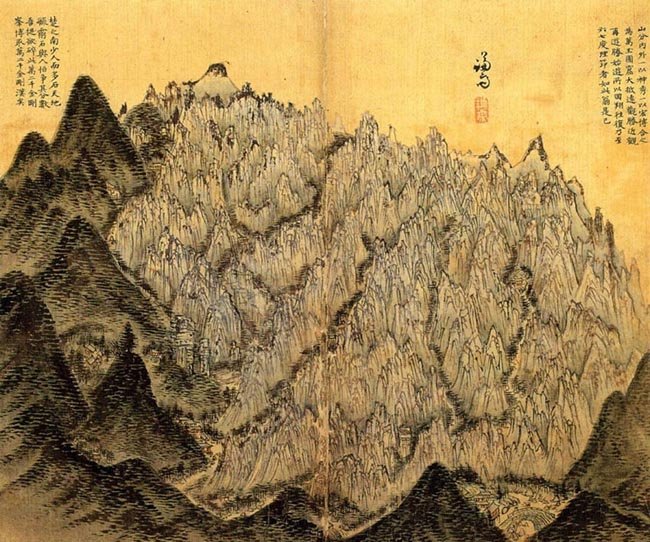
Scholars increasingly sought to depict Korea’s actual landscapes rather than idealized Chinese-inspired scenery.
This movement became known as True-View Landscape Painting (Jingyeong Sansuhwa).
Among the most important figures was Jeong Seon.
His paintings transformed Korean landscape art by celebrating the unique beauty of Korea’s mountains and rivers.
Late Joseon and the Chusa School (1800s)
The final great chapter of Korean literati painting was shaped by Kim Jeong-hui, better known as Chusa.
Under his influence, painting became increasingly expressive, minimalist, and philosophical.
Brushwork itself became a vehicle for intellectual and emotional expression.
Many art historians consider this period the spiritual culmination of Korean literati painting.
Famous Masters and Their Masterpieces
Readers interested in two of the most influential figures in Korean literati painting, Jeong Seon and Kim Jeong-hui (Chusa), can explore them in greater depth in our feature article: Jeong Seon & Chusa: Joseon Literati Painting Masterpieces.
| Artist | Masterpiece | Significance |
|---|---|---|
| Gang Hui-an | Gosa Gwansudo | Early Joseon literati ideals |
| Yi Jeong | Pungjukdo | Bamboo as moral strength |
| Shin Saimdang | Chochungdo | Harmony in ordinary nature |
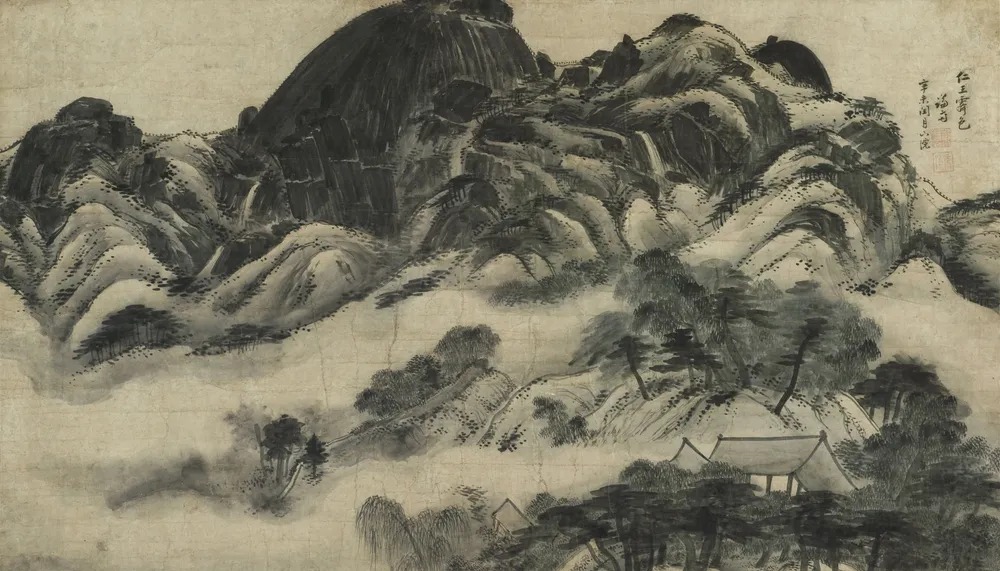
| Jeong Seon | Inwang Jesaekdo | True-view Korean landscapes |
| Yi In-sang | Seolsongdo | Integrity symbolized by pine trees |
| Kim Jeong-hui | Sehando | The pinnacle of Korean literati painting |
Jeong Seon’s Inwang Jesaekdo
One of the most famous paintings in Korean history, this masterpiece depicts Inwangsan Mountain (인왕산) after rain.
The bold brushwork and dramatic composition transformed an actual Korean landscape into a profound artistic statement.
Kim Jeong-hui’s Sehando
If there is a single work that captures the spirit of Korean literati painting, it is Sehando (세한도).
Created while Kim Jeong-hui was exiled on Jeju Island (제주도), the painting depicts a simple winter scene with a few evergreen trees and a modest structure.
The painting was dedicated to a loyal student who continued sending books and support during Kim’s exile.
Its sparse composition, dry brushwork, and emotional restraint embody the deepest values of literati culture: loyalty, friendship, integrity, and perseverance.
Modern viewers often find it surprising that such a simple image is considered one of Korea’s greatest masterpieces.
Yet this simplicity is precisely the point. The painting’s power lies not in visual complexity but in spiritual depth.
How to Appreciate Literati Paintings
Many first-time viewers approach literati paintings expecting realistic imagery or decorative beauty.
However, appreciating Muninhwa requires a different mindset.
💡 Pro Tip: When viewing a painting of bamboo, orchids, or pine trees, follow the energy of the brushstrokes rather than focusing only on the subject itself. The speed, pressure, and rhythm of the ink often reveal the painter’s emotional state and personality.
Look Beyond Realism
Ask what the subject symbolizes rather than whether it looks realistic.
Observe the Brushwork
The energy, confidence, and rhythm of brushstrokes often reveal more than the image itself.
Read the Inscription
The accompanying poem or written commentary frequently provides essential context.
Consider the Empty Space
In literati painting, empty space is never truly empty.
It may represent mist, distance, silence, contemplation, or limitless possibility.
💡 Pro Tip: When viewing a literati painting, imagine you are reading a poem rather than looking at a photograph. The goal is not to reproduce reality but to evoke thought and feeling.
Where to See Muninhwa Today
Many of Korea’s finest literati paintings are preserved in museums and collections throughout the country.
- National Museum of Korea (국립중앙박물관)
- Leeum Museum of Art (리움미술관)
- Kansong Art Museum (간송미술관)
- Ho-Am Art Museum (호암미술관)
Because many works are centuries old and highly sensitive to light, some masterpieces are displayed only during special exhibitions.
Checking exhibition schedules before visiting can greatly improve your chances of seeing important works.
📌 Local Note: The Calligraphy and Painting Gallery at the National Museum of Korea (국립중앙박물관) is one of the best places to encounter original literati paintings. The quiet atmosphere and thoughtful exhibition design help visitors appreciate the meditative nature of these works.
Related Reading
To gain a broader understanding of Korean painting traditions, these articles provide excellent next steps:
- The Guide to Traditional Korean Painting History
- Minhwa: The Guide to Korea’s “Pop Art” Tradition
- Discover Pungsokhwa: Masterpieces of Korean Genre Painting
- Jeong Seon & Chusa: Joseon Literati Painting Masterpieces
- The Art Inside Korean Won Banknotes
Korean Culture portal KCulture.com

Founder of Kculture.com and MA in Political Science. He shares deep academic and local insights to provide an authentic perspective on Korean history and society.