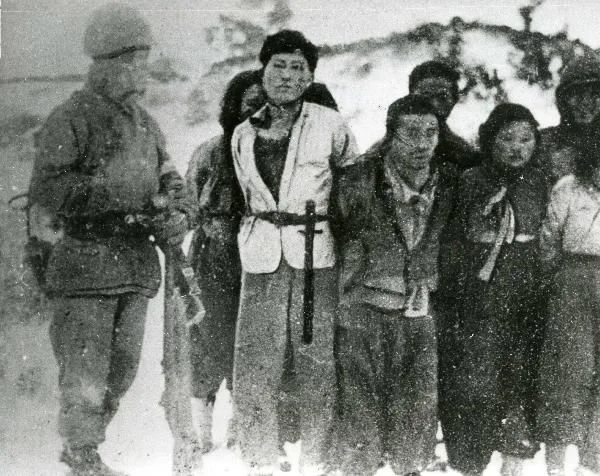
Korean literature in English offers a profound exploration of modern history, deeply rooted in the unique cultural emotion of Han (한) and the intense psychological isolation of contemporary society. For readers looking to explore beyond Han Kang’s Nobel Prize-winning works, the best starting points include globally acclaimed novels like Shin Kyung-sook’s Please Look After Mom (엄마를 부탁해), national epics like Park Kyong-ni’s Land (토지), and highly-rated hidden gems like Yang Gui-ja’s A Distant and Beautiful Place (원미동 사람들).
Living in Korea, I often see international friends and visitors overwhelmed by the sheer volume of translated fiction now available. While the recent global awards have brought unprecedented attention to our literary scene, Korean storytelling is not defined by a single genre. From sweeping historical epics to psychological thrillers and brilliant speculative fiction, our literature captures the resilience of a nation that endured colonization, war, and rapid modernization. This guide breaks down everything from globally acclaimed authors to the beloved national masterpieces every Korean studies in school, helping you find the perfect entry point into the world of Korean literature.
- Why Korean Literature Is Gaining Global Attention
- Understanding the Heart of Korean Literature: The Concept of Han
- Award-Winning Korean Authors to Start With
- The Korean Literary Canon: Masterpieces Every Reader Should Know
- Hidden Gems of Korean Literature You Shouldn’t Miss
- A Reading Roadmap for New Readers
- Explore More of Korean Culture
Why Korean Literature Is Gaining Global Attention
For many years, Korean literature remained largely unknown outside the peninsula despite its deep history. One primary reason was simply accessibility—compared with Japanese or European literature, relatively few Korean novels had high-quality English translations before the 2000s.
That landscape has changed dramatically. A surge in exceptional translations, intertwined with the explosive global interest in Korean culture (films, dramas, and K-pop), has introduced our authors to a worldwide audience. Today, it is common to see Korean novels winning or being shortlisted for prestigious international accolades like the Nobel Prize in Literature, the International Booker Prize, and the Man Asian Literary Prize.
💡 Pro Tip: If you are visiting Seoul and want to pick up translated works, head to the massive Kyobo Book Centre (교보문고) in Gwanghwamun. They have an entire, continually expanding section dedicated solely to “Korean Literature in English,” where you can find nearly every book mentioned in this guide.

Understanding the Heart of Korean Literature: The Concept of Han
To truly appreciate Korean literature, it helps to understand the historical backdrop and emotional currents that shape our narratives. Modern Korea experienced Japanese colonial rule, national division, the Korean War, military dictatorship, and one of the fastest economic transformations in human history. These events directly shape the lives of ordinary people in our fiction.
The Emotion of Han (한)
One concept frequently discussed in Korean arts is Han (한). There is no perfect English translation. Han combines grief, deep-seated injustice, longing, regret, and quiet hope. It is not simply despair. Instead, it reflects emotional wounds carried across generations while continuing to live with dignity, resilience, and compassion. Understanding Han helps readers appreciate why Korean novels often balance devastating tragedy with an unbreakable will to survive.
Modern Loneliness
Contemporary Korean fiction also explores universal themes born from our hyper-competitive society: urban isolation, generational conflict, mental health, and the changing dynamics of family relationships. These subjects make contemporary Korean literature surprisingly accessible, even if you know very little about our political history.
Award-Winning Korean Authors to Start With
If you are completely new to Korean literature, these internationally recognized authors provide excellent, compelling entry points.
| Author | Recommended Book | Why Read It |
|---|---|---|
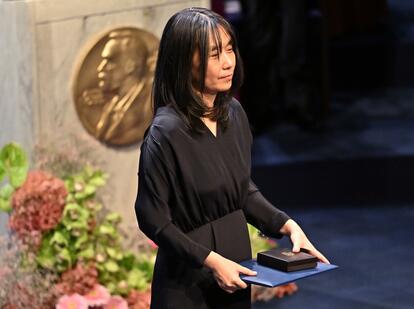
| Han Kang | The Vegetarian, Human Acts | Poetic prose exploring violence, trauma, and human dignity. A Nobel Laureate’s essential works. |
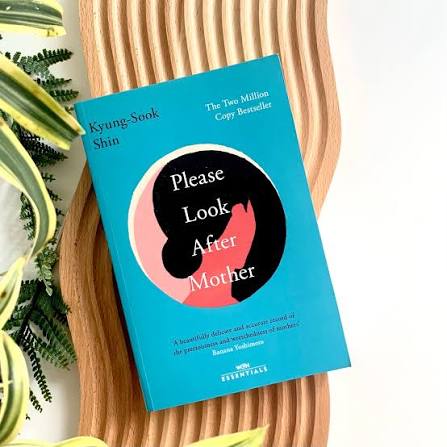
| Shin Kyung-sook | Please Look After Mom | A moving family novel that became an international bestseller and won the Man Asian Literary Prize. |
| Kim Young-ha | Diary of a Murderer (살인자의 기억법) | A brilliant psychological thriller with philosophical depth and unforgettable twists. |
| Hwang Sok-yong | Mater 2-10 (철도원 삼대), The Guest | Korea’s greatest living realist novelist, masterfully chronicling modern history. |
| Cho Nam-joo | Kim Jiyoung, Born 1982 (82년생 김지영) | An influential cultural phenomenon examining gender inequality in contemporary Korea. |
| Bora Chung | Cursed Bunny (저주토끼) | Inventive speculative fiction blending horror, sharp satire, and modern folklore. |
| Cheon Myeong-kwan | Whale (고래) | A magical realist masterpiece full of dark humor, imagination, and social commentary. |
The Korean Literary Canon: Masterpieces Every Reader Should Know
While international readers often discover Korean literature through recent global hits, we Koreans frequently point to a different group of books as our true foundation. These are the monumental classics taught in our high schools and cherished across generations.
Park Kyong-ni: Land (Toji)
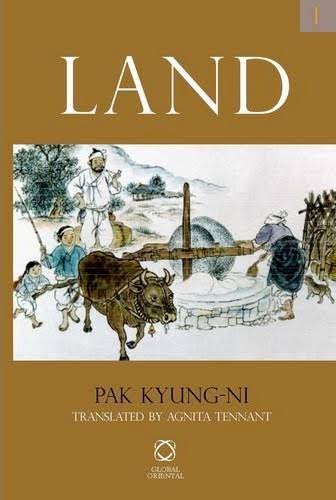
If there is one novel universally described as the absolute pinnacle of Korean literature, it is Park Kyong-ni’s Land (토지). Spanning twenty volumes, this massive epic follows several generations from the late 19th-century Donghak Peasant Revolution through the Japanese colonial period. It is less about political leaders and more about how ordinary people survive loss and displacement while preserving their humanity. For Koreans, it is the ultimate literary expression of Han.
Park Wan-suh: Who Ate Up All the Shinga?
Few writers captured the emotional aftermath of the Korean War with as much warmth and honesty as Park Wan-suh. Her autobiographical novel, Who Ate Up All the Shinga? (그 많던 싱아는 누가 다 먹었을까), recalls her childhood destroyed by war. Instead of battlefield heroics, she focuses on family meals, lost youth, and the struggle to forge a female identity amidst ruin.
Jo Jung-rae: The Taebaek Mountains
Understanding modern Korea is impossible without understanding our division. The Taebaek Mountains (태백산맥) by Jo Jung-rae delves fearlessly into the ideological conflicts between liberation and the Korean War. Set in the Jirisan mountains, it portrays communities torn apart by competing ideologies, helping readers understand why the war still echoes in Korean society today.
Choi In-hun: The Square
Published in 1960, The Square (광장) is the classic cornerstone of Korean division literature. The protagonist experiences the isolating individualism of South Korea (the “closet”) and the rigid ideology of North Korea (the “square”), ultimately finding himself unable to belong to either. It remains a profound exploration of existential loneliness.
Hidden Gems of Korean Literature You Shouldn’t Miss
Beyond the international hits and historical epics lies a rich world of hidden gems. These novels are passionately loved by Korean readers and have been beautifully translated, yet remain relatively undiscovered by general Western audiences.
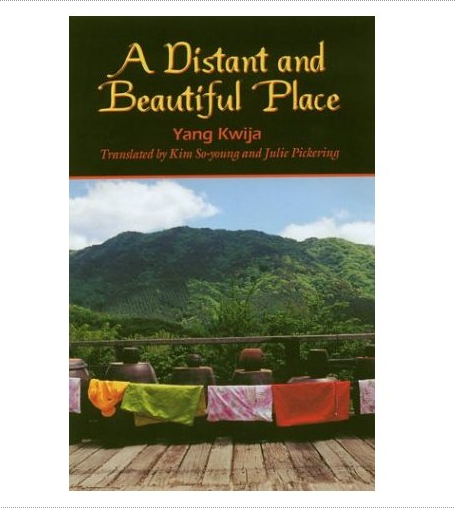
Yang Gui-ja: A Distant and Beautiful Place
If you want to understand the heartbeat of everyday Korea during our rapid 1980s industrialization, read Yang Gui-ja’s collection. Following the lives of shop owners and struggling families pushed to the outskirts of Seoul (Wonmi-dong), it perfectly captures the sorrow, humor, and warm humanism of the Korean working class.
Yun Heung-gil: The Rainy Spell
Widely considered one of the greatest short stories in our literary history, The Rainy Spell (장마) views the Korean War through a child’s eyes. With one uncle fighting for the South and another for the Communist North, two grandmothers clash bitterly under one roof. The conflict is ultimately resolved through traditional Korean shamanism and profound maternal love.
Ch’oe Yun: There a Petal Silently Falls
Dealing with the trauma of the 1980 Gwangju Uprising, There a Petal Silently Falls (저기 소리없이 한 점 꽃잎이 지고) follows a young girl driven to madness by state violence. Its experimental, poetic prose elevates horrific historical tragedy into overwhelming art. It is the perfect companion piece to Han Kang’s Human Acts.
Choi Jin-young: A Proof of Gu
Moving away from historical trauma, A Proof of Gu (구의 증명) is a recent word-of-mouth sensation among young Koreans. Set against a backdrop of ruthless capitalist violence, it is a bizarre, breathtakingly pure exploration of grief, where a protagonist consumes her dead lover to possess him forever. It’s a stunning piece of modern psychological fiction.
A Reading Roadmap for New Readers
If you’re building your own Korean literature collection, diving straight into a 20-volume historical epic might be intimidating. Here is the path we generally recommend for newcomers:
- Step 1: Start with Emotional Accessibility. Read Please Look After Mom or Who Ate Up All the Shinga? to understand the core values of the Korean family.
- Step 2: Explore Modern Society. Read Kim Jiyoung, Born 1982 or the thriller Diary of a Murderer to grasp contemporary Korean anxieties.
- Step 3: Dive into Global Literary Masters. Challenge yourself with Han Kang’s The Vegetarian or Bora Chung’s Cursed Bunny.
- Step 4: Uncover the Historical Epics. Once you understand the cultural context, tackle masterpieces like The Square or The Taebaek Mountains.
📌 Local Note: Exploring physical sites in Korea can profoundly deepen your reading experience. Visiting royal tombs or historical landmarks brings the settings of these sweeping epics to life.
Explore More of Korean Culture
Literature is just one pathway into the Korean soul. Deepen your understanding of our history, arts, and landscapes through our related local guides:
- Understanding Muninhwa and Korea’s Scholar Artists
- Traditional Korean Fans: History, Art, and Cultural Meaning
- The Real Sword of K-Pop Demon Hunters: Saingeom History
- Exploring Donggureung: Korea’s Largest Royal Tombs
- Top 10 Autumn Festivals in South Korea to Experience in 2026
- Maekmundong: The Secret Purple Flowers of Korean Summer
- Korean Mudflat Experience: Clam Digging Guide
Korean Culture portal KCulture.com
Founder of Kculture.com and MA in Political Science. He shares deep academic and local insights to provide an authentic perspective on Korean history and society.