Introduction: Your Go-To Dish for a Hot Summer Day
When the Korean summer heat arrives, locals turn to one of the most beloved dishes to cool down: Bibim-guksu. Translating to “mixed noodles,” this vibrant dish is a quintessential summer meal, enjoyed for its refreshing qualities and incredibly satisfying flavors. Unlike hot noodle soups, Bibim-guksu is served cold, making it the perfect antidote to a sweltering day. Its taste profile is a masterful dance of spicy, sweet, and tangy notes, primarily derived from its iconic gochujang-based sauce. It’s a quick, simple, yet profoundly flavorful dish that you’ll find in homes and restaurants all across the country as soon as the weather warms up.
Ingredients & Flavor Profile
Key Ingredients: A Symphony of Textures
The beauty of Bibim-guksu lies in its simplicity and the delightful contrast of textures. The main components work in perfect harmony:
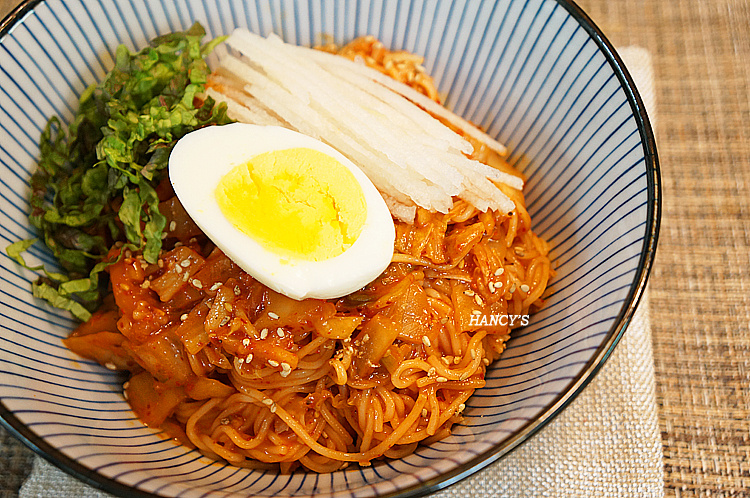
- Thin Wheat Noodles (Somen): These delicate, chewy noodles are the perfect vessel for the rich sauce.
- Crisp Cucumber: Julienne-cut cucumber adds a refreshing crunch and a cool, hydrating element.
- Fresh Lettuce: Provides a soft yet crisp texture and a fresh, clean taste.
- Boiled Egg: Typically served as a half, a boiled egg adds a creamy texture and a boost of protein that balances the dish’s spice.
The Secret of Taste: The Magic of Bibim Sauce
The soul of Bibim-guksu is its addictive sauce. The flavor is a perfect balance achieved through a few key Korean pantry staples:
- Gochujang (Korean Chili Paste): This fermented chili paste provides a deep, savory spiciness and a beautiful crimson color.
- Vinegar: Adds a sharp, tangy kick that cuts through the richness and makes the dish incredibly refreshing.
- Sugar: Balances the spice and tang with a necessary touch of sweetness, creating a complex and well-rounded flavor.
- Sesame Oil: A drizzle at the end provides a nutty aroma and a smooth, savory finish that ties everything together.
Dietary Information for Travelers
Bibim-guksu is an excellent choice for vegetarians and can easily be made vegan. The core components—noodles, vegetables, and the sauce—are naturally plant-based. The only non-vegan ingredient is the standard boiled egg topping. To enjoy a fully vegan version, simply ask the restaurant to hold the egg by saying, “Dalgyal bbae-juseyo” (Please leave out the egg). This makes it one of the most accessible and delicious vegetarian-friendly dishes in Korean cuisine.
How It’s Cooked and Served
As a classic single-dish meal, the preparation of Bibim-guksu focuses on creating the perfect harmony between cold noodles and zesty sauce. The process begins with cooking the thin somen noodles until they are perfectly chewy. They are then immediately rinsed and shocked in ice-cold water, a critical step that ensures they remain firm and delightfully springy. While the noodles chill, the signature spicy, sweet, and tangy sauce is prepared. To serve, a generous portion of the cold noodles is placed in a large bowl and topped with fresh, crisp vegetables like cucumber and lettuce. The vibrant red sauce is spooned over the top, and a boiled egg half is added as a final touch. The dish arrives at your table unmixed, allowing you to have the pleasure of tossing everything together until every strand of noodle is coated in the delicious sauce.
This is a standard method based on general recipes. Every restaurant has its own secret twist and unique style!
Nutritional & Health Benefits
Beyond its fantastic taste, Bibim-guksu offers several health perks. The fresh cucumbers and lettuce provide excellent hydration and dietary fiber, which is especially beneficial during hot weather. The carbohydrates from the somen noodles offer a quick source of energy to beat the summer lethargy. Finally, the addition of a boiled egg makes the meal more substantial by providing a high-quality source of protein, helping to keep you full and satisfied.

The KCulture Editorial Team is dedicated to providing deep insights and accurate information about the vibrant world of Korean culture.