Anti-Aging Medical Tourism in Korea: Stem Cells, Deep Plane Facelifts, and Premium Care
As of August 2026, South Korea’s medical tourism industry for international patients over 50 focuses on “Luxury Medical Aging,” combining advanced deep plane facelifts with legally regulated autologous stem cell therapies. Rather than artificial skin tightening, Korean specialists restore structural youth through deep anatomical repositioning and cellular tissue regeneration. This comprehensive guide details the most effective procedures, day-by-day recovery timelines, estimated costs, and essential safety updates for medical travelers planning their journey.
- Why Global Patients Choose Korea for Advanced Anti-Aging
- Korea’s Strength in Regenerative Medicine
- Deep Plane Facelift: The New Gold Standard
- Popular Procedures and 2026 Cost Estimates
- 14-Day Recovery Timeline and VIP Premium Care
- Essential Safety Guidelines and Travel Updates
- Frequently Asked Questions (FAQ)
- Explore More Korean Medical Guides
Why Global Patients Choose Korea for Advanced Anti-Aging
For middle-aged and senior patients traveling from North America, Europe, the Middle East, and Southeast Asia, the appeal of Korean medical tourism has shifted from simple cosmetic enhancements to comprehensive rejuvenation. Patients are no longer looking for dramatic, artificial changes. Instead, the goal is subtle, long-lasting improvement that helps them look naturally younger and more energetic.
A major advantage is the sheer concentration of highly experienced specialists. In specialized hubs like the Gangnam Medical District (강남 의료관광특구), patients can find internationally recognized plastic surgeons, dermatologists, regenerative medicine experts, and VIP health screening centers within a relatively small radius. This infrastructure makes it possible to seamlessly combine consultations, major surgery, and intensive recovery programs during a single visit.
Korea’s Strength in Regenerative Medicine
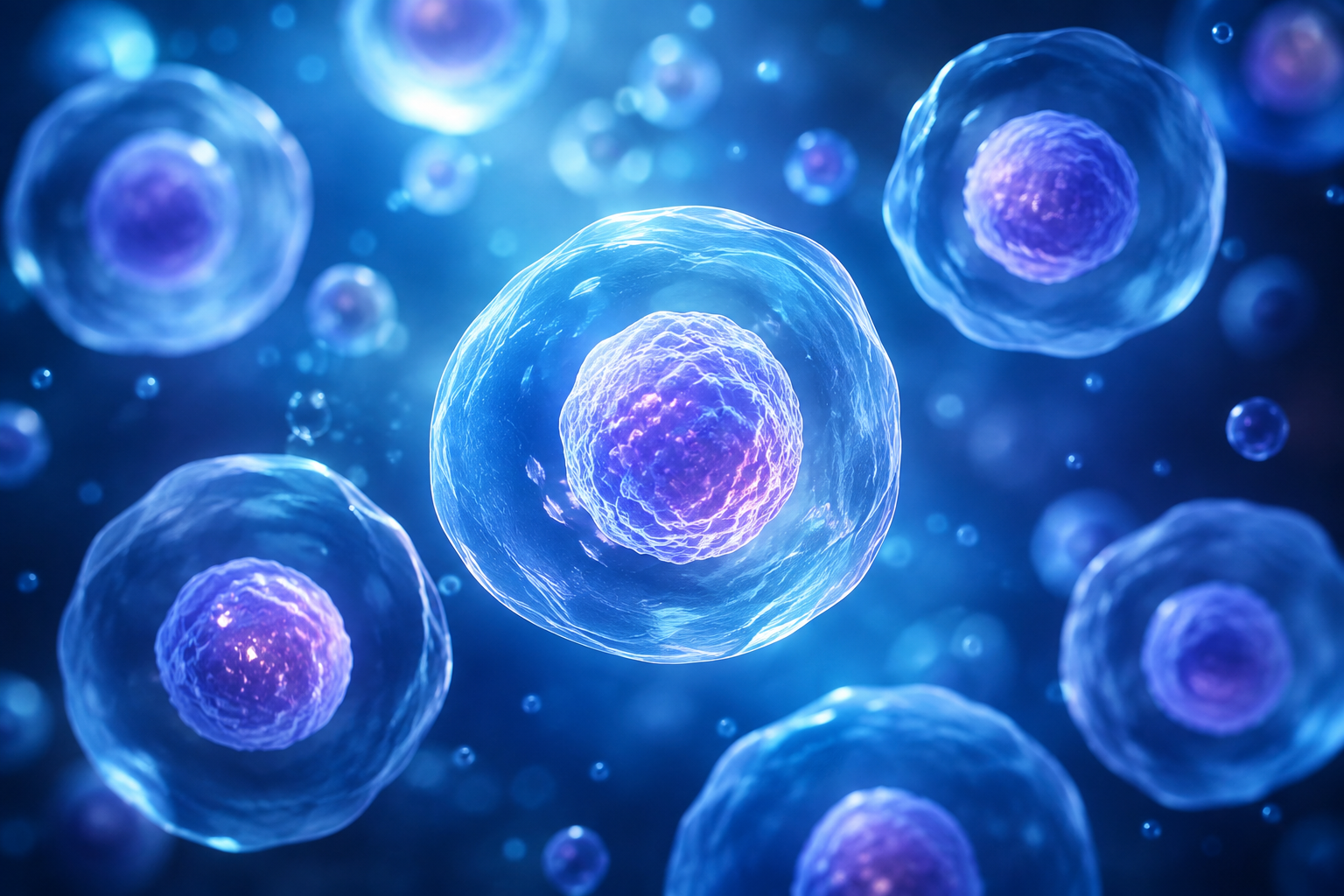
One of the biggest shifts in Korean anti-aging medicine is the integration of regenerative treatments with traditional aesthetic surgery. Under the Advanced Regenerative Bio Act, South Korea maintains a strict regulatory environment to ensure safety and ethical practices.
For anti-aging purposes, Korean clinics utilize autologous (the patient’s own) biological materials rather than donor cells. This drastically reduces the risk of immune rejection while maximizing tissue regeneration. The gold standard is the non-cultured method, where cells are extracted, processed, and administered on the same day.
| Regenerative Treatment | General Purpose | Typical Application |
|---|---|---|
| Autologous SVF (Stromal Vascular Fraction) | Maximizes dermal collagen production and tissue regeneration | Combined with fat grafting or deep plane facelifts to dramatically improve cell survival rates. |
| Platelet-Rich Plasma (PRP) | Growth factor delivery for skin remodeling | Improves overall skin quality, tone, and healing speed. |
| Autologous Fat Grafting | Volume restoration without synthetic fillers | Restoring hollow cheeks, temples, and under-eye areas. |
💡 Medical Notice: Regenerative therapies are designed to support tissue healing and skin quality. They are not magic treatments that completely reverse aging, and results vary depending on individual genetics, overall health, and lifestyle factors like smoking.
Deep Plane Facelift: The New Gold Standard
For patients over the age of 50, the most transformative surgical procedure offered in Korea is the Deep Plane Facelift. Traditional facelifts primarily pull the superficial skin, which can sometimes result in an unnatural, overstretched “wind-blown” appearance.
In contrast, Korean board-certified surgeons utilize the Deep Plane technique to release key facial retaining ligaments and reposition the deeper SMAS (Superficial Musculoaponeurotic System) layer. This addresses the structural root of jowls, severe nasolabial folds, and neck wrinkles, allowing the face to return to a youthful position naturally.
| Traditional Facelift | Deep Plane Facelift |
|---|---|
| Mainly tightens the surface skin layer | Repositions deeper structural tissues (SMAS layer) |
| Higher skin tension, risk of earlobe distortion | Minimal tension on skin closure, preserving natural ear shape |
| May appear tighter or artificial | Creates a softer, highly natural rejuvenation |
| Moderate longevity | Results can last 10 to 15 years or more |
Popular Procedures and 2026 Cost Estimates
Experienced physicians usually recommend a personalized treatment plan based on facial anatomy and recovery goals. Many international patients combine multiple procedures—such as a facelift with eyelid surgery and stem cell therapy—to maximize the outcome of a single international trip.
| Procedure | Typical Target Goal | Approximate Cost (USD) |
|---|---|---|
| Deep Plane Facelift | Comprehensive lower face and neck structural rejuvenation | $15,000 – $25,000+ |
| Upper & Lower Blepharoplasty | Correct drooping eyelids and remove under-eye bags | $3,000 – $6,000 |
| Autologous Stem Cell Therapy (SVF) | Skin elasticity, volume retention, and rapid healing | $4,000 – $10,000+ |
| Autologous Fat Grafting (Face) | Natural facial volume restoration | $2,500 – $6,000 |
📌 Local Note: The costs listed above reflect premium services at highly accredited international clinics in 2026. Prices vary based on the surgeon’s expertise, surgical complexity, and the inclusion of VIP concierge services.
14-Day Recovery Timeline and VIP Premium Care
Recovery is just as critical as the surgery. High-end Korean hospitals offer “White-Glove VIP Care” featuring dedicated international coordinators, 1:1 medical interpreters, limousine airport transfers, and luxury hotel integration. To accelerate healing, clinics utilize Hyperbaric Oxygen Therapy, SmartLux LED swelling care, and customized lymphatic massages.
For major surgeries like a Deep Plane Facelift, a minimum stay of 12 to 14 days is strictly recommended to ensure safety before taking a long-haul flight.
Typical Treatment Timeline for International Patients
- Before Arrival: Online consultation, medical history review, and pre-operative guidelines.
- Day 1 (Arrival): Limousine pickup from Incheon International Airport (인천국제공항), in-person consultation, and comprehensive medical screening.
- Day 2-3: Surgery and/or regenerative stem cell procedures. 1-night hospital hospitalization if required.
- Day 4-7: Initial recovery phase. Daily hospital visits for dressing changes, LED light therapy, and swelling management.
- Day 7-10: Primary suture removal and progress evaluation by the lead surgeon.
- Day 12-14: Final suture removal, ultimate medical assessment, and clearance for international travel.
- Post-Departure: Scheduled online telemedicine follow-ups and continued communication with the medical team.
Essential Safety Guidelines and Travel Updates
1. Verify KAHF Accreditation
Always ensure your chosen clinic holds the KAHF (Korean Accreditation Program for Hospitals Serving Foreign Patients) certification. This guarantees strict infection control, transparent pricing, and robust patient safety protocols monitored by the Korean government.
2. Visa Requirements
Most short-term medical tourists can utilize standard entry visas or the C-3-3 Medical Tourist Visa (valid up to 90 days). Patients requiring extended rehabilitation can apply for a G-1-10 visa with official invitation letters provided by accredited hospitals.
3. VAT Refund Policy Update
It is crucial to note that South Korea’s temporary Value Added Tax (VAT) refund program for foreign tourists undergoing cosmetic surgery was officially abolished on January 1, 2026. As of 2026, international patients can no longer claim tax refunds for aesthetic procedures at the airport. Beware of outdated online sources or unverified brokers promising tax returns.
4. Avoid Unregistered Brokers
Always book through an officially registered medical tourism agency or directly via a hospital’s International Health Center to prevent hidden fees and ensure direct communication with your physician.
Frequently Asked Questions (FAQ)
Is Korea a good destination for patients over 50?
Absolutely. The medical infrastructure in Korea features dedicated anti-aging programs specifically tailored for patients in their 50s and 60s, combining structural surgery, regenerative medicine, and intensive recovery support.
Are stem cell treatments legal and safe in Korea?
Yes, under strict regulatory frameworks. Korean law permits autologous (self-derived) stem cell and SVF treatments, especially non-cultured methods that process and reinject cells on the same day, minimizing contamination risks.
How long before I can safely fly home?
After major facial surgery, it is highly recommended to remain in Korea for at least 14 days. Flying too soon can increase severe swelling and raises the risk of deep vein thrombosis (DVT) due to cabin pressure and prolonged sitting.
⚠️ Medical Disclaimer: The information provided in this article is for general educational and travel-planning purposes only. All medical decisions must be made through direct consultation with a licensed physician based on a personalized health evaluation.
Explore More Korean Medical Guides
To ensure a safe and seamless medical journey, explore our comprehensive practical guides for international patients:
- [Hospital Translation] Translating for Surgery Korea: Costs, Risks, and Tips
- [Safety Guide] Guide to Korea Medical Tourism Insurance
- Registered Hospitals for International Patients vs Regular Hospitals
- South Korea Medical Tourism Guide: New VAT Rules & Safety Tips
- Korea Health Checkup Guide: VIP Packages and Costs
- Popular Korean Dermatology Treatments
- AI Skin Analysis & Personal Color in Korea: The K-Beauty Guide
- Korean Pharmacy Guide: Prescriptions & OTC Meds
Korean Culture portal KCulture.com

The KCulture Editorial Team is dedicated to providing deep insights and accurate information about the vibrant world of Korean culture.