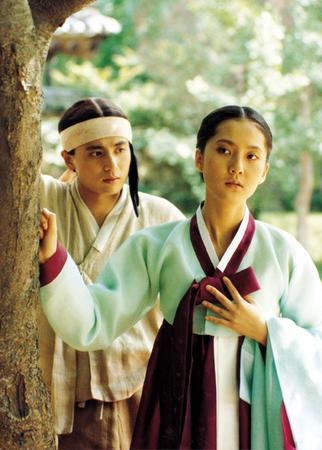
Introduction & Synopsis: The Birth of a 90s Hero
Long before intricate plots and high-definition gloss became the norm, Korean television produced heroes etched into the cultural memory. Among the most iconic is Iljimae (일지매), the righteous masked swordsman of the Joseon era. The 1993 MBC production of this classic tale is a landmark of 90s television—a stylish, action-packed martial arts sageuk (historical drama) that follows a mysterious hero who steals from corrupt officials to aid the downtrodden. By day, he is a seemingly carefree young man, but by night, he dons a mask and leaves behind a single plum blossom branch (il-ji-mae) at the scene of his daring escapades, a calling card that becomes a symbol of hope for the oppressed and a mark of terror for the corrupt.
Deep Cultural/Historical Insight: The Enduring Legend of the Righteous Thief
To understand the power of Iljimae, one must first understand that he is not a singular historical figure but a powerful folk legend, Korea’s quintessential answer to Robin Hood or Zorro. The story taps into a deep-seated Korean sentiment known as Han—a collective feeling of unresolved injustice and sorrow. During the Joseon Dynasty, a rigid class system often left common people at the mercy of the tamgwanori (corrupt government officials). The character of Iljimae is the ultimate catharsis for this historical frustration.
He is an uijeok (의적), a “righteous thief,” whose actions are guided by a strong sense of Eui (의), or justice. This concept is crucial; Iljimae is not a common criminal but a moral agent forced outside the law by a system that has failed its people. The 1993 drama captured this spirit perfectly for its time, presenting a hero who fights not for wealth or power, but to restore a moral balance to a broken society. This narrative has been revisited many times, but the MBC version was instrumental in cementing the dashing, acrobatic hero in the modern Korean consciousness.
Narrative Analysis: Style, Speed, and Substance
Without giving away key plot points, the narrative of Iljimae thrives on the tension of its hero’s dual identity. The storytelling is more episodic and action-centric than modern sageuk, with each episode often showcasing a new heist or a thrilling confrontation. What made this version stand out in the 90s was its “stylish” approach. It moved away from the often slow and stately pace of traditional historical dramas, injecting a modern sensibility with fast-paced sword fights, dynamic camera work, and a charismatic, almost rebellious protagonist.
The series is less concerned with granular historical accuracy and more focused on delivering a compelling heroic fantasy. Its themes, however, are timeless: the fight for justice, the burden of a secret life, and the idea that one person’s courage can ignite hope in many. It’s a classic hero’s journey, making it universally accessible despite its specific historical setting.
The Pulse of the Time: A Superstar is Born
When Iljimae aired in 1993, its impact was immediate and immense. The drama wasn’t just a hit; it was a cultural phenomenon that launched its lead actor into the stratosphere. A fresh-faced rookie at the time, Jang Dong-gun became an overnight sensation. His portrayal of Iljimae—brooding, athletic, and impossibly handsome—defined the “cool hero” archetype for an entire generation of viewers. The drama’s success signaled a shift in the sageuk genre, proving that historical stories could be trendy, youthful, and wildly popular, paving the way for the “fusion sageuk” boom that would follow years later.
Cast Spotlight: Embodying the Legend
- Jang Dong-gun as Iljimae: It is impossible to overstate the importance of this role for Jang Dong-gun’s career. He brought a raw, youthful energy to the character that was electrifying. His sharp features and physical prowess made him believable as both a carefree noble’s son and a formidable masked vigilante. He perfectly captured the blend of righteous anger and charismatic charm that the role demanded.
- Yum Jung-ah as Seol-hwa: As the primary female lead, Yum Jung-ah provided a compelling and resilient counterpart to the hero. Already a rising star, her presence added depth and romantic tension to the narrative, ensuring the story was not just about action but also about human connection and sacrifice.
- Kim Dong-hyun as Choi Jong-man: Playing the determined officer of the law tasked with capturing the elusive thief, Kim Dong-hyun served as the perfect foil. He wasn’t a one-dimensional villain but a principled antagonist, creating a compelling cat-and-mouse dynamic that drove much of the series’ dramatic tension.
Global Viewing Guide
Finding this 90s classic can be a rewarding treasure hunt for fans of K-drama history. Fans can watch this on:
- Kocowa: This platform, which specializes in content from major Korean broadcasters, is a primary source for classic MBC dramas.
- MBC Drama Classic YouTube Channel: Broadcasters often upload vintage series to their official channels, sometimes with subtitles. It’s worth checking for official playlists.
Final Verdict
Iljimae (1993) is more than just an old drama; it’s a foundational piece of Hallyu history. It’s essential viewing for anyone interested in the evolution of the sageuk genre, the origins of a top Korean superstar, and a purely entertaining story of justice and rebellion. While its production values may feel dated, its energy, style, and the sheer star power of its lead remain as compelling as ever. This is the birth of a legend, and it’s a moment in K-drama history worth witnessing.

The KCulture Editorial Team is dedicated to providing deep insights and accurate information about the vibrant world of Korean culture.