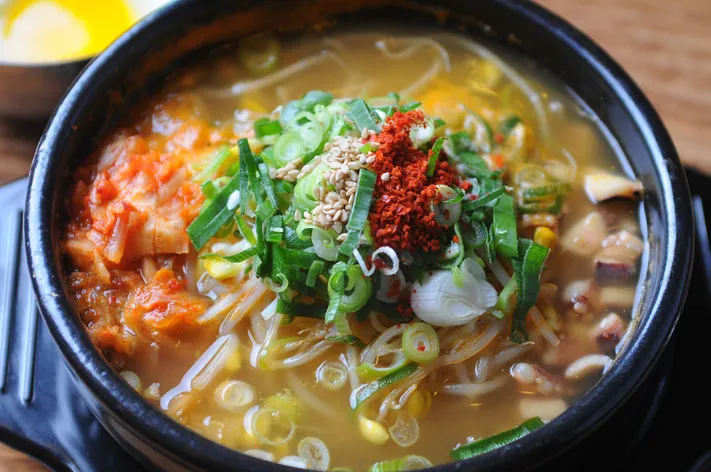
Korean Gukbap (국밥), which literally translates to “soup” (guk) and “rice” (bap), is Korea’s ultimate everyday comfort food—a hearty, nutritious meal served in a single boiling pot. For travelers and food enthusiasts exploring the culinary landscape, it serves as the perfect quick lunch, a restorative hangover cure, and a deeply satisfying dinner. Living in Korea reveals that gukbap is not just a fast-food option, but a cultural staple offering unparalleled warmth and affordability. This article explores why locals love this soul food, the traditional serving styles, the six must-try regional varieties, and essential tips for customizing the broth to perfection.
- What Is Gukbap?
- Why Koreans Love Gukbap
- Two Traditional Ways to Serve Gukbap
- 6 Must-Try Korean Gukbap Dishes
- Where to Try Gukbap in Seoul
- How to Eat Gukbap Like a Local
- Explore More Korean Culinary Journeys
What Is Gukbap?
The word gukbap literally combines two Korean words: guk (soup) and bap (rice). While that sounds simple, gukbap is much more than pouring soup over rice. It has developed into an entire category of Korean comfort food, with recipes that have been passed down through generations and adapted to local ingredients across the country.
One of the biggest reasons for its popularity is practicality. Instead of ordering rice and soup separately, diners receive everything needed for a complete meal in one bowl. This makes gukbap filling, affordable, and quick to eat, making it a favorite choice for office workers, students, travelers, taxi drivers, and families alike.
Unlike many Korean dishes that are designed for sharing, gukbap is an individual meal. Whether someone eats alone during a busy lunch break or gathers with friends after work, a bowl of gukbap always feels appropriate.
📌 Local Note: Gukbap shops are among the few restaurants in Korea that stay busy from early morning until late at night. Some open before sunrise for workers, while others remain open after midnight for night owls looking for a warm meal.
Why Koreans Love Gukbap
To understand Korean food culture, it’s important to understand that gukbap is as much an emotion as it is a recipe. Ask many Koreans what they want after returning from a long overseas trip, and a surprising number will answer with gukbap rather than an elaborate feast.
The appeal comes from several qualities that rarely exist together in one dish.
- Comforting: A steaming bowl instantly warms the body during cold winters or rainy days.
- Affordable: Gukbap has long been considered one of Korea’s best-value meals.
- Fast: Most restaurants serve it within minutes, making it a practical choice for busy lifestyles.
- Nutritious: Protein, vegetables, broth, and rice come together in one balanced meal.
- Flexible: Every region has its own signature broth, ingredients, and seasoning style.
This is why many locals casually suggest, “Let’s grab gukbap.” The phrase carries a meaning beyond simply eating soup. It implies an easy, unpretentious meal where conversation matters more than the restaurant itself. Unlike special-occasion dining, gukbap feels familiar, reliable, and welcoming.
It is also one of Korea’s great all-day foods. Some people start their morning with a light bean sprout gukbap, others enjoy pork or beef gukbap for lunch, while many finish a night out with a hearty bowl of Haejangguk, Korea’s famous hangover soup. Together, these dishes reflect how deeply soup-based meals are woven into everyday Korean life.
For those already familiar with Korea’s comforting noodle dishes like Jajangmyeon and Jjamppong, gukbap acts as their equally beloved counterpart—a meal built not around noodles, but around rich broth and perfectly cooked rice.
Two Traditional Ways to Serve Gukbap
Although visitors often think every gukbap is served the same way, there are actually two classic serving styles that locals immediately recognize.
| Style | How It’s Served | Why Locals Like It |
|---|---|---|
| Ttoryeom (토렴) | Rice is placed in the bowl first, then repeatedly warmed with hot broth before serving. | The rice absorbs the soup while cooling to the perfect eating temperature instantly. |
| Ttaro-gukbap (따로국밥) | Rice and soup are served in separate bowls. | Guests can mix everything together or enjoy each bite however they prefer. |
Neither style is considered better. In fact, many regular customers choose depending on their mood. Some prefer the deeply soaked texture of Ttoryeom, while others enjoy adding rice little by little to keep each spoonful slightly different.
💡 Pro Tip: Because rice arrives separately at many restaurants, first-time visitors sometimes wonder whether they should pour all of it into the soup. The answer is simple: both methods are completely acceptable. Korean diners do it differently depending on personal preference.
6 Must-Try Korean Gukbap Dishes
Although personal favorites vary, a handful of gukbap dishes have become icons of Korean food culture. Some are rich and hearty, others are surprisingly light, but each tells a different story about Korea’s regions, history, and everyday dining habits.
1. Sundae-gukbap (순대국밥)
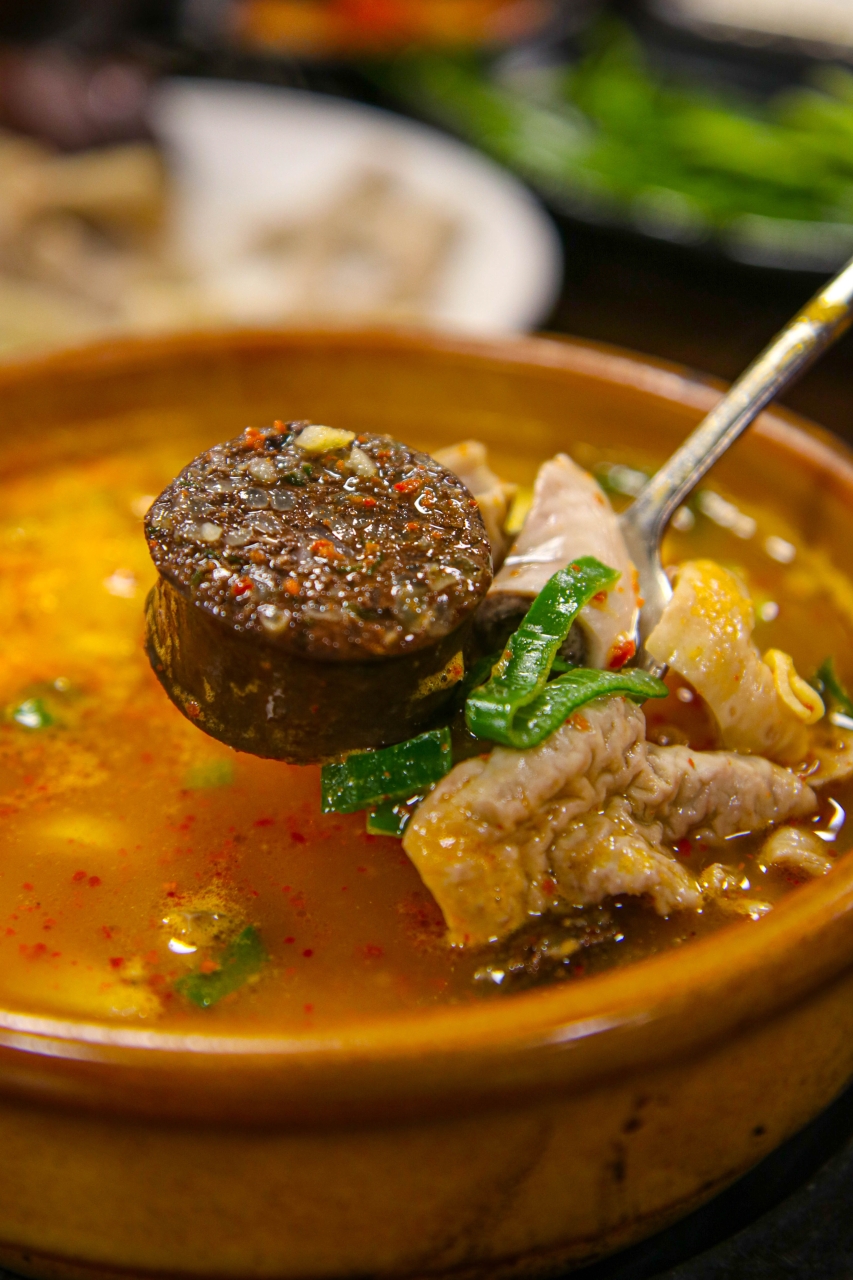
Sundae-gukbap is one of Korea’s most famous comfort foods, combining a rich pork broth with slices of Sundae (Korean blood sausage) and tender pork cuts. Despite the name, Korean sundae is quite different from many European blood sausages. Most varieties are filled with glass noodles, vegetables, and seasonings, creating a softer texture and milder flavor.
The broth is usually finished with perilla seed powder, green onions, and salted shrimp, creating a deeply savory bowl that many crave during cold weather. For adventurous eaters, it is often the gukbap that leaves the strongest impression.
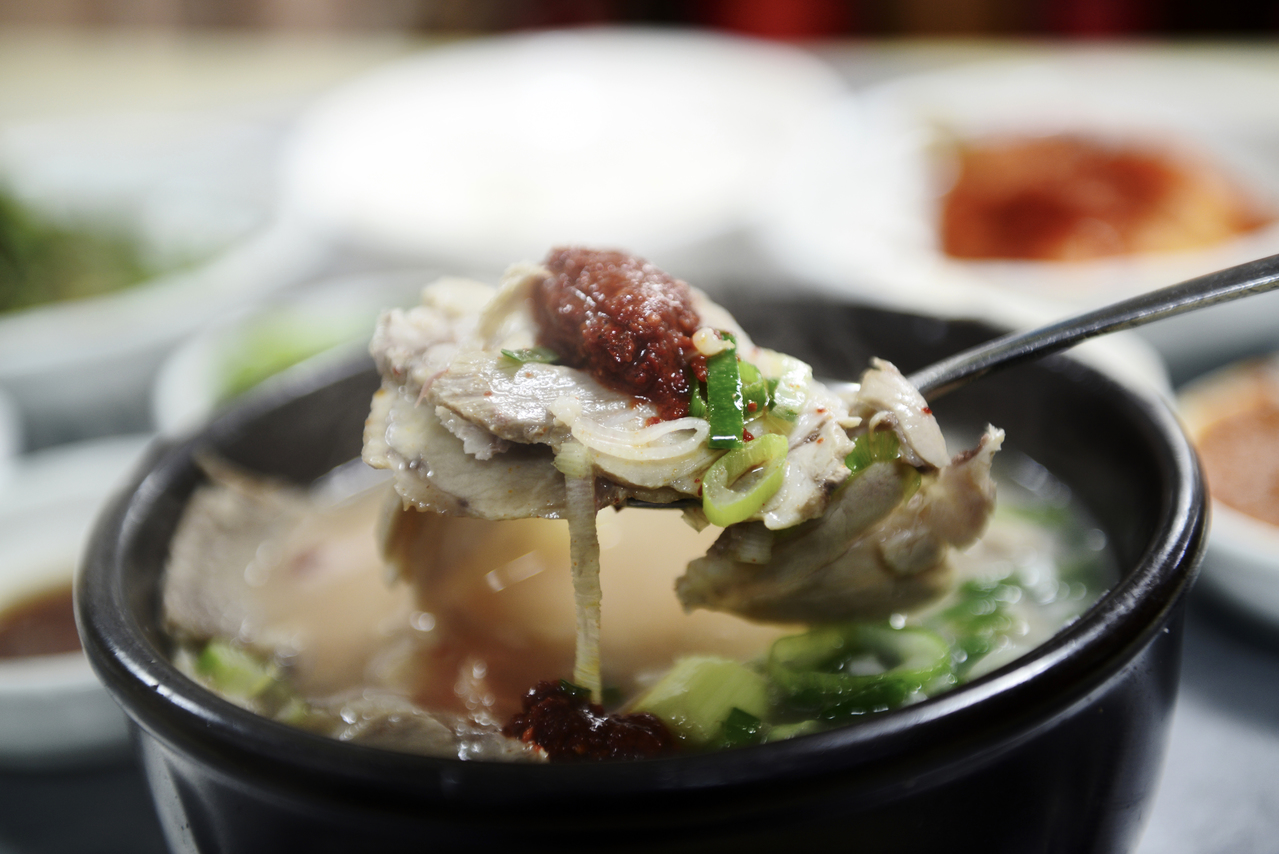
2. Dwaeji-gukbap (돼지국밥)
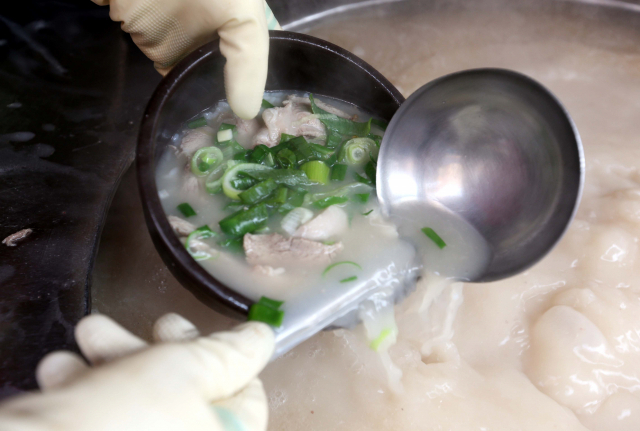
Originally associated with Busan (부산) and Korea’s southeastern region, Dwaeji-gukbap has become one of the country’s most popular everyday meals. It features a milky pork bone broth filled with generous slices of tender pork.
The soup looks rich but usually tastes cleaner than many visitors expect. Each restaurant offers its own seasoning style, allowing diners to customize the bowl with salted shrimp, spicy paste, chives, garlic, or black pepper. Premium versions found in Seoul often use clear pork broth instead of the traditional cloudy style, making them especially approachable for international visitors.
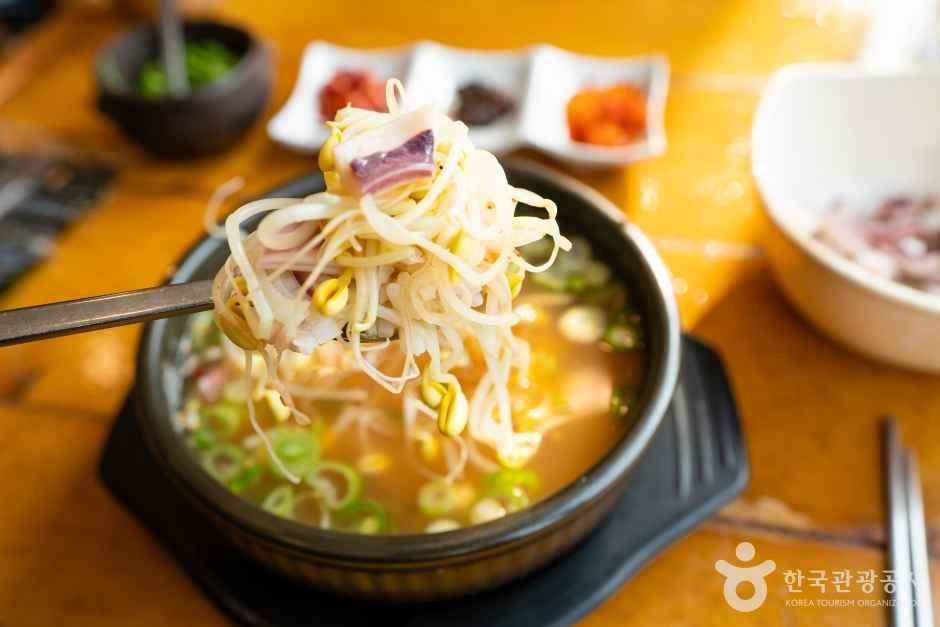
3. Kongnamul-gukbap (콩나물국밥)
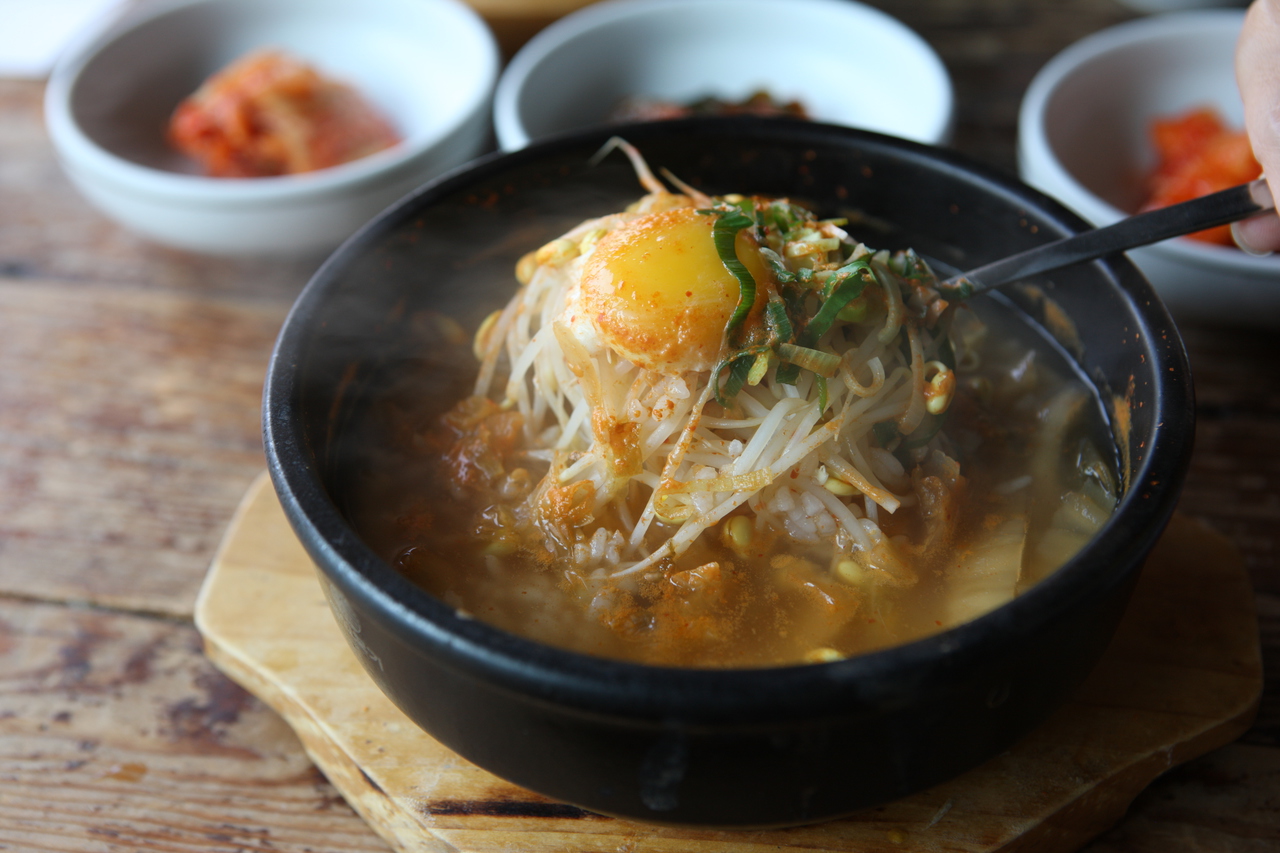
If pork broth feels too heavy, Kongnamul-gukbap offers the opposite experience. Built around crisp soybean sprouts, anchovy broth, garlic, and green onions, it delivers a remarkably refreshing taste while remaining surprisingly satisfying.
This dish is famous throughout Korea as one of the best hangover breakfasts, although many locals simply enjoy it because it is light, healthy, and easy to eat any time of day. Many restaurants serve it with a soft-poached egg and roasted seaweed. Instead of mixing everything immediately, placing a spoonful of hot broth into the egg bowl first before enjoying it separately is a beloved local tradition.
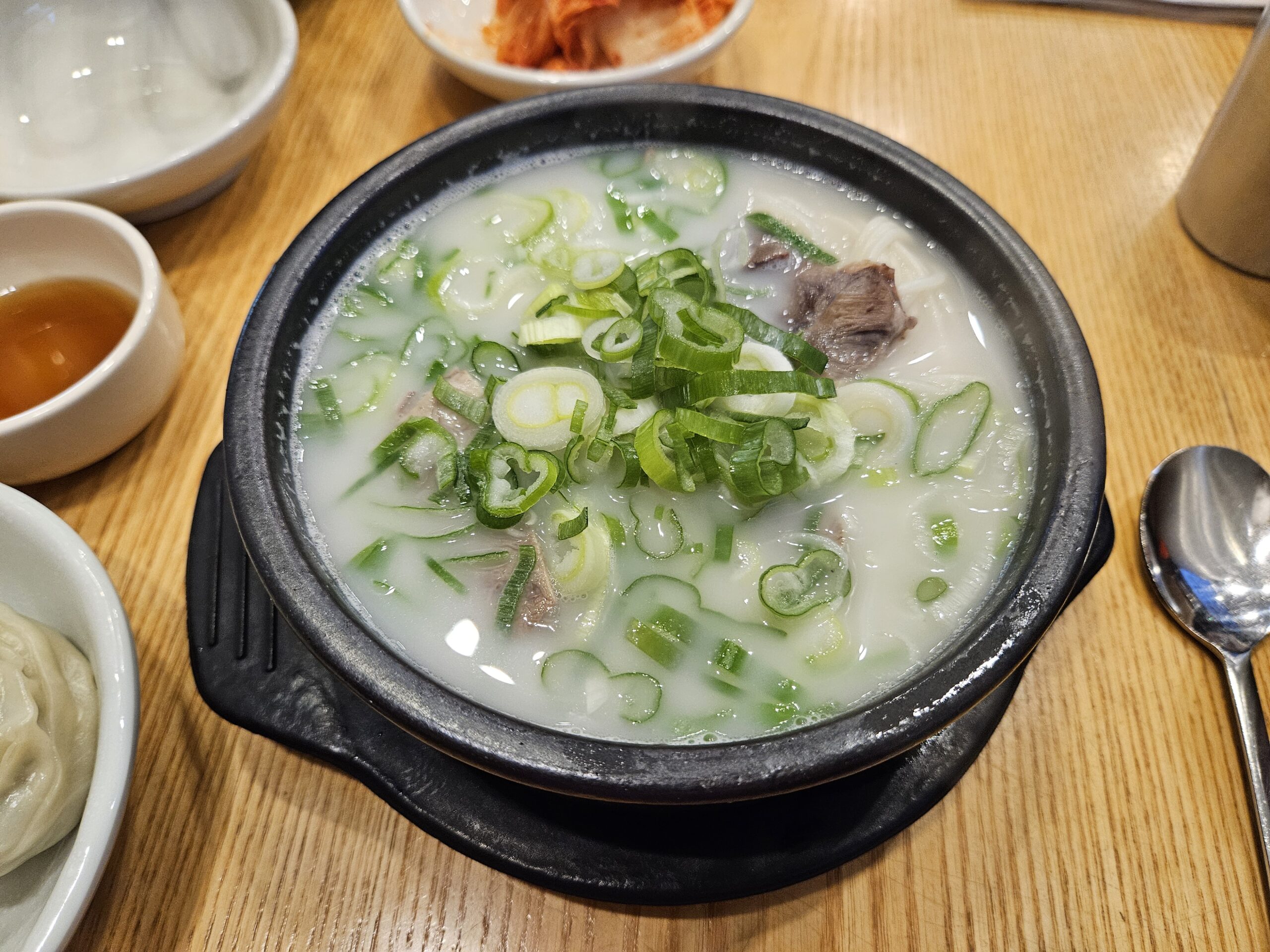
4. Seolleongtang & Gomtang (설렁탕 & 곰탕)
These two dishes are close relatives, but they offer different styles of beef soup.
- Seolleongtang (설렁탕): Slowly simmered from ox bones, producing its famous creamy white broth.
- Gomtang (곰탕): Focuses more on simmering the beef meat itself, creating a cleaner and clearer soup.
Unlike many soups around the world, these broths are intentionally served with very little seasoning. Diners are expected to adjust the flavor themselves using salt, pepper, and chopped green onions. The result is a bowl that feels simple at first but reveals remarkable depth with every spoonful.
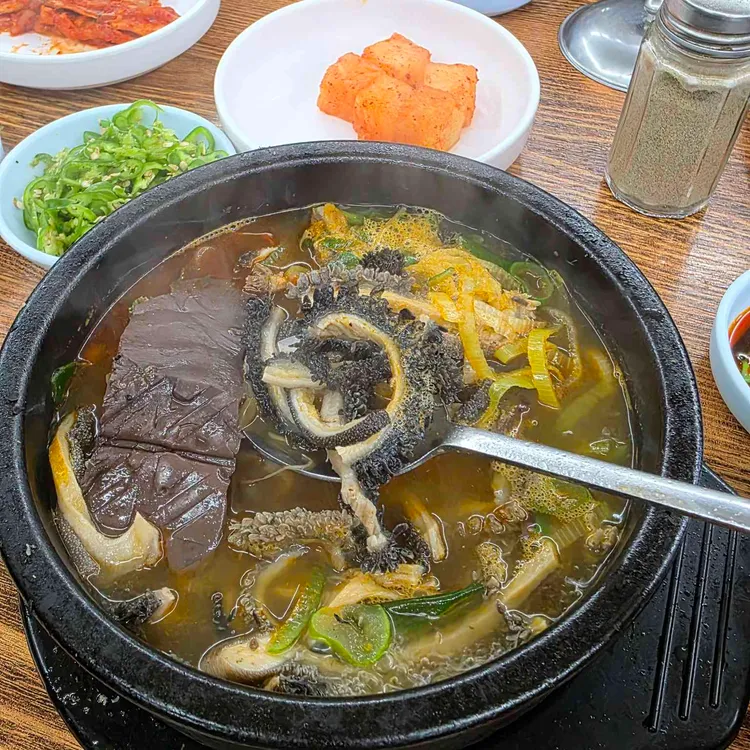
5. Haejangguk (해장국)
The word haejang literally means “to relieve a hangover,” but Haejangguk is far more than a late-night remedy. Whether made with pork bones, vegetables, ox blood, or beef, it delivers bold flavors that many enjoy regardless of whether they drank alcohol the night before.
Its spicy, hearty broth has made it one of Korea’s signature breakfast foods and one of the country’s best-known soup dishes.
6. Gul-gukbap (굴국밥)
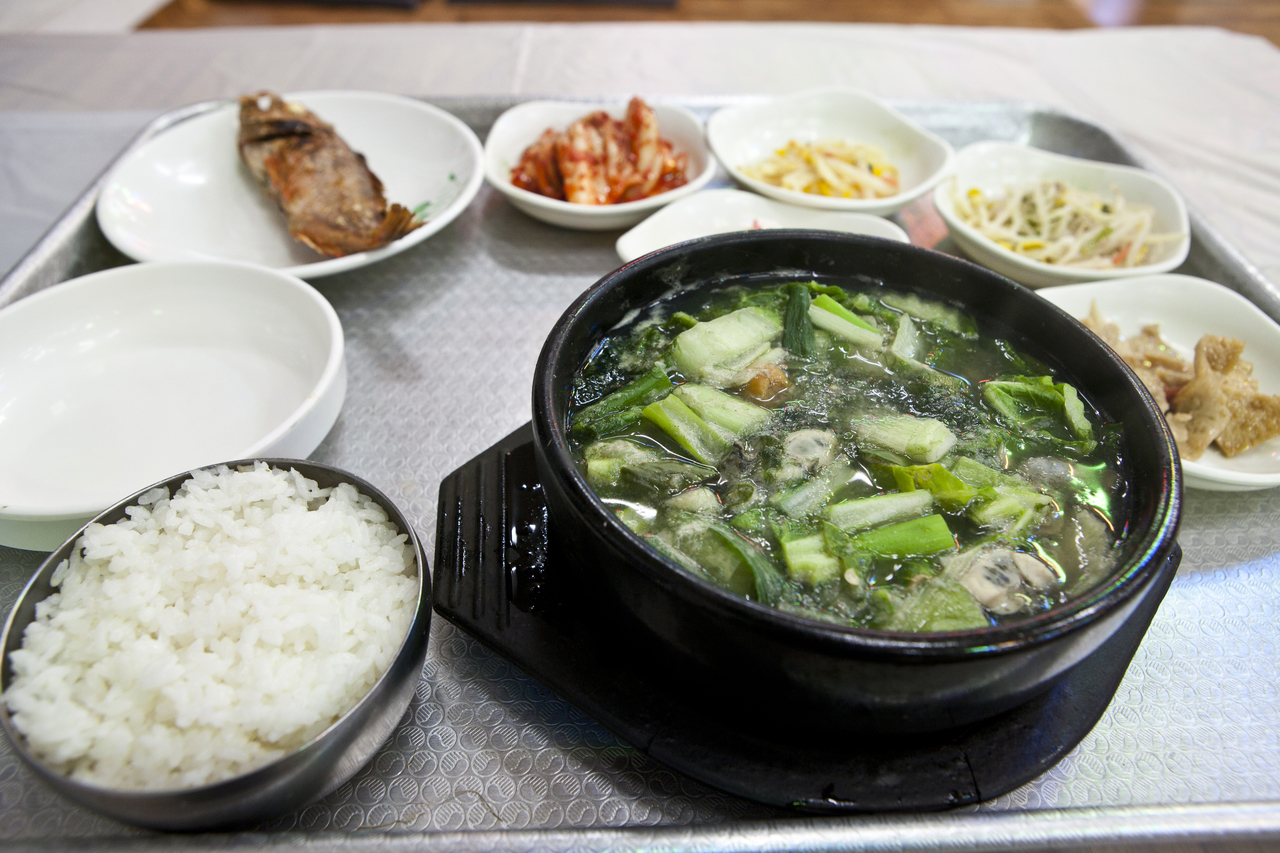
Available mainly during the colder months, Gul-gukbap highlights fresh oysters rather than meat. The broth is clean, naturally sweet, and filled with the briny flavor of the sea, making it especially popular in winter.
Many visitors who have only eaten raw oysters are surprised by how different cooked oysters taste in a hot Korean soup. The gentle broth, soft tofu, vegetables, and fresh oysters create one of Korea’s most delicate seasonal meals.
Where to Try Gukbap in Seoul
Traveling across Korea is not required to experience excellent gukbap. Seoul offers outstanding restaurants representing nearly every regional style, from century-old historic establishments to modern culinary interpretations.
| Dish | Recommended Seoul Restaurants |
|---|---|
| Sundae-gukbap | Nongmin Baegam Sundae (농민백암순대), Sansugapsan (산수갑산), Seoil Sundaeguk (서일순대국) |
| Dwaeji-gukbap | Okdongsik (옥동식), Gwanghwamun Gukbap (광화문국밥), Anam (안암) |
| Kongnamul-gukbap | Sambaekjip (삼백집), Hyundaiok (현대옥) |
| Seolleongtang / Gomtang | Imun Seolnongtang (이문설농탕), Hadongkwan (하동관), Mapo Ok (마포옥) |
| Haejangguk | Somunnan Seongsu Gamjatang (소문난 성수 감자탕), Cheongjinok (청진옥), Jungang Haejang (중앙해장) |
| Gul-gukbap | Kim Myeong-ja Gul Gukbap (김명자 굴국밥) |
How to Eat Gukbap Like a Local
One of the joys of eating gukbap is that no two bowls are exactly alike. Unlike many dishes that arrive fully seasoned, gukbap is often designed to be customized at the table. A few simple adjustments can completely change the flavor, and part of the experience is discovering the combination that suits individual taste preferences.
Customize Your Bowl with Traditional Condiments
| Condiment | What It Adds |
|---|---|
| Saeujeot (새우젓 – Salted Shrimp) | Adds saltiness, deep umami, and helps digest pork-based broths. |
| Dadaegi (다대기 – Spicy Chili Paste) | Turns a mild, white broth into a rich, spicy red soup. |
| Deulkkae-garu (들깨가루 – Perilla Seed Powder) | Creates a nutty aroma and gives the broth a thicker, richer texture. |
| Fresh Chives & Green Onions | Add freshness and perfectly balance the heavy richness of the soup. |
💡 Pro Tip: Taste the broth before adding any seasoning. Every restaurant has its own recipe, and many regulars adjust the flavor gradually rather than all at once.
The Importance of Side Dishes
Ask a Korean what completes a bowl of gukbap, and many will answer with the side dishes rather than the soup itself. Crisp Kkakdugi (깍두기 – radish kimchi) and freshly made Kimchi provide the necessary acidity and crunch to perfectly balance the rich, hot broth.
Many locals even add a piece of kimchi to each spoonful or alternate between soup and kimchi throughout the meal. It is one of the reasons gukbap never feels too heavy, even when the broth is rich. For those curious about Korea’s long tradition of fermented foods, exploring the world of Jeotgal (Fermented Seafood) explains one of the key umami ingredients that often appears in gukbap restaurants as a seasoning.
Explore More Korean Culinary Journeys
If exploring the deep, comforting flavors of gukbap has sparked an appetite for more authentic local cuisine, continue the culinary adventure through these essential guides:
- Haejangguk: Korea’s Ultimate Hangover Soup
- Why Jajangmyeon & Jjamppong Are Korea’s True Soul Food
- Korean Summer Cold Noodles: Naengmyeon & Kongguksu Guide
- What Is Jeotgal? Korea’s Ancient Fermented Seafood
- Inside Korea’s Bread Pilgrimage: 5 Bakeries You Must Visit
Korean Culture portal KCulture.com

Founder of Kculture.com and MA in Political Science. He shares deep academic and local insights to provide an authentic perspective on Korean history and society.