Korean-Chinese Cuisine: Why Jajangmyeon and Jjamppong Are South Korea’s True Soul Food
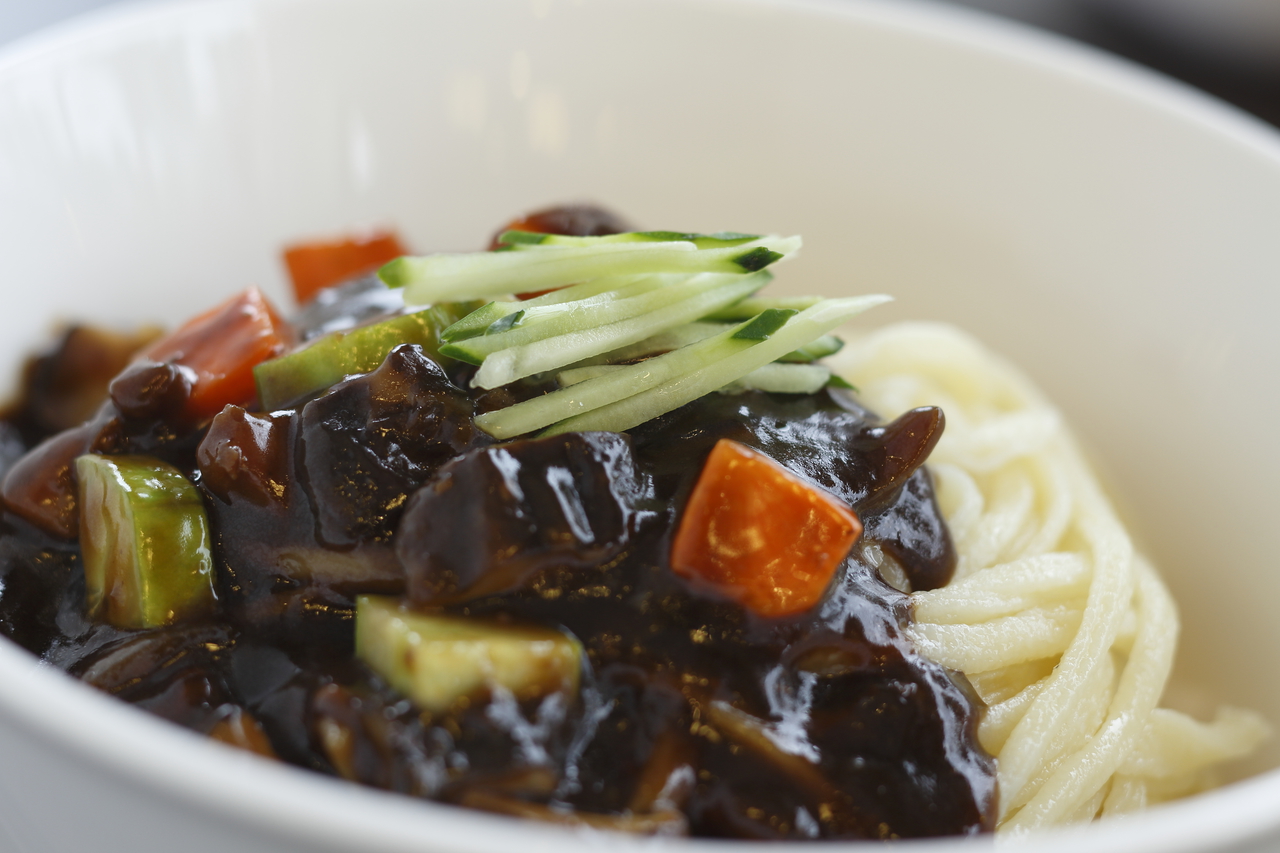
Korean-Chinese cuisine—specifically Jajangmyeon (sweet black bean noodles) and Jjamppong (spicy seafood noodle soup)—is the ultimate everyday comfort food in South Korea. While they trace their roots to early Chinese immigrants, these dishes have evolved over a century into uniquely Korean creations that cannot be found anywhere else in the world.
International visitors often overlook these dishes, assuming they are just standard Chinese takeout. This guide uncovers the history of these beloved noodles, explains the fascinating cultural traditions behind them, decodes the restaurant menus, and highlights historic spots in Seoul where travelers can taste the real deal.
- What Is Korean-Chinese Cuisine?
- The Birth of Jajangmyeon
- How Jjamppong Became Korea’s Favorite Spicy Noodle Soup
- Why Koreans Fell in Love with These Dishes
- The Cultural Stories Behind the Noodles
- Understanding the Menu
- Where to Try Authentic Korean-Chinese Cuisine
- FAQ
- Explore More Korean Culinary Journeys
What Is Korean-Chinese Cuisine?
One of the biggest misconceptions among international travelers is that Jajangmyeon and Jjamppong are ordinary Chinese dishes. In reality, they belong to an entirely different culinary tradition known as Korean-Chinese cuisine.
This cuisine was developed by ethnic Chinese immigrants—mostly from China’s Shandong Province—who settled around Korea’s ports during the late nineteenth century. Over generations, these immigrant chefs gradually modified familiar recipes to suit Korean ingredients, economic conditions, and the local preference for sweeter and spicier flavors.
The result is a cuisine that feels unmistakably Korean. Even many visitors from China are surprised to discover that Korean Jajangmyeon tastes completely different from their native Zhajiangmian.
| Dish | Chinese Inspiration | Korean Evolution |
|---|---|---|
| Jajangmyeon | Zhajiangmian (Shandong) | Sweeter, darker sauce made with caramelized black bean paste. |
| Jjamppong | Chaomamian + Nagasaki Champon | Fiery red, spicy seafood noodle soup infused with rich chili oil. |
📌 Local Note: If a Korean friend invites you out for “Chinese food,” do not expect Dim Sum, Cantonese, or Sichuan cuisine. They are almost certainly talking about going to a Korean-Chinese restaurant for Jajangmyeon and sweet-and-sour pork!
The Birth of Jajangmyeon
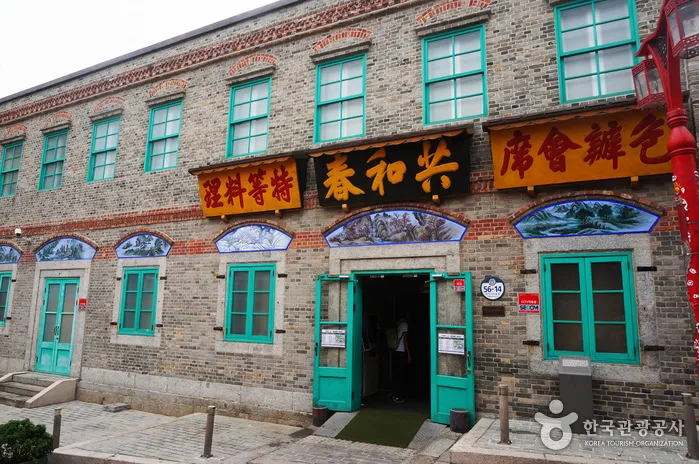
The story of Jajangmyeon begins with Chinese immigrants working around Incheon Chinatown (인천 차이나타운). At the time, dock workers needed meals that were inexpensive, filling, and could be served quickly.
The original Shandong-style Zhajiangmian used a salty fermented soybean paste and had a relatively dry texture. However, Korean customers preferred a milder, richer flavor profile. The major breakthrough came after the Korean War, when local manufacturers developed today’s sweetened chunjang (춘장, black bean paste) by blending the traditional paste with caramel.
Combined with diced onions, cabbage, pork, starch, and water, it created the glossy, deeply savory black sauce that defines modern Jajangmyeon. The famous restaurant Gonghwachun (공화춘) in Incheon is widely credited with popularizing the dish in 1905, cementing its status as a Korean culinary landmark.
How Jjamppong Became Korea’s Favorite Spicy Noodle Soup
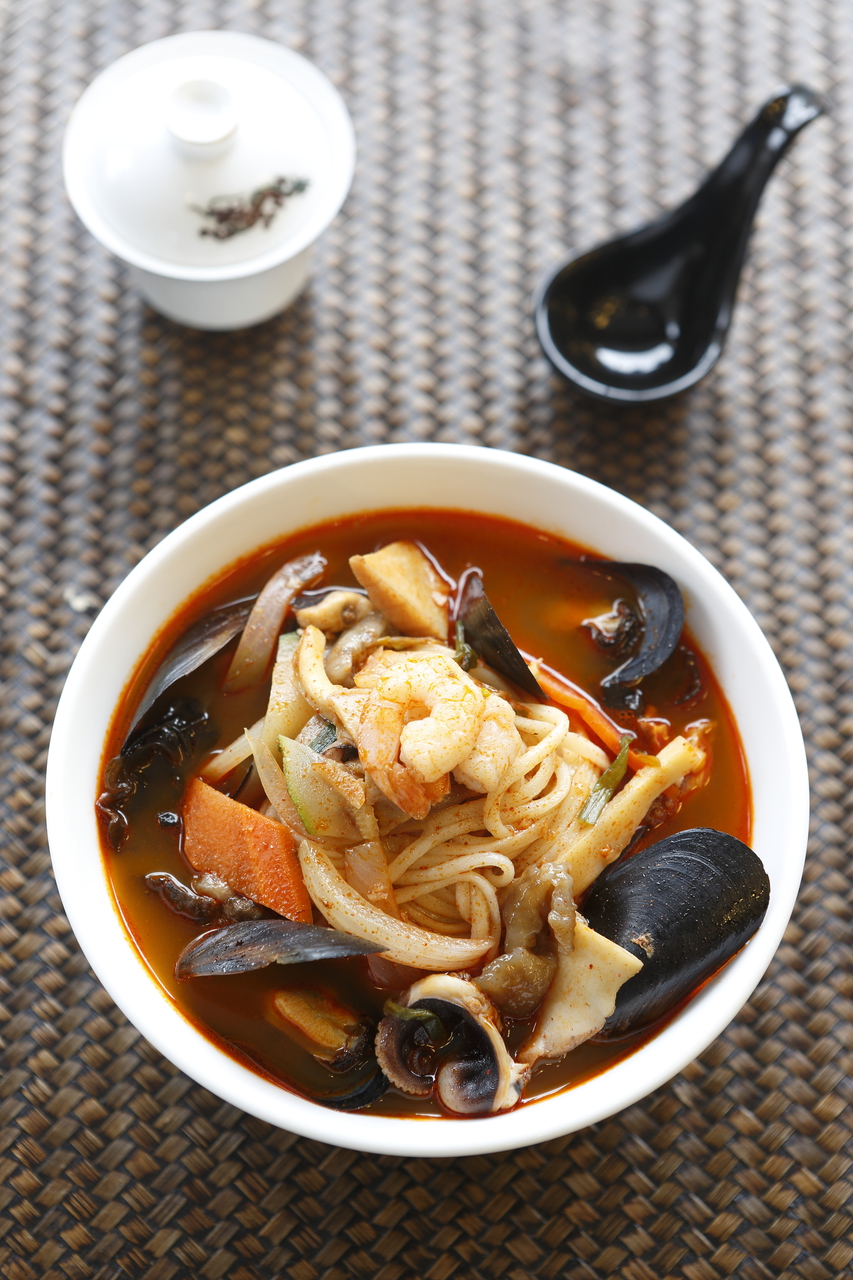
Jjamppong followed a fascinating but different evolutionary path. Early versions of this soup closely resembled mild Chinese seafood noodles or Japan’s Nagasaki Champon, meaning they were pale and not particularly spicy.
However, during the 1960s and 1970s, Korean-Chinese chefs began adding generous amounts of red chili powder and chili oil to satisfy the undeniable Korean craving for heat. The result was a spectacular transformation into the Jjamppong we know today: a fiery red soup loaded with thick wheat noodles, stir-fried vegetables, and a mountain of seafood like squid, mussels, and shrimp. It is the ultimate spicy comfort in a bowl.
Why Koreans Fell in Love with These Dishes
The popularity of these dishes is deeply intertwined with South Korea’s modern history.
Affordable Comfort During Difficult Decades
After the Korean War, wheat flour supplied through international aid became widely available. Government policies aggressively encouraged wheat consumption over rice, making noodle dishes like Jajangmyeon inexpensive enough to become the ultimate working-class meal.
The Food That Built Korea’s Delivery Culture
Long before smartphones and delivery apps existed, Korean-Chinese restaurants had already perfected the art of home delivery. The legendary cheolgabang (철가방, steel delivery box) became a familiar sight across every Korean neighborhood. Delivery workers balanced dozens of ceramic bowls on motorcycles, reaching homes within 10 to 15 minutes to ensure the noodles never got soggy. This speed and efficiency practically invented modern Korean delivery culture.
The Cultural Stories Behind the Noodles
Why Do Koreans Eat Jajangmyeon on Moving Day?
In Korea, moving day means the kitchen is packed in boxes and cooking is impossible. Ordering Chinese delivery to eat while sitting on the bare living room floor became the most practical solution. Over time, it evolved into an unbreakable cultural tradition. Even today, if someone is moving, friends and family will likely ask, “So, you’re having Jajangmyeon for lunch?”
Black Day (April 14)
While couples celebrate Valentine’s Day and White Day, singles who didn’t receive gifts gather on April 14 for “Black Day.” They dress in black clothing and eat dark Jajangmyeon together, turning their solo status into a humorous, self-deprecating cultural event.
Team Jajang or Team Jjamppong?
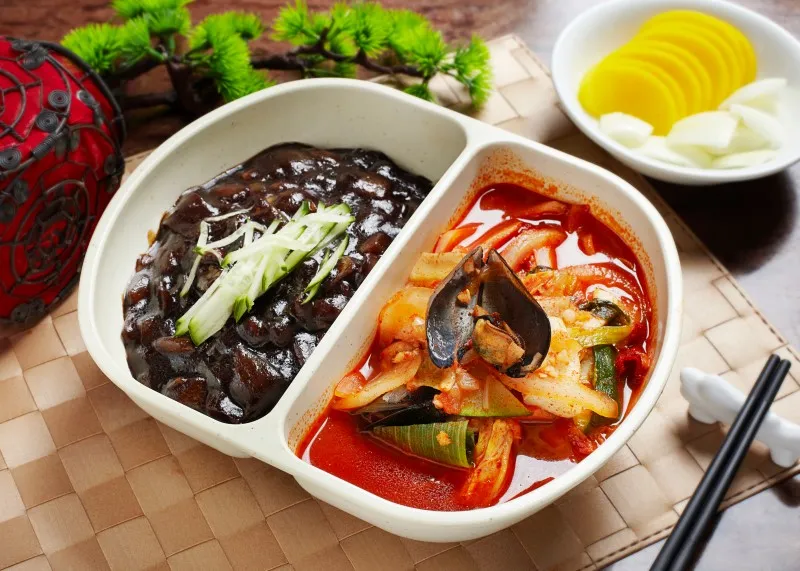
Choosing between sweet Jajangmyeon and spicy Jjamppong is one of the hardest dilemmas in Korean dining. To solve this, a brilliant split-bowl was patented in 1999, creating Jjamjjamyeon (짬짜면)—a bowl that serves half Jajangmyeon and half Jjamppong. It is a wonderfully practical invention that always brings a smile to first-time visitors.
Understanding the Menu
When sitting down at a local Korean-Chinese restaurant, use this quick guide to navigate the most popular variations.
- Gan-jajang: “Gan” means dry. The sauce is stir-fried instantly on high heat without added water or starch, and served separately from the noodles. It features a fantastic smoky wok-hei flavor and crunchy onions.
- Uni-jajang: A variation where all ingredients, including meat and vegetables, are finely minced. It is exceptionally smooth and soft.
- Jaengban Jajang: Noodles and black bean sauce are stir-fried together in the wok and served on a massive shared platter for two or more people.
- Samseon Jjamppong: “Samseon” refers to premium seafood. This is an upgraded Jjamppong packed with high-quality ingredients like abalone, octopus, and large shrimp.
- Baek Jjamppong: “White” Jjamppong. It skips the red chili powder for a clear broth but remains pleasantly peppery. This is highly recommended for visitors who prefer less spice.
Where to Try Authentic Korean-Chinese Cuisine
While almost every neighborhood has a great local spot, these historic establishments in Seoul are highly recommended to experience the true heritage of Korean-Chinese cuisine.
Andongjang (안동장)
Established in 1948 near Euljiro 3-ga (을지로3가), this is one of Seoul’s oldest Korean-Chinese establishments. It is widely recognized as the birthplace of Oyster Jjamppong (Gul Jjamppong). Their signature white oyster broth is incredibly deep and refreshing.
Ogu Banjeom (오구반점)
Operating since 1953, this third-generation family restaurant is a local legend. Along with excellent noodles, it is renowned for its perfectly crispy fried dumplings (Gunmandu) that pair flawlessly with a bowl of Jajangmyeon.
Yeonghwaru (영화루)
Hidden in the charming Seochon (서촌) neighborhood near Gyeongbokgung Palace (경복궁), this beloved local institution features a retro, time-worn interior. They are famous for their fiery Gochu Gan-jajang and Gochu Jjamppong, infused with spicy Cheongyang peppers.
💡 Pro Tip: For a complete meal, always order a side of Tangsuyuk (Korean-style sweet and sour pork) to share with the table. The contrast between the crispy pork and the savory noodles is culinary perfection.
FAQ
Are Jajangmyeon and Jjamppong authentic Chinese food?
They originated from Chinese immigrant recipes but evolved in Korea over decades into entirely distinct dishes. Today, they are considered uniquely Korean comfort foods.
Which one should first-time visitors try?
Those who enjoy rich, savory, and slightly sweet flavors should start with Jajangmyeon. Those who love bold, spicy seafood soups should choose Jjamppong. If deciding is too difficult, ask the restaurant if they serve Jjamjjamyeon to enjoy both!
Explore More Korean Culinary Journeys
To dive deeper into the vibrant food scene of Korea, check out these other expert culinary guides:
- Inside Korea’s Bread Pilgrimage: 5 Bakeries You Must Visit
- What Is Jeotgal? Korea’s Ancient Fermented Seafood
- Korean Summer Cold Noodles: Naengmyeon & Kongguksu Guide
- Haejangguk: Korea’s Ultimate Hangover Soup
Korean Culture portal KCulture.com

The KCulture Editorial Team is dedicated to providing deep insights and accurate information about the vibrant world of Korean culture.