Korean bakeries have evolved into a unique food culture that blends European baking techniques with distinctly Korean flavors, textures, and creativity. From Daejeon’s legendary Sungsimdang to Busan’s beloved OPS, bakery tourism has become so popular that Koreans even coined the term “Bread Pilgrimage” (빵지순례). If you’re curious why Korean bread is attracting fans across Asia, North America, and beyond, this guide covers the country’s most iconic bakeries, signature breads, and the cultural story behind Korea’s baking boom.
- Why Korean Bread Is Different from Western Bread
- The 5 Most Famous Bakeries in Korea
- Understanding Korea’s Bread Pilgrimage Culture
- Why Korean Bakeries Are Winning Overseas
- How to Visit Korea’s Most Famous Bakeries
- Local Tips for Bread Lovers
- Related Korean Food Guides
Why Korean Bread Is Different from Western Bread
Many visitors are surprised by Korean bread. While Korean baking originated from European and Japanese influences, it has developed into its own distinct category.
Traditional European bread often prioritizes crust, fermentation, and simplicity. American bakery culture frequently emphasizes richness, sweetness, and large portions. Korean bakeries, however, focus heavily on softness, balance, variety, and everyday accessibility. To achieve this, Korean bakers frequently use the Tangzhong method (a cooked flour-and-water paste) to retain maximum moisture, resulting in an incredibly soft and pillowy crumb.
| Category | European Bread | American Bakery Style | Korean Bread |
|---|---|---|---|
| Texture | Chewy, crusty | Rich and buttery | Soft, moist, and pillowy |
| Sweetness | Usually low | Often high | Moderate and balanced |
| Fillings | Limited | Cream, chocolate | Red bean, sweet potato, corn, black sesame, mugwort |
| Eating Style | Meal accompaniment | Dessert-focused | Snack, breakfast, dessert, meal replacement |
Korean bakers frequently use ingredients familiar to Korean households, breaking down the barrier between sweet and savory. The result is a bakery culture that feels both international and distinctly Korean.
📌 Local Note: In Korea, bakeries are not simply places to buy bread. Many function as cafés, meeting spaces, gift shops, and even tourist destinations.
The 5 Most Famous Bakeries in Korea
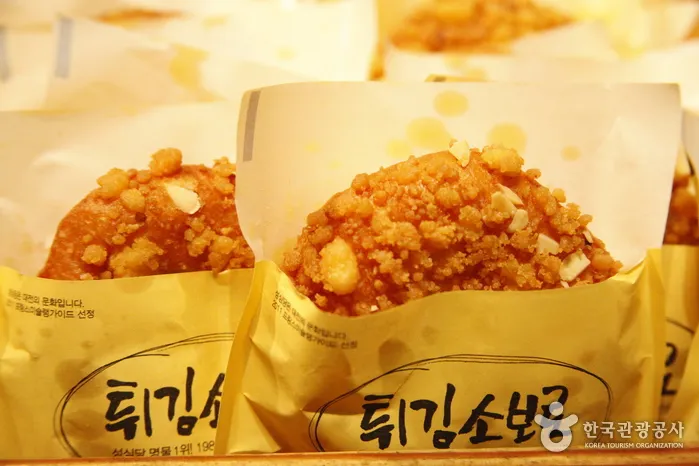
1. Sungsimdang (성심당) – Daejeon
Founded in 1956, Sungsimdang is arguably Korea’s most famous independent bakery. The bakery has become such a symbol of Daejeon that many travelers schedule day trips specifically to visit it.
Signature Bread: Fried Soboro (튀김소보로)
- Crispy and crunchy fried exterior
- Sweet, smooth red bean filling inside
- Topped with a signature peanut streusel (soboro)
- Reasonable prices despite nationwide popularity
Beyond the famous Soboro, seasonal fruit cakes and cream breads often attract long lines.
2. Lee Sung Dang (이성당) – Gunsan
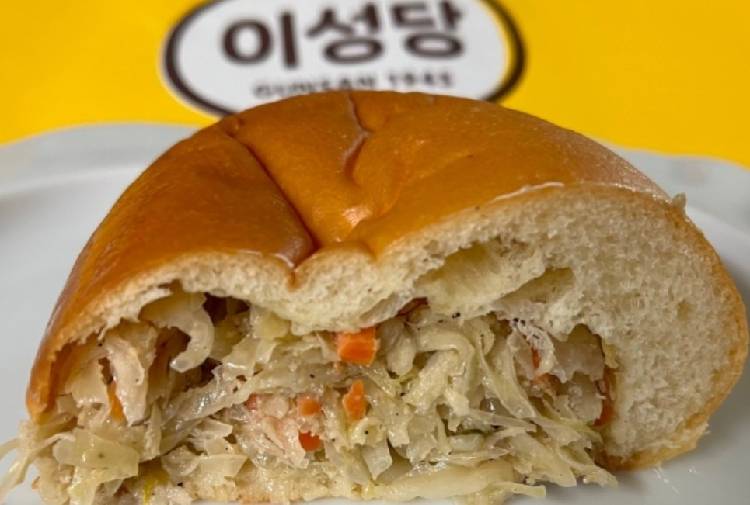
Established in 1945, Lee Sung Dang is widely recognized as Korea’s oldest continuously operating bakery. The bakery preserves the nostalgic flavors many Koreans grew up with.
Signature Breads:
- Vegetable Bun (야채빵): Packed with thin, crunchy, peppery cabbage and carrots.
- Red Bean Bun (단팥빵): Famous for its thin, paper-like dough wrapped around a massive, heavy filling of non-cloying red bean paste.
The bakery is known for generously filled breads and old-fashioned recipes that have remained popular across multiple generations.
3. Taegeukdang (태극당) – Seoul
Opened in 1946, Taegeukdang is one of Seoul’s most beloved heritage bakeries. Walking inside feels like stepping into mid-century Korea, with its retro wooden interiors and vintage typography.
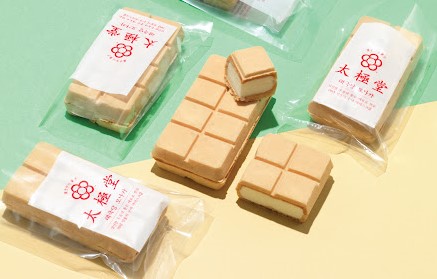
Signature Item: Monaka Ice Cream (모나카 아이스크림)
- A crisp, fragile wafer shell handmade by artisans
- Packed tightly with dense, clean-tasting milk ice cream
- Historic architecture and retro atmosphere
- A summer staple for Seoulites for over half a century
Many Seoul residents visit as much for nostalgia as for the food itself.
4. Samsong Bakery (삼송빵집) – Daegu
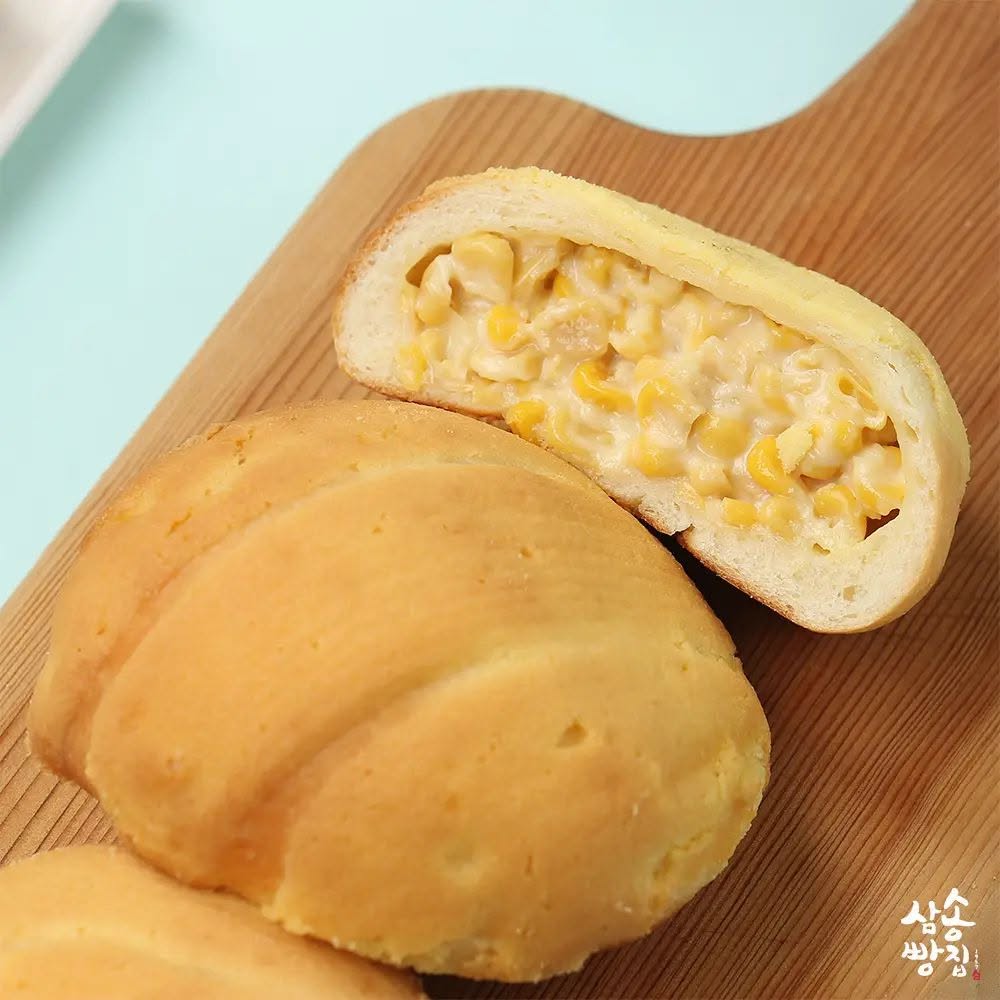
Founded in 1957, Samsong Bakery became nationally famous through its addictive corn bread, often jokingly referred to by locals as “Drug Bread” (마약빵).
Signature Bread: Whole Corn Bread (통옥수수빵)
- Filled to the brim with popping, juicy kernels of sweet corn
- Slathered in a creamy, savory sauce
- Topped with a delicate cookie-like crust
- One of Korea’s most copied bakery concepts
Its success helped popularize savory-filled breads throughout Korea.
5. OPS (옵스) – Busan
OPS represents Korea’s modern premium bakery movement. While deeply influenced by French pastry techniques, it adapts them to Korean tastes with a local seaside flair.
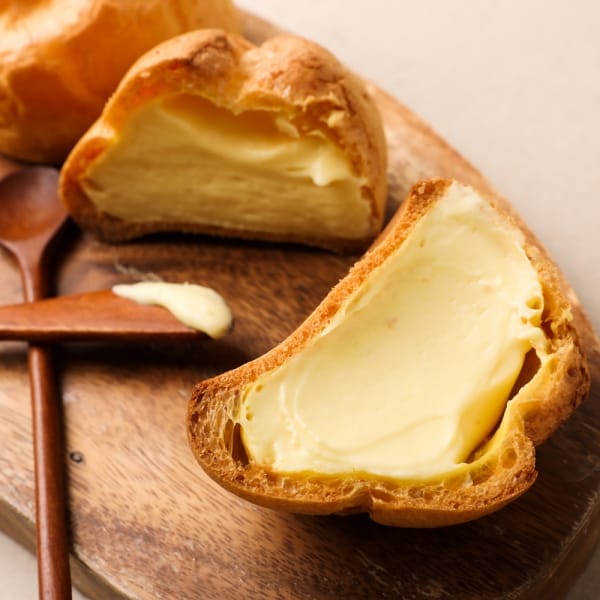
Signature Item: Choux à la Crème (슈크림빵)
- Giant, fist-sized puff pastries
- Pumped with fresh, vanilla-bean-speckled custard cream only after you order them to ensure crispness
- High-quality ingredients and strong reputation among dessert enthusiasts
- Particularly popular in Busan’s coastal districts
Many locals consider OPS one of Korea’s finest examples of premium pastry craftsmanship.
Understanding Korea’s Bread Pilgrimage Culture
The popularity of bakeries has created an entire travel trend known as “Bread Pilgrimage” (빵지순례).
Instead of visiting landmarks or museums, some travelers spend weekends traveling across Korea to try specific breads. Social media has accelerated this trend, with bakery reviews becoming a major category of Korean food content.
It is not uncommon to see travelers board high-speed trains simply to purchase a box of Sungsimdang’s Fried Soboro before returning home the same day.
This culture reflects Korea’s broader enthusiasm for food tourism, similar to how people travel for famous noodle shops, seafood markets, or traditional restaurants.
Why Korean Bakeries Are Winning Overseas
Over the past decade, Korean bakery brands have expanded rapidly abroad. Perhaps the most visible example is Paris Baguette, which now operates hundreds of stores outside Korea, including major expansion throughout North America.
Several factors explain the success of Korean bakeries overseas:
- Approachable flavors: Korean bread is often less sweet than American desserts but softer than traditional European bread.
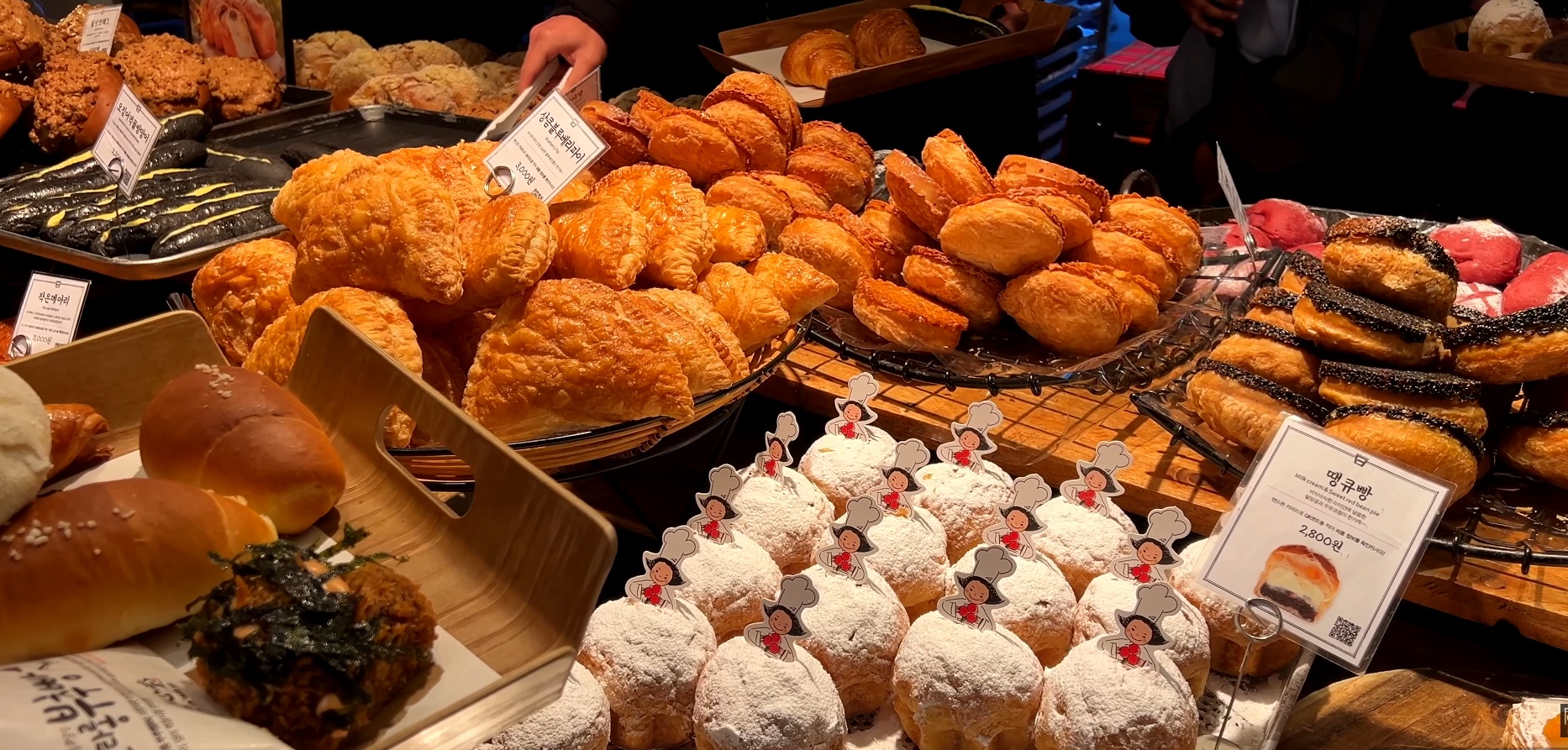
- Huge variety: Customers can choose from dozens of sweet and savory options baked fresh daily.
- Café culture: Korean bakeries combine a bakery, coffee shop, and social gathering space into one aesthetic package.
- Visual appeal: Korean pastries are highly photogenic and social-media friendly.
- K-Culture influence: K-pop, K-dramas, and Korean food have increased curiosity about everyday Korean life.
International consumers often discover Korean bakeries through K-dramas and then return because they genuinely enjoy the products.
💡 Pro Tip: Many foreign visitors expect Korean bakeries to resemble French bakeries. In reality, they represent a unique fusion style that has become its own culinary category.
How to Visit Korea’s Most Famous Bakeries
| Bakery | City | Best Route from Seoul | Travel Time |
|---|---|---|---|
| Sungsimdang | Daejeon | KTX or SRT to Daejeon Station | 50-60 min |
| Lee Sung Dang | Gunsan | Express Bus from Central City Terminal | 2.5 hrs |
| Taegeukdang | Seoul | Subway Line 3, Dongguk University Station | Local transit |
| Samsong Bakery | Daegu | KTX/SRT to Dongdaegu Station | 1 hr 40 min |
| OPS | Busan | KTX to Busan Station | 2.5 hrs |
Korea’s high-speed rail network makes bakery tourism surprisingly convenient. Most destinations can be reached as day trips from Seoul.
Local Tips for Bread Lovers
- The Tongs and Tray System: When entering, grab a plastic tray and a pair of tongs near the entrance. You are expected to browse, pick your own breads, and carry them to the checkout counter yourself.
- Watch the Clock: Visit before noon for signature items that often sell out early in the day.
- Weekdays are significantly less crowded than weekends.
- Bring a reusable shopping bag if you plan to buy large quantities.
- Many famous bakeries have station branches that are easier to access than flagship stores.
- Look for seasonal specialties available only during certain months, such as strawberry cakes in winter.
📌 Local Note: During major holidays, some bakery lines can exceed one hour. Arriving early can save a considerable amount of time.
Related Korean Food Guides
If you enjoy exploring Korean food culture, these guides provide deeper insight into the ingredients and dishes that shape everyday Korean cuisine:
- What Is Jeotgal? Korea’s Ancient Fermented Seafood
- Korean Summer Cold Noodles: Naengmyeon & Kongguksu Guide
- Haejangguk: Korea’s Ultimate Hangover Soup
- How to Find and Cook Korean Spring Greens
- 5 Korean Spring Greens You Can Forage Locally
- Korean Seaweed: A Local’s Guide to Gim, Miyeok & More
Korean Culture portal KCulture.com

The KCulture Editorial Team is dedicated to providing deep insights and accurate information about the vibrant world of Korean culture.