Introduction & Synopsis
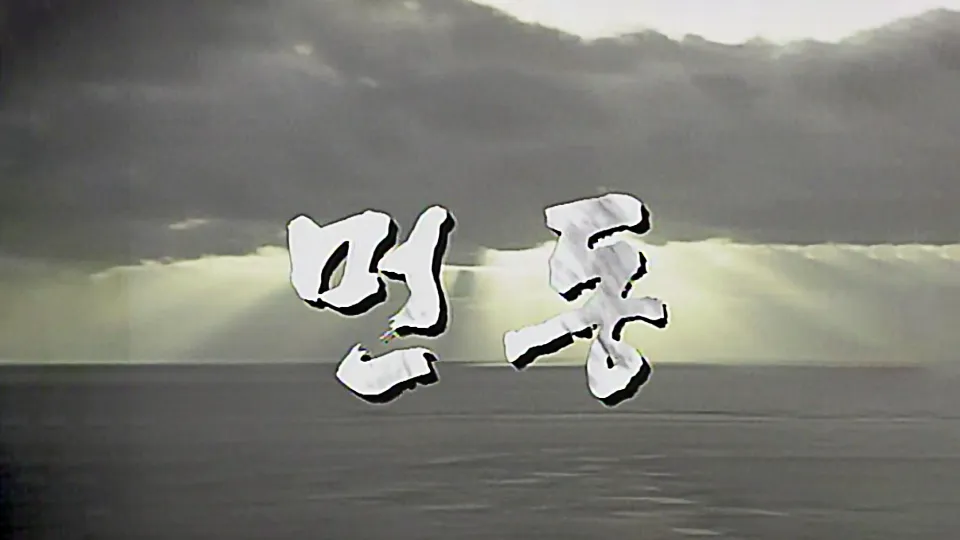
Long before the glossy, romanticized historical dramas of the Hallyu wave, there was Dawn (먼동). Aired in 1993 by the prestigious public broadcaster KBS1, this is a daeha sageuk—a grand epic historical drama—in its purest form. Based on Hong Sung-won’s acclaimed novel, the series charts the tumultuous journey of the Korean people through one of the most critical periods in their history: the late Joseon Dynasty (Guhanmal) and the tragic path toward the loss of national sovereignty. Rather than focusing solely on kings and generals, Dawn tells its story through the eyes of the minjung, the common people, whose tenacious will to survive and fierce desire for freedom form the heart of this sprawling, powerful narrative.
A Nation at the Breaking Point
The story of Dawn is not one of palace intrigue but of raw, human endurance. Set during the late 19th and early 20th centuries, it opens around the period of the Donghak Peasant Revolution (1894) as a nation grapples with internal corruption, social upheaval, and overwhelming foreign interference. As foreign powers—particularly Imperial Japan—tighten their grip, the drama follows its characters through the tragic collapse of their society and the fight for human dignity. Against this bleak backdrop, we witness their personal struggles for love, family, and justice, which become inextricably linked with the larger struggle of the Korean people. The narrative is a testament to the quiet, unyielding resistance that simmered during the darkest hours of late Joseon history.
Deep Cultural Insight: The Spirit of the Minjung
To understand Dawn is to understand the concept of minjung (민중). This term, referring to the common populace or “the masses,” is central to modern Korean identity. It represents the people who have historically borne the brunt of invasions, corrupt governance, and foreign encroachment, yet have remained the bedrock of the nation’s resilience. The drama was produced in a post-democratization South Korea that was actively re-examining its own painful history. By focusing on the minjung, Dawn tapped into a profound national sentiment, celebrating the everyday heroism of farmers, merchants, and local activists over the strategic maneuvering of political elites.
The story is also steeped in the uniquely Korean emotion of Han (한), a collective sense of unresolved grief, injustice, and sorrow. The chaotic late Joseon era is a major source of modern Han, and the drama channels this feeling not as a sign of defeat, but as a powerful fuel for the enduring hope of renewal—the “dawn” that the title promises.
Narrative Analysis: Grit Over Glamour
Viewers accustomed to contemporary K-dramas will find the storytelling in Dawn starkly different. The production is characterized by its “sun-gulgeun” (선 굵은) style, which translates to “thick-lined” or bold and unrefined. There is no romantic filter here. The poverty is palpable, the violence is unflinching, and the emotional struggles are raw. The narrative unfolds at a deliberate, epic pace, allowing the weight of history to settle upon both the characters and the audience. Its power lies not in shocking plot twists but in its meticulous, authentic depiction of a generation’s struggle to keep their identity and humanity intact against impossible odds.
The Pulse of the Time: A National History Lesson
In the early 1990s, KBS1’s grand historical dramas were significant cultural events. Watched by families across the country, they served as both entertainment and a form of collective historical memory. Dawn was more than just a television show; it was a reaffirmation of national identity. In an era before the internet and global streaming, such programs played a crucial role in shaping the public’s understanding of its past. The drama’s serious tone and commitment to historical depiction were deeply respected, cementing its place as a classic of the genre that powerfully resonated with a public proud of its democratic achievements and eager to honor the sacrifices of previous generations.
Cast Spotlight: Pillars of a Generation
The drama’s emotional weight rests on the shoulders of its exceptional cast, led by actors who defined an era of Korean television.
- Ha Hee-ra (하희라): As the central female protagonist, Ha Hee-ra delivers a tour-de-force performance that earned her the prestigious Grand Prize (Daesang) at the 1993 KBS Drama Awards. A major star of the period, she was renowned for portraying resilient women with immense inner strength. Here, she embodies the spirit of the Korean people—enduring unimaginable hardship with a quiet fortitude that is both heartbreaking and inspiring.
- Kim Jin-tae (김진태) & Jeong Dong-hwan (정동환): These two veteran actors are titans of the historical drama genre. Their presence lends an immediate gravity and authenticity to the production. Known for their powerful, nuanced portrayals of complex characters, they anchor the series with a profound sense of historical weight, representing the patriarchal figures and community leaders grappling with the collapse of their world.
Global Viewing Guide
For international fans looking to explore this classic piece of Korean television history, the series can be found on select platforms specializing in classic content.
- KOCOWA: This platform, a joint venture of Korea’s major broadcasters, is often the best source for classic KBS dramas with English subtitles.
- Wavve: Primarily available to viewers in South Korea, this is the main domestic streaming home for the drama.
- KBS World YouTube / KBS Drama Classic: KBS’s official YouTube channels often stream classic epic dramas for global audiences. It is worth checking for official uploads.
Final Verdict
Dawn is essential viewing for anyone who wishes to understand the historical and emotional foundations of modern Korea. It is a challenging, somber, and deeply moving saga that stands in stark contrast to today’s trendy dramas. If you are seeking a profound story about the enduring power of the human spirit and the historical roots of Korean identity, this timeless classic is an unforgettable experience.

The KCulture Editorial Team is dedicated to providing deep insights and accurate information about the vibrant world of Korean culture.