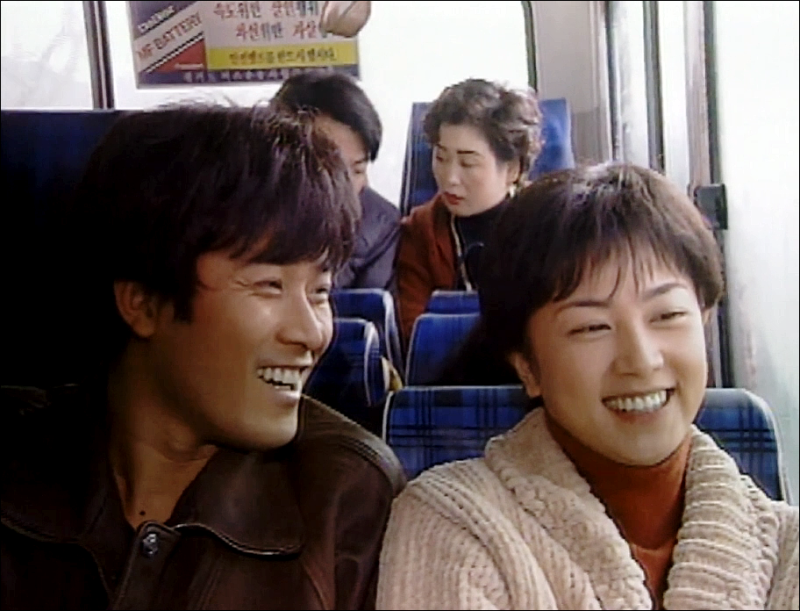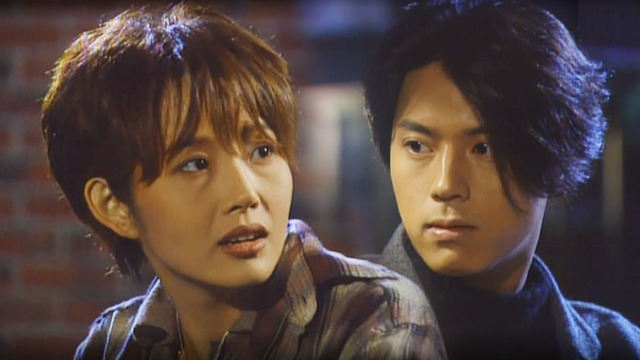
Introduction & Synopsis
In the mid-1990s, Korean television was experimenting with new ways to portray the ambitions, anxieties, and relationships of a rapidly changing generation. One intriguing example was Jazz (째즈), a 1995 SBS drama that combined youthful romance, complicated friendships, and a murder mystery against the atmospheric backdrop of a jazz club.
Directed by Oh Jong-rok and written by Jo Hee, the 16-episode series aired from September 6 to October 26, 1995. Its story revolves around a group of young people whose intertwined lives are overshadowed by the mysterious death of a young woman.
The drama introduces Chae Song-hwa, a writer specializing in reportage who becomes involved in a murder investigation after an unexpected encounter with a police officer. As the mystery unfolds, the story explores the relationships among four young people: Yoon Bada, Lee Haneul, Danbi, and Kang Hansae.
Bada is a young man who has moved to the city from a provincial town, while Haneul comes from a wealthy family and seems to embody the confidence and privileges of Korea’s emerging affluent generation. Their lives intersect during their university years. Danbi, caught between her ideals and the realities of life, eventually meets a tragic fate, while Hansae remains closely connected to the group’s complicated history.
Much of the drama’s atmosphere is shaped by a jazz bar called Cool Jazz, where personal relationships, youthful dreams, and the investigation into Danbi’s death become intertwined.
The Cultural Background: Korea’s X-Generation
To understand the atmosphere of Jazz, it helps to consider South Korea in the mid-1990s. The country was experiencing significant economic and cultural changes. International travel, foreign music, fashion, and new forms of consumer culture were becoming increasingly visible, particularly among younger Koreans.
The term “X-Generation” (X-세대) became a popular label for young people associated with individualism, distinctive fashion, changing attitudes toward authority, and an enthusiasm for contemporary popular culture.
Korean television was also changing. Alongside traditional family dramas, broadcasters increasingly explored the lives and relationships of young urban characters. The so-called “trendy dramas” of the 1990s often emphasized romance, fashion, music, and the lifestyle of a generation growing up in a more affluent and internationally connected society.
Jazz belongs to this broader cultural moment, although its murder mystery distinguishes it from more conventional romantic dramas.
The choice of jazz as a setting was particularly evocative. For many Korean viewers of the period, jazz clubs suggested a sophisticated urban atmosphere, associated with nightlife, emotional expression, and Western musical influences. The drama uses this environment to contrast the outward glamour of young urban life with the conflicts and disappointments experienced by its characters.
The Story: Youthful Dreams and a Mysterious Death
Unlike a straightforward romantic melodrama, Jazz builds its story around an investigation into a young woman’s death. The mystery gradually exposes the relationships, secrets, and emotional conflicts among the central characters.
The contrast between Yoon Bada and Lee Haneul is particularly important. Bada comes from a relatively modest provincial background, while Haneul is the son of a wealthy businessman. Their different circumstances reflect the social and economic divisions that remained significant in Korean society despite the growing optimism of the 1990s.
Danbi occupies a crucial position in the story. Her struggle between personal ideals and reality, followed by her tragic death, becomes central to the unfolding mystery. Questions about the circumstances surrounding her death place the other characters under suspicion and force them to confront their complicated relationships.
Chae Song-hwa’s involvement provides another perspective on these events. As a reportage writer drawn into the investigation, she becomes an important figure in uncovering the truth.
The drama combines romantic tensions with elements of crime and suspense. Its central questions concern not only who is responsible for the tragedy but also how love, ambition, class differences, and personal choices influence the lives of the characters.
Visual Style and the Role of Music
One of the distinctive features of Jazz is its attempt to build a recognizable atmosphere around music and urban nightlife. The jazz bar Cool Jazz serves as more than a convenient meeting place. It provides a setting in which different personalities, emotions, and social backgrounds come together.
The drama’s presentation reflects the stylistic interests of Korean television during the 1990s, when producers were increasingly experimenting with fashion-conscious characters, urban locations, and music-centered storytelling.
The contrast between the glamorous surroundings and the darker events of the plot contributes to the show’s identity. Its combination of romance, suspense, and a jazz-club setting gives it a different character from many family-oriented dramas of the period.
An original soundtrack album was also released, reflecting the importance of music to the production’s presentation. However, the existence of the soundtrack should not be confused with evidence that it became a major commercial hit.
Cast Spotlight: Familiar Faces of 1990s Korean Television
Choi Jin-sil as Chae Song-hwa
Choi Jin-sil was already one of South Korea’s best-known television and film actresses when she appeared in Jazz. Her character, Chae Song-hwa, is a reportage writer who becomes involved in the murder investigation.
Rather than simply portraying a conventional romantic heroine, Choi takes on a role connected to the investigation at the center of the drama. Her presence also gave the series a recognizable star at a time when she was among the most prominent actresses in Korean popular entertainment.
Han Jae-suk as Lee Haneul
Han Jae-suk plays Lee Haneul, a young man from a wealthy family whose privileged background contrasts with that of Yoon Bada. Haneul’s relationships and his connection to the central tragedy become important elements of the story.
The character represents an affluent side of the emerging urban youth culture of the 1990s, while the unfolding mystery complicates his seemingly fortunate circumstances.
Jo Min-ki as Yoon Bada
Jo Min-ki portrays Yoon Bada, a young man who has moved to the city from a provincial town. His relationship with Haneul begins during their university years, bringing together two people from markedly different backgrounds.
Bada’s experiences provide a contrast to the world of wealth and privilege represented by Haneul. His involvement in the relationships surrounding Danbi forms an important part of the narrative.
Jung Hye-young as Danbi
Jung Hye-young plays Danbi, credited as Hong Danbi and Jung Danbi. She is one of the most important figures in the drama, despite the tragedy surrounding her character.
Danbi’s struggle between youthful ideals and the realities of life lies at the heart of the story. Her death becomes the central mystery that connects the other characters and drives much of the narrative.
Jung Sung-hwan as Kang Hansae
Jung Sung-hwan portrays Kang Hansae, another figure closely connected to the young people at the center of the story.
His character adds another dimension to the relationships and unresolved questions surrounding the tragedy, contributing to the drama’s mixture of personal conflict and suspense.
Byun Woo-min as Oh Dal-su
Byun Woo-min plays Oh Dal-su, an important supporting character in the murder-mystery narrative. His appearance also adds another familiar face from the 1990s Korean entertainment industry to the ensemble.
How Jazz Fits into the History of Korean Drama
The mid-1990s was an important transitional period for South Korean television drama. Traditional family stories continued to attract large audiences, but broadcasters were also exploring new genres and presentation styles.
Shows increasingly featured young adults navigating romance, friendship, careers, and conflicts between individual desires and social expectations. Contemporary fashion, popular music, and urban settings became important parts of the viewing experience.
Jazz reflects several of these developments. Its characters inhabit a world shaped by wealth, social mobility, youth culture, and changing expectations about relationships. At the same time, its murder investigation introduces a darker narrative structure into a contemporary youth drama.
It would be an exaggeration to describe Jazz as the drama that established the trendy-drama genre or as one of the defining commercial successes of the decade. Nevertheless, it remains an interesting example of the variety of storytelling approaches being explored by Korean broadcasters during this period.
For contemporary viewers, the series offers a glimpse into how 1990s Korean television represented urban sophistication, generational differences, and the often uneasy relationship between youthful dreams and adult reality.
Global Viewing Guide
Unlike many older Korean dramas that are difficult to locate legally, Jazz has an official episode archive on the SBS website.
- SBS Official Website: The broadcaster provides a page for the series with all 16 episodes listed. Visit Jazz Episode 1 on SBS to access the official archive and navigate to the other episodes. Playback, account requirements, and geographic restrictions may vary.
- International Streaming Services: Availability on platforms outside Korea has not been confirmed. Viewers should check current regional catalogs rather than assume that the series is available with English subtitles.
International viewers should also be aware that English subtitles may be unavailable, even when the original Korean episodes can be accessed.
Final Verdict
Jazz is an intriguing example of Korean television during a period of cultural transition. Rather than following only the conventions of a romantic melodrama, it combines relationships among young adults with the investigation of a tragic death, using the distinctive atmosphere of a jazz club to bring these elements together.
Its greatest interest today lies in the combination of its cast, unusual setting, and portrayal of the aspirations and contradictions of urban youth in 1990s South Korea.
For viewers interested in the history of K-dramas, Jazz offers a look at a time when Korean television was expanding its storytelling ambitions and experimenting with new ways to portray a changing society.

The KCulture Editorial Team is dedicated to providing deep insights and accurate information about the vibrant world of Korean culture.