Introduction: The Flavor of Nostalgia
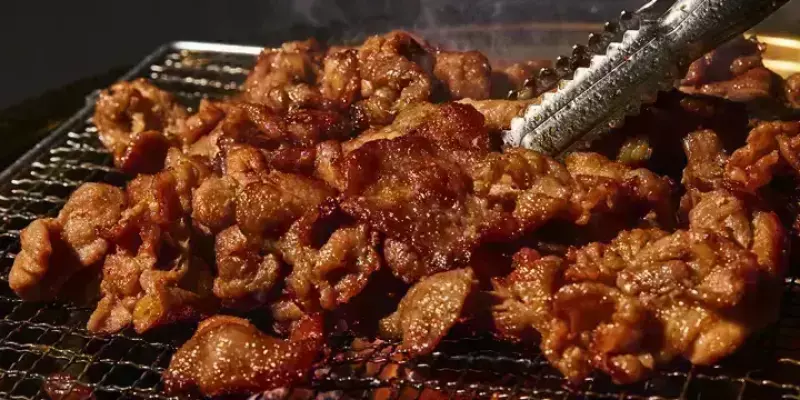
Step into the heart of Korean culinary history with Yeontan-bulgogi, a dish that tantalizes the senses and evokes a deep sense of nostalgia for many Koreans. Unlike its more common stovetop or gas-grilled cousins, Yeontan-bulgogi is defined by its unique cooking method: grilling marinated meat over ‘yeontan,’ traditional charcoal briquettes. This method was especially popular in the mid to late 20th century and is now enjoying a retro-cool revival. Koreans often gather at cozy, old-school restaurants to enjoy this dish with friends after a long day of work, pairing its smoky flavor with a cold drink. The taste is a masterful blend of savory, sweet, and sometimes spicy notes from the marinade, all supercharged by an irreplaceable smoky aroma that can only come from a real charcoal fire.
Ingredients & Flavor Profile
Key Ingredients
The star of Yeontan-bulgogi is beautifully thin-sliced meat, which can be either tender pork (Dwaeji-bulgogi) or succulent beef (So-bulgogi). The thin cut is crucial as it allows the meat to cook quickly and absorb the maximum amount of smoky flavor from the briquettes.
The Secret of Taste
The soul of this dish lies in its marinade and its unique cooking fire. Chefs choose one of two primary seasoning bases: a savory-sweet soy sauce (ganjang) marinade or a fiery, pungent red chili paste (gochujang) marinade. The ganjang style is rich with notes of garlic, ginger, and sometimes pear for a touch of sweetness, while the gochujang style delivers a bold, spicy kick. However, the true secret ingredient is the ‘bulmat’ or ‘fire taste’ imparted by the yeontan briquettes. This deep, smoky essence permeates the meat, creating a complex flavor profile that is impossible to replicate with modern cooking methods.
Dietary Information (Vegetarian/Allergy)
Please be aware that Yeontan-bulgogi is Not Vegetarian. The dish is fundamentally based on marinated and grilled meat, and a meat-free version is not available.
Safety Tip: As this is a meat-centric dish, vegetarian options are not offered. However, if you have specific allergies, it is always a good practice to inform the restaurant staff about your dietary restrictions, as marinades can contain various ingredients.
How It’s Cooked
The preparation of Yeontan-bulgogi is a performance of heat and speed. First, thinly sliced pork or beef is bathed in a rich, flavorful marinade, allowing it to tenderize and absorb all the seasoning. The magic begins when this marinated meat is spread across a wire grill rack placed directly over glowing, intensely hot yeontan charcoal briquettes. As the meat hits the grill, it sizzles instantly, releasing a plume of fragrant, savory smoke. The chef must then work quickly, flipping the meat constantly to cook it through while infusing it with that signature smoky flavor and creating a perfect char without burning it. This rapid, expert grilling process ensures every piece is juicy, tender, and kissed by fire.
This is a standard method based on general recipes. Every restaurant has its own secret twist and unique style!
Nutritional & Health Benefits
Beyond its incredible taste, Yeontan-bulgogi offers solid nutritional value, making it a satisfying and hearty meal.
- High-Quality Protein: Both pork and beef are excellent sources of complete protein, which is vital for building and repairing muscle tissue, maintaining energy levels, and supporting overall body function.
- Rich in B Vitamins: This dish is packed with essential B vitamins, particularly Vitamin B12 found in beef, which is crucial for nerve health and the formation of red blood cells.
- Essential Minerals: The meat provides important minerals like iron, which helps prevent anemia, and zinc, which is essential for a strong immune system.

The KCulture Editorial Team is dedicated to providing deep insights and accurate information about the vibrant world of Korean culture.