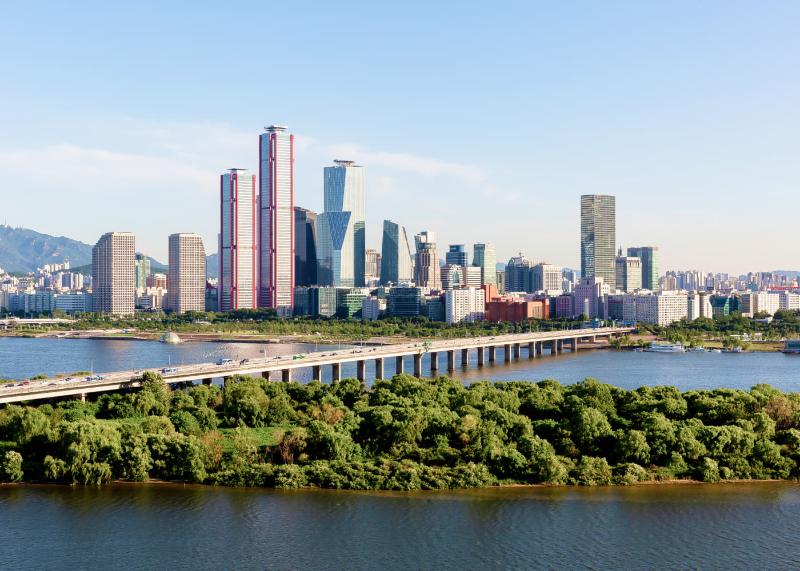
If you look out over the Han River (한강) from the bustling bridges of Seoul, you will notice a dense, intensely green island sitting silently in the water, entirely untouched by the city’s chaotic skyline. As of 2026, Bamseom Island (밤섬) is a strictly restricted, uninhabited ecological sanctuary that serves as the ultimate basecamp for Seoul’s wildlife. Originally blown up in 1968 for urban development, the island miraculously healed itself over decades through natural sediment accumulation. Today, it stands as a symbol of nature’s formidable resilience, offering a vital breeding and resting ground for migratory birds and aquatic life that were displaced by the industrial channelization of the river.
For many travelers and residents alike, Bamseom remains an inaccessible mystery. You cannot walk its shores, yet its presence breathes life into the entire city. This article explores the tragic history of Bamseom, its cinematic fame, and why this “forbidden island” is the most important ecological treasure in the South Korean capital.
- The Cinematic Metaphor: Castaway on the Moon
- The Tragedy of 1968: The Explosion of Bamseom
- Nature’s Miraculous Resilience: A Ramsar Wetland
- A Crucial Ecological Basecamp for Seoul’s Wildlife
- Invisible Yet Invaluable: Protecting Bamseom Today
- FAQ
- Explore More About Korean Culture
The Cinematic Metaphor: Castaway on the Moon
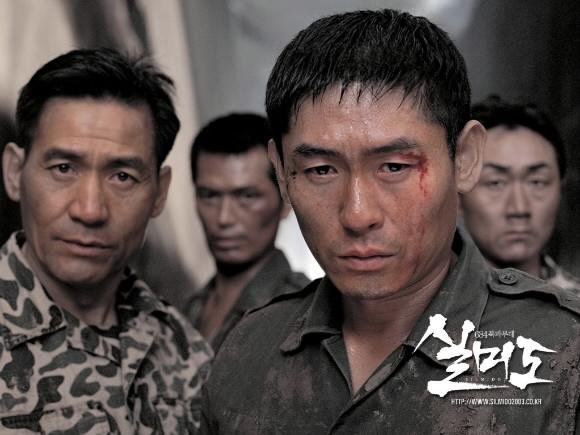
To truly understand the modern cultural footprint of Bamseom, we must look at how it has been portrayed in popular media. Because it is a “perfect desert island” right in the middle of a hyper-advanced metropolis, it provides a fascinating geographical irony. This concept was brilliantly captured in the beloved 2009 South Korean film Castaway on the Moon (김씨표류기).
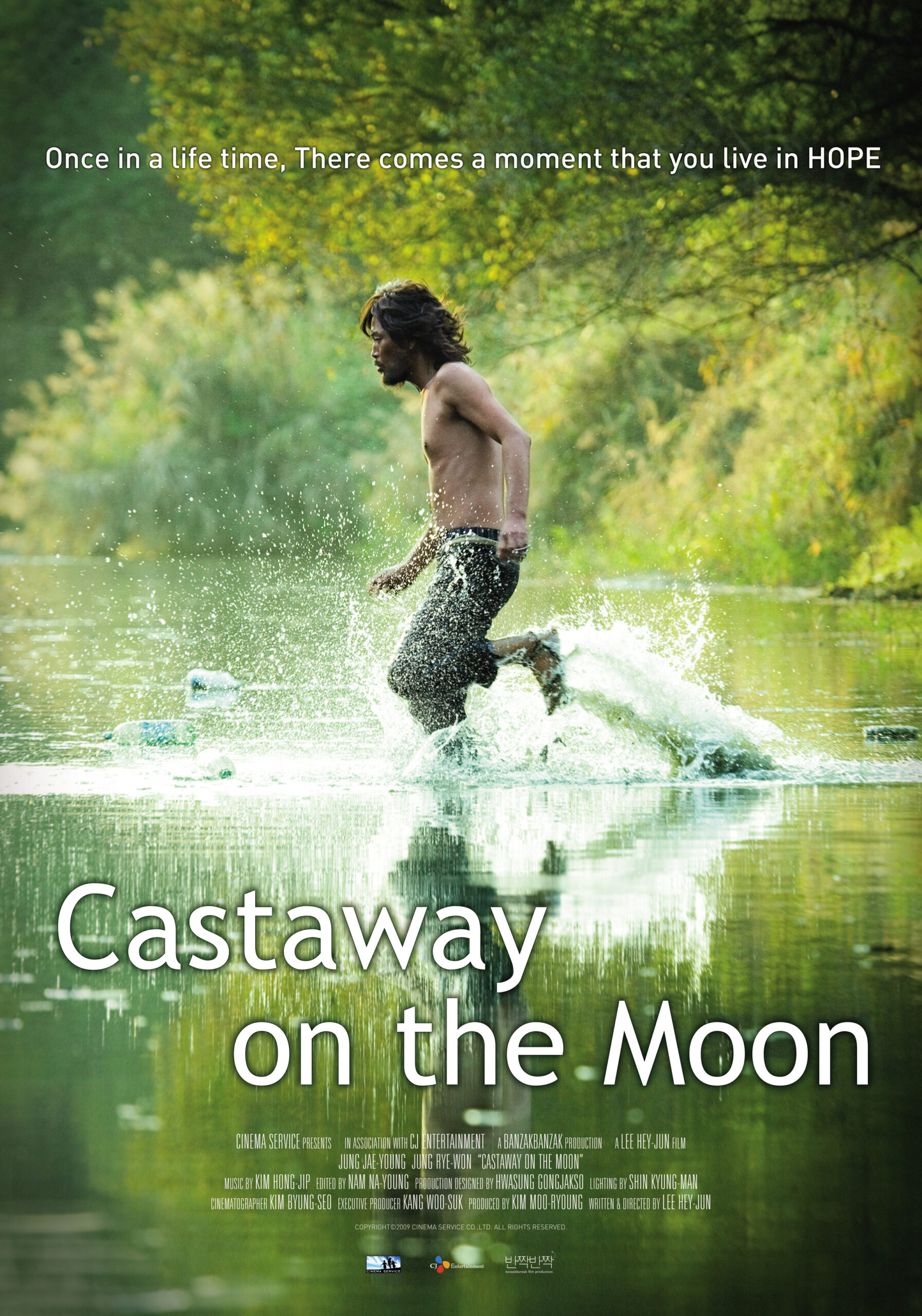
| Category | Details |
|---|---|
| Release / Director | 2009 / Lee Hae-jun |
| Lead Cast | Jung Jae-young (Mr. Kim), Jung Ryeo-won (Ms. Kim) |
| Core Plot | A debt-ridden man attempts suicide by jumping into the Han River but washes up on Bamseom Island. Unable to swim back to the nearby city, he begins a bizarre, primitive survivalist life. Meanwhile, a severely introverted woman (a hikikomori) who hasn’t left her room in years observes him through a telescope, sparking an unusual, distant connection. |
| Global Reception | Holding an 8.1 rating on IMDb, it is widely regarded as one of the best Korean films by international audiences. Its profound philosophical metaphor for extreme competition, urban isolation, and hope has made it a cult classic. |
The movie perfectly captures the essence of Bamseom—a place so close to the towering skyscrapers, yet completely disconnected from human society. What makes the film even more remarkable is that the production team was granted rare, special authorization from Seoul authorities to actually film on the island. It stands as a unique exception to Bamseom’s strict no-entry policy, permanently documenting the island’s raw interior on film.
The Tragedy of 1968: The Explosion of Bamseom
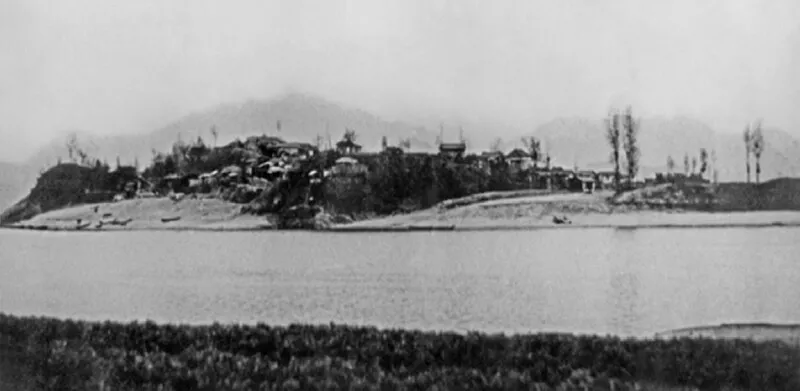
The Bamseom we see today is vastly different from its original form. Up until the 1960s, Bamseom was a beautiful, inhabited island originally known as “Yuldo” (栗島), meaning Chestnut Island, named after its silhouette as seen from the surrounding mountains. It was home to a thriving village of about 62 households and nearly 600 residents. The islanders cultivated mulberry trees, licorice, and peanuts, grazed goats along the grassy banks, and possessed exceptional shipbuilding and ferrying skills.
However, the rapid industrialization of South Korea demanded sweeping changes. On February 10, 1968, the Seoul Metropolitan Government detonated the island. The goal was twofold: to widen the river’s flow to prevent flooding and to extract rocks, gravel, and earth to build the Yunjungje embankment for the new political and financial hub of Yeouido (여의도). The residents were forcibly relocated to the Mapo (마포) district, and Bamseom completely vanished beneath the surface of the river, sacrificed for the sake of urban development.
📌 Local Note: The sacrifice of Bamseom literally laid the physical groundwork for modern Yeouido, which is now famously known as the “Wall Street of South Korea” and home to the National Assembly.
Nature’s Miraculous Resilience: A Ramsar Wetland
What happened next is one of the greatest environmental miracles in Seoul’s history. After the explosion, the river itself began quietly rebuilding the island. Without human interference, the flowing Han River naturally deposited silt, sand, and soil back onto the remnants of the bedrock.
Over the decades, reeds and willow trees took root, and a dense, lush wetland grew. Measurements over the years illustrate the sheer scale of this transformation. From around 45,000 square meters shortly after the explosion, the island has expanded to nearly 300,000 square meters today. In 1999, it became Seoul’s first-ever designated “Ecological and Landscape Conservation Area.” By 2012, its global value was cemented when it was registered as a Ramsar Wetland, internationally recognized as a crucial, naturally occurring riverine habitat in a metropolis.
A Crucial Ecological Basecamp for Seoul’s Wildlife
During Korea’s rapid economic rise, the Han River underwent severe artificial channelization, which wiped out countless natural habitats. In this concrete environment, Bamseom emerged as the ultimate refuge.
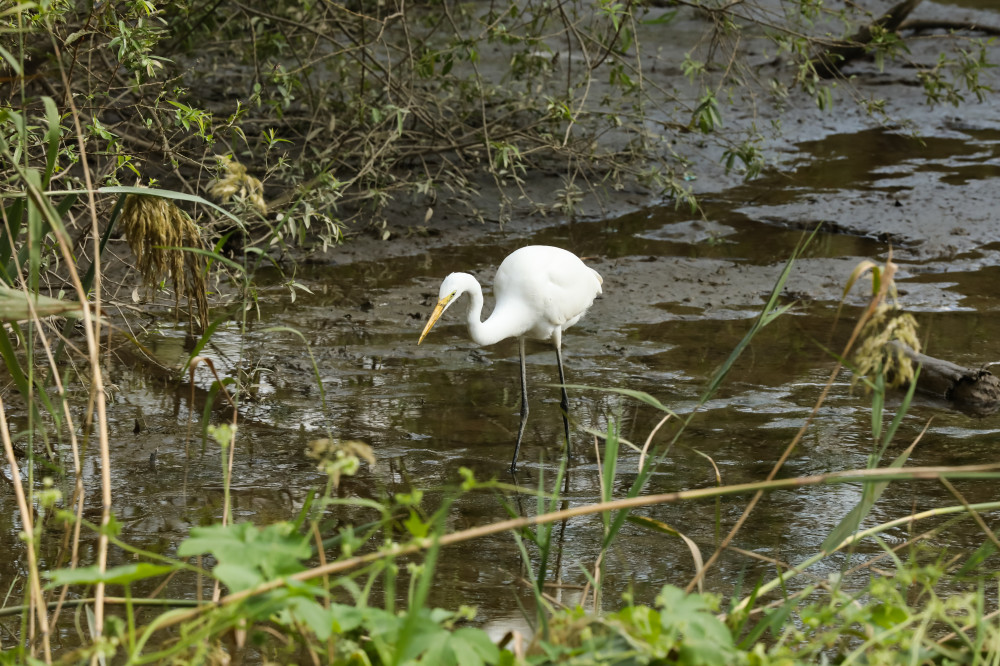
If you take an evening walk along Cheonggyecheon Stream (청계천) and wonder where the hunting egrets and herons go when the sun sets, the answer is Bamseom. Because human access is strictly prohibited and natural predators are absent, these birds fly back to Bamseom at night. It acts as their secure basecamp, where they sleep safely and breed in colonial nests during the summer.
- Avian Sanctuary: Bamseom is a vital breeding ground for the grey heron, great egret, and black-crowned night heron. In winter, thousands of migratory waterfowl, including mallards and great cormorants, blanket the surrounding waters.
- Endangered Mammals: Recent ecological surveys using camera traps have confirmed the presence of rare, elusive species such as the endangered Eurasian otter (수달) and leopard cat (삵), proving the river’s slow but steady ecological recovery.
- Aquatic Nursery: The shallow mudflats around the island serve as a massive, safe spawning ground for native fish like carp, forming a complete food chain right in the center of Seoul.
Invisible Yet Invaluable: Protecting Bamseom Today
If you take a cruise on the Han River or drive across the Seogang Bridge (서강대교), you can clearly see the dense green canopy of Bamseom. But you can never set foot on it. Access is strictly forbidden to all citizens and tourists.
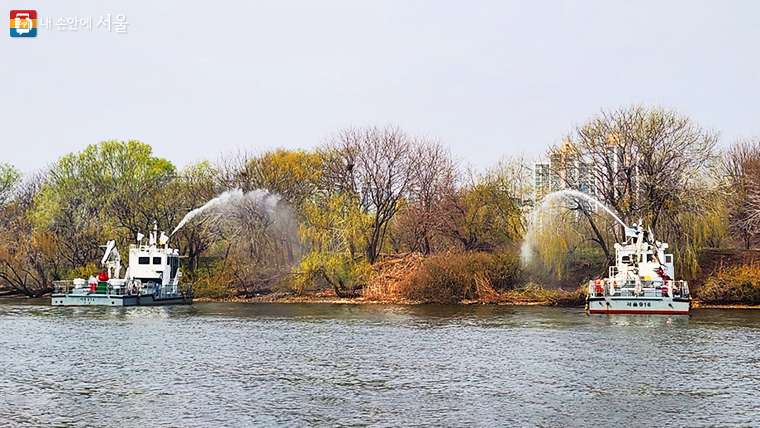
Preserving an untouched island requires dedicated effort. Each spring, authorized maintenance teams use high-pressure hoses to wash highly acidic winter droppings from great cormorants off the willow trees to prevent the island’s flora from dying. Volunteers and ecologists also routinely remove invasive plant species, like the bur cucumber, and clean up trash washed ashore by monsoon floods.
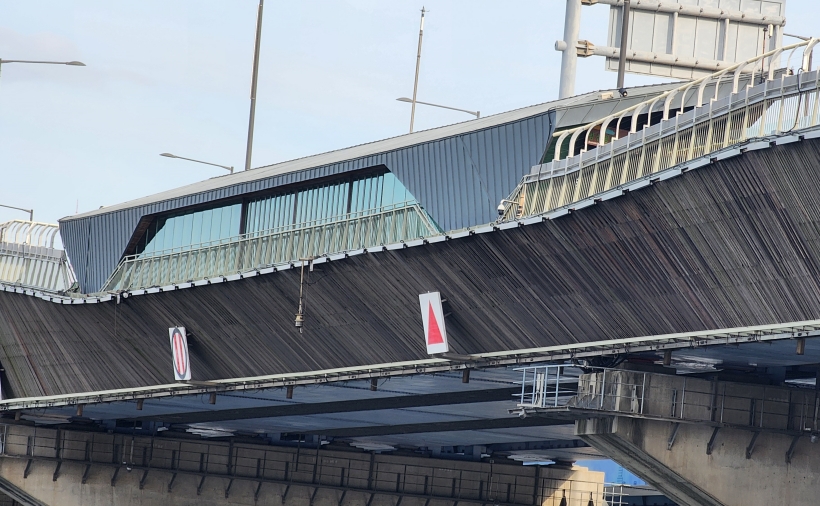
For those curious to learn more without trespassing, the Bamseom Ecological Experience Center (밤섬생태체험관) is the best alternative. Rather than simply being located “near” the river, this unique facility is built directly onto the pedestrian path of Mapo Bridge (마포대교), specifically toward the southern Yeouido side. Because it sits over the river as part of the bridge infrastructure, it is accessible only on foot. Visitors can easily reach it by walking along the bridge from Yeouido or by taking the connecting pedestrian stairs directly up from Yeouido Hangang Park. Inside, the center offers free exhibitions, educational programs, and observation decks equipped with telescopes to view the island’s wildlife from a respectful distance.
In 2026, Bamseom is far more than just an ecological restoration success story. Surrounded by flashing neon lights and skyscrapers, it stands as a quiet, philosophical metaphor for healing. It proves that nature, when given the space and time to recover without human interference, can build something richer than what was destroyed.
FAQ
Can I visit Bamseom Island in person?
No. Bamseom is a legally protected Ecosystem Landscape Conservation Area and Ramsar wetland, and public entry is strictly prohibited to preserve its ecological value. You can only view it from the riverbank, nearby bridges, or the Bamseom Ecological Experience Center.
Why was Bamseom destroyed in 1968?
The Seoul Metropolitan Government demolished the island to obtain rocks and soil for building the Yunjungje flood-control embankment, which was necessary to develop Yeouido into the city’s new financial and political district.
Is Bamseom really a Ramsar wetland?
Yes. It was registered as Ramsar Site No. 2050 on June 21, 2012, recognized as a crucial, naturally occurring riverine island in the Han River ecosystem.
Was the movie ‘Castaway on the Moon’ actually filmed on Bamseom?
Yes. The 2009 film was granted special, one-time authorization from Seoul authorities to film on the real island, making it the only production ever allowed to shoot on site.
Explore More About Korean Culture & Travel
If you are planning to explore the diverse facets of South Korean culture, check out these comprehensive guides:
- Top 10 Autumn Festivals in South Korea to Experience in 2026
- Best Korean Literature in English: A Guide Beyond Han Kang
- 5 Famous Korean Poets & Must-Read Translated Books
- What is Korean Boknal? Korea’s Hottest Summer Days Explained
- Yi-Yeol-Chi-Yeol: Inside Korea’s Traditional Hanjeungmak Kilns
- Korean Functional Cosmetics: Ingredients, Science & Side Effects
- Top Viral Daiso Korean Cosmetics You Need to Buy in 2026
- Mudeungsan Watermelon (Puraengi): Korea’s $200 Giant Fruit
Korean Culture portal KCulture.com

Founder of Kculture.com and MA in Political Science. He shares deep academic and local insights to provide an authentic perspective on Korean history and society.