Introduction & Synopsis
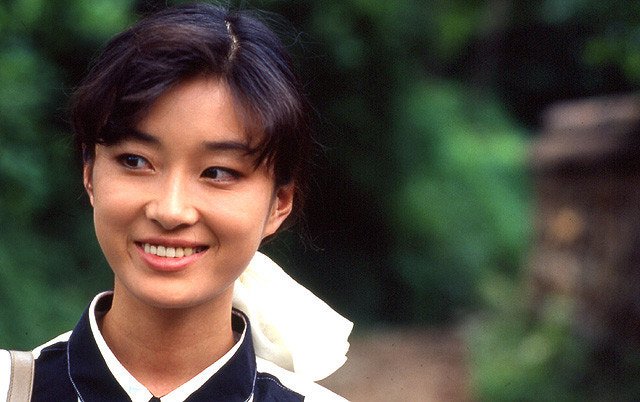
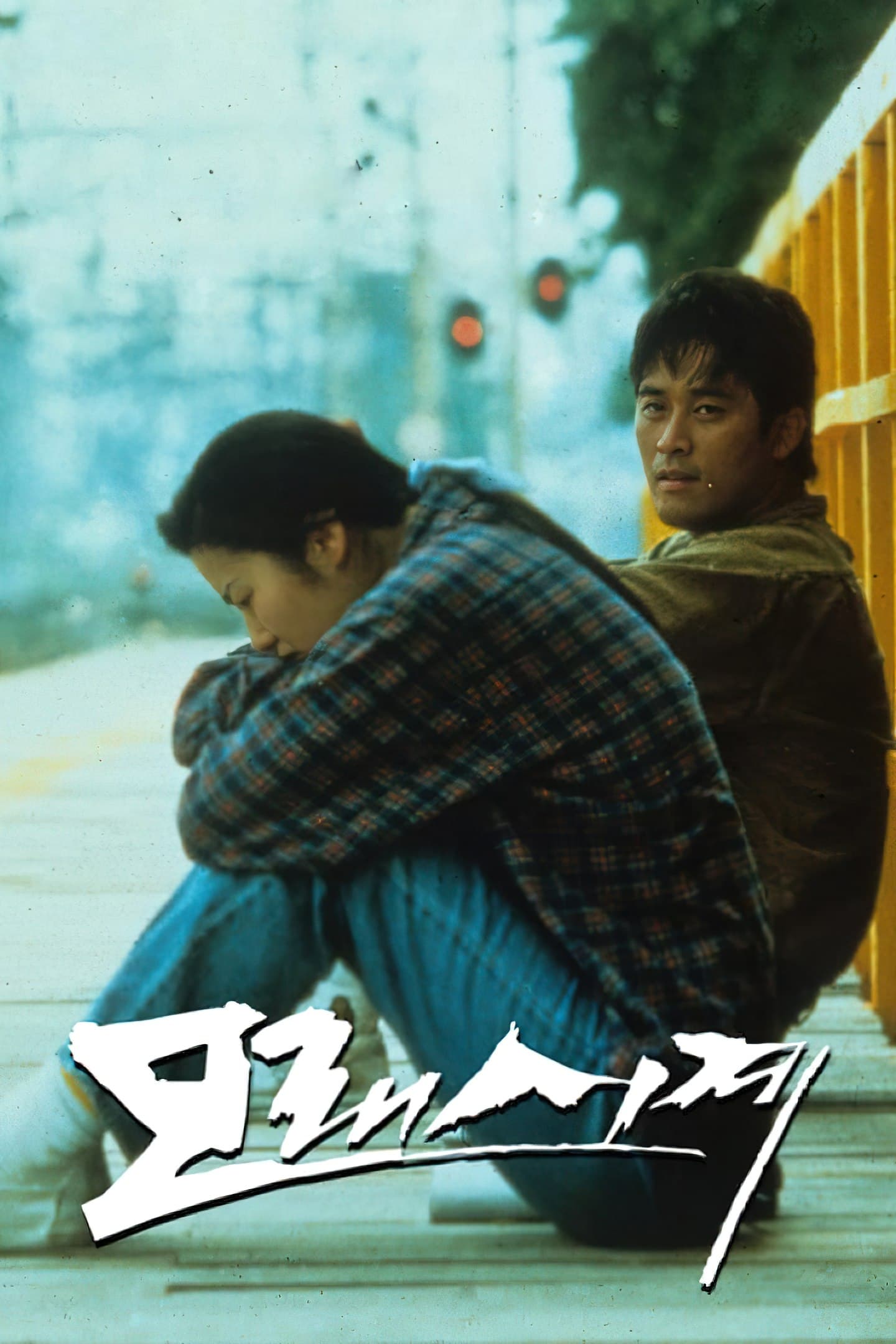
Imagine a television show so powerful that it brings an entire nation to a standstill. That was the reality of Sandglass (모래시계), a landmark drama that transcends mere entertainment to become a cultural touchstone. Set against the violent and transformative decades of South Korea from the 1970s to the 1990s, the story follows the intertwined and tragic destinies of three university friends: Park Tae-soo (Choi Min-soo), a tough brawler who rises through the ranks of the criminal underworld; Kang Woo-suk (Park Sang-won), a brilliant and principled man who becomes a prosecutor; and Yoon Hye-rin (Go Hyun-jung), a beautiful and ambitious casino heiress. Rather than a simple love triangle, the core dynamic explores the deep friendship and tragic ideological clash between Tae-soo and Woo-suk as they find themselves on opposite sides of the law. Meanwhile, Hye-rin receives the fierce, unrequited devotion of her silent bodyguard, Baek Jae-hee. Their personal bonds of love, loyalty, and betrayal are tested and ultimately shattered by the seismic historical forces sweeping their country. Produced by SBS and originally aired in 1995, Sandglass is not just a story; it’s a national epic.
A Reckoning with a Painful Past
To understand the monumental impact of Sandglass, one must understand the Korea of the mid-1990s. The nation had only recently transitioned to a full democracy after decades of authoritarian military rule. The memories of political oppression, brutal crackdowns, and censored history were still raw and largely unspoken in mainstream media. Sandglass shattered this silence.
The drama’s most audacious and vital element was its unflinching depiction of the 1980 Gwangju Uprising, a pro-democracy protest that was violently crushed by the military government, resulting in hundreds of civilian deaths. For years, the event was officially labeled a communist-inspired riot, and discussing it openly was taboo. Sandglass was one of the first primetime television dramas to portray the massacre from the perspective of the victimized citizens, using actual news footage and harrowing reenactments. For millions of Koreans, watching these scenes on their television screens was a cathartic and revolutionary act—a collective acknowledgment of a national trauma.
Narrative Analysis: An Epic of Fate and Friendship
At its core, Sandglass is a tragedy on a grand scale, exploring themes of fate, justice, and the human cost of history. The “sandglass” of the title is a potent metaphor for time running out, as the characters find their ideals and relationships eroded by circumstances they cannot control. The narrative masterfully weaves personal drama with political history, making the point that in a turbulent era, the personal is always political.
The story’s central conflict is embodied by the two male leads. Tae-soo, who operates outside the law, and Woo-suk, who works within it, are two sides of the same coin, both seeking a form of justice in a corrupt world. Their divergent paths create a powerful and heartbreaking exploration of morality and sacrifice. The storytelling is dense and unflinching, refusing to offer easy answers or simple villains. It respects its audience’s intelligence, presenting a complex moral universe where good people are forced to make terrible choices.
The Pulse of the Time: The “Homecoming Clock”
The public reaction to Sandglass was unprecedented. Its broadcast nights became a national event. The drama earned the nickname “the homecoming clock” (귀가 시계), as legend has it that streets, bars, and offices would empty out minutes before it aired, with people rushing home to catch the latest episode. This phenomenon was reflected in its astonishing viewership ratings, which peaked at a staggering 64.5%—a figure almost unimaginable in today’s fragmented media landscape. Sandglass wasn’t just a popular show; it was a shared cultural experience that dominated the national conversation for months.
Cast Spotlight: Legendary Performances
The drama’s power rests on the shoulders of its phenomenal cast, whose performances have since become the stuff of legend.
- Choi Min-soo as Park Tae-soo: Choi delivered a career-defining performance as the charismatic, loyal, and ultimately tragic gangster. He embodied a raw, rebellious masculinity tinged with deep sadness, creating one of the most iconic anti-heroes in Korean television history.
- Park Sang-won as Kang Woo-suk: As the stoic and righteous prosecutor, Park provided the perfect moral anchor. He portrayed Woo-suk’s internal conflict—torn between his duty to the law and his loyalty to his friend—with quiet, profound intensity.
- Go Hyun-jung as Yoon Hye-rin: Go broke the mold of the passive female lead. Her Hye-rin was intelligent, ambitious, and deeply conflicted, a modern woman struggling for agency in a world controlled by powerful men.
- Lee Jung-jae as Baek Jae-hee: In a star-making breakout role, a young Lee Jung-jae played Hye-rin’s silent, devoted bodyguard. With minimal dialogue, he conveyed fierce loyalty and unrequited love through his intense gaze and physical presence alone, captivating the entire nation.
Global Viewing Guide
Finding this 90s classic with high-quality subtitles can be a challenge, but it is essential viewing for any serious K-drama fan. Currently, viewers can search for the drama on the following platforms:
- SBS VOD / SBS World YouTube: The official broadcaster often has clips or full episodes available on its domestic VOD service or international YouTube channels.
- Third-Party Streaming Sites: While not always on mainstream platforms like Viki or Kocowa due to its age, dedicated classic K-drama sites may sometimes license the series. A direct search is recommended.
Final Verdict
Sandglass is more than just a drama; it is a vital piece of television history. It’s a masterclass in epic storytelling, a brave political statement, and a poignant exploration of the human spirit. For global fans wanting to understand the cultural and historical foundations of the K-wave and the deep sense of *han* (a unique Korean sentiment of sorrow and injustice) that informs many of its greatest stories, Sandglass is required viewing. It is, without exaggeration, one of the most important television series Korea has ever produced.

The KCulture Editorial Team is dedicated to providing deep insights and accurate information about the vibrant world of Korean culture.