Korean Boknal: Why We Eat Boiling Samgyetang on the Hottest Days of Summer
During Korean Boknal (한국의 복날)—the three hottest days of the summer—locals traditionally eat boiling hot Samgyetang (삼계탕, ginseng chicken soup) to replenish lost nutrients and protect their internal organs from the extreme heat. Rooted in the traditional philosophy of Yi-Yeol-Chi-Yeol (이열치열), or “fighting heat with heat,” this centuries-old dietary custom remains one of Korea’s most important seasonal wellness rituals.
I know how baffling it can be for first-time visitors to see massive lines outside hot soup restaurants when it’s 35°C outside. But for those of us living in Korea, I can assure you that this is not just a quirky habit; it is a natural and essential survival method for enduring the humid monsoon season.
This article explains the historical meaning of Korea’s peak summer days, the fascinating science behind our beloved wellness foods, what you can eat to survive the heat, and how modern Koreans spend this unique time of year.
- What is Sambok? Understanding Korea’s Peak Summer Heat
- The Hidden Meaning Behind the Character “Bok” (伏)
- The Science and Philosophy of Yi-Yeol-Chi-Yeol
- Samgyetang: The Ultimate Summer Soul Food
- Joseon Dynasty Secrets: How Kings Beat the Heat
- Beyond Samgyetang: Other Must-Try Boknal Foods
- How Koreans Spend Sambok Today
- FAQ About Sambok and Samgyetang
- Continue Exploring Korean Summer Culture
What is Sambok? Understanding Korea’s Peak Summer Heat
To truly understand how Koreans navigate the intense midsummer weather, you first need to know about Sambok (삼복). While the year is divided into 24 traditional solar terms, Sambok refers specifically to the three hottest days of the year, calculated based on the relationship between the summer solstice and the beginning of autumn.
| Name | Korean | Meaning | Typical Timing |
|---|---|---|---|
| Chobok | 초복 | The beginning of the intense summer heat | Mid-July |
| Jungbok | 중복 | The peak of the summer heat | Late July |
| Malbok | 말복 | The final hot day before autumn approaches | Early to Mid-August |
Although modern Korea enjoys world-class air conditioning, Sambok remains deeply rooted in everyday life. Restaurants heavily advertise seasonal menus, and office workers deliberately schedule team lunches to eat restorative soups on these exact dates.
The Hidden Meaning Behind the Character “Bok” (伏)
One of the most fascinating aspects of this season is the Chinese character used for “Bok” (伏). It visually depicts a person bowing down low or lying flat on the ground.
Culturally, this symbolizes that the cool, refreshing energy of the approaching autumn is forced to bow down and hide, completely suppressed by the overwhelming power of midsummer heat. The heat is considered so intense that all of nature must simply lie low and wait it out. Rather than fighting the climate, traditional Korean culture uses these days to proactively prepare and strengthen the body with nourishing food.
The Science and Philosophy of Yi-Yeol-Chi-Yeol
Why do Koreans eat meals that are served literally boiling in stone pots when the weather is unbearably hot and humid? The answer lies in the ancient wisdom of Yi-Yeol-Chi-Yeol, which literally translates to “using heat to treat heat.”
| Principle | How It Works | The Benefit for Your Body |
|---|---|---|
| Medical Principle | In extreme heat, your blood rushes to the skin’s surface, leaving your internal organs (especially the stomach) surprisingly cold. | Warm the inside to beat the heat outside. Hot soups protect your digestive system from the shock of cold summer drinks. |
| Physiological Effect | Consuming spicy or boiling hot broths makes you sweat profusely. | As the sweat evaporates from your skin, it triggers the body’s natural evaporative cooling system, effectively lowering your core temperature. |
| Cultural Meaning | Sweating out the toxins while eating a hearty meal leaves you feeling incredibly light. | Koreans describe this refreshing, detoxifying feeling as “Shiwonhada (시원하다)”—a deep sense of internal relief and comfort. |
Samgyetang: The Ultimate Summer Soul Food
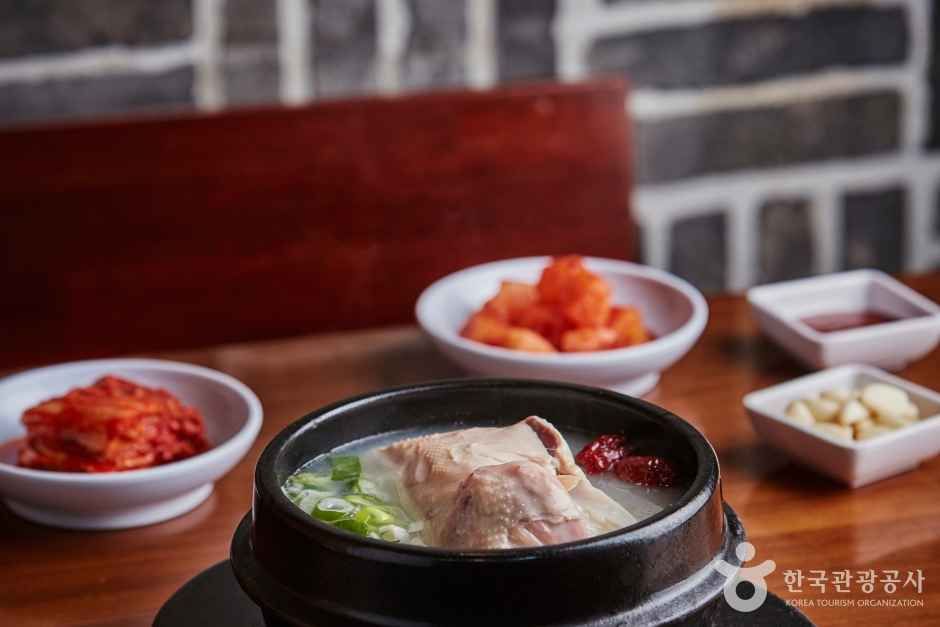
When Korean Boknal arrives, the undisputed king of the dining table is Samgyetang. It is a meticulously crafted medicinal meal known as yakseon (약선), designed to help the body recover from the summer heat.
- Young Chicken: We use young, tender spring chickens because their meat is soft, making the rich proteins easy for a heat-exhausted body to digest.
- Fresh Ginseng: The core of the dish, packed with saponin to boost the immune system and rapidly relieve fatigue.
- Jujube (Korean Dates): These sweet dates add depth to the broth and gently warm the body, neutralizing the intense properties of the herbs.
- Garlic: Acting as a natural antibiotic, garlic provides a stamina boost.
- Glutinous Rice: Stuffed inside the cavity of the chicken, this sweet rice absorbs the rich broth and provides comforting carbohydrate energy.
- Milkvetch Root (Hwanggi): A traditional herb utilized specifically to prevent excessive sweating during the humid months.
💡 Local Note: You might think Samgyetang has been around exactly as it is for thousands of years. Interestingly, during the early 20th century, it was called Gyesamtang (계삼탕). It wasn’t until the 1960s, with the advent of modern refrigeration, that fresh ginseng became widely available. The name was flipped to highlight the luxurious ginseng (Sam) over the chicken (Gye), creating the iconic name we use today!
Joseon Dynasty Secrets: How Kings Beat the Heat
During the Joseon Dynasty, the kings possessed a luxurious advantage: the Seobinggo (서빙고), a massive royal ice house. On Boknal, the king would distribute precious ice to his high-ranking officials as a symbol of royal grace.
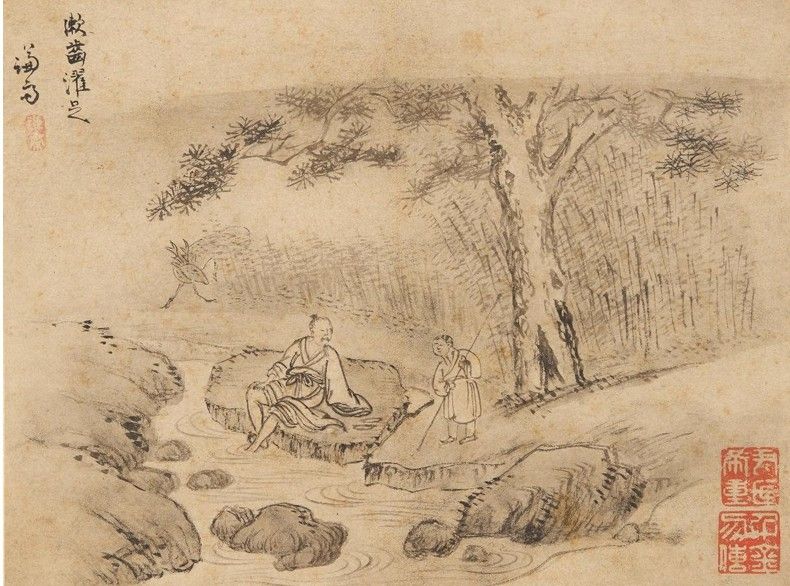
However, owing to traditional medicinal beliefs, they never consumed ice on its own. They paired it with warm, highly nutritious broths to maintain internal balance. Meanwhile, outside the palace walls, ordinary citizens created their own escape. According to the Dongguk Sesigi (동국세시기), a historical text from 1849, people from all walks of life would flock to cool mountain valleys on Boknal to boil chicken soup and enjoy the shade.
Beyond Samgyetang: Other Must-Try Boknal Foods
If boiled chicken isn’t your preference, the culinary landscape of Korean summer offers a variety of premium dishes designed to restore your energy.
- Jangeo Gui (장어구이, Grilled Eel): Packed with protein, vitamin A, and omega-3s, grilled eel is synonymous with stamina recovery in Korea. It is grilled over charcoal and eaten in lettuce wraps.
- Chueotang (추어탕, Loach Soup): This thick, earthy soup is made by grinding whole loaches. Rich in calcium, it was the historic energy booster for the common people after a long day of farming.
- Jeonbokjuk (전복죽, Abalone Porridge): Often called the “ginseng of the sea,” abalone is frequently added to Samgyetang or eaten as a savory porridge to replenish vitality.
- Yukgaejang (육개장, Spicy Beef Soup): Boiled for hours with shredded beef and fiery green onions, this is the ultimate dish for sweating it out.
- Imjasutang (임자수탕, Chilled Sesame Chicken Soup): A refined royal court dish featuring shredded boiled chicken served in an ice-cold, savory sesame broth. It is a rare, elegant option if you prefer a cold dish.
- Seasonal Fruits: To finish off the meal, locals gorge on juicy watermelon and Chamoe (참외, Korean melon) to prevent dehydration.
How Koreans Spend Sambok Today
Although lifestyles have changed dramatically, the spirit of Sambok lives on. Today, weekends that coincide with these hot days see heavy traffic leaving Seoul. Families head to mountain valleys and forest recreation areas to eat well and dip their feet in cold streams.
Another surprising modern tradition is visiting a Jjimjilbang (찜질방, Korean bathhouse). Following the philosophy of Yi-Yeol-Chi-Yeol, many locals intentionally sweat inside traditional Hanjeungmak (한증막) kilns before cooling down with sweet iced tea and resting on the cool floors.
FAQ About Sambok and Samgyetang
Is Samgyetang only eaten during Sambok?
No, Samgyetang is available year-round. However, demand skyrockets during Chobok, Jungbok, and Malbok. Many famous restaurants have waiting lines of over an hour on these three days, as eating it is considered an essential seasonal ritual.
Does Samgyetang taste strongly of ginseng?
Not usually. The fresh ginseng adds a pleasant, earthy aroma and a slight herbal note, but the overall flavor is mild, rich, and deeply comforting. The chicken broth perfectly balances the herbs, making it highly accessible even for beginners.
Is Samgyetang spicy?
No, it is entirely non-spicy. The broth is served clear and unseasoned. Diners customize their own bowl at the table by adding salt, pepper, and chopped green onions to taste.
Continue Exploring Korean Summer Culture
The philosophy of Korean Boknal extends far beyond the dining table. If you want to experience how locals truly navigate the intense summer, these guides will help you complete your itinerary:
- Yi-Yeol-Chi-Yeol: Inside Korea’s Traditional Hanjeungmak Kilns
- Why Koreans Escape to Mountain Valleys in Summer
- How to Spend a Perfect Indoor Day in Seoul (Heat & Rain)
- Woljeongsa Temple: Healing Forests & Historic Treasures
- Maekmundong: The Secret Purple Flowers of Korean Summer
- Korean Mudflat Experience: Clam Digging Guide
- Why Koreans Stack Stones: The Meaning Behind Doltap
- Top 10 Autumn Festivals in South Korea to Experience in 2026

Founder of Kculture.com and MA in Political Science. He shares deep academic and local insights to provide an authentic perspective on Korean history and society.