Korean valley summer retreats are one of the country’s most distinctive seasonal traditions. While many countries associate summer vacations with beaches and seaside resorts, generations of Koreans have escaped the heat by sitting in cool mountain streams, resting under forest shade, and sharing meals beside flowing water.
This tradition is not a recent trend. Historical records, paintings, and literary works show that Korean scholars, families, and ordinary people sought relief from summer heat in mountain valleys centuries ago. Today, the same practice continues, making valley retreats one of the most accessible and widely enjoyed summer experiences in Korea.
In this guide, you’ll discover why valley retreats remain so popular, how they differ from Western vacation culture, where to experience them, and practical tips for enjoying this unique Korean summer tradition.
International audiences may recognize this atmosphere from the Korean film Little Forest, where scenes of simple seasonal living and relaxation in nature reflect many of the values that continue to shape Korean summer retreat culture today.
- What Is Korean Valley Summer Retreat Culture?
- Historical Roots of Valley Retreats in Korea
- Why Koreans Choose Valleys Instead of Beaches
- What Makes Korean Valley Culture Unique?
- How Koreans Enjoy a Valley Retreat
- Best Valleys for Foreign Travelers
- Preparation and Safety Tips
- The Cultural Value of Korea’s Valley Tradition
- FAQ
What Is Korean Valley Summer Retreat Culture?
If you watch Korean films, dramas, or family reality shows, you may occasionally encounter scenes of people cooling their feet in a mountain stream, eating watermelon beside the water, or sharing a meal under the shade of trees. These scenes reflect a real and enduring Korean tradition.
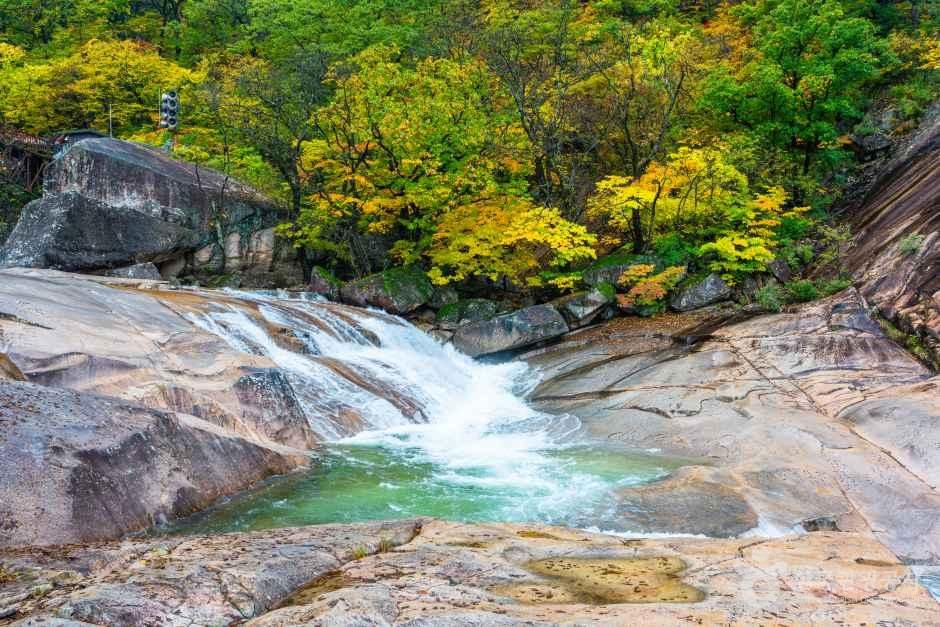
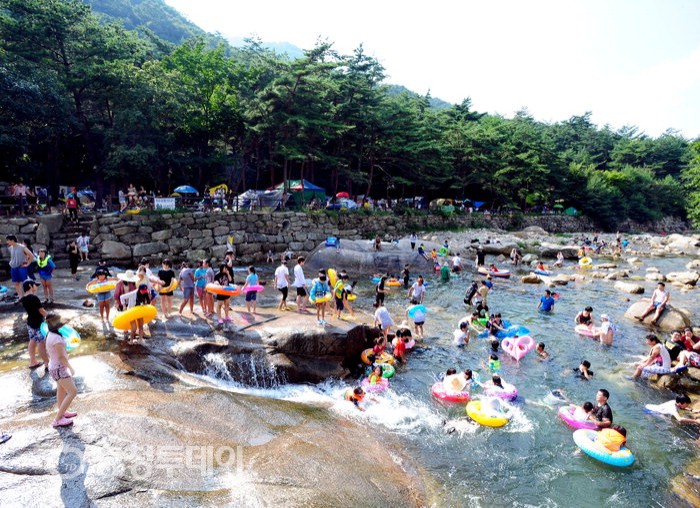
Known simply as gyegok piseo (계곡 피서), a valley summer retreat involves traveling to a mountain valley where cool water flows from forested mountains. Instead of spending the entire day swimming, visitors often relax, eat, chat, and enjoy nature while sitting close to the water.
Unlike luxury vacations that require significant planning or expense, valley retreats are remarkably accessible. Families, students, office workers, retirees, and travelers can all enjoy them, making this one of Korea’s most democratic forms of summer recreation.
Historical Roots of Valley Retreats in Korea
The tradition of escaping summer heat in mountain valleys stretches back hundreds of years.
One traditional practice closely associated with summer valleys was takjok (탁족), literally meaning “washing one’s feet.” During the Joseon Dynasty, scholars and ordinary people alike sought relief from the summer heat by sitting beside mountain streams with their feet immersed in cold water. Many spent their time reading, painting, writing poetry, or simply enjoying the sound of flowing water beneath the shade of trees.
Korea’s mountainous landscape helped shape this tradition. Because valleys and streams were often located close to towns and villages, they became practical summer refuges long before modern transportation or air conditioning existed. Cold spring water, dense forests, and natural shade provided one of the most effective ways to escape the heat.
Over time, visiting a nearby valley became more than a practical response to summer weather. It evolved into a seasonal cultural ritual shared across generations and social classes. This accessibility remains one of the defining characteristics of Korean valley culture today.
📌 Local Note: Many modern valley destinations are located in the same mountain regions that Korean scholars and travelers visited centuries ago, creating a rare sense of cultural continuity between past and present.
Why Koreans Choose Valleys Instead of Beaches
For many foreign visitors, a summer vacation usually means beaches, resorts, and coastal activities. Korea certainly offers these experiences, particularly in Busan and along the East Coast. However, valleys provide a very different type of escape.
| Beach Vacation | Valley Retreat |
|---|---|
| Direct sunlight | Natural forest shade |
| Warmer water | Cold mountain streams |
| Large crowds | Smaller natural settings |
| Swimming-focused | Relaxation-focused |
| Coastal atmosphere | Mountain atmosphere |
Another important factor is geography. Nearly 70 percent of South Korea consists of mountainous terrain. As a result, valleys are often much closer to population centers than beaches. Many residents of Seoul can reach a mountain valley faster than they can reach the coast.
For travelers interested in combining outdoor activities with valley visits, our guide to Hiking in Korea: The Complete Guide for Foreign Travelers provides useful information on nearby mountain trails and national parks.
What Makes Korean Valley Culture Unique?
It Is Accessible to Everyone
One of the most distinctive features of Korean valley culture is that it is not associated with wealth or social status. Expensive resorts are optional. A family can simply drive to a nearby valley, bring food, sit beside the water, and enjoy the day.
This accessibility has helped preserve the tradition across generations.
Food Is Central to the Experience
Unlike many Western outdoor recreation traditions, eating is often as important as the scenery itself.
Popular valley foods include:
- Baeksuk (백숙), a whole chicken soup often cooked with medicinal ingredients
- Samgye-tang (삼계탕)
- Korean pancakes
- Watermelon chilled in stream water
- Cold noodles and simple picnic foods
Many valleys are lined with local restaurants specializing in these dishes during the summer season.
Nature Rather Than Entertainment
Many Koreans describe a valley retreat as a form of healing—a chance to slow down, reconnect with nature, and temporarily escape the pressures of urban life. The popularity of the concept reflects a broader modern Korean interest in wellness and restorative travel experiences.
Korean valley retreats are generally quieter than beach vacations. Rather than focusing on amusement rides, nightlife, or organized activities, visitors often seek simple relaxation, conversation, and relief from the heat.
Public Access Matters
For many years, some valley areas suffered from illegal private occupation, with unauthorized platforms and structures restricting public access.
As Governor of Gyeonggi Province, President Lee Jae-myung became widely known for removing illegal facilities from major valley destinations and restoring public access. The issue resonated with many Koreans because valleys have long been viewed as a shared public resource rather than a private commodity.
How Koreans Enjoy a Valley Retreat
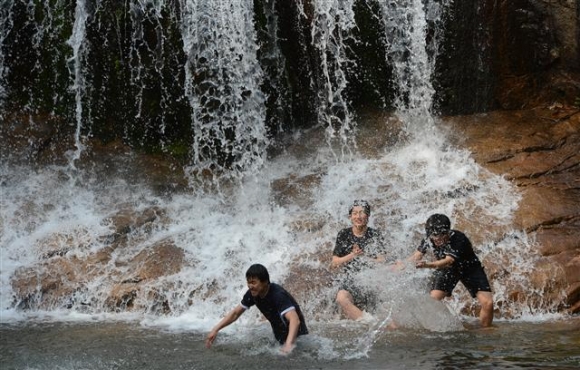
A typical valley day often follows a familiar pattern:
- Arrive early in the morning.
- Find a shaded area near the stream.
- Set up a mat or folding chairs.
- Cool your feet in the water.
- Enjoy lunch with family or friends.
- Take short walks along the valley.
- Relax until late afternoon before returning home.
Unlike beach vacations that may require overnight stays, many valley trips are completed as day excursions.
💡 Pro Tip: Many Koreans place watermelon or bottled drinks directly into the stream to cool them naturally before lunch.
Best Valleys for Foreign Travelers
Near Seoul
Baegun Valley (백운계곡), Pocheon
One of the most famous examples of successful valley restoration. The area offers clear water, public facilities, and easy access from Seoul.
Ui-dong Valley (우이동계곡), Seoul
Located near Bukhansan National Park (북한산국립공원), this valley can be reached using Seoul’s public transportation system.
Near Busan
Naewonsa Valley (내원사계곡), Yangsan
Known for its scenic pools, forest trails, and proximity to Naewonsa Temple (내원사).
Baenaegol Valley (배내골), Yangsan
A long mountain valley famous for cool temperatures, camping areas, and family-friendly facilities.
Near Gangwon Province
Mureung Valley (무릉계곡), Donghae
Combines dramatic rock formations, mountain scenery, and refreshing stream environments.
Travelers interested in exploring beyond Korea’s most famous tourist destinations may also enjoy our guide to 2026 Korean Regional Travel: Escape the Crowds.
Preparation and Safety Tips
Essential Items
- Water shoes
- Quick-dry clothing
- Picnic mat
- Insect repellent
- Sunscreen
- Portable trash bag
- Extra drinking water
Safety Precautions
- Never underestimate mountain streams.
- Avoid diving into unknown water.
- Monitor weather forecasts carefully.
- Leave the stream immediately during heavy rain.
- Supervise children closely.
- Be cautious on slippery rocks.
⚠️ Important: Flash floods can occur unexpectedly after heavy rainfall upstream, even when the weather appears calm at your location.
The Cultural Value of Korea’s Valley Tradition
Korean valley retreats represent more than a way to cool down. They illustrate a long-standing relationship between people and nature. Historically, valleys were also social spaces where families, neighbors, and friends gathered together. Even today, a summer trip to a nearby stream often serves as an opportunity for intergenerational bonding, with grandparents, parents, and children sharing the same experience. This communal aspect distinguishes Korean valley culture from many forms of modern tourism.
While many modern societies increasingly rely on commercialized vacation experiences, Korea’s valley culture remains remarkably simple. A cool stream, forest shade, family, friends, and food are often all that is needed.
That simplicity may explain why the tradition has survived for centuries.
For visitors arriving during July and August, valley retreats offer a perspective on Korea that beaches, shopping districts, and famous landmarks cannot fully reveal. They provide a glimpse into how generations of Koreans have experienced summer—and continue to do so today.
To explore other seasonal experiences, consider reading 10 Best Summer Festivals in South Korea to Experience in 2026. Before returning home, many travelers also enjoy discovering Best Korean Souvenirs: Authentic & Practical Gifts and learning Why Tourists Buy Sesame Oil at Korean Traditional Oil Shops.
FAQ
Is Korean valley culture suitable for foreign tourists?
Yes. Most valley destinations are public, family-friendly, and easy to enjoy even without Korean language skills.
Can I swim in Korean valleys?
Some valleys permit swimming or wading, but many are best suited for relaxing in shallow water. Always follow local regulations and safety guidance.
When is the best time to visit?
Late July through mid-August is the peak season, although early July and late August often provide a more comfortable experience with fewer crowds.
What food should I try during a valley trip?
Baeksuk, samgye-tang, Korean pancakes, chilled watermelon, and local seasonal dishes are among the most popular choices.
Related Articles
- Hiking in Korea: The Complete Guide for Foreign Travelers
- 2026 Korean Regional Travel: Escape the Crowds
- 10 Best Summer Festivals in South Korea to Experience in 2026
- Best Korean Souvenirs: Authentic & Practical Gifts
- Why Tourists Buy Sesame Oil at Korean Traditional Oil Shops
Korean Culture portal KCulture.com

Founder of Kculture.com and MA in Political Science. He shares deep academic and local insights to provide an authentic perspective on Korean history and society.