
Yi-Yeol-Chi-Yeol: Inside the Extreme Heat of Korean Hanjeungmak Culture
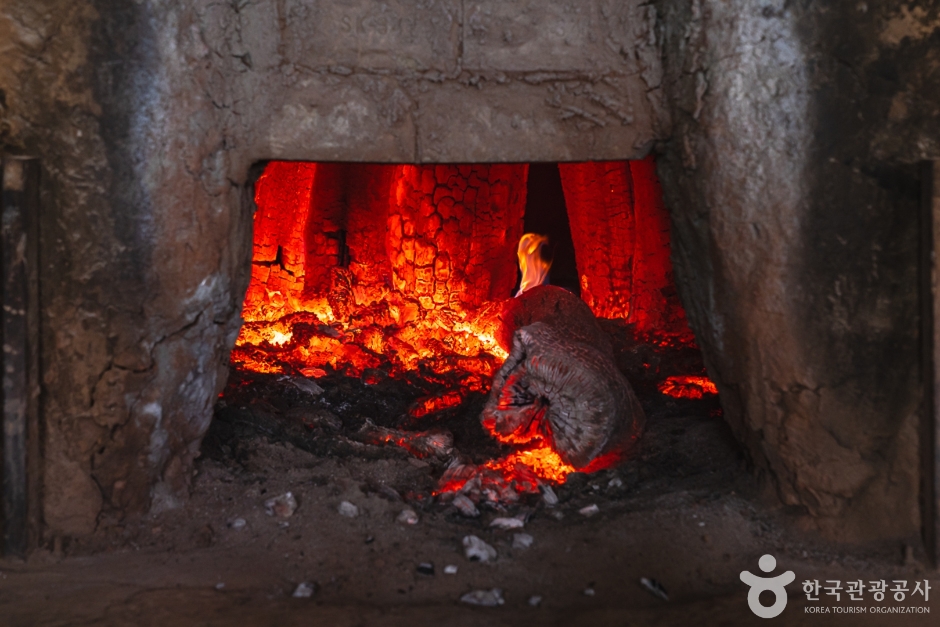
Living in Korea, I am always fascinated by the extreme contrasts of summer. Why do locals willingly sit inside a roasting 130℃ (266℉) traditional charcoal kiln when it is already sweltering outside? The answer lies in Yi-Yeol-Chi-Yeol (이열치열)—a traditional Korean philosophy meaning “fighting heat with heat.” By exposing the body to extreme temperatures in a traditional Korean Hanjeungmak or relaxing in a sprawling Jjimjilbang, you trigger intense sweating that ultimately lowers your core temperature and clears out the sluggishness caused by modern air-conditioning.
While South Korea is globally famous for its “Eol-juk-ah” (Even if I freeze to death, Iced Americano) coffee trend, this ancient heat therapy remains deeply rooted in our daily lives. From combating fatigue and enjoying K-drama sauna culture to roasting eggs inside a mountain kiln, the traditional sweating rooms are an unforgettable experience. This guide will walk you through the history of this unique culture, clear up the confusion between a Jjimjilbang and traditional kilns, explain essential etiquette, and highlight the best local spots you can visit near Seoul today.
- What is Yi-Yeol-Chi-Yeol and Why Seek Heat in Summer?
- Jjimjilbang vs. Hanjeungmak vs. Bulgama: Clearing Up the Confusion
- The History and Psychology Behind Korea’s Heat Culture
- K-Drama Saunas: Lamb Heads, Eggs, and Safe Havens
- Essential Etiquette for Foreign Visitors
- Best Authentic Bulgama and Hanjeungmak to Visit
- Explore More of Korean Culture
What is Yi-Yeol-Chi-Yeol and Why Seek Heat in Summer?
To many visitors, the idea of entering a room hotter than a desert during the peak of July seems completely backward. However, Yi-Yeol-Chi-Yeol is an age-old wisdom. By enduring the blistering heat of a kiln, your body sweats profusely. The moment you step outside into the ambient air, the rapid evaporation creates a profound, natural cooling sensation that air-conditioning simply cannot replicate.
Furthermore, modern Korean life involves moving between freezing air-conditioned offices, subways, and cafés. This constant exposure to cold drafts often leads to stiff muscles and poor circulation—a condition locals commonly refer to as “air-conditioning sickness” (냉방병). Spending an evening in a scorching kiln acts as a complete physical reset, warming the body’s core and melting away stress.
📌 Local Note: This philosophy isn’t limited to kilns. Korea’s most famous summer dish is Samgyetang (ginseng chicken soup)—a boiling hot, nutrient-dense meal eaten specifically on the three hottest days of the year to restore energy lost to the summer heat.
Jjimjilbang vs. Hanjeungmak vs. Bulgama: Clearing Up the Confusion
Many international travelers have already heard of the famous Jjimjilbang (찜질방), leading to a common question: “Are Jjimjilbangs, Saunas, and Hanjeungmaks all the same thing?” While foreigners often use these terms interchangeably as “Korean bathhouses,” locals recognize distinct differences in temperature, purpose, and atmosphere.
To put it simply, a Jjimjilbang is a massive, modern indoor recreational complex designed for long stays. It features gender-segregated bathhouses, co-ed resting lounges, snack bars, and multiple mild-to-moderate heat rooms (40℃ ~ 80℃). In contrast, a Hanjeungmak or Bulgama focuses primarily on extreme traditional heat (up to 130℃). While some large, modern Jjimjilbangs have a Hanjeungmak built inside them, the most authentic Bulgama kilns are standalone, rustic facilities where real wood is burned.
Here is a breakdown to help you find the exact heat experience you are looking for:
| Facility Type | Heating Method & Characteristics | Temperature Range |
|---|---|---|
| Sauna (사우나) | Modern rooms inside standard bathhouses heated by electric heaters or steam. Focuses purely on bathing and brief sweating. | 60℃ ~ 100℃ |
| Jjimjilbang (찜질방) | A massive recreational complex. Heated via radiant heat from floors lined with red clay or jade. Ideal for sleeping, lounging, and socializing. | 40℃ ~ 80℃ |
| Hanjeungmak (한증막) | A traditional dome-shaped kiln made of stone or clay, heated by burning pine wood. The intense heat wraps around you instantly. | 70℃ ~ 130℃ |
| Bulgama (불가마) | A charcoal kiln using the immense residual heat left over from baking oak charcoal. The hottest and most rustic traditional experience. | Up to 130℃+ |
The History and Psychology Behind Korea’s Heat Culture
Long before wellness tourism became a global trend, Koreans were using heat as a way to rest and socialize. Historical records show that various heated sweat rooms existed during the Goryeo and Joseon Dynasties. Buddhist temples also played an important role in preserving early Hanjeungmak traditions for physical recovery and hygiene.
As Korea modernized, this ancient practice didn’t fade; it evolved. Today, even younger generations who religiously drink iced coffee throughout the day will happily spend their evenings sweating in a kiln. It offers a rare, enforced digital detox. Inside a 100℃ room, phones must be left in lockers. Conversations quiet down, breathing deepens, and people simply rest. It is a social community space where families, friends, and couples come to slow down together.
K-Drama Saunas: Lamb Heads, Eggs, and Safe Havens
If you watch Korean dramas, you have undoubtedly seen a Jjimjilbang or Hanjeungmak. Because these facilities operate 24 hours a day and cost just a few dollars, they are the ultimate K-drama backdrop for characters who have run away from home, missed the last train, or need a place to hide out.
- Yangmeori (양머리): Folding a towel to look like “lamb horns” and wearing it on your head is the ultimate sauna fashion. Originally practical for protecting hair from extreme heat, it became a cultural phenomenon after hit dramas like My Lovely Sam Soon and Crash Landing on You. Taking a selfie with a Yangmeori is a rite of passage.
- Roasted Eggs (맥반석 계란): Slowly roasted using the residual heat of the kilns, these brown eggs have a chewy texture and nutty flavor. Cracking the egg on a friend’s forehead is a classic, hilarious tradition seen in countless Korean variety shows.
- Sikhye (식혜): An ice-cold, sweet traditional rice punch. The contrast of drinking freezing Sikhye while sitting in a scorching room perfectly captures the Korean love for balancing extremes.
Essential Etiquette for Foreign Visitors
Visiting a Korean kiln for the first time can be intimidating, but the rules are straightforward. Follow these local tips for a flawless experience.
- Wash Before Entering: Before accessing any communal kilns or tubs, you must thoroughly wash your body with soap in the gender-segregated bathhouse (Mokyoktang). Entering dirty is a severe breach of etiquette.
- Embrace Full Nudity in the Baths: Inside the gender-separated washing areas, everyone is completely naked. Swimsuits or wrapping towels are not allowed. While it may feel awkward for the first 60 seconds, you will quickly realize nobody is looking at you.
- Wear the Provided Uniform: In the co-ed kiln and resting areas, you must wear the designated cotton T-shirt and shorts provided at the front desk.
- Respect Your Limits: Bulgama temperatures are brutal. Locals typically stay inside the hottest kilns for only 5 to 15 minutes before stepping out to cool off and drink water. Cycle in and out rather than trying to endure the heat in one long sitting.
Best Authentic Bulgama and Hanjeungmak to Visit
If you want to move beyond modern luxury spas and experience the raw, rustic charm of real fire and charcoal, I highly recommend visiting these authentic spots.
1. Supsok Hanbang Land (숲속한방랜드)
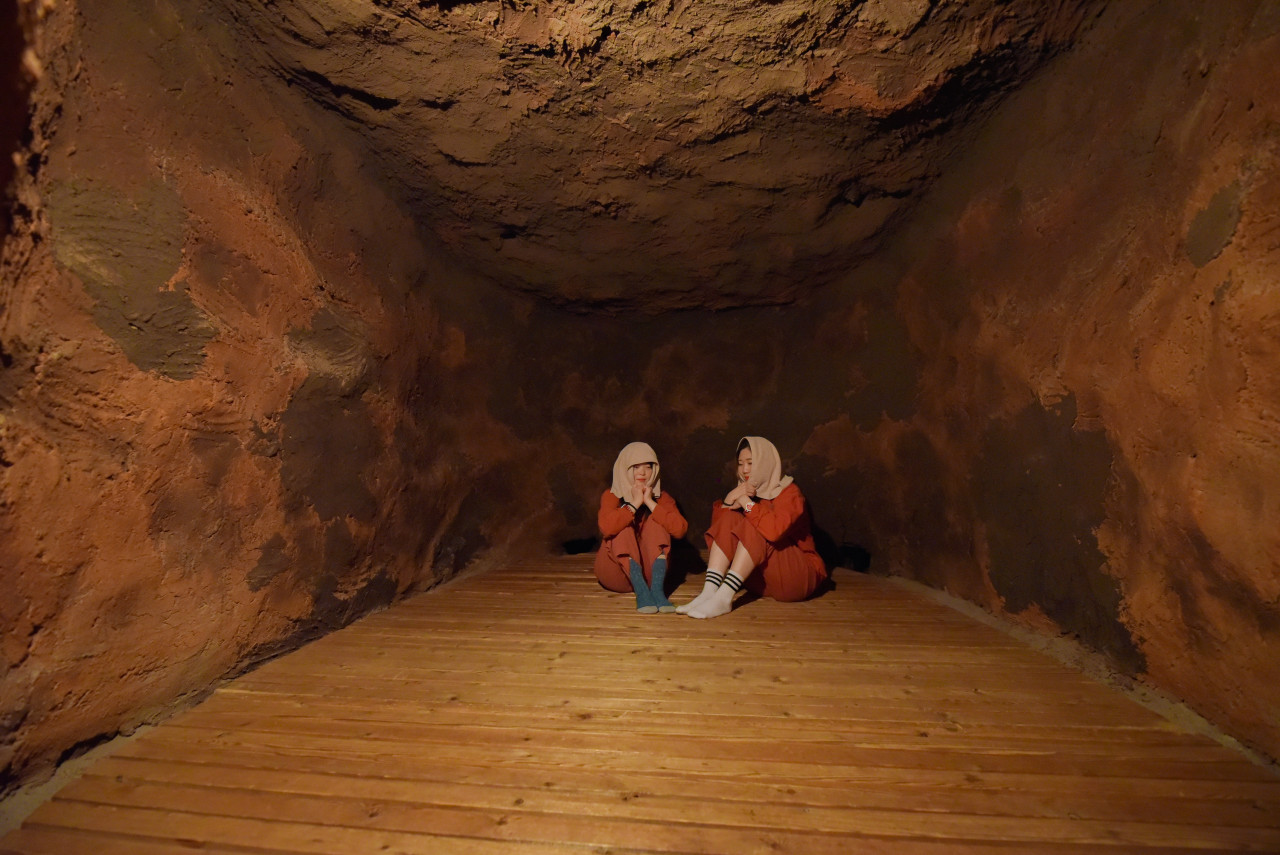
Hidden on the hills near Sinchon (신촌) in Seoul, this is one of the rare places where you can experience a genuine outdoor charcoal kiln without leaving the city limits. It feels like a rustic mountain cabin. The highlight? You can buy sweet potatoes or rice cakes and roast them yourself over the open charcoal pits outside the kilns.
2. Jangheung Charcoal Kiln (장흥참숯가마)
Located in Yangju (양주), just north of Seoul, this legendary kiln became a cultural hotspot after featuring on the hit reality show I Live Alone. Visitors soak up the intense heat and then instantly cool off by dipping their feet into the natural valley stream flowing right next to the kilns. You can even bring your own meat to barbecue over the premium charcoal.
3. Sparex Dongdaemun (스파렉스 동대문)
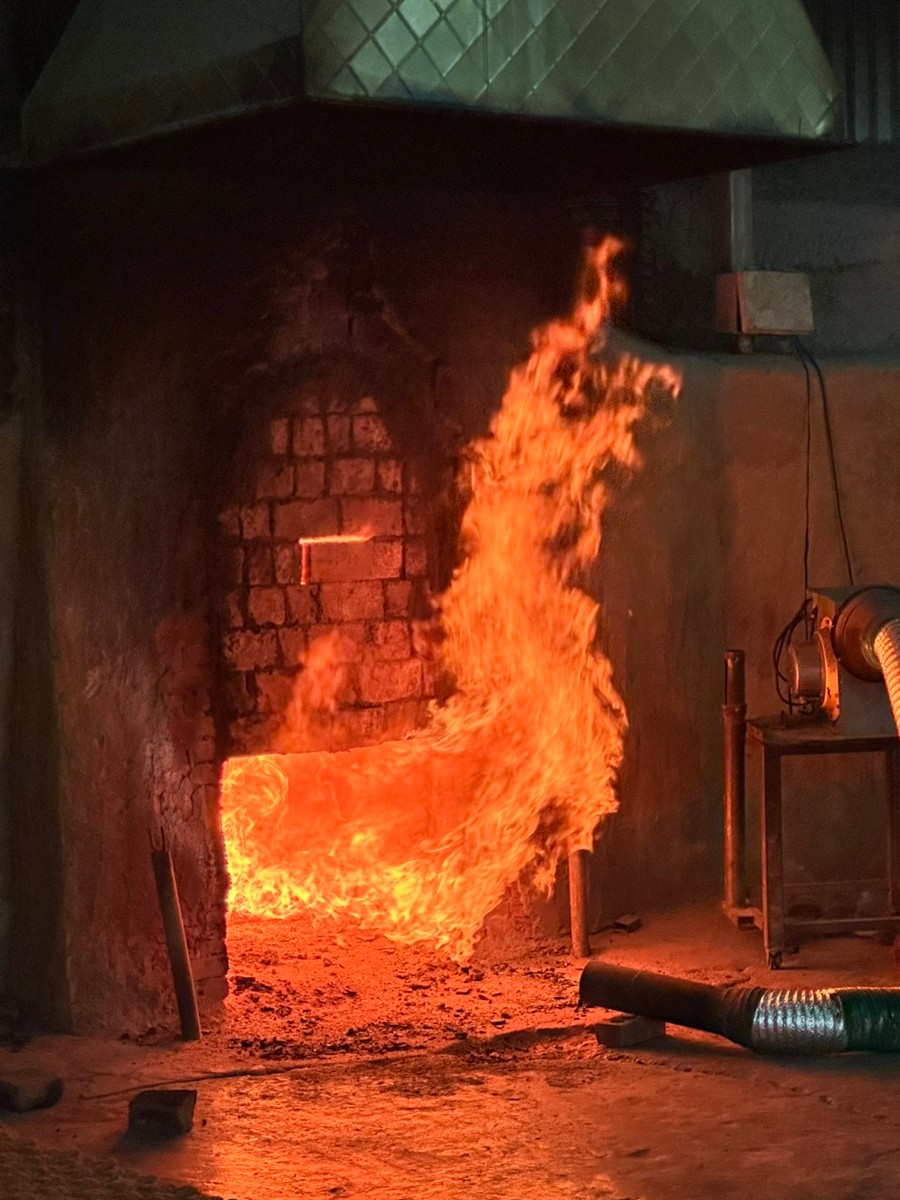
While not an outdoor mountain kiln, Sparex is the most convenient option for tourists. Located in the heart of Dongdaemun (동대문), it features stunning traditional Hanok-style architecture and powerful heated rooms. It is the perfect place to sweat out your travel fatigue before stepping out for some 24-hour midnight shopping.
Explore More of Korean Culture
If you are looking to dive deeper into Korea’s unique local life and indoor activities, check out these essential guides:
- Korean Jjimjilbang Guide 2025: From Women-Only Havens to Luxury Spas
- How to Spend a Perfect Indoor Day in Seoul (Heat & Rain)
- The Korean Noraebang (Song Rooms) Playbook
- Korea Solo Trip: Why It’s the Best Destination for Me-Time
- Why Visiting a Korean Saju Cafe is the Best Cultural Experience

Founder of Kculture.com and MA in Political Science. He shares deep academic and local insights to provide an authentic perspective on Korean history and society.