Why “The King’s Warden” Syndrome is Sweeping South Korea in 2026
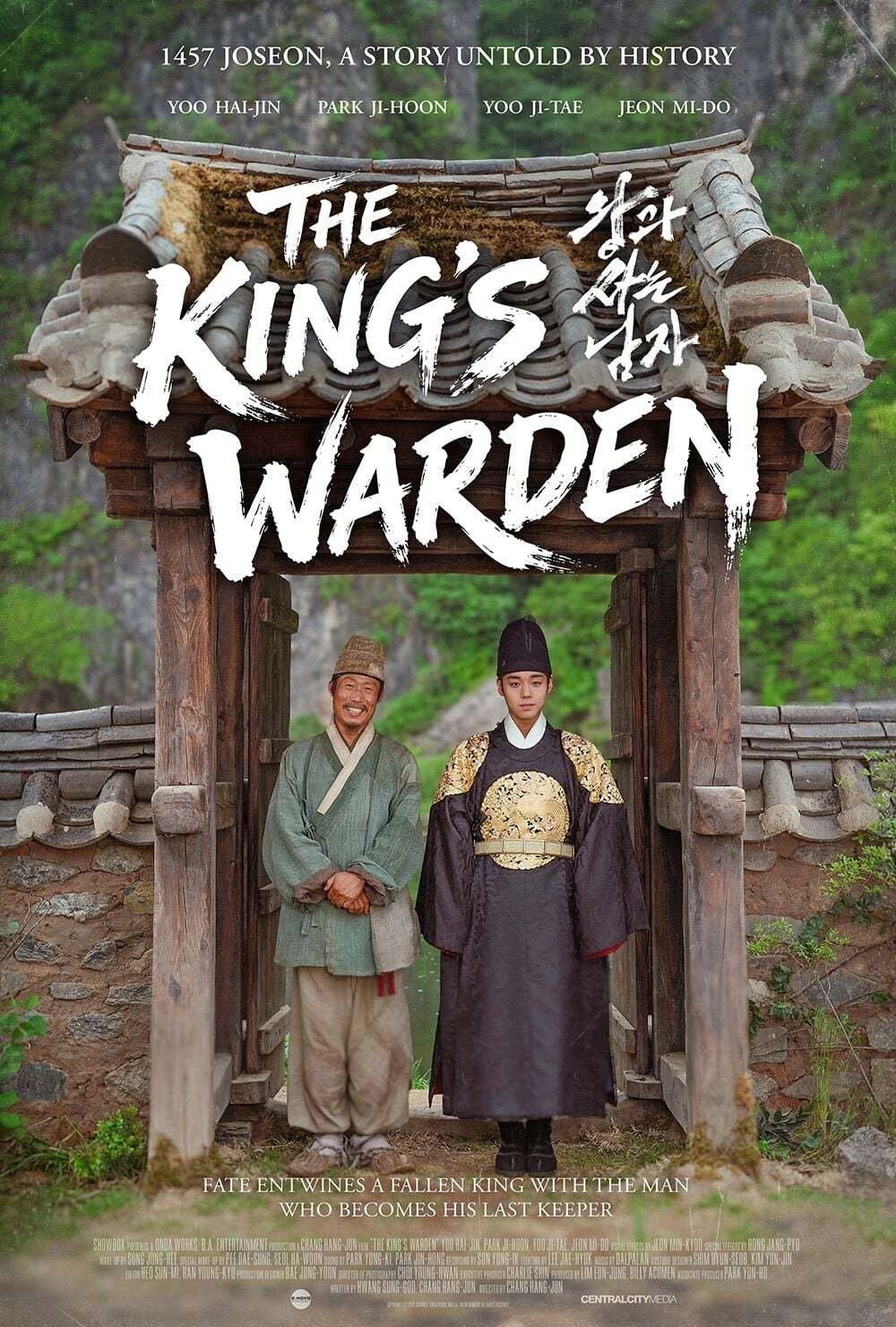
The “The King’s Warden”(Korean title : 왕과 사는 남자,The Man Who Lives with the King) syndrome in South Korea refers to the unprecedented box-office success and social movement sparked by the 2026 historical film, which surpassed 10 million viewers despite its lack of action and universally known tragic ending. Living in Korea, I have been observing how this phenomenon seems to go beyond typical cinematic success, appearing to resonate deeply with a public still processing recent political events. In this article, I will unpack the fascinating historical backdrop of this era, analyze the sociocultural drivers potentially fueling the film’s massive popularity, and explore how current realities might be projecting onto this historical narrative.
- The Enigma of a 10-Million-Viewer Tragedy
- The Historical Truth: King Danjong and Suyang’s Coup
- Decoding “The Man Who Lives with the King” Syndrome
- Must-Watch Korean Media on This Era
The Enigma of a 10-Million-Viewer Tragedy
Released on February 4, 2026, The King’s Warden quickly achieved the monumental milestone of 10 million ticket sales, meaning roughly 20% of the South Korean population has seen it. From a purely commercial standpoint, this is a highly unusual blockbuster. It features no spectacular action sequences, no mind-bending plot twists, and no uplifting finale. The conclusion is a well-documented historical tragedy that every Korean learns in middle school. It is, by all accounts, a profoundly sad and heavy film.
So, why is this specific film breaking records now? The answer lies in the current zeitgeist of South Korea. Furthermore, the film’s deeply humanistic themes are transcending borders. It is currently screening in select theaters across the United States, and due to growing international interest in Korean historical dramas, distribution plans are already underway for the United Kingdom and other European markets.
The Historical Truth: King Danjong and Suyang’s Coup
To truly understand the emotional weight of the movie, one must understand the real history of the early Joseon Dynasty. The narrative centers around the tragic fate of the young King Danjong, the grandson of the great King Sejong.
- The Line of Succession: King Sejong’s eldest son, King Munjong, was a capable ruler but suffered from chronic illness, passing away shortly after taking the throne. His young son, Danjong, ascended to power at a vulnerable age.
- The Ambition of Suyang: King Munjong’s younger brother, Grand Prince Suyang (later King Sejo), was a highly ambitious and ruthless figure who coveted the throne.
- Gyeyujeongnan (The Coup of 1453): Suyang justified his grab for power by claiming that powerful state ministers, specifically Left State Councillor Kim Jong-seo and Chief State Councillor Hwangbo In, were overstepping their boundaries and weakening the royal authority. Under the guise of protecting the crown, Suyang launched a bloody coup, massacring his political rivals and eventually forcing his young nephew, Danjong, to abdicate.
Danjong was ultimately exiled to the remote, river-bound peninsula of Cheongnyeongpo (청령포) and was later secretly executed. This history of usurpation and the sacrifice of a helpless, legitimate ruler forms the emotional core of the film. For more details on the Gyeyu Jeongnan, please refer to the following article: ‘Gyeyu Jeongnan: The Bloody 1453 Coup of Joseon Dynasty‘.
Decoding “The King’s Warden” Syndrome
The explosive success of this film in 2026 cannot be explained by star power alone. It is a direct reflection of South Korea’s contemporary social psychology. The “The King’s Warden” syndrome is rooted in three distinct sociological pillars.
1. Overlap of Historical Trauma: Usurpation and Constitutional Crisis
In the winter of 2024, South Korea experienced a severe political trauma involving the destruction of constitutional order, marked by a sudden martial law crisis and internal rebellion. Following this, the nation endured a prolonged de facto state of anarchy from December 2024 until a new government was finally inaugurated following the presidential election on June 4, 2025. Furthermore, there is a widespread public sentiment that even now, as of March 2026, the judicial proceedings and trials for those involved in the rebellion are still not progressing normally.
Audiences watching Suyang’s violent usurpation of a legitimate monarch cannot help but draw stark parallels to these contemporary threats against democracy. It appears that the public’s perception of this frustrating, unresolved reality is being directly projected onto the historical work. The helplessness of young Danjong mirrors the anxieties of ordinary citizens facing the abuse of absolute power, making the film’s tragedy feel agonizingly like a present-day reality.
2. Collective Catharsis and “Active Mourning”
One of the most unique aspects of the “The King’s Warden” syndrome is how it has sparked real-world actions. Modern society is often fragmented, but this movie has helped Koreans recover a Sensus communis (common sense or shared feeling) built on collective grief and righteous anger.
South Koreans are engaging in “Active Mourning.” We are seeing phenomena like online “review-bombing” of King Sejo’s actual royal tomb, Gwangneung (광릉), on mapping apps. Simultaneously, offline pilgrimages to Danjong’s exile site and his resting place, Jangneung (장릉), have skyrocketed.
Expressing direct anger at current political realities can be exhausting. However, directing that collective fury at a universally agreed-upon “historical villain” (Sejo) and mourning an innocent victim (Danjong) provides a safe, unifying outlet. These pilgrimages and digital protests are not just extreme fandom; they are a societal ritual to release pent-up frustration.
3. Comfort Found in the Solidarity of Ordinary People
The film does not rely on a grand, fictional savior to rescue Danjong. Instead, it highlights the quiet courage of ordinary individuals. The character of village head Eom Heung-do, brilliantly portrayed by Yoo Hae-jin, along with the unnamed villagers of Gwangcheon Valley, risk their own lives to respectfully recover Danjong’s abandoned body under the terrifying surveillance of absolute power.
This profoundly comforts the audience. It reminds Koreans of their own quiet resilience during the 2024 crisis, where countless ordinary citizens stood firm in their daily lives to protect common sense and democracy. The film suggests that true heroism lies not in grand ideologies, but in the steadfast solidarity of regular people upholding human dignity.
Must-Watch Korean Media on This Era
If you want to dive deeper into the fascinating and brutal history of King Danjong and King Sejo, the Korean entertainment industry has explored this era from multiple compelling angles. Here are some highly recommended films and dramas:
| Title | Format | Perspective and Focus |
|---|---|---|
| The Face Reader (관상) | Film | A gripping cinematic masterpiece that views the bloody coup of Grand Prince Suyang through the eyes of a genius physiognomist who tries to alter the nation’s tragic destiny. |
| Han Myung-hoe (한명회) | Drama | A classic historical series focusing on the brilliant and cunning strategist Han Myung-hoe, the mastermind who engineered Suyang’s rise to the throne. |
| Insu Daebi (인수대비) | Drama | Offers a powerful female-centric perspective, chronicling the fierce political ambitions and rivalries of the royal women during and after King Sejo’s reign. |
Ultimately, The King’s Warden is more than just a box-office hit; it is a mirror reflecting the soul of a nation. It proves that cinema can be a powerful tool for social healing, allowing a society to confront its current traumas through the lens of the past.
Korean Culture portal KCulture.com

Founder of Kculture.com and MA in Political Science. He shares deep academic and local insights to provide an authentic perspective on Korean history and society.