Korean seaweed, known locally as haecho (해초), is a foundational element of the daily Korean diet, encompassing diverse varieties like gim (roasted laver), miyeok (sea mustard), and dasima (kelp). Far beyond simple sushi wraps, these nutrient-dense marine plants are deeply woven into Korea’s culinary history, celebrated in life-milestone soups, essential savory broths, and everyday side dishes. If you have ever looked at a Korean dining table and wondered about the array of dark, flavorful greens, you are not alone. Living in Korea, I often see visitors surprised by how much we rely on the ocean’s harvest. In this guide, we will explore the rich history of Korea’s seaweed culture, decode the 10 most popular types you will encounter, and share local tips on how to enjoy them like a true insider.

- The History and Culture of the Korean Seaweed Table
- Miyeok: The Soup of Life and Birthdays
- Gim: The Everyday Staple Gone Global
- The Flavor Builders: Dasima, Tot, and Delicate Greens
- Hidden Gems: 4 More Seaweeds Locals Love
- Health Benefits and Local Consumption Tips
The History and Culture of the Korean Seaweed Table
To truly understand Korean cuisine, you must look to the sea. The Korean peninsula, surrounded by water on three sides, has naturally integrated marine life into its culinary DNA for millennia. Historical records from the Joseon Dynasty detail the harvesting and consumption of various seaweeds, proving that these aquatic plants have long been a cherished resource rather than a modern health trend.
In Korea, seaweed is not just a garnish; it is a vital component of the bapsang (밥상), the traditional Korean dining table. The English word “seaweed” often fails to capture the immense variety in taste, texture, and purpose that Koreans recognize. Each type serves a distinct culinary function, ranging from the foundational umami base of stews to the crisp, salty crunch of a beloved side dish.
Miyeok: The Soup of Life and Birthdays
First up is miyeok (미역), widely known in English as sea mustard or wakame. In Korea, this specific seaweed is profoundly connected to life, birth, and motherhood.
A Birthday Tradition Honoring Mothers
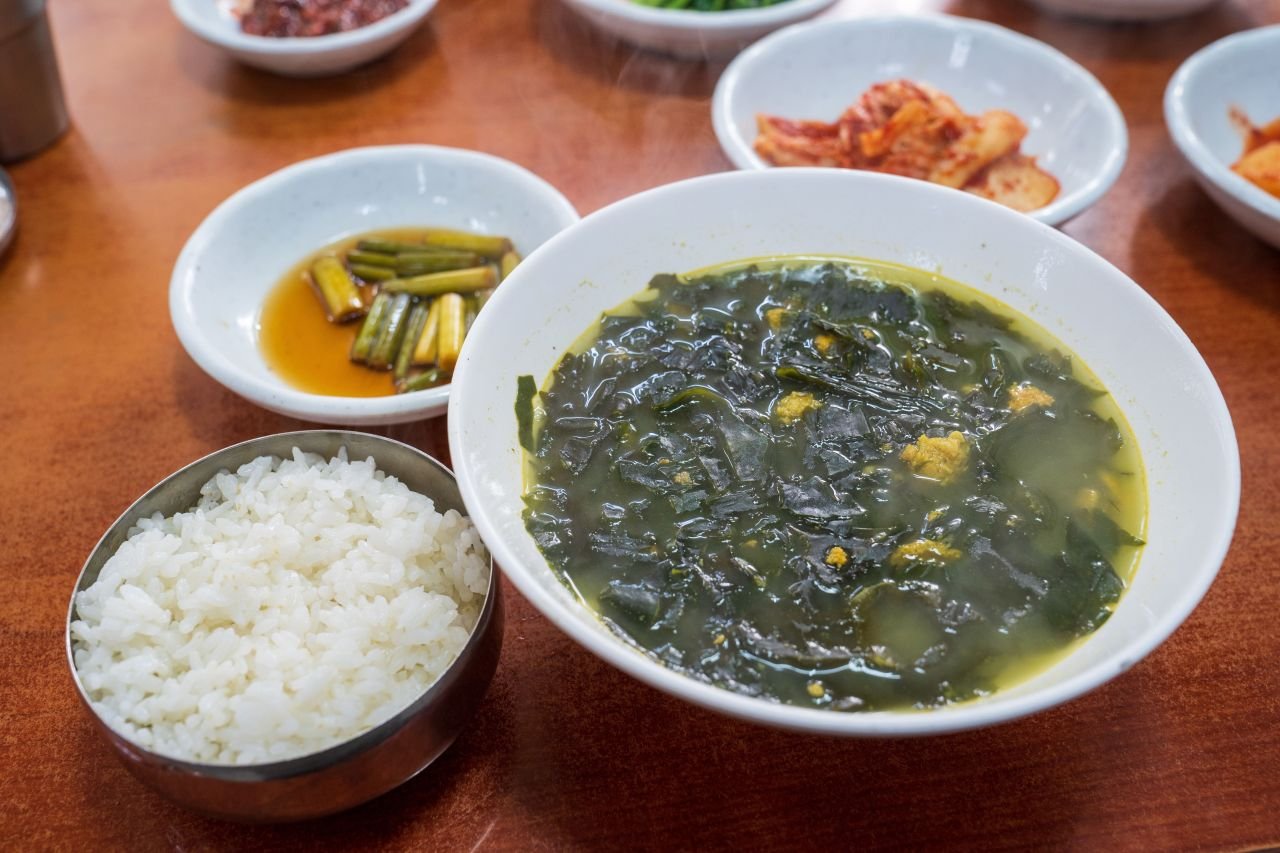
If you have Korean friends, you might know that we eat miyeok-guk (미역국), or seaweed soup, on our birthdays. This deeply rooted tradition is actually a tribute to our mothers. Miyeok-guk is the very first meal served to new mothers to aid in their recovery after childbirth. It is renowned for being packed with calcium, iodine, and fiber, which are believed to help with physical healing and milk production.
In Korea’s famous sanhujoriwon (산후조리원), or postnatal care centers, it is standard practice for recovering mothers to be served warm bowls of miyeok-guk with almost every single meal. Therefore, eating this soup on our birthdays is a poignant reminder of the pain our mothers endured and the unconditional care they provided.
Beyond the comforting soup, miyeok is also fantastic when blanched and served as a cold side dish called miyeok muchim (미역무침), typically tossed in a refreshing mix of vinegar, soy sauce, and sesame seeds.
Gim: The Everyday Staple Gone Global
This is the seaweed variety you are likely most familiar with. Gim (김), sometimes spelled kim, is the thin, paper-like sheet of dried laver, similar to Japanese nori. Koreans have been cultivating and enjoying gim for centuries.
How We Really Eat It
- Roasted Gim (조미김): This is the undisputed superstar of the Korean pantry. We take the raw dried sheets, brush them lightly with sesame oil, sprinkle them with fine sea salt, and roast them until crispy. It is eaten almost daily. The most authentic way to enjoy it is to simply tear off a small piece, wrap it around a spoonful of warm, sticky white rice using your chopsticks, and eat it in one bite.
- Gimbap (김밥): The ultimate Korean picnic and comfort food. Steamed rice and various colorful fillings—such as carrots, spinach, egg strips, pickled radish, and ham or beef—are tightly rolled in a large, unseasoned sheet of gim. It is a complete, balanced meal in a single roll.
💡 Pro Tip: The global demand for Korean gim has skyrocketed. If you are visiting, it is highly recommended to buy bulk packs of high-quality roasted gim from local supermarkets. It is lightweight, incredibly delicious, and remains one of the most highly requested Korean souvenirs for travelers browsing through popular spots like Myeongdong (명동) or Lotte Mart (롯데마트).
The Flavor Builders: Dasima, Tot, and Delicate Greens
While gim and miyeok steal the spotlight, a whole cast of supporting seaweeds makes Korean food taste genuinely authentic.
Dasima (Kelp): The Umami Foundation
Dasima (다시마) is the unsung hero of the Korean kitchen. It is the essential ingredient for brewing yuksu (육수), the foundational savory broth. Simmering a piece of dried thick kelp alongside dried anchovies extracts a deep, complex umami flavor that serves as the base for countless dishes, including the iconic doenjang-jjigae (된장찌개) or soybean paste stew.
Tot (Hijiki): A Textural Delight
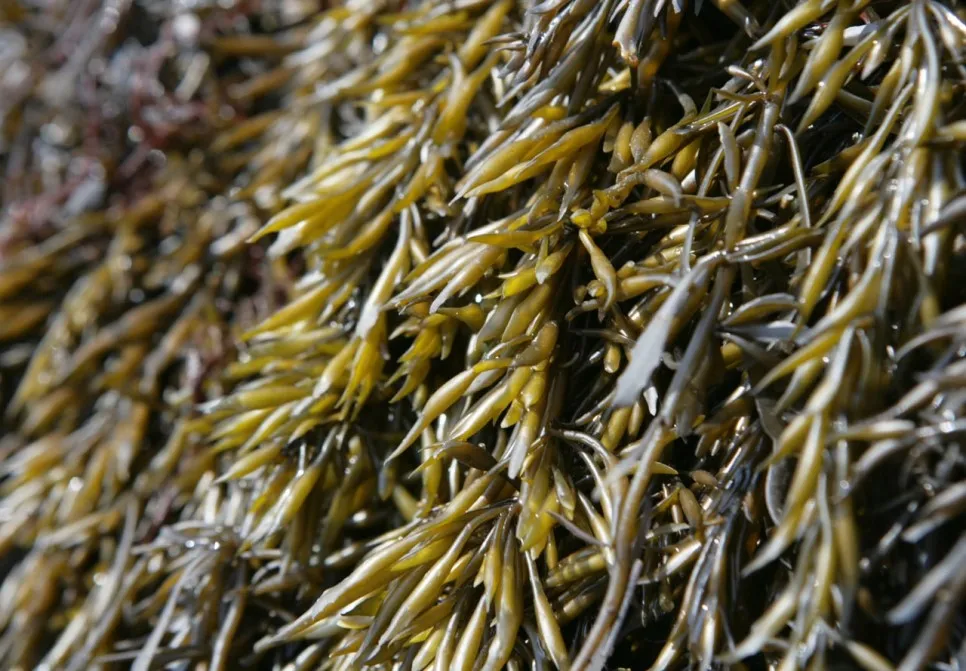
Tot (톳) is a brownish-black, stringy seaweed with a delightful, slightly crunchy texture. I personally highly recommend trying tot-bap (톳밥). By cooking the hijiki directly in the rice cooker with the grains, the rice becomes infused with a subtle, earthy flavor of the sea. You then mix the rice with a seasoned sauce made of soy sauce, chopped green onions, and sesame oil. Historically a regional specialty from coastal areas like Jeju Island (제주도), Shinan (신안), and Geoje (거제), tot-bap’s popularity for its health benefits has made it easy to find in specialized restaurants across Seoul (서울) today.
Parae & Maesaengi: The Delicate Winter Greens
Korea also boasts incredibly delicate green seaweeds that shine in specific seasonal dishes.
- Parae (파래): Also known as green laver, this vibrant green seaweed is often served as a sweet and sour side dish called parae muchim (파래무침). It is also wonderfully savory when mixed into the batter for Korean pancakes (jeon).
- Maesaengi (매생이): This is a fascinating, incredibly fine, and hair-like seaweed known as seaweed fulvescens. It is a winter delicacy usually cooked into a rich, comforting soup with plump oysters.
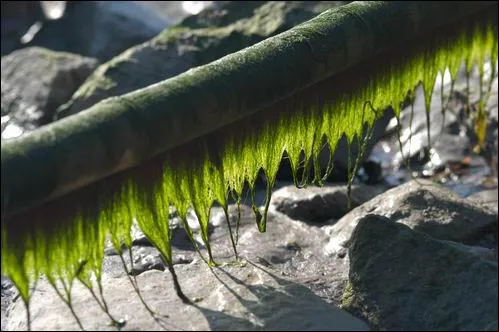
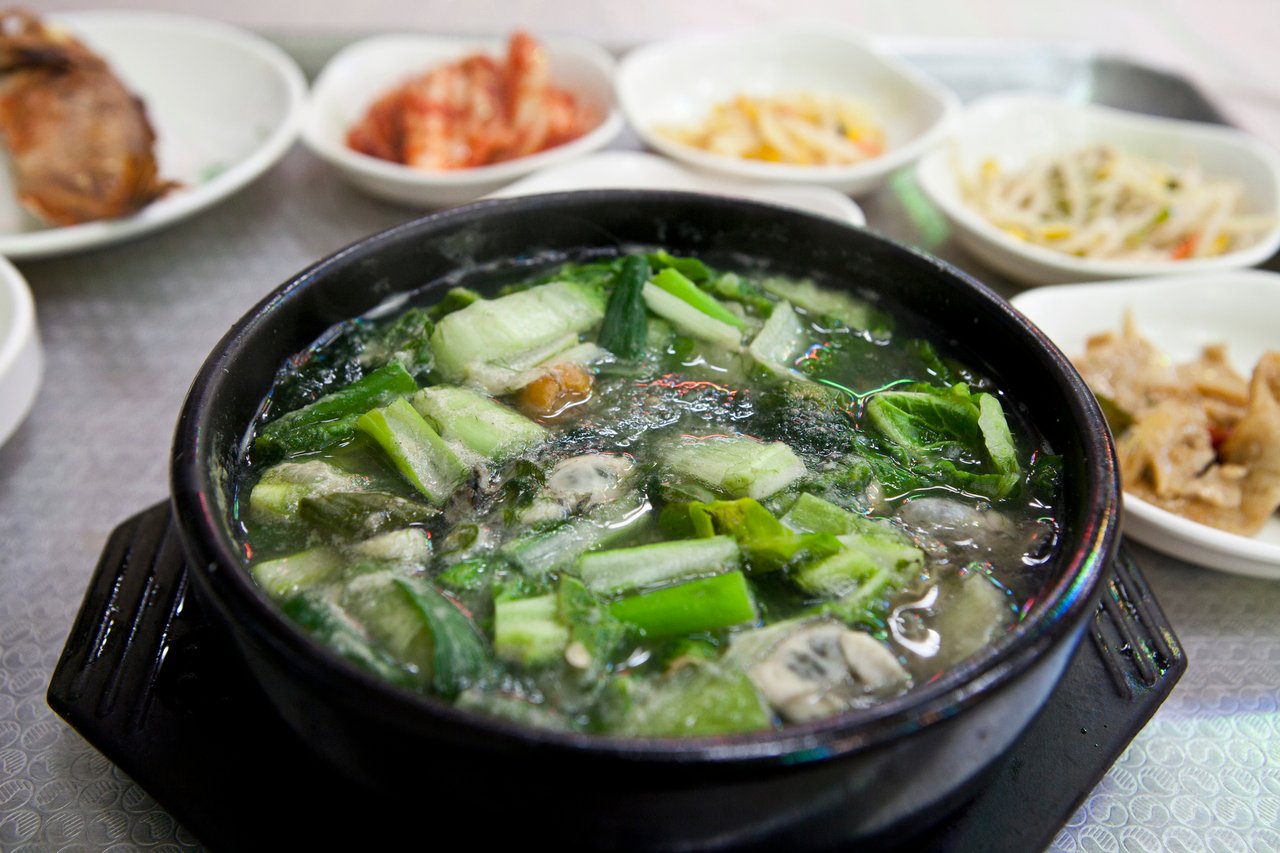
📌 Local Note: There is a famous Korean joke that you should only serve maesaengi soup to a son-in-law you dislike. Why? Because the ultra-fine fibers of the seaweed trap the boiling heat perfectly, yet the soup releases absolutely no steam. It looks deceptively cool, but it will burn your tongue if you take a careless first slurp. Always blow on it carefully!
Hidden Gems: 4 More Seaweeds Locals Love
Beyond the most famous varieties, the Korean bapsang features several other unique marine plants that ordinary locals eat regularly.
Gamtae (감태): The Gourmet Choice
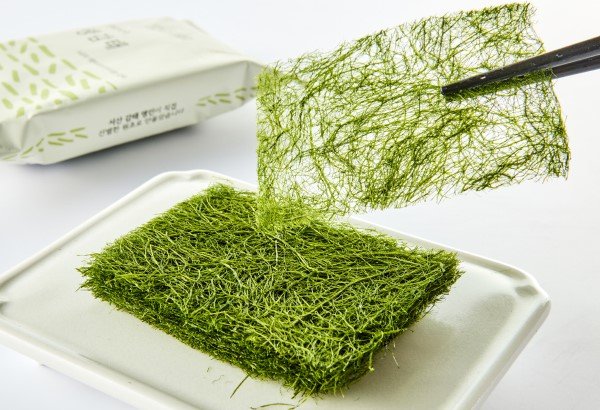
Similar in appearance to gim, gamtae (감태) is a premium, wild-caught seaweed. It has a distinctive porous, web-like texture and a beautiful bright green color. We usually roast it lightly with a touch of sesame oil and salt. It has a slightly bitter, deeply herbaceous flavor that melts in your mouth, making it a favorite for wrapping high-quality sashimi or warm rice.
Kkosiraegi (꼬시래기): The Sea Noodles
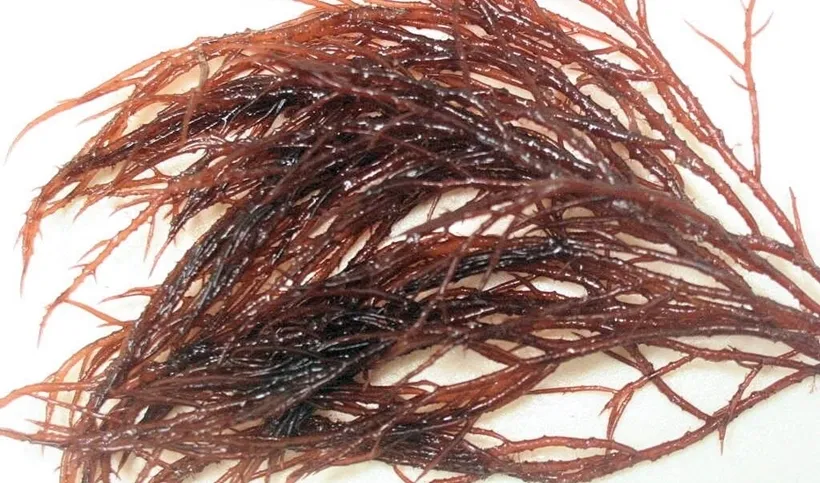
Often nicknamed the “noodles of the sea,” kkosiraegi (꼬시래기) is a long, thin, reddish-brown seaweed. It has a fantastic, springy crunch. We typically blanch it and toss it in a sweet, spicy, and sour gochujang (red chili paste) sauce to make a refreshing cold salad. It is an incredibly popular, low-calorie side dish during the warmer months.
Cheongak (청각): The Kimchi Secret
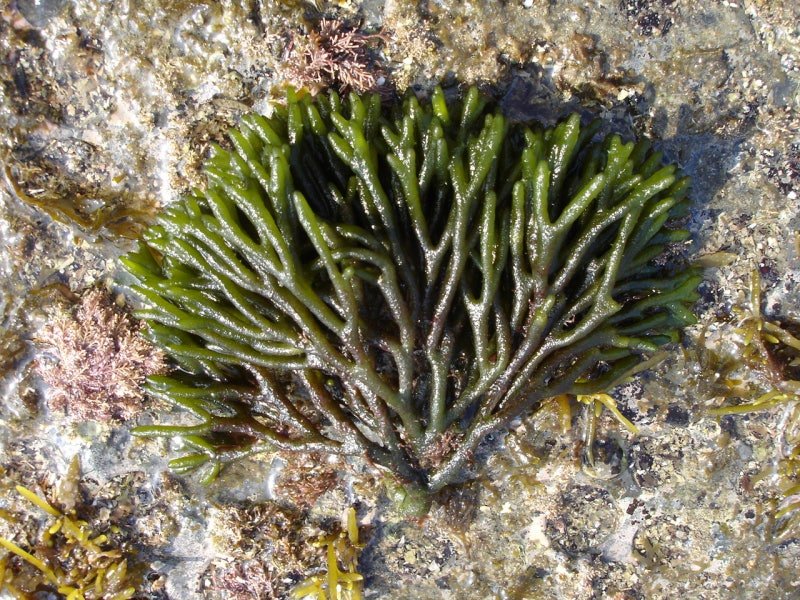
This one might look a bit intimidating because it resembles fuzzy green deer antlers! Cheongak (청각) is rarely eaten on its own as a side dish. Instead, it is a secret ingredient chopped and blended into kimchi paste, especially in the southern coastal regions of Korea. It acts as a natural purifier, giving the kimchi a remarkably crisp, refreshing, and clean ocean flavor without any fishiness.
Umugasari (우뭇가사리): The Summer Jelly
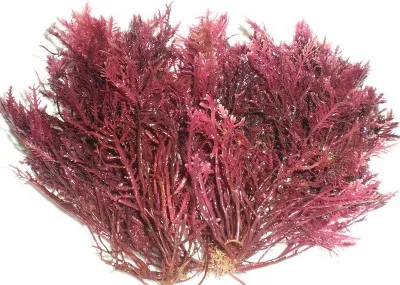
You might know this globally as the source of agar-agar. In Korea, we boil down umugasari (우뭇가사리) to extract its gelatinous substance, which cools into a firm, clear jelly called umut. During the sweltering Korean summers, we slice this jelly into noodle-like strips and serve it floating in cold, savory soybean milk (kong-guk). It is the ultimate cooling comfort food.
Health Benefits and Local Consumption Tips
Korean seaweeds are nutritional powerhouses, loaded with essential minerals, vitamins, and dietary fiber. However, they are also exceptionally high in iodine.
Because Koreans have consumed these marine plants for thousands of years, our bodies have a very high tolerance for dietary iodine. In contrast, visitors from Western countries—where the daily recommended upper limit is roughly 1,100 micrograms—might not be accustomed to such concentrated amounts. A single, hearty bowl of traditional miyeok-guk can sometimes exceed that daily limit.
Should you be worried? Not at all. Enjoying seaweed soup on a birthday or snacking on roasted gim as part of a balanced meal will not cause harm. The key is simply to avoid making it your exclusive food source if your body is not used to it. Enjoy the vast, delicious variety that K-Food has to offer.
Quick Guide to 10 Korean Seaweeds
| Korean Name | English/Scientific Name | Common Uses | Flavor & Texture |
|---|---|---|---|
| Miyeok (미역) | Sea Mustard / Wakame | Birthday soup, cold side dishes | Soft, slippery, mildly oceanic |
| Gim (김) | Laver / Nori | Roasted snacks, Gimbap wraps | Crispy, paper-thin, savory |
| Dasima (다시마) | Kelp | Broth base (Yuksu) | Thick, chewy, high umami |
| Tot (톳) | Hijiki | Mixed into rice (Tot-bap) | Crunchy, earthy |
| Parae (파래) | Green Laver | Sweet & sour salads, pancakes | Soft, fresh, intensely green |
| Maesaengi (매생이) | Seaweed Fulvescens | Winter oyster soups | Hair-like, delicate, savory |
| Gamtae (감태) | Ecklonia Cava | Premium roasted wraps | Porous, slightly bitter, melting |
| Kkosiraegi (꼬시래기) | Gracilaria | Spicy cold noodle-like salads | Springy, crunchy, thin |
| Cheongak (청각) | Codium Fragile | Kimchi seasoning | Spongy, refreshing, clean |
| Umugasari (우뭇가사리) | Gelidium (Agar-agar) | Summer jelly in soybean soup | Firm, clear, neutral taste |
From the comforting birthday soup that connects us to our mothers to the simple, crispy roasted gim we share over rice, seaweed is an indispensable part of Korean culture. When you visit, I strongly encourage you to step beyond the familiar gimbap roll and explore a warm bowl of tot-bap or the diverse array of haecho side dishes. It is a true, healthy, and delicious taste of the Korean sea.
Korean Culture portal KCulture.com

Founder of Kculture.com and MA in Political Science. He shares deep academic and local insights to provide an authentic perspective on Korean history and society.