Are you planning a trip to South Korea in 2026 and feeling completely overwhelmed by where to start? The top 10 must-visit places in Seoul that perfectly balance authentic local lifestyle with traditional heritage are Gyeongbokgung Palace paired with Seochon, Seongsu-dong, Mangwon Market, Eunpyeong Hanok Village, Euljiro, COEX Starfield Library with Bongeunsa, The Hyundai Seoul, Gyeongdong Market, Haebangchon, and Namsan Seoul Tower. Living in Korea, I know exactly how easy it is for visitors to fall into overcrowded tourist traps while missing the vibrant, everyday culture that locals actually enjoy. In this comprehensive guide, we will walk through a carefully curated mix of historical landmarks, hidden local alleyways, and modern trend hubs, complete with practical transit tips, secret viewpoints, and culinary must-dos for each destination.
- 1. Gyeongbokgung Palace & Seochon: The Expanded Royal Experience
- 2. Seongsu-dong: The K-Trend & Pop-up Mecca
- 3. Mangwon Market & Hangang Picnic: Local Foodie Paradise
- 4. Eunpyeong Hanok Village: The Tranquil Traditional Escape
- 5. Euljiro (Hipjiro): The Disappearing Neon Nightlife
- 6. COEX Starfield Library & Bongeunsa: Dramatic Contrasts
- 7. The Hyundai Seoul & Yeouido: Modern Leisure & Cycling
- 8. Gyeongdong Market & Starbucks 1960: Newtro Space Regeneration
- 9. Haebangchon & Sinheung Market: Vintage Alleys & Sunsets
- 10. Namsan Seoul Tower & Wang Donkkaseu: The Ultimate Landmark
- Wrapping Up Your 2026 Seoul Journey
1. Gyeongbokgung Palace & Seochon: The Expanded Royal Experience
While exploring Gyeongbokgung Palace (경복궁) is a staple, simply looking at the buildings barely scratches the surface. Start your morning by witnessing the Royal Guard Changing Ceremony at Gwanghwamun Gate (closed on Tuesdays), which features vibrant traditional costumes and impeccable discipline. Afterward, head to the picturesque Hyangwonjeong Pavilion, a stunning hexagonal pavilion floating on a lotus pond.
Instead of heading to the crowded Samcheong-dong afterward, walk out the west gate to Seochon (서촌). This area is full of narrow, winding alleys that showcase an authentic mix of old Seoul and chic modern cafes.
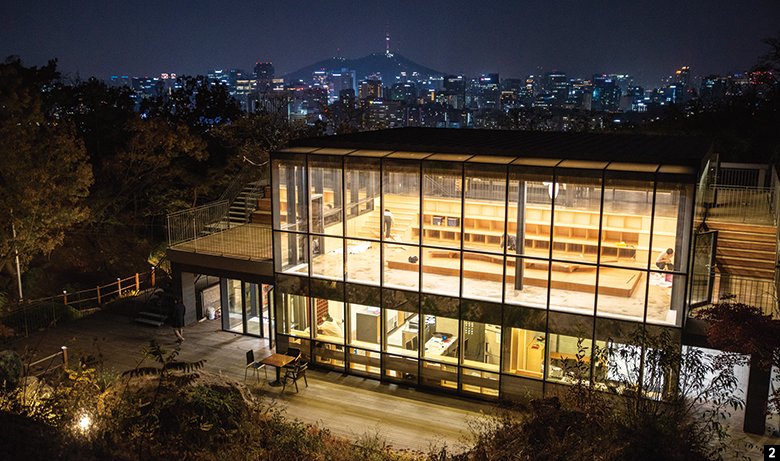
💡 Pro Tip: Rent a Hanbok nearby to get free entry into the palace. To make the most of this experience, check out our Gyeongbokgung Palace Hanbok Tour Guide : Hanbok Rental Tips and compare options with our Gyeongbokgung Hanbok Rental 2025: 30+ Best Shops Compared. For lunch, visit Tongin Market in Seochon. You can exchange your cash for traditional brass coins (Yeopjeon) and build your own lunchbox with famous oil Tteokbokki and savory pancakes. Afterward, take a 15-minute uphill walk to Inwangsan Choso Chaekbang (인왕산 초소책방), a former police post turned glass-house cafe, for a breathtaking aerial view of the city center.
2. Seongsu-dong: The K-Trend & Pop-up Mecca
If you want to see what young Koreans are obsessing over in 2026, you must visit Seongsu-dong (성수동). Once an industrial district filled with handmade shoe factories, Yeonmujang-gil is now the undisputed number one destination for both locals and foreigners seeking fashion, beauty, and lifestyle trends.
Make sure to stop by Dior Seongsu for an iconic photo in front of its glittering greenhouse facade. Then, head to Amore Seongsu to test hundreds of premium Korean cosmetics for free. The real charm of Seongsu, however, lies in “Pop-up Hunting.”
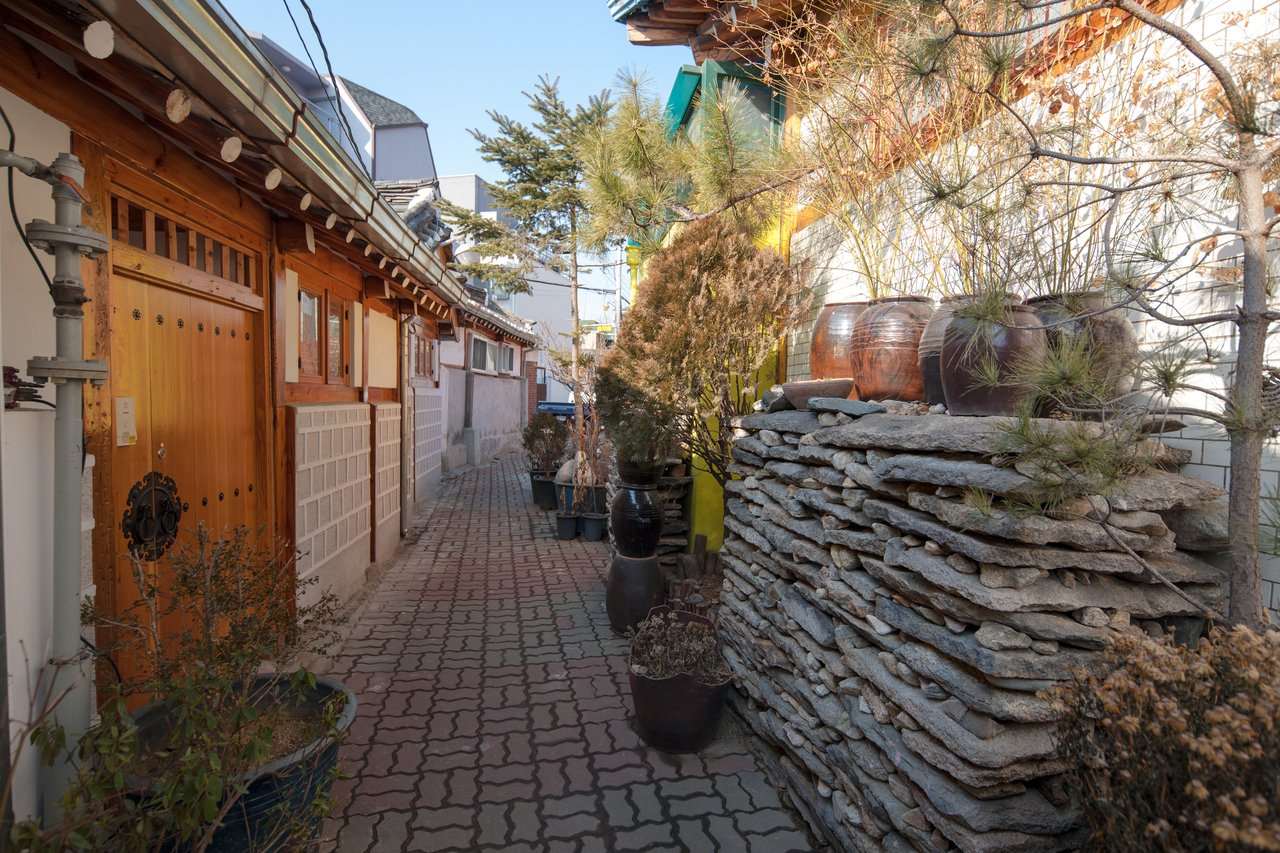
📌 Local Note: Global and local brands open temporary, highly stylized pop-up stores almost every week along Yeonmujang-gil. Many offer free entry and exclusive goods. You can easily find the latest Korean pop-up store and festival information by visiting our What’s On page. Wrap up your afternoon with specialty coffee at Daerim Changgo (대림창고), a massive, rustic gallery cafe built inside an old factory warehouse.
3. Mangwon Market & Hangang Picnic: Local Foodie Paradise
While Gwangjang Market is fantastic, it has become heavily geared toward international tourists. For a truly authentic weekend culinary experience, locals head to Mangwon Market (망원시장). This bustling neighborhood market is famous for incredibly fresh ingredients and mouth-watering street food.
- Must-Eat: Stand in line for Uirak’s giant fried chili peppers stuffed with minced meat, and grab a box of sweet and spicy Dakgangjeong (glazed fried chicken).
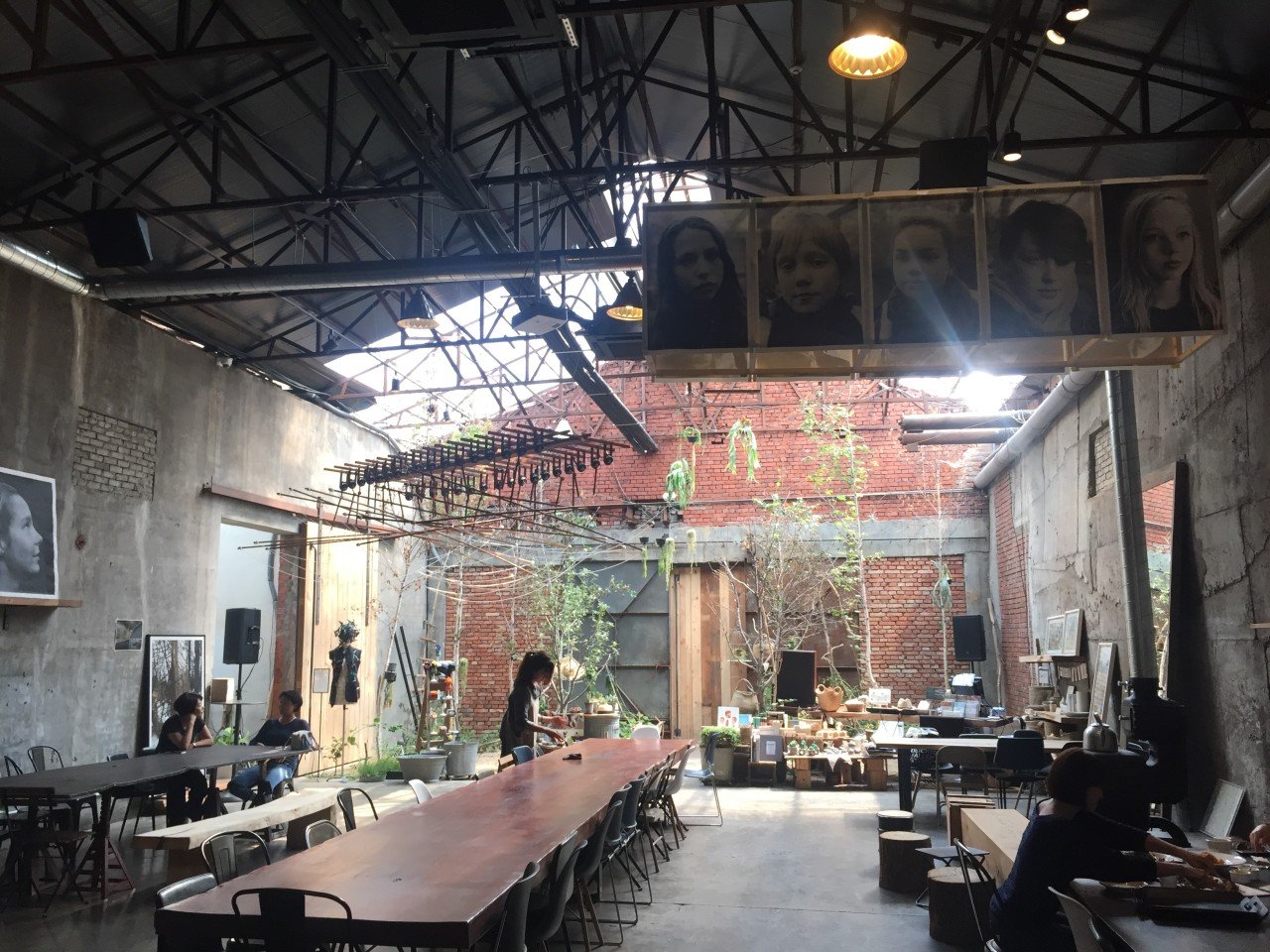
- The Hangang Ritual: Walk 10 minutes to the Mangwon Hangang Park. Stop at a riverside convenience store, purchase a foil bowl and instant noodles, and use the automated cooking machines to make “Hangang Ramen.” Sit on a picnic mat by the water and enjoy your market haul just like the locals do on a sunny weekend. Discover more insider recommendations in our Mangwon Market 2026 Guide: Best Food and Local Tips.
4. Eunpyeong Hanok Village: The Tranquil Traditional Escape
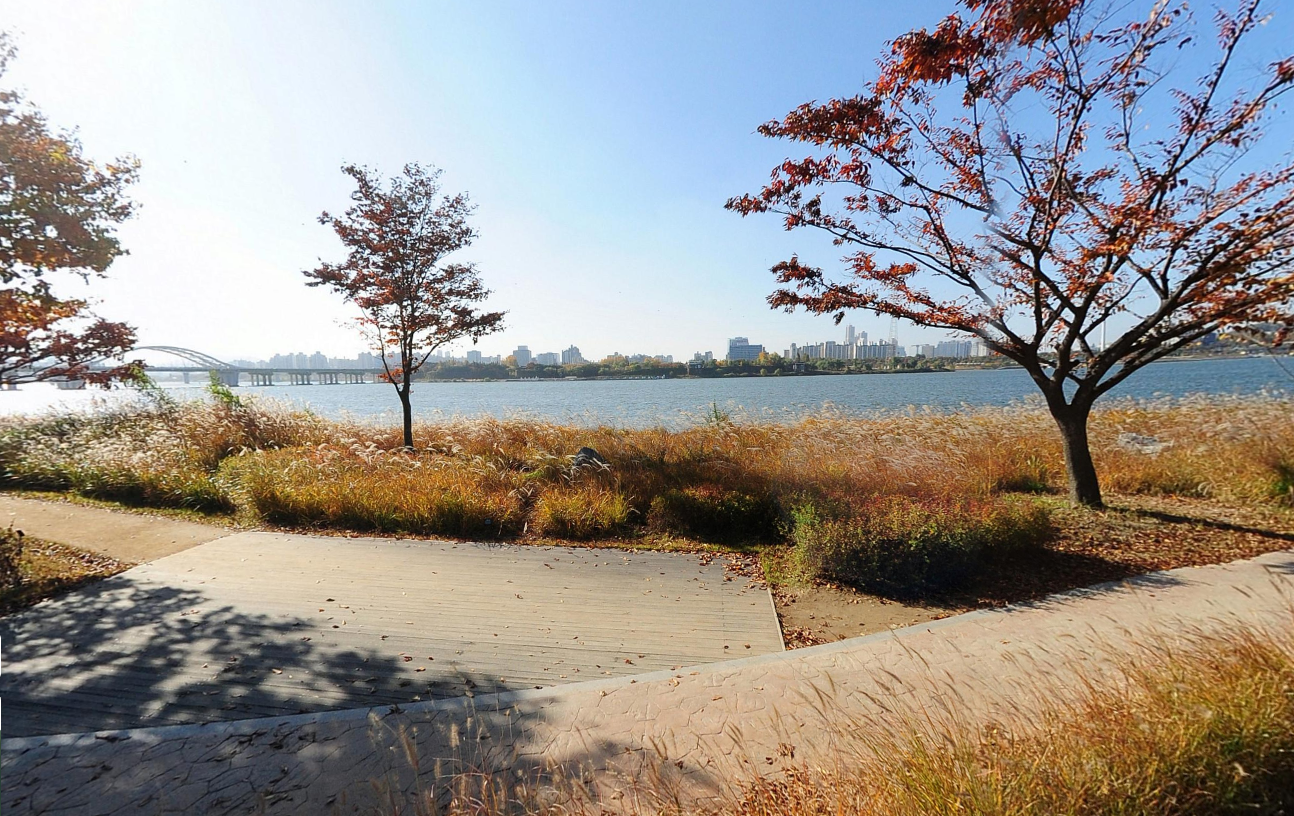
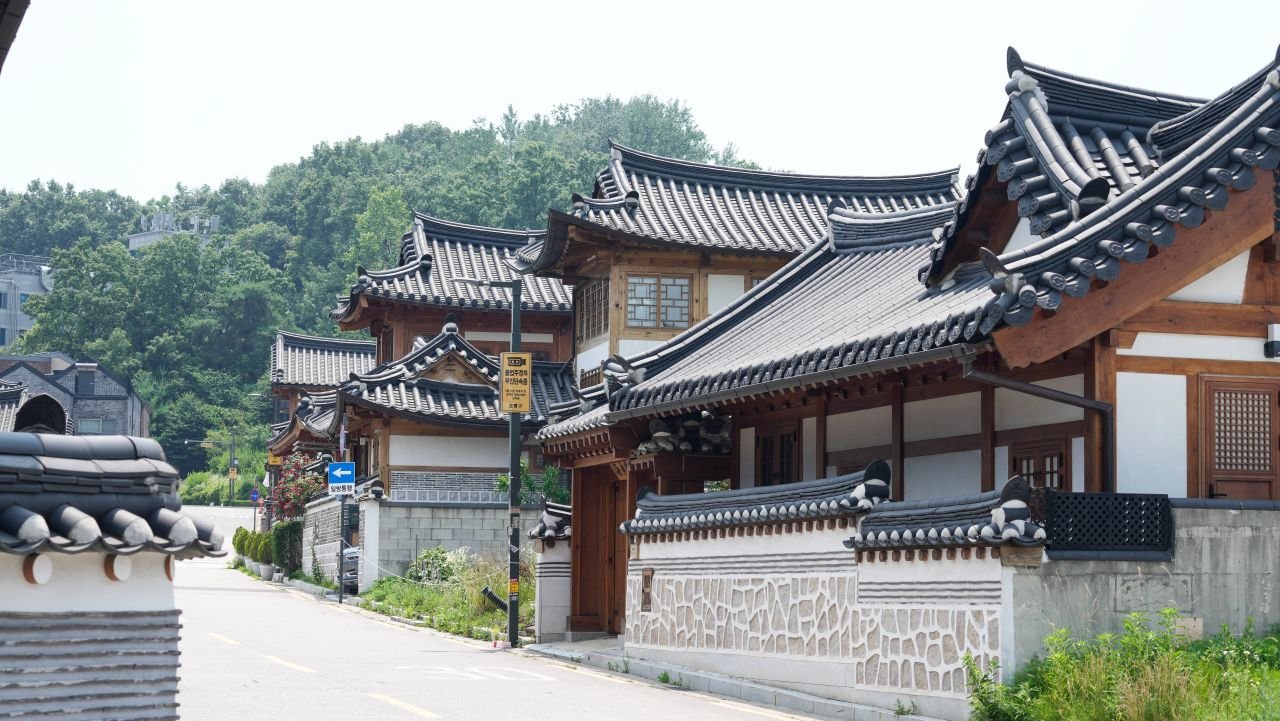
As Bukchon Hanok Village increasingly restricts tourist hours due to overtourism, Koreans seeking serene, traditional aesthetics have turned their attention to Eunpyeong Hanok Village (은평한옥마을) in the city’s northwest. The alleyways here are wider, impeccably clean, and much less crowded, sitting directly at the foot of the majestic Bukhansan Mountain.
Take a peaceful stroll through the village before heading up to 1 in 1 Jan (1인 1잔), a famous six-story cafe at the village entrance. Order a traditional dessert served on a small wooden dining table (Soban), and head to the upper floors to capture a panoramic photo of the sweeping Hanok rooftops against the rugged mountain peaks.
5. Euljiro (Hipjiro): The Disappearing Neon Nightlife
During the day, Euljiro (을지로) is a gritty labyrinth of printing presses and hardware stores. But as the sun sets, the neighborhood transforms into “Hipjiro,” where unmarked doors lead to secret wine bars, trendy pubs, and indie cafes.
Start your afternoon at Coffee Hanyakbang, hidden in an alley so narrow you can touch both walls. This cafe boasts a retro, mother-of-pearl interior and serves excellent hand-drip coffee. When night falls, navigate to the Manseon Hof alley. Dozens of outdoor plastic tables spill into the streets. Sit shoulder-to-shoulder with local office workers, order a cold draft beer and dried pollack (Nogari), and soak in the raw, energetic night vibe of Seoul.
6. COEX Starfield Library & Bongeunsa: Dramatic Contrasts
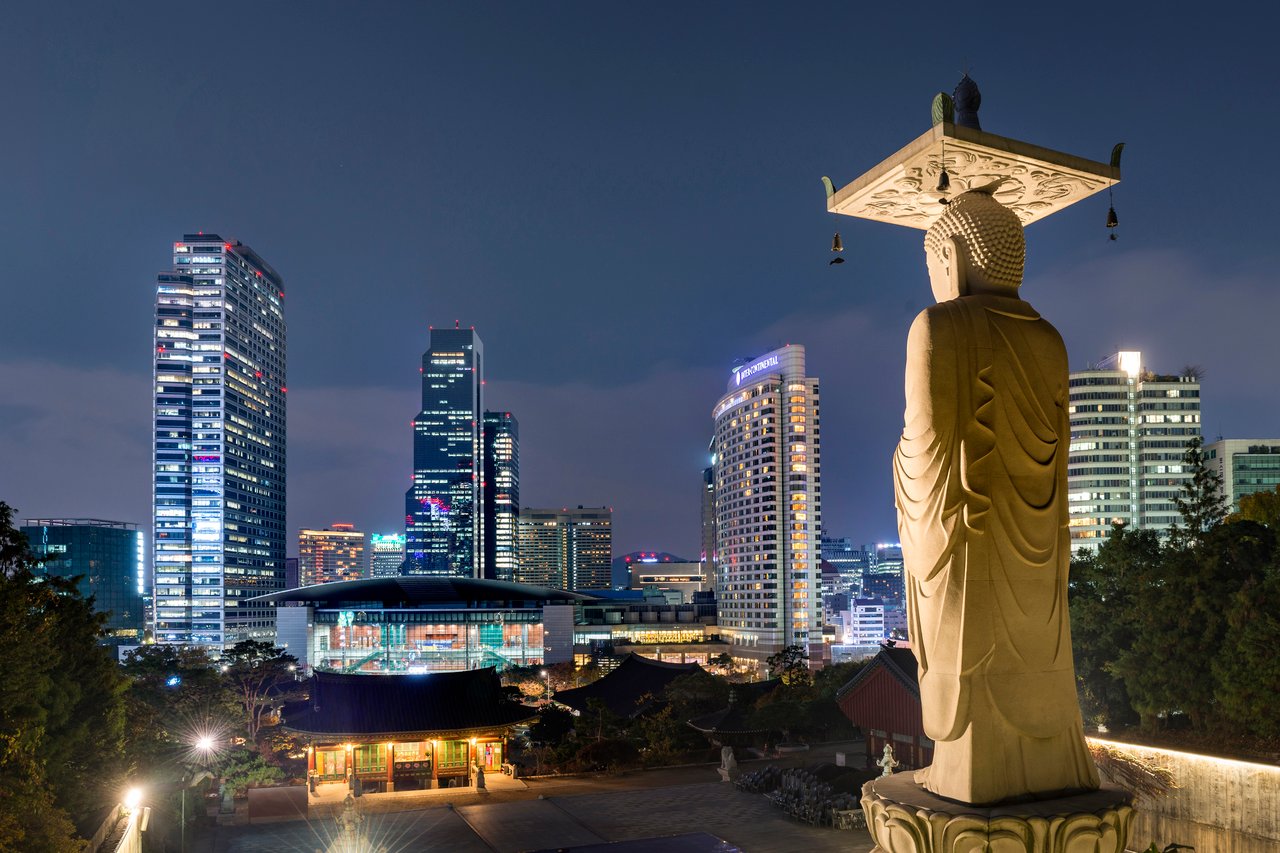
The true allure of the Gangnam district lies in its stark contrasts. Inside the massive COEX Mall, you will find the Starfield Library (별마당 도서관), featuring awe-inspiring, 13-meter-tall glowing bookshelves that look straight out of a fantasy movie. It is an absolute must for your Instagram feed.
Once you finish snapping photos, walk outside and cross the street. Within minutes, you will be transported back 1,200 years in time at Bongeunsa (봉은사) Temple. Walking through this tranquil, incense-scented Buddhist temple while surrounded by towering glass skyscrapers offers one of the most surreal and beautiful juxtaposition experiences in the entire country.
7. The Hyundai Seoul & Yeouido: Modern Leisure & Cycling
To experience the absolute cutting-edge of Korean retail and indoor leisure spaces, visit The Hyundai Seoul (더현대 서울) in Yeouido. This isn’t just a mall; it is an indoor oasis. Relax in the 5th-floor “Sounds Forest,” a massive indoor botanical garden, or head down to Tasty Seoul on the B1 floor to sample famous K-desserts like London Bagel Museum or Camel Coffee.
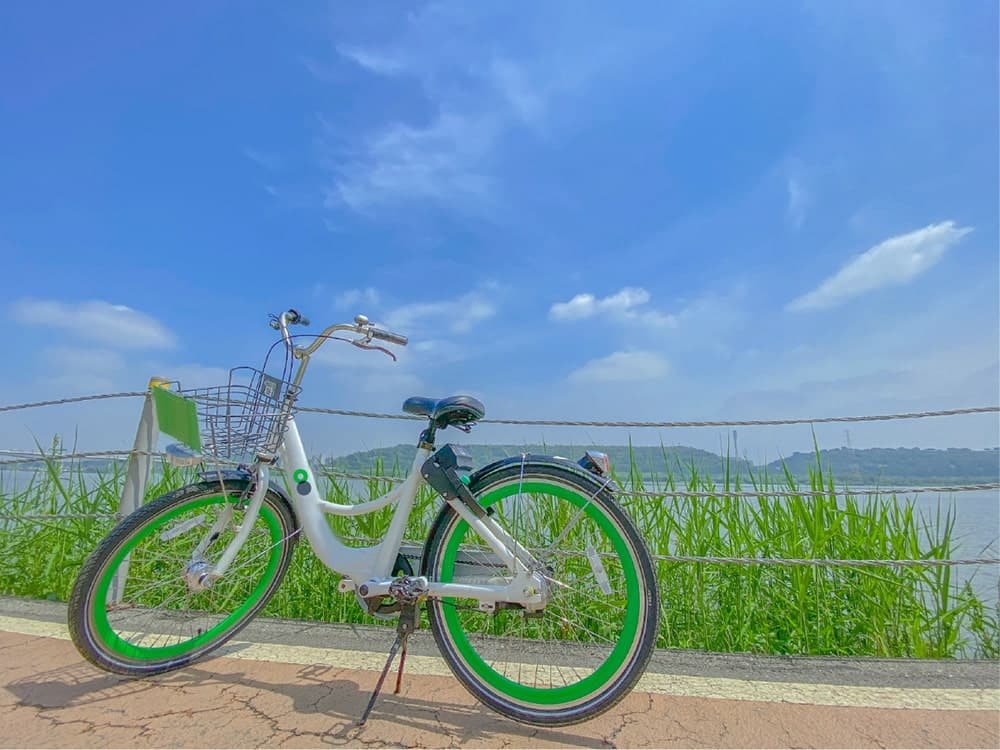
💡 Pro Tip: After your indoor exploration, step outside and rent a Ttareungi (따릉이), Seoul’s public bicycle. The app now supports easy credit card payments for foreigners. Ride along the dedicated bike paths of Yeouido Hangang Park as the sun goes down, perhaps catching a glimpse of the Eland River Cruise passing by.
8. Gyeongdong Market & Starbucks 1960: Newtro Space Regeneration
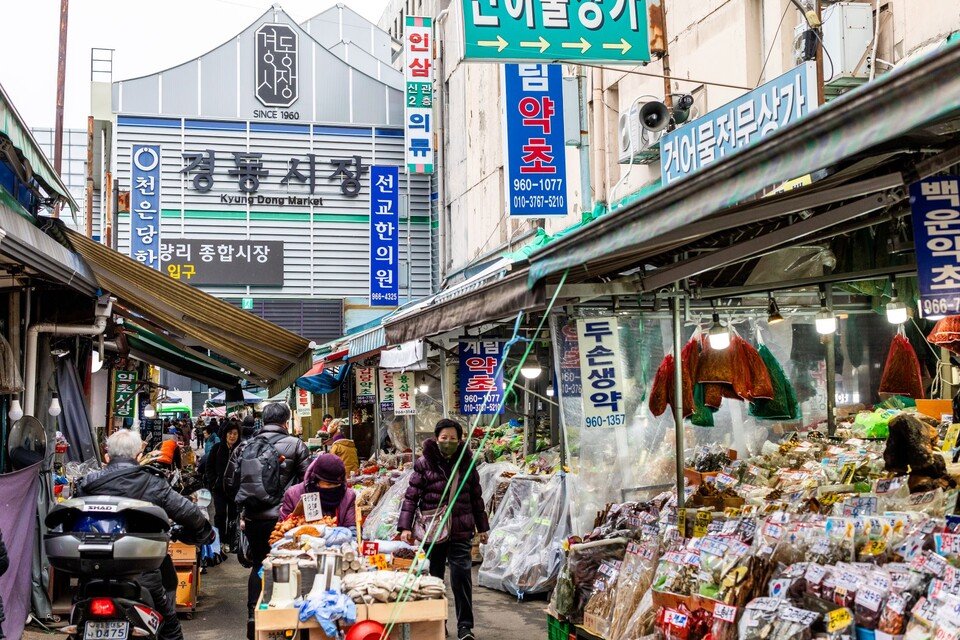
Gyeongdong Market (경동시장) in Jegi-dong is one of Korea’s largest medicinal herb and ginseng markets. It is intensely local, filled with the earthy scent of roots and bustling grandmothers. Hidden within this traditional setting is one of the greatest examples of “Newtro” (New + Retro) space regeneration.
Walk through the market stalls until you find a secretive set of doors leading to Starbucks Gyeongdong 1960 (스타벅스 경동1960점). Built inside an abandoned 1960s theater, the cafe retains the massive tiered seating structure and wooden roof beams. Sipping a mugwort latte while looking down over the expansive, theatrical space is an unforgettable architectural experience.
9. Haebangchon & Sinheung Market: Vintage Alleys & Sunsets
Nestled just below Namsan Mountain, past the main drag of Itaewon, is Haebangchon (해방촌). Take the green village bus (Yongsan 02) up the steep hills to reach Sinheung Market (신흥시장). Once a rundown sweater factory district, this retro arcade covered by a corrugated slate roof has been transformed into a dreamlike commercial zone filled with vintage boutiques, old-school arcades, and intimate cafes.
The true magic happens at dusk. Exit the market and head up to one of the nearby rooftop bars (such as Oriole or Noop Cafe). You will be rewarded with a sweeping, unobstructed view of the Seoul skyline and Namsan Tower turning fiery red under the sunset.
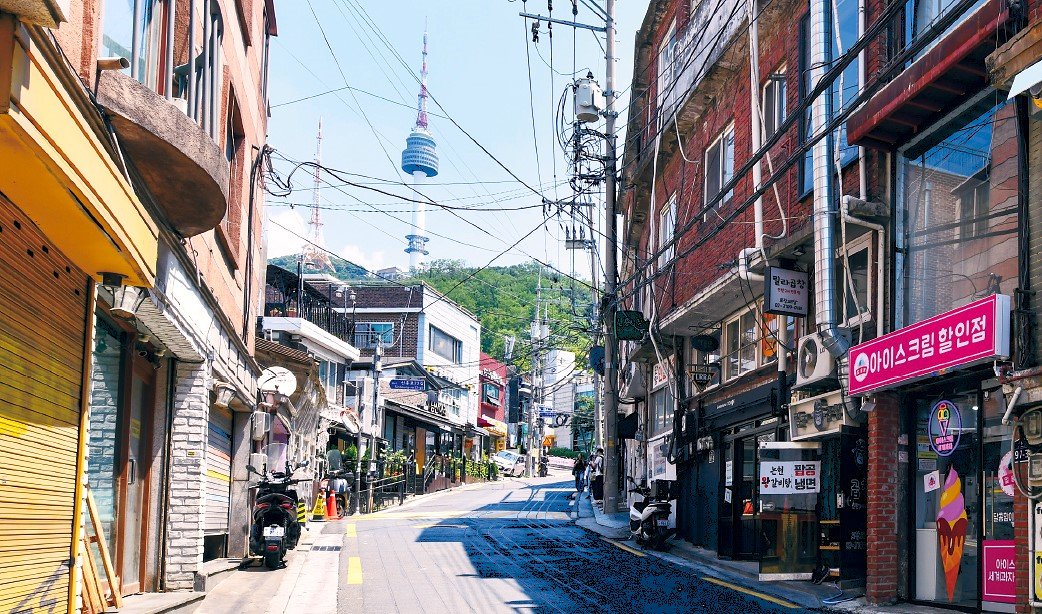
10. Namsan Seoul Tower & Wang Donkkaseu: The Ultimate Landmark
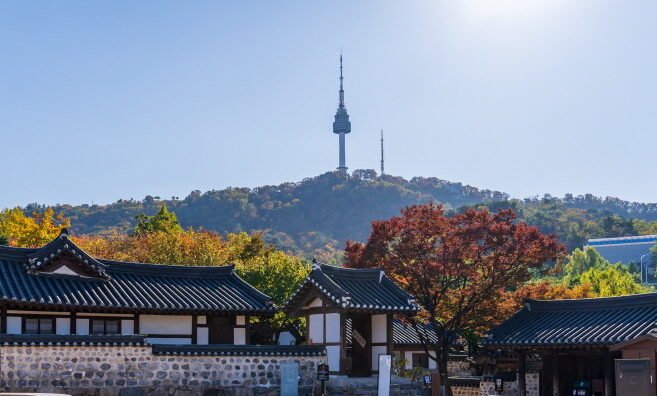
No trip to the city is complete without viewing it from its geographical center. Ride the scenic cable car up to Namsan Seoul Tower (남산 서울타워) right before sunset. The 360-degree observation deck offers a sprawling, sparkling night view of the Han River dividing the glowing metropolis. Don’t forget to attach a “love padlock” to the outdoor fences—a beloved ritual for couples and friends alike.
When you head back down near the cable car ticket office, you must participate in a quirky local tradition: eating Wang Donkkaseu (왕돈까스). These massive, face-sized Korean-style pork cutlets, pounded thin, deep-fried to a crisp, and slathered in a sweet demi-glace sauce, are the ultimate comfort food to cap off your hiking adventure. For a deeper dive into this romantic and delicious area, read Seoul’s Namsan: Kdrama, Food & Views.
Wrapping Up Your 2026 Seoul Journey
As you plan your 2026 itinerary, remember that the true magic of this city isn’t found just by rushing from one major landmark to the next. It is experienced in the quiet moments—sipping a mugwort latte in a regenerated 1960s theater, cycling along the Han River at dusk, or navigating the neon-lit, maze-like alleys of Hipjiro alongside local office workers. These 10 handpicked destinations perfectly bridge the gap between our rich traditional heritage and our fast-paced, trend-setting modern lifestyle. By stepping slightly off the beaten path, you will discover the authentic, everyday rhythm that makes living in Korea so vibrant and unforgettable. Enjoy your adventure, and let the real energy of the city guide your steps!
Korean Culture portal KCulture.com

Founder of Kculture.com and MA in Political Science. He shares deep academic and local insights to provide an authentic perspective on Korean history and society.