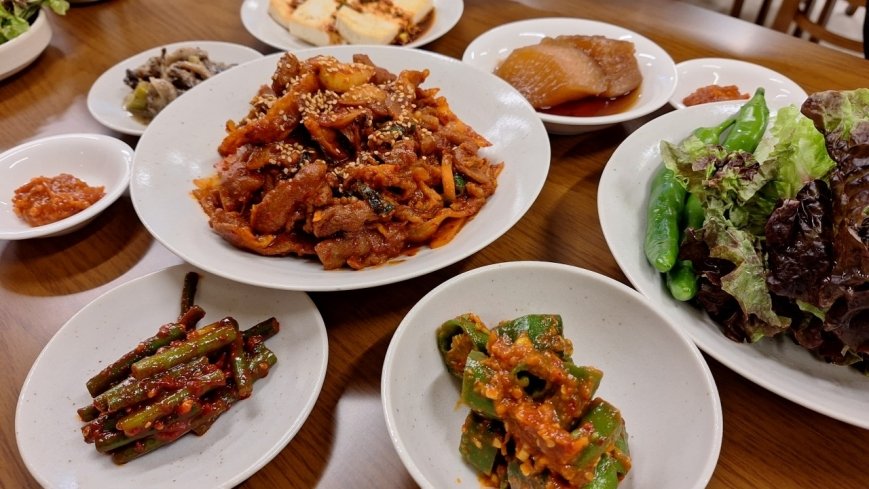
Did you know that in Korea, we eat ecosystem-destroying invasive weeds as delicious vegetable side dishes? To give you a direct answer: in Korea, highly aggressive invasive plant species like Prickly Lettuce, Japanese Hop, and Daisy Fleabane are actively foraged and transformed into nutritious namul (Korean vegetable side dishes) through traditional blanching and seasoning techniques. As someone living in Korea, I have witnessed how aggressive invasive species are severely threatening native plants across our mountains and fields, but local foragers have adopted a brilliant, delicious philosophy to combat this: “If you can’t beat them, eat them.” In this guide, we will explore the fascinating culinary science behind turning these ecological threats into mouth-watering meals, detailing the flavors, and environmental impact of eating invasive Korean spring weeds.
- The Culinary Science of Korean Spring Greens
- Prickly Lettuce: The Plant Cockroach Turned K-BBQ Star
- Japanese Hop: From Thorny Vine to Savory Pickles
- Daisy Fleabane: The “Crop Ruiner” Loved by Locals
- Environmental Impact and Benefits
- Keep Exploring Korean Spring Greens
The Culinary Science of Korean Spring Greens
To Western readers, the idea of foraging and eating wild backyard weeds might sound a bit extreme. However, in Korea, the tradition of eating bomnamul (spring greens) is less about eating raw salads and more about a sophisticated culinary science. We do not just toss wild leaves into a bowl. The secret lies in a transformative preparation process.
Most wild greens possess a natural bitterness and tough textures, which are defense mechanisms against herbivores. Koreans neutralize these traits by quickly blanching the young shoots in boiling water. This softens the plant and neutralizes mild toxins. After blanching, the greens are massaged with powerful, earthy seasonings like minced garlic, sesame oil, perilla oil, and fermented soybean paste. This process masterfully transforms the sharp, astringent bitterness of wild weeds into a deep, savory umami flavor.
Prickly Lettuce: The Plant Cockroach Turned K-BBQ Star
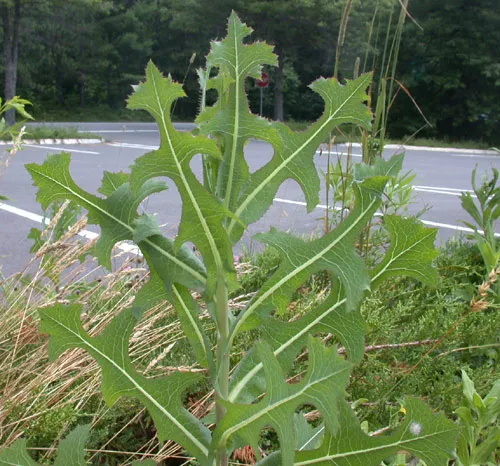
If there is one plant that perfectly embodies the “eat your enemies” spirit, it is the Prickly Lettuce (가시상추). Originating in Europe, this highly invasive weed first arrived in Korea around 1978, reportedly through Gimpo International Airport (김포공항). Today, the Ministry of Environment officially designates it as an ecosystem-disturbing species.
Why It is an Ecological Threat
Nicknamed the “plant cockroach” by local botanists, Prickly Lettuce has incredibly deep roots and can grow up to two meters tall at an astonishing speed. It aggressively steals water and nutrients from the soil, starving out native flora. Furthermore, it boasts such strong vitality that standard herbicides barely make a dent in its population.
The Culinary Twist
Interestingly, Prickly Lettuce is the wild ancestor of the cultivated lettuce we eat today. While mature leaves have sharp thorns along the undersides of their veins, the young, tender leaves that sprout in early spring are perfectly edible. When you snap the stem, it secretes a milky white sap called lactucarium, which carries a distinct, sharp bitterness.
Korean culinary ingenuity turns this bitterness into an asset. The sharp taste of Prickly Lettuce cuts through heavy fats perfectly, making it an absolute star when paired with Korean barbecue. Locals love to use it as a ssam (wrap) for greasy pork belly or toss it into a seasoned namul salad. Its ability to refresh the palate has earned it the title of “rice thief”—a dish so good it makes your bowl of rice disappear in an instant.
💡 Local Pro Tip: The demand for Prickly Lettuce has grown so much that some farmers, rather than pulling it as a weed, have started cultivating it in their greenhouses! Its natural resistance to pests and perfect pairing with roasted meats make it a highly profitable, easy-to-grow cash crop in local markets.
Japanese Hop: From Thorny Vine to Savory Pickles
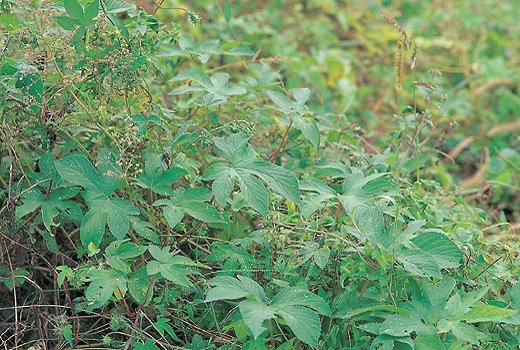
Another notorious invader in the Korean ecosystem is the Japanese Hop (환삼덩굴). If you have ever hiked near a Korean riverbank in late summer, you have likely seen this aggressive vine smothering entire trees and shrubs, blocking out sunlight, and devastating native plant communities.
Turning Thorns into Delicacies
The stems and mature leaves of the Japanese Hop are covered in rough, tiny thorns that can easily scratch human skin. However, in early spring, before the plant hardens, local foragers carefully pinch off the tender young shoots. Once blanched, these shoots lose their aggressive texture.
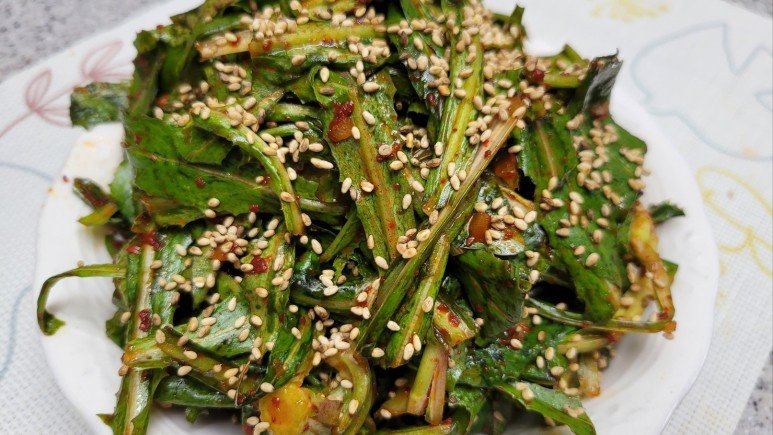
We typically prepare them as a classic sesame-seasoned namul or marinate them in a soy sauce brine to create a savory wild herb pickle, similar to pickled perilla leaves. To combat this botanical menace, local environmental groups even host annual “Eat the Ecosystem Disturbers” festivals, where citizens gather along riverbanks to yank out the vines, cook them up, and eat them together—protecting the environment one bite at a time.
Daisy Fleabane: The “Crop Ruiner” Loved by Locals
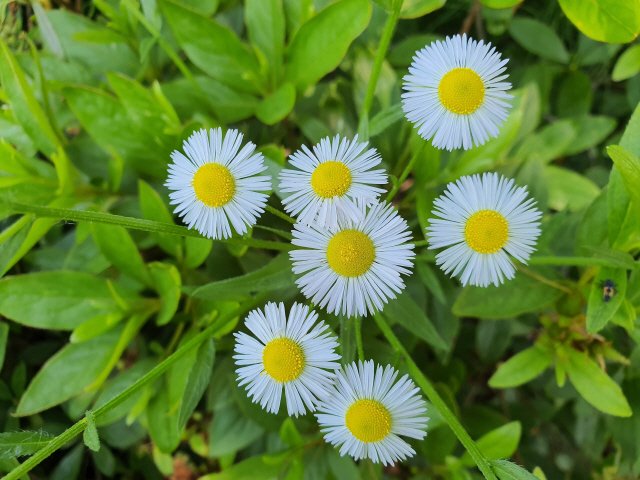
Introduced from North America between the late 19th and early 20th centuries, the Daisy Fleabane (개망초) quickly became a nightmare for traditional Korean farmers. Because it spread so aggressively and overtook cultivated fields, frustrated farmers gave it the name mangcho, which roughly translates to “the weed that ruins the farm.”
Yet, Korean grandmothers quickly figured out how to turn this nuisance into a seasonal delicacy. Before the plant shoots up its tall stalk and blooms its daisy-like flowers, it grows flat against the freezing ground as a winter rosette. In early spring, these low-lying rosettes are incredibly tender. When lightly blanched and seasoned, Daisy Fleabane releases a beautiful, fragrant aroma that rivals the beloved cultivated crown daisy. Today, it is deeply cherished as a familiar, comforting spring ingredient rather than a hated weed.
Environmental Impact and Benefits
Eating invasive Korean spring greens is a fantastic example of sustainable foraging. By targeting these specific plants, we get a double benefit: highly nutritious, organic food for our tables and a fighting chance for native plant species to reclaim their natural habitats.
| Invasive Weed | Culinary Use in Korea | Environmental / Eco-Benefit |
|---|---|---|
| Prickly Lettuce | Eaten fresh as a BBQ wrap or blanched as seasoned namul. | Prevents the “plant cockroach” from stealing water and soil nutrients from native flora. |
| Japanese Hop | Blanched namul or preserved in soy sauce as a savory pickle. | Stops the aggressive vines from smothering native trees and blocking vital sunlight. |
| Daisy Fleabane | Young rosettes are blanched and seasoned for a fragrant side dish. | Reduces agricultural weed competition, saving crops without the use of toxic herbicides. |
Next time you see a patch of stubborn weeds, you might just find yourself wondering what they taste like with a little garlic and sesame oil!
Keep Exploring Korean Spring Greens
If you are eager to learn more about the incredible world of Korean foraging and how to properly prepare these wild delicacies, check out our comprehensive guides below:
- [Bomnamul] How to Find and Cook Korean Spring Greens
- [Bomnamul] How to Safely Eat Toxic Korean Spring Greens (Gosari)
Korean Culture portal KCulture.com

Founder of Kculture.com and MA in Political Science. He shares deep academic and local insights to provide an authentic perspective on Korean history and society.