Introduction: A Taste of Royalty and Restoration
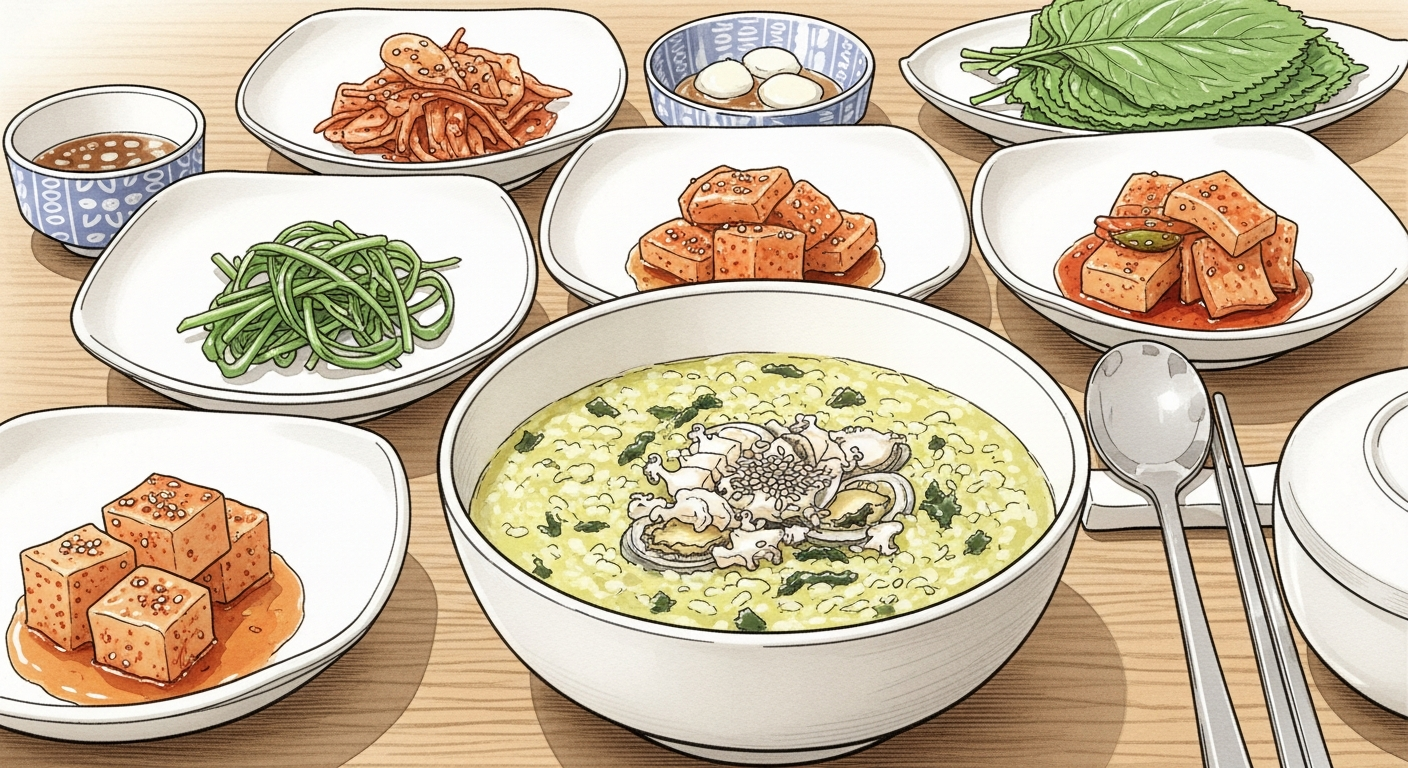
When Koreans speak of food that heals the body and soothes the soul, Jeonbok-juk is often the first dish that comes to mind. This is not just any rice porridge; it’s a luxurious, restorative meal deeply rooted in Korean culture as a food for recovery and special care. Traditionally served to royalty, the elderly, or those recuperating from illness, Jeonbok-juk is a powerful symbol of nourishment and well-wishing. Its flavor profile is a masterful study in simplicity and depth—a nutty, savory, and subtly oceanic taste derived from fresh abalone and a hint of sesame oil, offering a warm embrace in every spoonful.
Ingredients & Flavor Profile
Key Ingredients: The Treasures of the Sea
The magic of Jeonbok-juk lies in its premium, focused ingredients, which create a symphony of flavor and texture:
- Rice: The soft, creamy foundation of the porridge, cooked down until it’s gentle and easy to digest.
- Abalone: Known as the “emperor of shellfish,” fresh abalone provides a delicate, slightly chewy texture and a clean, sweet taste of the ocean.
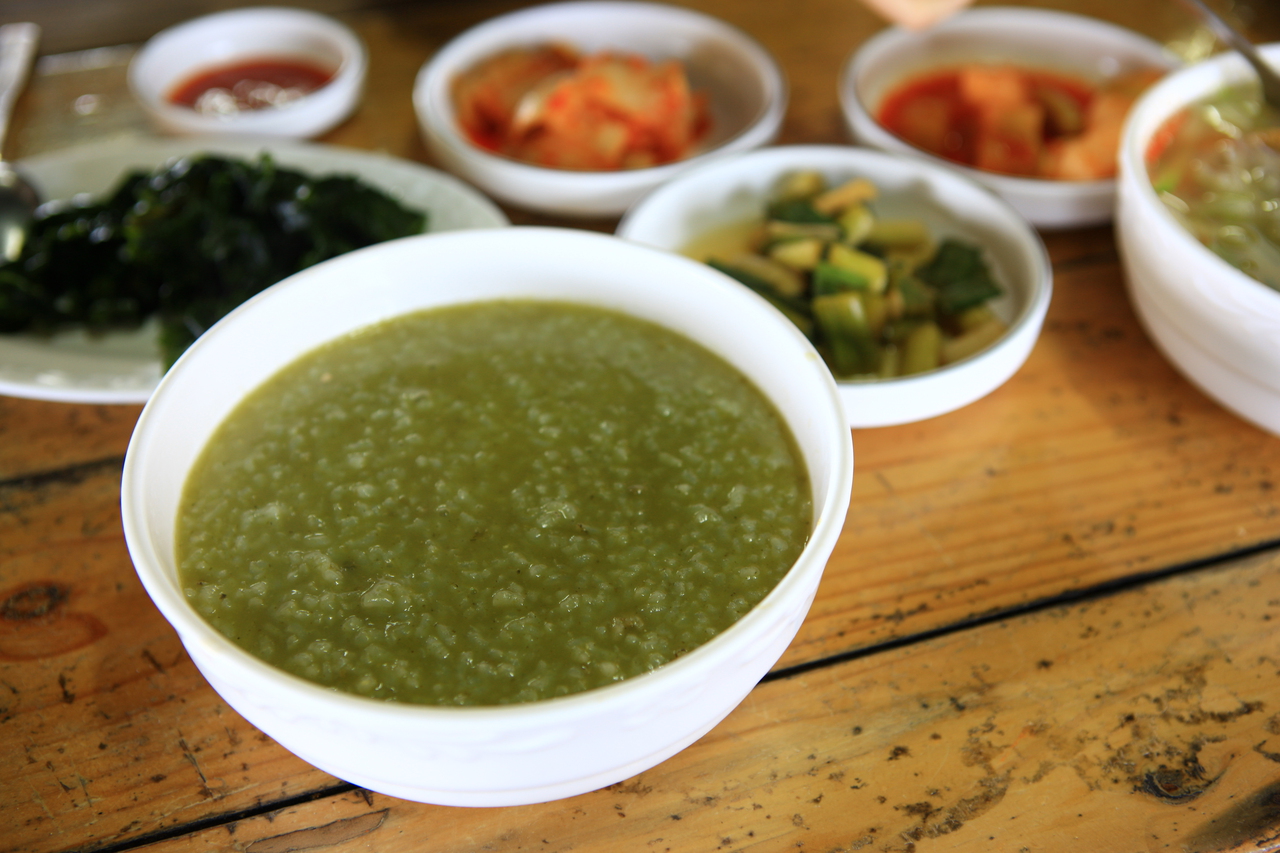
- Abalone Intestines (Naejang): This is the secret to an authentic Jeonbok-juk. The intestines impart a deep, umami-rich flavor and a distinctive greenish-grey hue to the porridge, elevating it from a simple meal to a culinary delicacy.
The Secret of Taste
The seasoning for Jeonbok-juk is elegantly minimal, designed to enhance, not mask, the star ingredients. Aromatic sesame oil is used to sauté the abalone, releasing a wonderful nutty fragrance that forms the base of the porridge’s flavor. A simple touch of salt is added at the end to sharpen the flavors and bring the rich, savory notes of the abalone and its intestines into perfect balance.
Dietary Information (Vegetarian/Allergy)
Please be aware that Jeonbok-juk is not suitable for vegetarians or vegans as its primary ingredient is seafood (abalone).
Safety Tip: For diners with specific dietary restrictions, it is always a good practice to confirm the ingredients with the restaurant staff. While this dish’s components are straightforward, it ensures a safe and enjoyable dining experience.
How It’s Cooked
The preparation of Jeonbok-juk is a patient and thoughtful process. The journey begins by finely dicing the fresh abalone meat and its nutrient-rich intestines. These are gently sautéed in fragrant sesame oil, a step that builds a deep, aromatic flavor base. Soaked rice is then added to the pot and stir-fried briefly, allowing each grain to become coated in the flavorful oil. Finally, water is poured in, and the mixture is brought to a slow, gentle simmer. The chef stirs continuously and patiently as the rice grains break down and absorb the rich essence of the abalone, transforming into a thick, velvety porridge. A final seasoning of salt perfects the dish before it is served steaming hot.
This is a standard method based on general recipes. Every restaurant has its own secret twist and unique style!
Nutritional & Health Benefits
Jeonbok-juk is celebrated not only for its taste but also for its impressive health properties. Its reputation as a restorative food is well-earned:
- Rich in Protein and Minerals: Abalone is a fantastic source of lean protein, vitamins, and essential minerals like iodine and selenium, which are vital for vitality and recovery.
- Boosts Stamina: In traditional Korean medicine, abalone is considered a powerful “stamina food” that helps restore energy, combat fatigue, and improve overall vitality.
- Easily Digestible: The slow-cooking process breaks down the rice into a simple, creamy form, making it very gentle on the digestive system. This makes it the perfect meal for when you’re feeling under the weather or need easily absorbed nutrients.

The KCulture Editorial Team is dedicated to providing deep insights and accurate information about the vibrant world of Korean culture.