Beyond Plastic Surgery: The New Frontiers of South Korea’s Medical Tourism
South Korea’s medical tourism industry in 2025 and 2026 is no longer centered only on cosmetic surgery and dermatology. International patients are now flying to Korea for advanced eye surgery, one-day dental implants, hair transplantation, anti-aging regenerative medicine, and specialized posture correction programs. What makes Korea stand out is not just affordability, but the combination of speed, advanced technology, precise treatment systems, and recovery-friendly infrastructure. For many travelers, Korea has become a place where medical care and daily life blend together naturally. Patients can complete a consultation in the morning, undergo treatment in the afternoon, and sometimes even enjoy sightseeing the next day. This article explains the biggest medical trends beyond plastic surgery, why global patients are choosing Korea over other countries, and the essential things foreign visitors should know before booking treatment.
- Top 5 Next-Gen Medical Services in Korea
- Global Comparisons: South Korea vs. USA, Europe, and Thailand
- Key Considerations for Medical Tourists
Top 5 Next-Gen Medical Services in Korea
Living in Korea, we witness firsthand how the medical landscape has evolved. The local infrastructure now caters to international travelers looking for life-enhancing therapies with minimal downtime. To see the broader data driving this massive shift, explore our statistical analysis on Korea’s 2025 medical trends.
1. Advanced Ophthalmology: Super-Speed Vision Correction
The days of taking a full week off to recover from vision correction are gone. South Korea’s eye clinics have transitioned to fifth-generation vision technologies, notably SMILE Pro and CLEAR LASIK, alongside sophisticated multi-focal intraocular lens implants designed to resolve presbyopia and cataracts simultaneously.
- The Edge: Utilizing ultra-fast laser systems, procedures like SMILE Pro take less than 10 seconds per eye. This drastically reduces corneal exposure time and minimizes dry-eye complications.
- Recovery: Patients routinely experience clear vision and return to light sightseeing or shopping the very next day.
- AI Diagnostics: Leading centers implement automated pre-surgery ocular screening systems that analyze thousands of data points to prevent post-operative complications.
2. Next-Day Dental Artistry: One-Day Implants and Smile Design
Traditional dental restoration usually demands multiple appointments stretched across several months. In Korea, sophisticated digital dentistry allows international patients to undergo complex dental makeovers, such as customized tooth-coating treatments with minimal-invasion like MINISH (미니쉬) or computer-guided navigation implants, in a fraction of the time.
- The Edge: Large dental centers feature fully integrated, on-site digital labs. Using high-definition 3D intraoral scanners and advanced 3D printers, permanent prosthetics are designed, milled, and fitted within a single day.
- Reliability: Korea is the home of globally recognized implant brands like Osstem (오스템), ensuring that the materials used carry top-tier international certifications and widespread long-term support.
💡 Pro Tip: When booking a dental visit, look for clinics explicitly labeled as having an “in-house digital lab” to guarantee that your crowns or veneers can be adjusted and finalized on the spot without waiting for third-party shipping.
3. High-Density Hair Transplantation and Scalp Care
Hair restoration is experiencing an unprecedented boom among younger demographics and female international travelers. The current gold standard focuses on Follicular Unit Extraction (FUE) and Scalp Micro-Pigmentation (SMP) to camouflage thinning areas seamlessly.
- The Edge: Korean surgeons specialize in high-density “slit” transplantation techniques. Instead of pre-made punch holes, doctors create microscopic slits tailored perfectly to the natural growth angle and direction of your hair.
- Advanced Robotics: Robotic hair restoration assistants are heavily utilized to accelerate graft harvesting, resulting in superior graft survival rates and minimal donor-site scarring.
4. Anti-Aging and Regenerative Stem Cell Therapy
As a core highlight of the Medical Korea 2026 convention, advanced regenerative therapies are transforming the local wellness ecosystem. These therapies utilize autologous stem cells, extracted directly from the patient’s own adipose tissue or blood, formulated into intravenous treatments or targeted joint injections.
- The Edge: Legislative updates and relaxed biopharmaceutical regulations have created an exceptionally safe, highly transparent, and legally sound environment for cell therapies.
- Longevity Integration: Rather than treating isolated symptoms, these programs focus on system-wide immunomodulation, chronic fatigue reduction, vascular rejuvenation, and cellular health.
5. Posture Correction and Specialized Physiotherapy
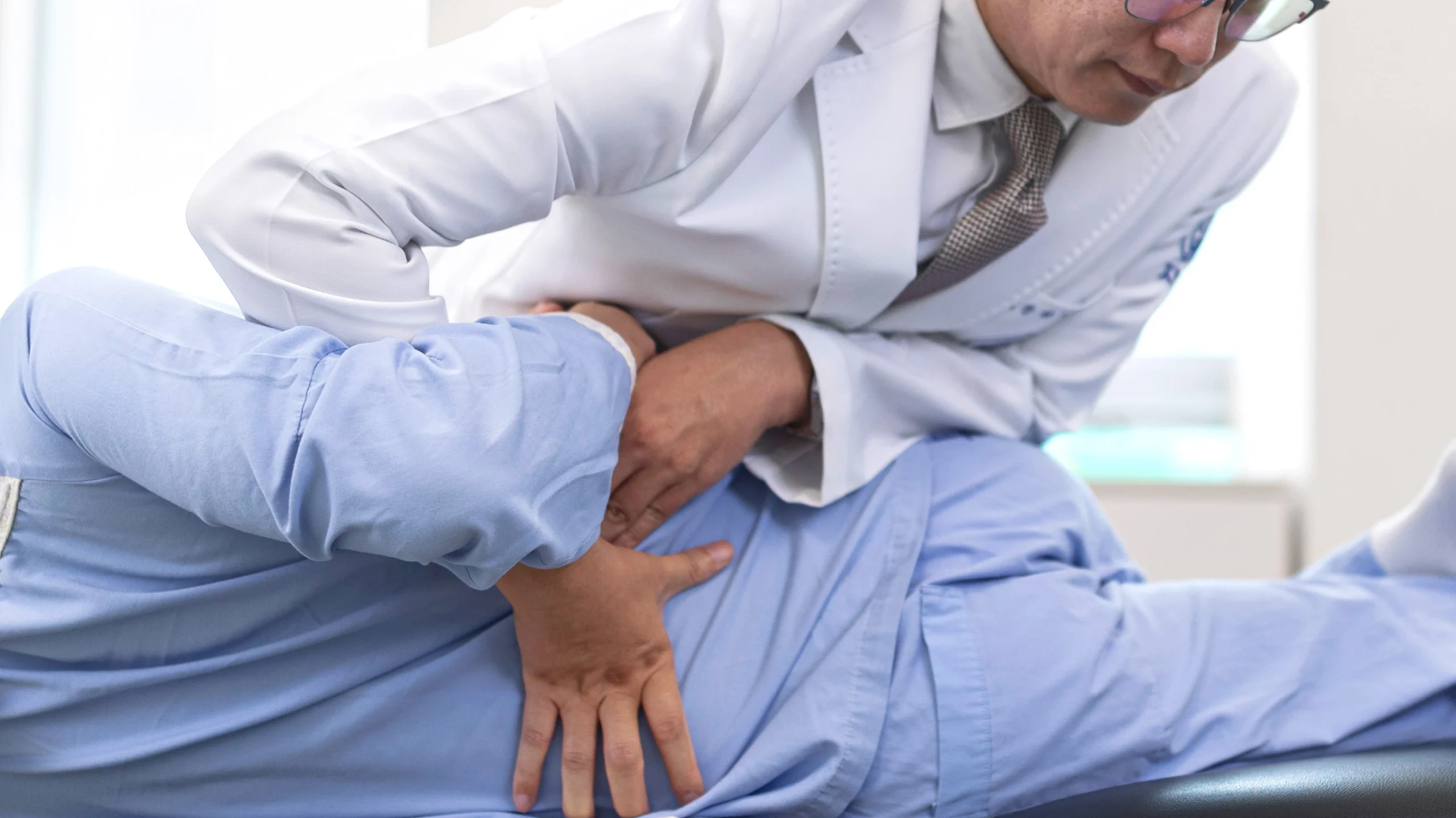
For individuals dealing with chronic pain or structural misalignment, local physical medicine offers an intriguing blend of Western science and traditional Eastern mastery. Unlike standard chiropractic setups found globally, this framework operates under strict medical integration.
- The Edge: Patients undergo precision X-ray and MRI diagnostics administered by licensed physicians. Treatment plans merge advanced Western physical therapy with Chuna manual therapy (추나요법), a traditional Korean non-surgical alignment technique performed directly by doctors of Korean medicine.
Global Comparisons: South Korea vs. USA, Europe, and Thailand
When evaluating South Korea’s medical tourism industry against global competitors in May 2026, it is crucial to analyze not just the baseline price, but what that cost actually includes. Because pricing structures vary wildly by country, patients often face unexpected bills if they are not careful.
In South Korea, medical pricing for international patients is strictly monitored by the government. When you consult with an officially registered medical tourism institution, the quoted price generally covers the comprehensive clinical pathway: advanced diagnostics, the surgical procedure, and anesthesia. However, patients must proactively confirm whether non-clinical services—such as professional hospital interpretation or specialized post-operative care—are included or billed separately. To avoid communication hurdles, we highly recommend reading our guide on translating for surgery in Korea: costs, risks, and tips.
| Comparison Factor | South Korea | USA & Europe | Thailand |
|---|---|---|---|
| Cost Transparency & Inclusion | Highly Regulated. 30% to 50% lower than the US. Quotes from registered clinics include the procedure and medical tech. Note: The VAT refund program for cosmetic procedures expired at the end of 2025. | Prone to Hidden Fees. Advertised prices often only cover the surgeon’s fee. Anesthesia and facility fees frequently result in massive post-procedure bills. | Bundle-Focused. Highly competitive pricing that often creatively bundles the hospital stay and recovery resort into one flat package rate. |
| Speed & Efficiency | Unmatched. “One-Day” systems for dentistry and ophthalmology are designed specifically to fit neatly into a short vacation itinerary. | Slower Processing. Securing specialist consultations and custom medical fabrication often spans weeks or months. | Fast. Excellent turnaround times, though complex digital fabrication might require standard lab processing times. |
| Technology & Infrastructure | Immediate Adoption. AI diagnostics, robotic surgery, and advanced 3D printing are standard baseline expectations in major urban centers. | Advanced but Segmented. Cutting-edge tech is available, but often restricted by strict insurance networks or extremely high out-of-pocket premiums. | Solid Infrastructure. JCI-accredited hospitals are world-class, though mid-tier clinics might rely on previous-generation medical technology to keep prices low. |
Key Considerations for Medical Tourists
To ensure a smooth, safe, and successful journey, foreign visitors must prepare strategically before boarding their flight.
Verify Government-Registered Agencies and Clinics
To protect international patients, the Korean government mandates that specific medical facilities must hold an official registration certificate. Engaging with unregistered brokers strips you of your legal safety net. Always use verified portals to find registered Korean clinics.
Leverage Pre-Consultation via Telemedicine
Do not wait until you land to finalize your treatment plan. Forward your X-rays and medical records via secure clinic platforms to establish a timeline before you arrive. This guarantees you will not waste valuable vacation days waiting for lab results.
Understand Insurance and Medical Disputes
All government-registered medical institutions in Korea are legally required to carry medical malpractice liability insurance, providing a strong baseline safety net for international patients. However, your personal travel insurance likely will not cover elective medical complications. We advise thoroughly reviewing our guide to Korea medical tourism insurance to understand how the national dispute mediation system safeguards your rights.
Plan Your Post-Treatment Recovery
Your healing environment is just as important as the procedure itself. Booking accommodation near your clinic minimizes travel stress. Discover practical advice in our guide on how to choose the best recovery housing. Additionally, navigating local pharmacies can be tricky due to language barriers; familiarize yourself with local systems using our Korean pharmacy guide for prescriptions and OTC meds.
Prepare for the Journey Home
Before leaving the clinic, ensure you have received all English-translated medical reports, diagnostic imaging files, and necessary fit-to-fly certificates. For a complete checklist, review what you need when returning home after medical treatment.
Korean Culture portal KCulture.com

The KCulture Editorial Team is dedicated to providing deep insights and accurate information about the vibrant world of Korean culture.