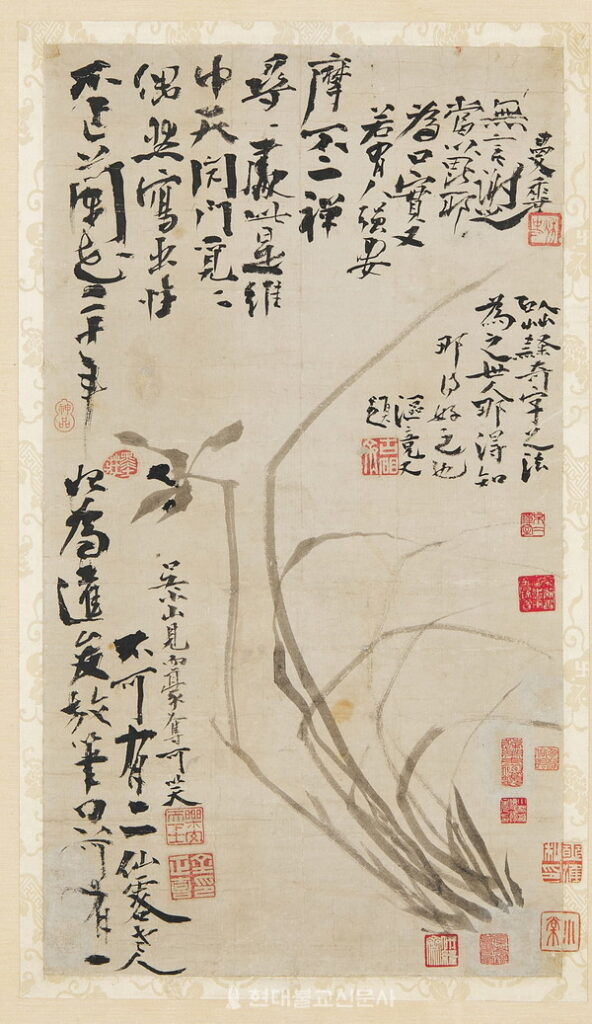
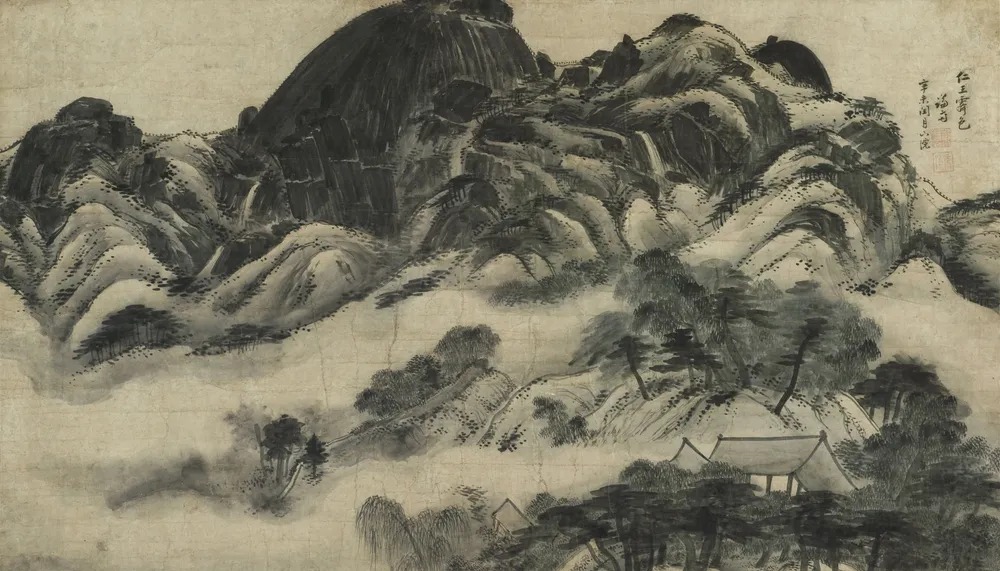
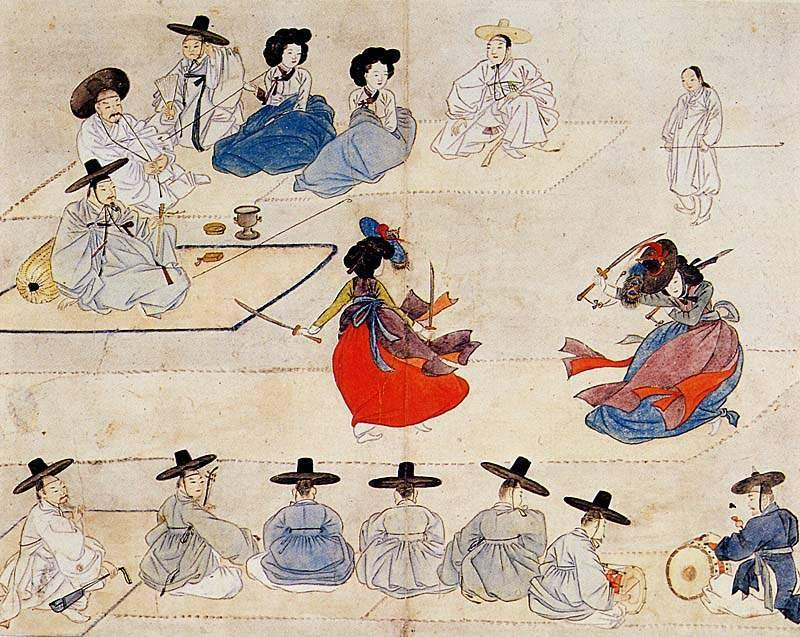
Traditional Korean ink painting (Hangukhwa, 한국화) underwent one of the most dramatic transformations in East Asia between the late 19th and 20th centuries, evolving from an exclusive royal court art into expressive modern exhibitions. Understanding these modern masters requires navigating not only their brilliant artistic techniques but also the complex political upheavals of modernization, Japanese colonial rule, and national division. For culture enthusiasts and art lovers, studying these painters offers a profound window into Korea’s struggle to preserve its cultural identity. This comprehensive guide introduces the pioneers of modern Korean traditional painting, their distinct styles, representative masterpieces, where to view their works, and the historical controversies—including pro-Japanese collaboration—that continue to shape their evaluations today.
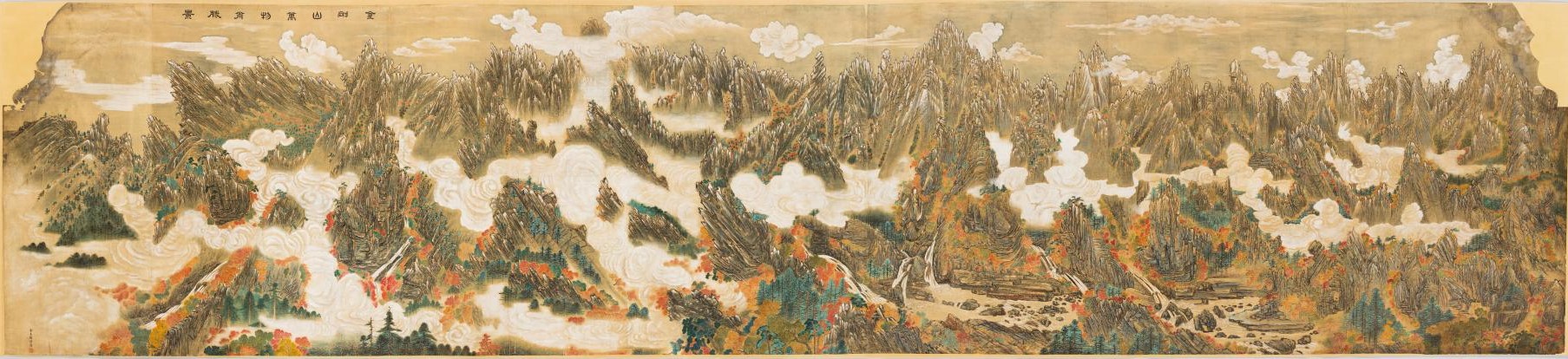
(Although Kim Gyu-jin is not counted among the so-called “Six Masters,” he was a renowned artist who remained consistently active and is particularly famous for his bamboo paintings.)
- The Historical Context of Modern Korean Traditional Painting
- Era 1: The Last Royal Painters (Pre-1910)
- Era 2: Defining Modern Korean Ink Painting (1910s–1970s)
- Era 3: Post-Liberation Modern Innovators
- Where to View These Masterpieces in Korea
- FAQ: Understanding Modern Korean Painting
- Explore More About Korean Traditional Art
The Historical Context of Modern Korean Traditional Painting
The late 19th century marked the final chapter of the Joseon Dynasty and the turbulent beginning of modern Korea. For traditional painters, this period represented a monumental turning point. The traditional institutions that had supported artists for centuries gradually disappeared, while new schools, exhibitions, and modern artistic organizations emerged to take their place. To understand the artists detailed in this guide, one must first recognize the key historical milestones that directly shaped their careers.
| Historical Milestone | Significance & Associated Artists |
|---|---|
| Dohwaseo (Royal Bureau of Painting) | The centuries-old institution for royal court painters (Eoyonghwasa) that produced imperial portraits. Masters like Owon Jang Seung-up represented its final golden age, while Seokji Chae Yong-shin served as one of its last official royal portraitists before its collapse. |
| Seohwa Art Academy (1911) | Korea’s first modern academy dedicated to preserving traditional painting amidst political upheaval. It was led by founding professors Simjeon An Jung-sik and Sorim Jo Seok-jin, who became the crucial mentors for the next generation of modern masters. |
| Changdeokgung Palace Murals (1920) | A landmark project for the rebuilt Huijeongdang Hall. Young prodigies from the Seohwa Art Academy—including Cheongjeon Lee Sang-beom, Simsan No Su-hyeon, and Idang Kim Eun-ho—were selected to create monumental murals. This event symbolized the shift from private scrolls to public exhibition art. |
| Joseon Art Exhibition (Seonjeon) | The official, yet highly controversial, state-sponsored exhibition during Japanese colonial rule that heavily influenced artists’ careers, leading to modern debates over collaboration for figures like Kim Eun-ho. |
| The Six Masters (1971) | A landmark modern exhibition that solidified the legacy of the six artists who most successfully bridged Joseon traditions with modern aesthetics: Lee Sang-beom, Byeon Kwan-sik, Kim Eun-ho, No Su-hyeon, Heo Baek-ryeon, and Park Seung-moo. |
💡 Pro Tip: Unlike many Western nations where modernization completely replaced traditional art forms, Korea’s ink painters adapted classical brushwork to modern subjects. The historical milestones above act as a roadmap—showing how royal painters became educators, and how their students became the “Six Masters” of the modern era.
Era 1: The Last Royal Painters (Pre-1910)
The painters active before the Japanese annexation of Korea inherited the orthodox techniques of the Joseon Dynasty while cautiously experimenting with Western techniques such as perspective, shading, and early photography. As the royal Dohwaseo system collapsed, these artists became the crucial educators who built the foundation for modern art academies.
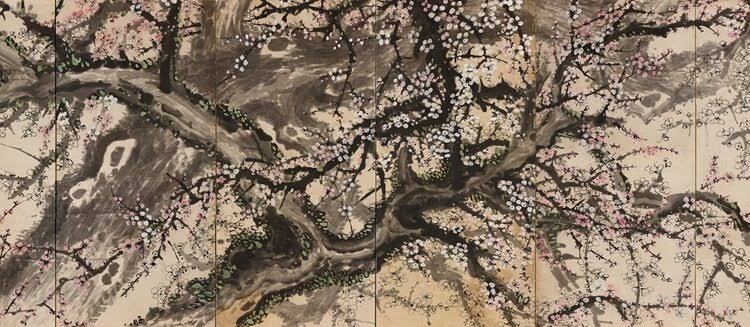
Owon Jang Seung-up (오원 장승업, 1843–1897)
As the last great genius of the traditional Dohwaseo era, Jang Seung-up remains perhaps the most legendary figure in Korean art history. A free-spirited artist who broke strict class barriers, his extraordinary talent inspired the founding fathers of modern Korean painting.
- Artistic Style: Bold, dynamic, and exceptionally spontaneous brushwork. He was a master across all traditional genres, from majestic landscapes to intricate birds-and-flowers and aquatic life.
- Representative Works: Red and White Plum Blossoms, Still Life with Scholar’s Objects.
- Historical Legacy: He served as the last great court painter of Joseon and became the indirect artistic mentor for An Jung-sik and Jo Seok-jin.
Simjeon An Jung-sik (심전 안중식, 1861–1919)
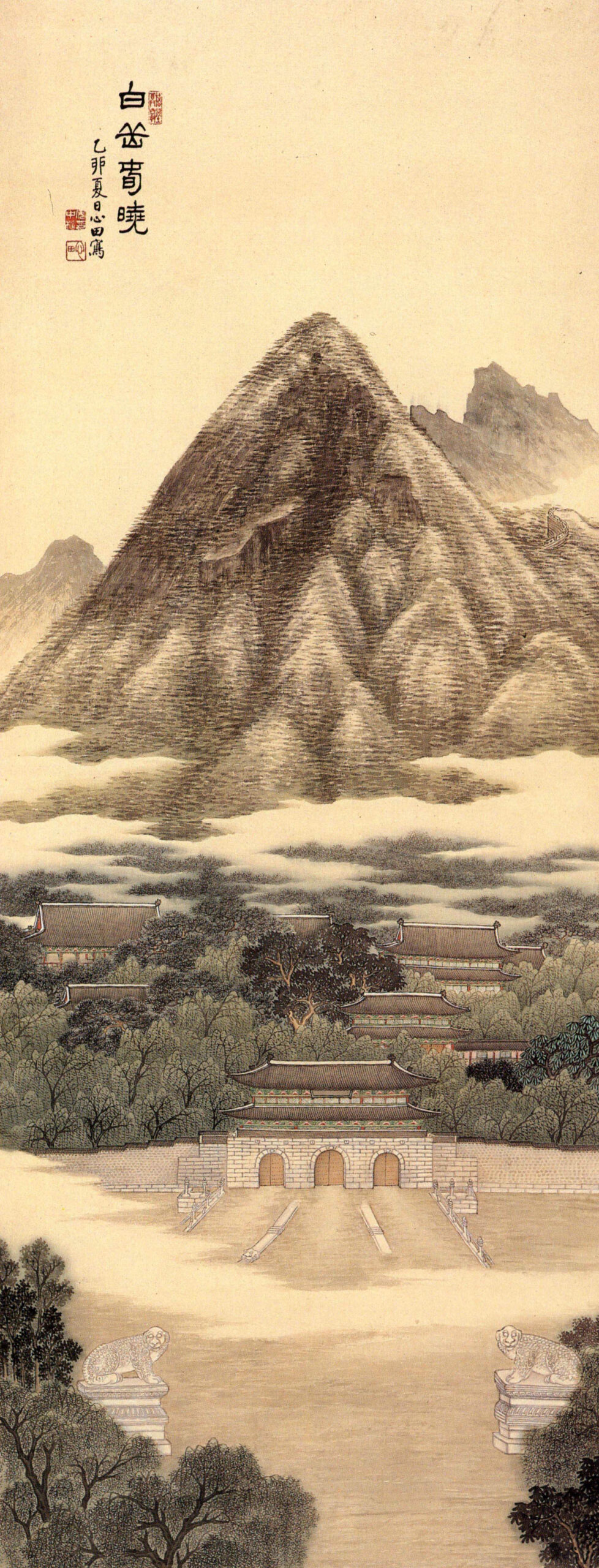
If Jang Seung-up represented the final brilliance of Joseon, An Jung-sik was the architect of modern Korean ink painting. He served as an imperial portraitist for Emperor Gojong but made his most lasting mark outside the palace walls.
- Artistic Style: Combined traditional conceptual literati landscapes with early Western perspective and atmospheric shading to depict realistic Korean scenery.
- Representative Works: Spring Dawn at Mt. Baegak (1915).
- Historical Legacy: As the founding professor of the Seohwa Art Academy, he directly mentored the prodigies who would go on to paint the Changdeokgung murals and become the “Six Masters” of the 20th century.
Seokji Chae Yong-shin (석지 채용신, 1850–1941)
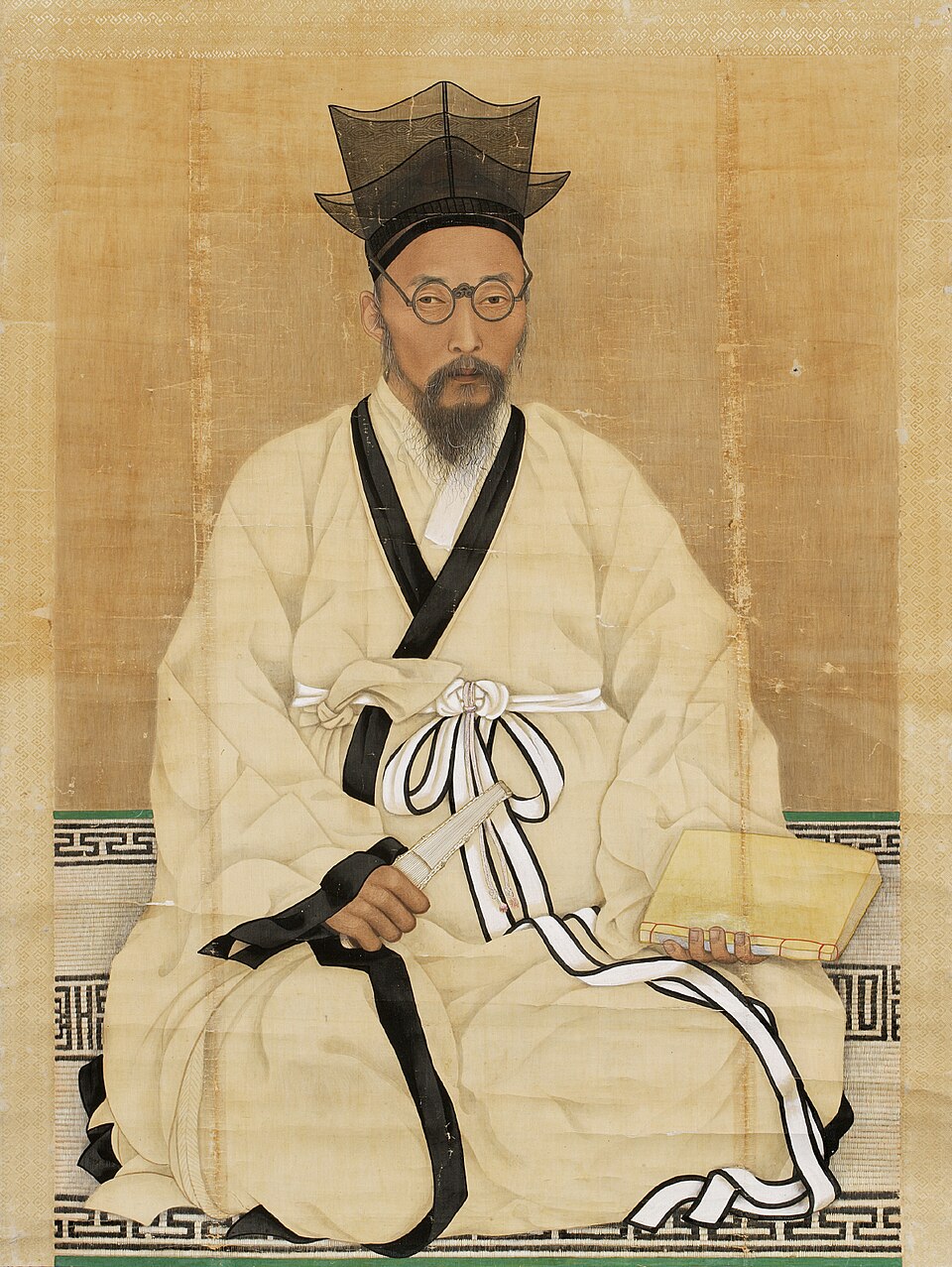
Chae Yong-shin revolutionized Korean portraiture by merging traditional fine-brush techniques with the hyper-realism of early photography and Western micro-shading.
- Artistic Style: Extreme realism with meticulous attention to facial details and tonal shading, capturing the psychological depth of his subjects.
- Representative Works: Portrait of Hwang Hyeon (National Treasure), Portrait of Emperor Gojong.
- Historical Legacy: After stepping down as the chief royal portraitist, he opened Korea’s first private portrait studio, documenting independence activists, scholars, and ordinary citizens—effectively democratizing the art of portraiture.
Era 2: Defining Modern Korean Ink Painting (1910s–1970s)
The students of the Seohwa Art Academy faced a profound challenge: How could traditional ink painting remain relevant under colonial rule and rapid modernization? This period saw the rise of the renowned “Six Masters of Modern Korean Painting.” While they brilliantly modernized Korean art—starting with their historic Changdeokgung murals—this era is also heavily shadowed by controversies surrounding pro-Japanese collaboration.
The Great Landscape Rivalry: Lee Sang-beom vs. Byeon Kwan-sik
Two of the most prominent “Six Masters” offered entirely contrasting visions of the Korean landscape.
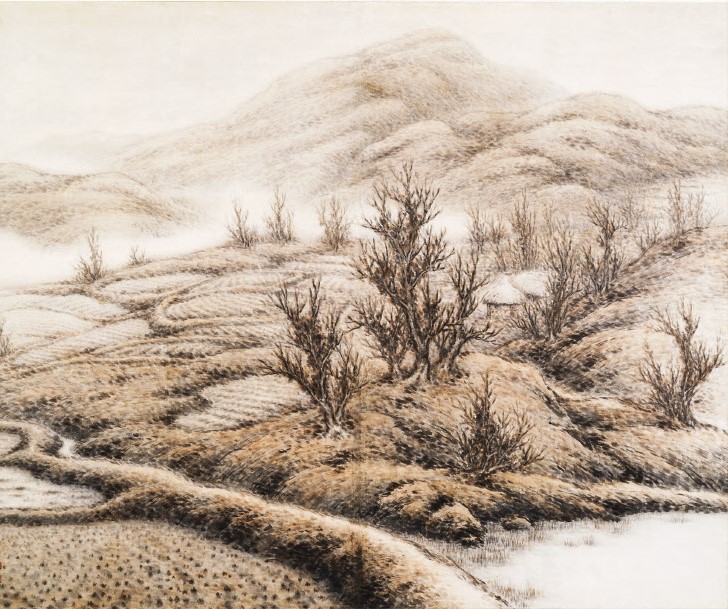
| Cheongjeon Lee Sang-beom (이상범, 1897–1972) | Sojeong Byeon Kwan-sik (변관식, 1899–1976) |
|---|---|
| Focus: Gentle rural hills, mist, and quiet farming villages. | Focus: Dramatic peaks, rugged cliffs, and Mt. Geumgang. |
| Technique: Soft ink washes and fine dot techniques for a misty atmosphere. | Technique: Jeokmukbeop (layered dark ink) and powerful broken lines. |
| Historical Connection: Selected as a young prodigy to paint the 1920 Changdeokgung Huijeongdang mural (Samseongsan Scenic Landscape). | Historical Connection: An independent artist who rejected official exhibition politics to travel and paint the raw nature of Korea. |
| Legacy & Controversy: A celebrated professor but scrutinized for later colonial propaganda work, despite an earlier arrest for anti-Japanese journalism. | Legacy & Controversy: Celebrated for his uncompromising artistic independence and avoidance of the colonial and post-war exhibition establishments. |
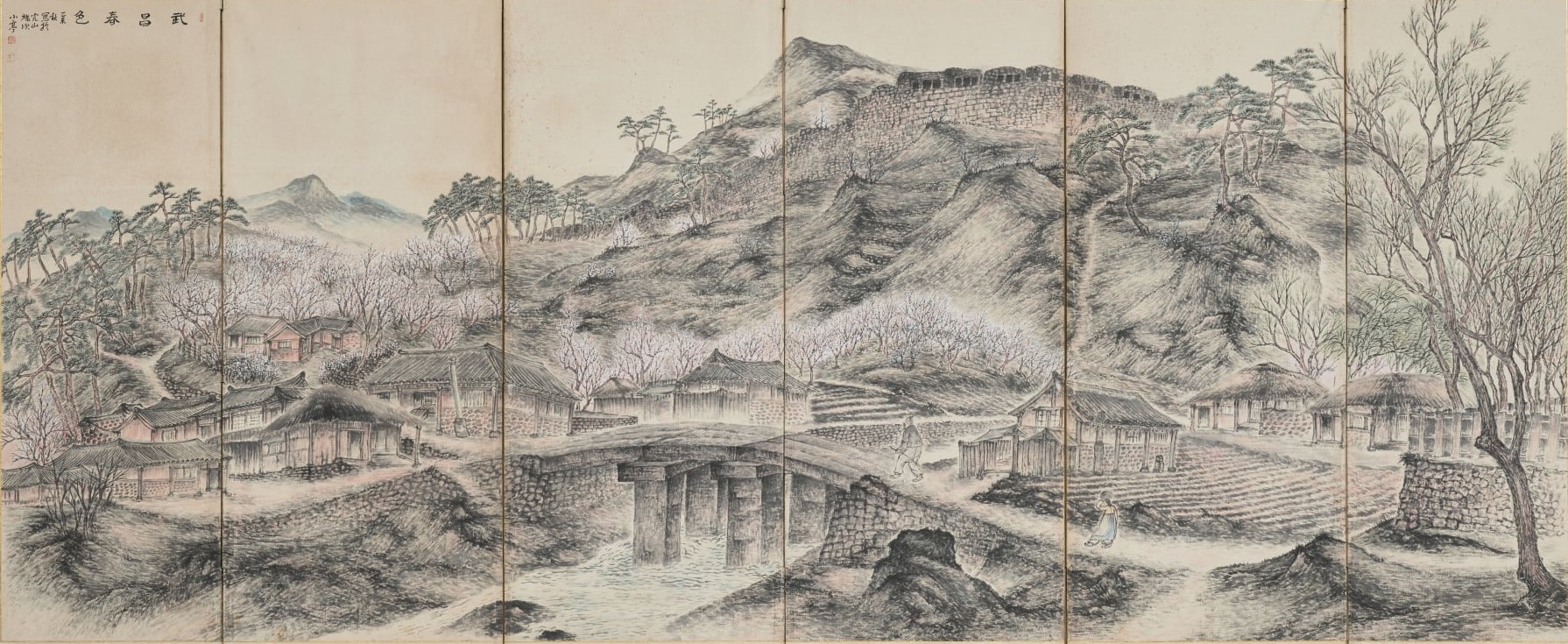
Idang Kim Eun-ho (이당 김은호, 1892–1979) & Simsan No Su-hyeon (심산 노수현, 1899-1978)
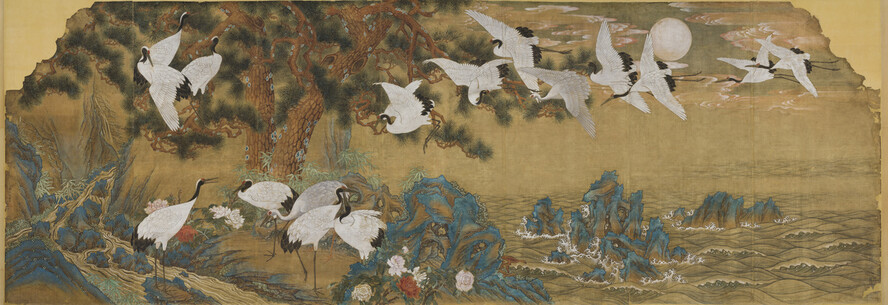
Both artists were instrumental in the transition of Korean art, notably selected alongside Lee Sang-beom for the monumental 1920 Changdeokgung mural project.
- Kim Eun-ho: The undisputed master of delicate, colorful portraiture and fine-brush painting who painted the Huijeongdang mural White Cranes. However, his active participation in producing pro-Japanese propaganda art during the colonial era has deeply tarnished his legacy, leading to modern civic protests against his official historical portraits.
- No Su-hyeon: Known for his architectural mountain forms and powerful rock formations (evident in his Huijeongdang mural Scenic Geumgang Mountains). He transitioned into modern media as an early newspaper illustrator before becoming a respected university professor.
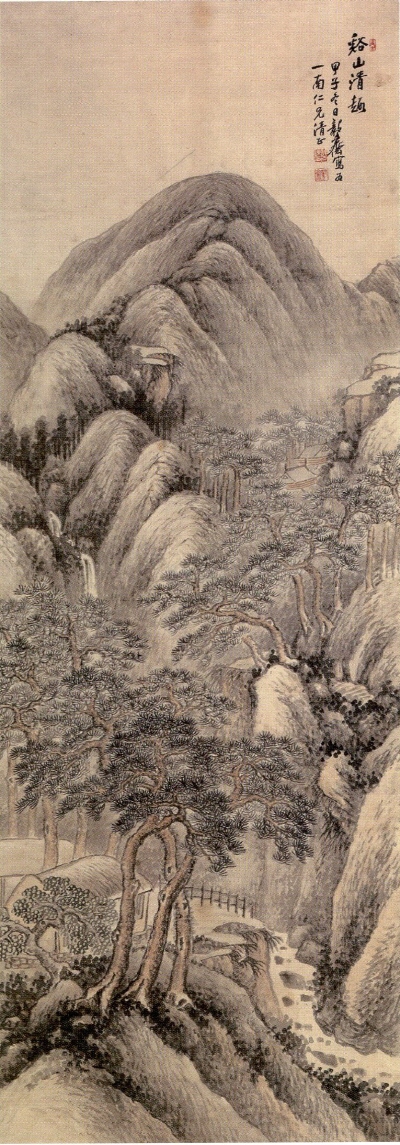
Eijae Heo Baek-ryeon (의재 허백련, 1891–1977)
Another of the “Six Masters,” Heo Baek-ryeon established an alternative artistic sanctuary in Gwangju, far from the political art scene of Seoul.
- Artistic Style: Southern School literati painting (Namjonghwa) emphasizing elegant monochrome ink, empty space, and the harmony of poetry, calligraphy, and painting.
- Legacy: He founded the Sam-ae Tea Garden (삼애다원) and transformed the Jeolla region into a modern stronghold for traditional Korean aesthetics and spirituality.
Era 3: Post-Liberation Modern Innovators
Following liberation in 1945 and the Korean War, younger artists sought to completely break the mold. They built upon the foundation of their mentors but introduced brilliant colors, abstract concepts, and deep folk influences to define a new, independent Korean identity.
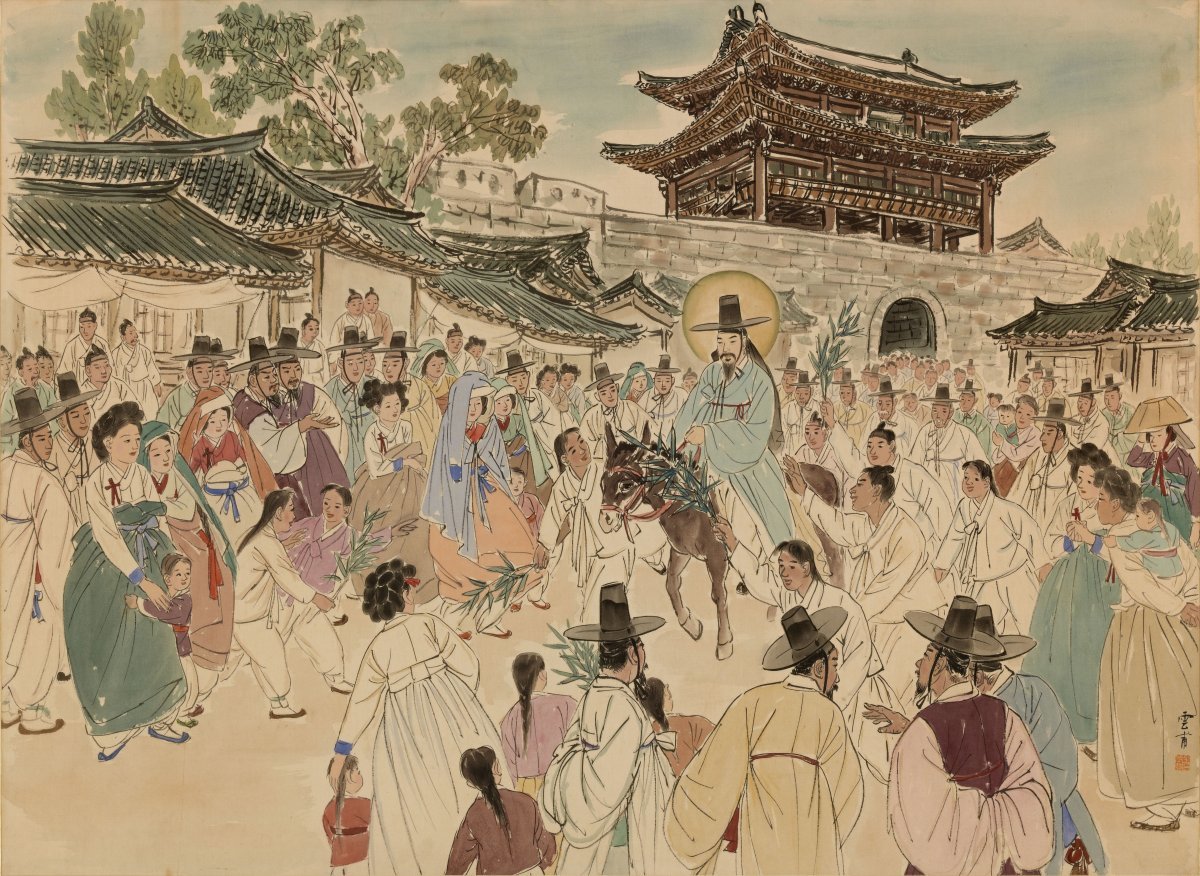
Unbo Kim Ki-chang (운보 김기창, 1913–2001)
A student of Kim Eun-ho, Kim Ki-chang overcame severe childhood hearing loss to become one of Korea’s most relentless artistic innovators, evolving through dozens of distinct stylistic phases.
- Artistic Style: Ranged from traditional fine-brush works to bold cubism, semi-abstract “Fool’s Landscapes,” and dynamic portrayals of traditional mask dances.
- Representative Work: The Life of Jesus series. Painted during the Korean War, he reimagined the biblical story set in a Korean village, with Jesus wearing a traditional Korean hat (Gat).
- Historical Context: Like his teacher, he faced criticism for early colonial-era works in official exhibitions, though art historians heavily weigh this against his massive post-war innovations and advocacy for the deaf community.
Naego Park Saeng-gwang (내고 박생광, 1904–1985)
After agonizing for decades over how to completely strip Japanese aesthetic influences from his art, Park found his explosive signature style in the twilight of his life by turning to Korea’s indigenous spiritual roots.
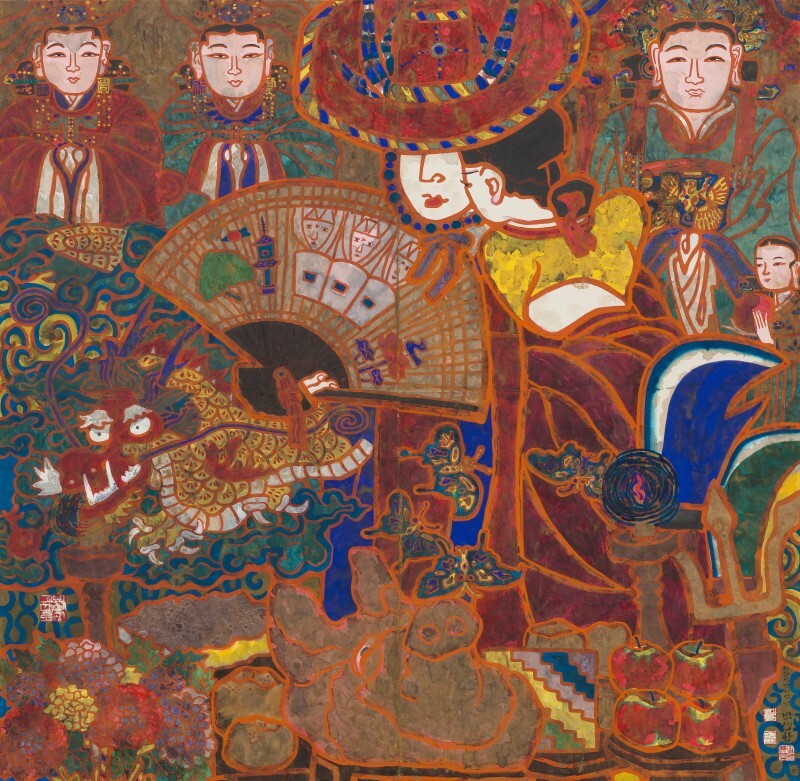
- Artistic Style: He revolutionized traditional painting by using Obangsaek (the five brilliant cardinal colors of Korean shamanism and Buddhism), creating intense, monumental works of shamans (Musok) and historical figures.
- Legacy: His vivid, uniquely Korean aesthetic proved that modern Korean art did not need to imitate foreign styles, leading to a highly acclaimed exhibition at the Grand Palais in Paris shortly before his death.
Where to View These Masterpieces in Korea
Locating original works by Korea’s traditional and modern masters requires a bit of strategic planning. Because traditional paintings rendered on delicate mulberry paper (Hanji) or silk are exceptionally sensitive to light and environmental humidity, major institutions rarely display them on a permanent basis. Instead, these valuable masterpieces are stored in climate-controlled vaults and rotated through special, time-limited exhibitions throughout the year.
📌 Local Insider Note: Always check official museum websites for current exhibition schedules before your visit. If a specific master’s work is not currently on the gallery floor, it is likely undergoing conservation rest in storage. Advance online reservations are strongly recommended when major special exhibitions are on display.
Here are the premier cultural destinations across South Korea where you can view these masterworks in person:
- National Museum of Korea (국립중앙박물관): Located in Yongsan, Seoul, this flagship museum is the ultimate starting point for tracing the broad historical evolution of Korean art, housing comprehensive collections that span from ancient murals to late Joseon and early modern ink landscapes.
- Daegu Kansong Art Museum (대구간송미술관): Opened as the first permanent public venue of the historic Kansong collection outside Seoul, this landmark museum in Daegu is a premier destination for traditional art lovers. It showcases invaluable national treasures preserved by cultural guardian Chun Hyung-pil (Kansong), offering world-class, state-of-the-art gallery spaces dedicated to rotating masterworks by Joseon literati and early modern traditional painters.
- National Museum of Modern and Contemporary Art, Deoksugung (국립현대미술관 덕수궁): Situated within the historic grounds of Deoksugung Palace in Seoul, this branch focuses on modern Korean art from the late 19th through the mid-20th century, frequently staging curated retrospectives on the “Six Masters” and their influential contemporaries.
- Leeum Museum of Art (리움미술관): Located in Seoul’s Hannam-dong district, this prestigious private museum presents rotating exhibitions that seamlessly bridge classical Joseon masterpieces with groundbreaking 20th-century traditional ink paintings.
- Ho-Am Art Museum (호암미술관): Set amidst traditional Korean gardens in Yongin, this museum regularly hosts thematic exhibitions highlighting rare Korean folk art, court paintings, and modern ink masterworks.
FAQ: Understanding Modern Korean Painting
How does Korean ink painting differ from Chinese ink painting?
While sharing historical roots, Korean artists gradually developed a distinct visual language. Korean ink painting (Hangukhwa) typically emphasizes an unpretentious, naturalistic approach to local landscapes, a restrained use of empty space, and a profound connection to the specific seasonal atmosphere of the Korean peninsula, avoiding overly exaggerated or purely conceptual mountains common in some Chinese traditions.
Does the pro-Japanese controversy affect how these artists are viewed today?
Yes, significantly. In modern South Korea, historical responsibility is deeply scrutinized. Exhibitions featuring artists involved in colonial propaganda now frequently include plaques detailing their historical actions alongside their artistic achievements. Some civic groups continually advocate for the removal of standard historical portraits painted by controversial artists, keeping the debate alive in contemporary society.
Explore More About Korean Traditional Art
To fully grasp the foundations that these modern masters built upon, explore our deep dives into Korea’s traditional art history:
- The Guide to Traditional Korean Painting History
- Jeong Seon & Chusa: Joseon Literati Painting Masterpieces
- Understanding Muninhwa and Korea’s Scholar Artists
- Discover Pungsokhwa: Masterpieces of Korean Genre Painting
- Minhwa: The Guide to Korea’s “Pop Art” Tradition
- Traditional Korean Calligraphy: Hanja to Hangul Evolution
- The Art Inside Korean Won Banknotes
Founder of Kculture.com and MA in Political Science. He shares deep academic and local insights to provide an authentic perspective on Korean history and society.