Introduction & Synopsis
Long before the intricate plots of today’s global hits, there was Pilot (파일럿), a series that captured the heart of a nation by looking to the skies. At its core, this 1993 MBC production is the quintessential story of ambition, chronicling the lives of a group of fiercely dedicated students at the Korea Aerospace University. The narrative follows the journey of the passionate Kang Min-ki (Choi Soo-jong) and his peers as they navigate grueling training, intense rivalries, and complex relationships, all while pursuing the singular, coveted dream of becoming a commercial airline pilot. Blending high-stakes professional drama with a compelling love story, primarily involving the brilliant and sought-after Noh Hye-ran (Chae Shi-ra), Pilot set a new standard for Korean television.
The Sky Was Not the Limit: Korea in the 1990s
To understand the immense impact of Pilot, one must understand the South Korea of 1993. The nation was in the throes of unprecedented economic growth and burgeoning democratization. The 1988 Seoul Olympics had announced its arrival on the world stage, and the 1989 liberalization of overseas travel meant that for the first time, the world was truly accessible to the average Korean. The pilot, as a profession, became the ultimate symbol of this new era. It represented globalization, technological prowess, elite skill, and the freedom to traverse the globe. The drama tapped directly into this national psyche of aspiration and optimism, presenting a future that was modern, global, and full of limitless possibility. It was a powerful departure from the historical epics and family melodramas that had previously dominated television, reflecting the forward-looking gaze of a nation on the rise.
A Blueprint for the Modern K-Drama
As Korea’s first mainstream aviation drama, Pilot pioneered the “professional drama” (전문직 드라마) genre that remains a cornerstone of the industry today. The series meticulously detailed the technical aspects of flight training, from simulators to emergency procedures, treating the profession with a reverence that captivated audiences. The narrative masterfully balanced this technical world with universal human themes. The fierce camaraderie and rivalry among the trainees mirrored the competitive spirit of Korean society, while the central love triangle provided the emotional anchor. This formula—combining a deep dive into a specialized profession with classic dramatic elements of love, friendship, and sacrifice—became a blueprint for countless future hits, from medical dramas like Hospital Playlist to legal thrillers like Stranger.
The Pulse of the Time: A National Phenomenon
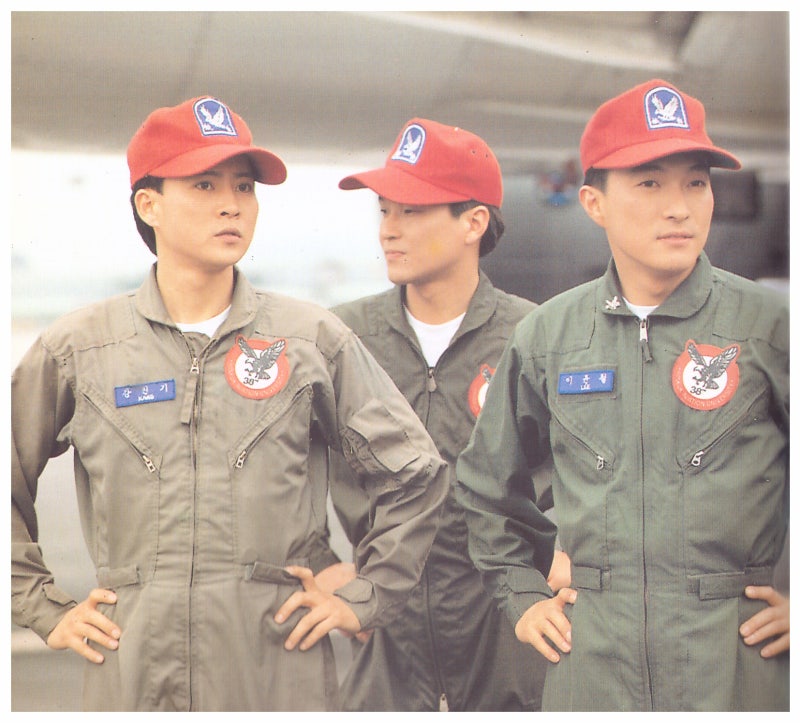
It is difficult to overstate just how popular Pilot was upon its release. The show was a cultural event, achieving viewership ratings that are almost unimaginable today, soaring to a peak of 46.2% and making the streets empty during its broadcast. The theme song, “Pilot” by Jung Yeon-joon, became an anthem of the era. The pilot’s uniform became an icon of success, and applications to aviation schools surged across the country. The drama didn’t just entertain; it actively shaped the career aspirations of an entire generation of young Koreans.
Cast Spotlight: Icons in the Making
- Choi Soo-jong as Kang Min-ki: Already an established star, Choi Soo-jong embodied the perfect protagonist for the 90s. His portrayal of Kang Min-ki was a masterful blend of unwavering passion, boyish charm, and sheer determination. He was the hero the audience could wholeheartedly root for.
- Chae Shi-ra as Noh Hye-ran: As one of the era’s leading actresses, Chae Shi-ra delivered a nuanced performance as a confident and intelligent woman pursuing her own ambitions in a male-dominated field. She was more than just a love interest; she was an aspirational figure for modern Korean women.
- Han Suk-kyu as Park Sang-hyun: This was the role that ignited a legendary career. Han Suk-kyu’s portrayal of Kang Min-ki’s calm, cool-headed rival and friend was a revelation. His soft-spoken charisma and intellectual appeal presented a new kind of male lead, and he became an overnight sensation, launching a career that would soon make him one of Korea’s most respected film actors.
Global Viewing Guide
Finding this 90s classic can be a rewarding journey for fans of K-drama history. Fans can watch this on the following platforms:
- KOCOWA: This platform, specializing in content from major Korean broadcasters, is often the best source for classic MBC dramas like Pilot, particularly for viewers in North and South America.
- Wavve: For viewers in South Korea, this domestic streaming service holds an extensive library of classic MBC content.
- MBC Official Channels: Keep an eye on official MBC YouTube channels (like “MBC Drama Classic”), which occasionally upload full episodes of vintage series with subtitles.
Final Verdict
Pilot is more than just a nostalgic trip back to 90s television. It is a vital cultural document—a time capsule of a nation’s hopes and dreams at a pivotal moment in its history. For any K-drama fan who wants to understand the origins of the genre’s modern form and witness the birth of screen legends, watching Pilot is essential viewing. It’s a compelling, brilliantly acted series that proves a great story about chasing your dreams is truly timeless.

The KCulture Editorial Team is dedicated to providing deep insights and accurate information about the vibrant world of Korean culture.