Considering a hair transplant in South Korea? In short, Korea has become one of the world’s leading destinations for hair restoration thanks to its focus on natural-looking results, advanced surgical techniques, experienced surgeons, and well-developed medical tourism infrastructure. For many international patients, it offers a balance between quality, safety, and cost that can be difficult to find elsewhere.
If you’re researching a hair transplant trip to Korea, you’re probably wondering about costs, clinic selection, recovery time, communication, and whether the results justify traveling overseas. This guide covers the essential information international visitors should know before booking a procedure.
- Why Choose Korea for a Hair Transplant?
- Understanding Korean Hair Transplant Techniques
- How Much Does a Hair Transplant Cost in Korea?
- Before You Travel to Korea
- How to Choose a Safe and Reputable Clinic
- What Happens on Surgery Day?
- Recovery and Aftercare
- Korea vs Other Popular Hair Transplant Destinations
- Common Mistakes International Patients Make
- FAQ
Why Choose Korea for a Hair Transplant?
Many international patients who choose Korea are not necessarily looking for the lowest price. Instead, they are seeking a combination of natural-looking results, surgeon involvement, advanced technology, and a healthcare system known for high standards of safety and patient care. This is one reason Korea continues to attract patients from North America, Europe, Australia, and across Asia despite having higher prices than some budget-focused destinations.
South Korea has earned a strong reputation in the global hair restoration industry for one key reason: natural-looking outcomes.
Rather than simply maximizing graft numbers, many Korean clinics focus heavily on hairline design, facial balance, graft direction, density planning, and long-term aesthetics. This approach is particularly attractive to patients seeking subtle results that blend naturally with existing hair.
Korean clinics are also known for:
- Advanced FUE and DHI procedures
- Experienced surgeons performing high volumes of cases
- Non-shaven or minimally shaven options in some clinics
- Modern facilities and patient-centered services
- Dedicated coordinators for overseas patients
- Long-term online follow-up after returning home
📌 Local Note: Many international patients are surprised by how much time Korean clinics spend discussing hairline design before surgery. In Korea, achieving a natural appearance is often considered just as important as the number of grafts transplanted.
The Korean Approach: Aesthetic Design Matters
One of the biggest differences international patients notice is the emphasis Korean surgeons place on aesthetics. Rather than simply maximizing graft numbers, clinics often spend significant time designing a hairline that matches facial structure, age, ethnicity, and future hair-loss patterns.
This approach is particularly appealing to patients who want results that look natural even at close range rather than a visibly transplanted appearance.
Understanding Korean Hair Transplant Techniques
Hair Transplants for Women
Although hair transplantation is often associated with male pattern baldness, many clinics in Korea also treat women experiencing thinning hair, widening parts, traction alopecia, or hairline concerns.
Women frequently seek procedures that preserve existing hairstyles and avoid shaving large portions of the scalp. Some clinics offer specialized non-shaven techniques designed for these situations.
Some international female patients also travel to Korea for hairline-lowering procedures, forehead reduction support through transplantation, and eyebrow transplantation, all of which are commonly performed in specialized clinics.
FUE (Follicular Unit Extraction)
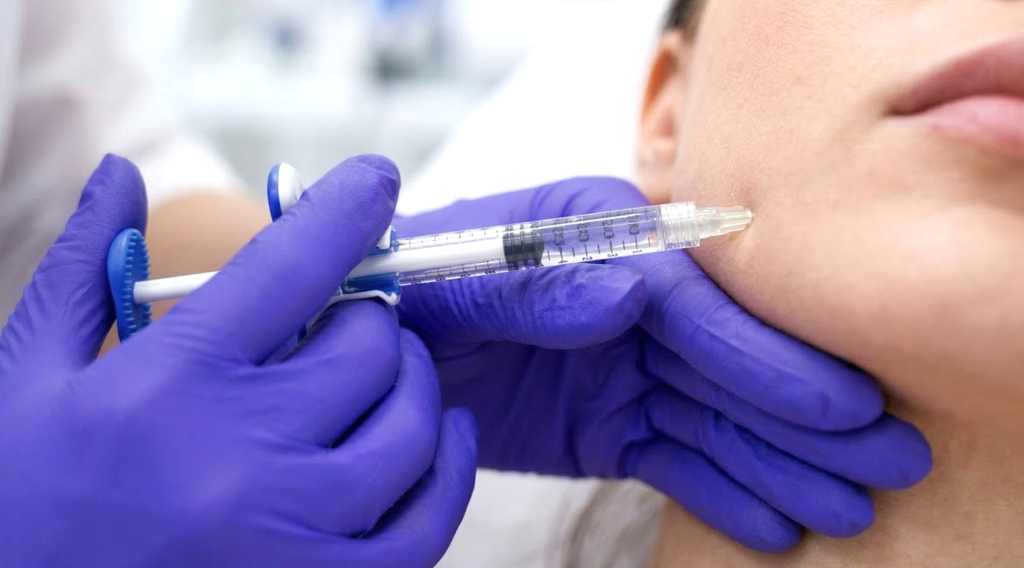
FUE is currently the most popular option among international visitors. Individual hair follicles are extracted from the donor area and transplanted to thinning or bald areas.
Advantages include:
- Minimal scarring
- Faster recovery
- Less postoperative discomfort
- Suitable for short hairstyles
DHI (Direct Hair Implantation)
DHI is a variation of FUE that uses specialized implantation tools to place grafts directly into the scalp.
Many clinics promote DHI for its precision and ability to control angle, depth, and direction of implantation.
FUT (Strip Method)
Although less common than before, FUT still has advantages for certain patients who require a large number of grafts.
The procedure involves removing a strip of scalp from the donor area and harvesting follicles from that tissue.
Your surgeon can help determine which technique best suits your hair loss pattern, donor supply, and long-term goals.
How Much Does a Hair Transplant Cost in Korea?
Costs vary depending on graft count, surgeon experience, clinic reputation, and surgical technique.
| Procedure | Estimated Cost (KRW) | Estimated Cost (USD) |
|---|---|---|
| FUT | 4.8M – 6.8M KRW | $3,500 – $5,000 |
| FUE | 8.2M – 11M KRW | $6,000 – $8,000 |
Korea is generally more expensive than budget-focused destinations such as Turkey or India. However, it is often significantly less expensive than the United States, United Kingdom, Canada, or Australia while maintaining very high medical standards.
When comparing prices, always consider what is included. Some clinics include medications, follow-up visits, interpretation services, airport assistance, and aftercare products, while others charge separately.
Before You Travel to Korea
Many clinics that regularly serve international patients have established systems for airport assistance, accommodation recommendations, interpretation services, and remote follow-up after patients return home. This level of support can make the process significantly easier compared with arranging treatment independently in an unfamiliar country.
If you expect language barriers during consultations or surgery, this guide explains the advantages and limitations of professional medical interpreters: Translating for Surgery in Korea: Costs, Risks, and Tips.
If you are traveling alone, choosing suitable recovery accommodation can make the first week significantly more comfortable. See: How to Choose the Best Recovery Housing.
Start With an Online Consultation
Most Korean clinics offer remote consultations. Patients typically submit photographs of the scalp from multiple angles before receiving an assessment.
Good quality photos help surgeons estimate:
- Donor availability
- Required graft count
- Potential outcomes
- Recommended techniques
Share Your Medical History
Always disclose:
- Current medications
- Allergies
- Previous surgeries
- Scalp conditions
- Smoking habits
- Chronic illnesses
Plan Enough Recovery Time
One of the most common mistakes visitors make is scheduling flights too close to surgery.
Whenever possible, allow at least 7–10 days in Korea. This provides time for postoperative monitoring and gives swelling and redness a chance to improve before traveling home.
💡 Pro Tip: If you have significant gray or white hair, some clinics recommend dyeing it darker one or two days before surgery. This can help the surgical team identify follicles more clearly during extraction.
How to Choose a Safe and Reputable Clinic
Choosing the right clinic matters far more than finding the lowest price.
International patients should prioritize:
- Board-certified specialists
- Transparent consultation processes
- Real patient case studies
- English-language support
- Clear postoperative protocols
- Registered medical institutions authorized to treat foreign patients
Before committing, review the clinic’s experience with international visitors and confirm who will actually perform the procedure.
To help verify facilities that are registered to receive international patients, see our guide:
Find Registered Korean Clinics
What Happens on Surgery Day?
Hair transplant procedures usually take several hours, depending on the number of grafts involved.
A typical schedule includes:
- Hairline design consultation
- Photography and documentation
- Local anesthesia
- Graft extraction
- Lunch or rest break
- Graft implantation
- Postoperative instructions
Most patients remain awake during the procedure and can often listen to music, watch videos, or rest during parts of the surgery.
Recovery and Aftercare
Recovery plays a major role in the final outcome.
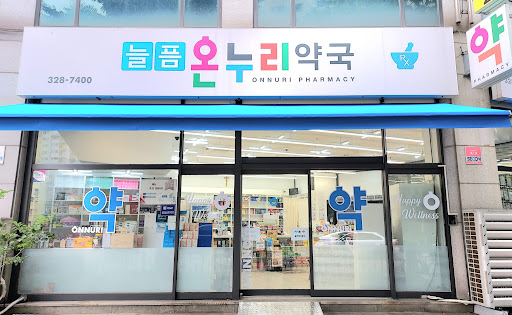
If you need additional medications or over-the-counter products during recovery, understanding Korean pharmacies can be extremely helpful.
Korean Pharmacy Guide for Prescriptions and OTC Medications
Before flying home, review our detailed guide: Returning Home After Medical Treatment in Korea.
The First Three Days
- Use prescribed sprays and medications exactly as directed.
- Sleep with your head elevated.
- Avoid touching the grafts.
- Expect mild swelling and redness.
Washing Your Hair
Follow clinic instructions carefully.
Most clinics recommend using foam shampoo and gently patting the scalp instead of rubbing. Direct water pressure should generally be avoided during the early healing period.
Activities to Avoid
- Smoking
- Alcohol consumption
- Heavy exercise
- Swimming
- Saunas
- Direct sun exposure
Many clinics recommend avoiding smoking and alcohol for several months because both can negatively affect blood flow and healing.
Understanding Hair Shedding
Many first-time patients become concerned when transplanted hairs begin falling out several weeks after surgery.
This is often a normal part of the process known as “shock loss.” New growth typically begins months later, and final results can take 12 months or longer to fully develop.
Korea vs Other Popular Hair Transplant Destinations
| Factor | South Korea | Turkey | US/UK/Australia |
|---|---|---|---|
| Cost | Moderate | Low | High |
| Natural Hairline Design | Excellent | Good | Excellent |
| Technology | Excellent | Very Good | Excellent |
| Medical Tourism Infrastructure | Excellent | Very Good | Limited |
| English Support | Common | Common | Native English |
Many patients choose Korea because it combines advanced medical technology, strong safety standards, aesthetic expertise, and a highly developed healthcare system.
Common Mistakes International Patients Make
- Choosing a clinic based only on price
- Not researching surgeon credentials
- Flying home too quickly after surgery
- Ignoring postoperative instructions
- Smoking during recovery
- Expecting immediate results
- Failing to plan for long-term hair loss management
Remember that a hair transplant improves hair density, but it does not stop future hair loss. Discuss long-term treatment plans with your physician during consultation.
FAQ
How long should I stay in Korea after a hair transplant?
Most international patients benefit from staying 7–10 days, though exact recommendations vary depending on the procedure and surgeon.
Will I need a translator?
Many clinics serving international patients provide English-speaking coordinators. For additional support, especially if combining procedures or visiting multiple hospitals, professional medical interpretation may be helpful.
Read: Translating for Surgery in Korea: Costs, Risks, and Tips
Should I purchase medical tourism insurance?
Many travelers overlook insurance, but it can provide additional protection and peace of mind when traveling abroad for medical care.
Read: Guide to Korea Medical Tourism Insurance
Where should I stay during recovery?
Comfortable accommodation near your clinic can make recovery significantly easier.
Read: How to Choose the Best Recovery Housing
What about medications after surgery?
If you need prescriptions or over-the-counter products during your stay, understanding how Korean pharmacies operate can save time and confusion.
Read: Korean Pharmacy Guide for Prescriptions and OTC Medications
What should I prepare before flying home?
Planning your return journey is an important part of the recovery process.
Read: Returning Home After Medical Treatment in Korea
Final Thoughts
A hair transplant in South Korea can be an excellent option for international patients seeking natural-looking results, experienced surgeons, and high-quality medical care. The key is to approach the process carefully: research clinics thoroughly, allow adequate recovery time, communicate openly with your medical team, and maintain realistic expectations.
Most importantly, remember that every patient is different. Hair loss patterns, donor availability, recovery speed, and final outcomes can vary significantly. This article is intended for general informational purposes and should not replace personalized medical advice from a qualified healthcare professional.
For readers exploring Korean medical tourism more broadly, you may also find helpful:
- Top 5 Advanced Medical Treatments in South Korea for Travelers
- Find Registered Korean Clinics
- Guide to Korea Medical Tourism Insurance
Korean Culture portal KCulture.com

The KCulture Editorial Team is dedicated to providing deep insights and accurate information about the vibrant world of Korean culture.