Central Korea’s Heritage Trail: Temples, Fortresses & Silk Villages
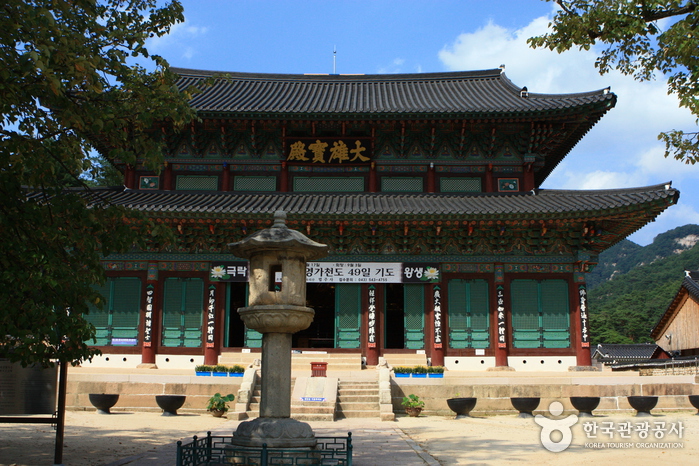
We begin where faith has taken root for millennia, at Chungbuk Beopjusa Temple, a sanctuary nestled deep within the embrace of nature. Here, the air itself seems to hum with ancient prayers, the massive golden Buddha gazing out with serene wisdom, and every rustling leaf a testament to a peace that transcends generations. It’s a place where the veil between the past and present thins, offering solace and a profound connection to a spiritual lineage.
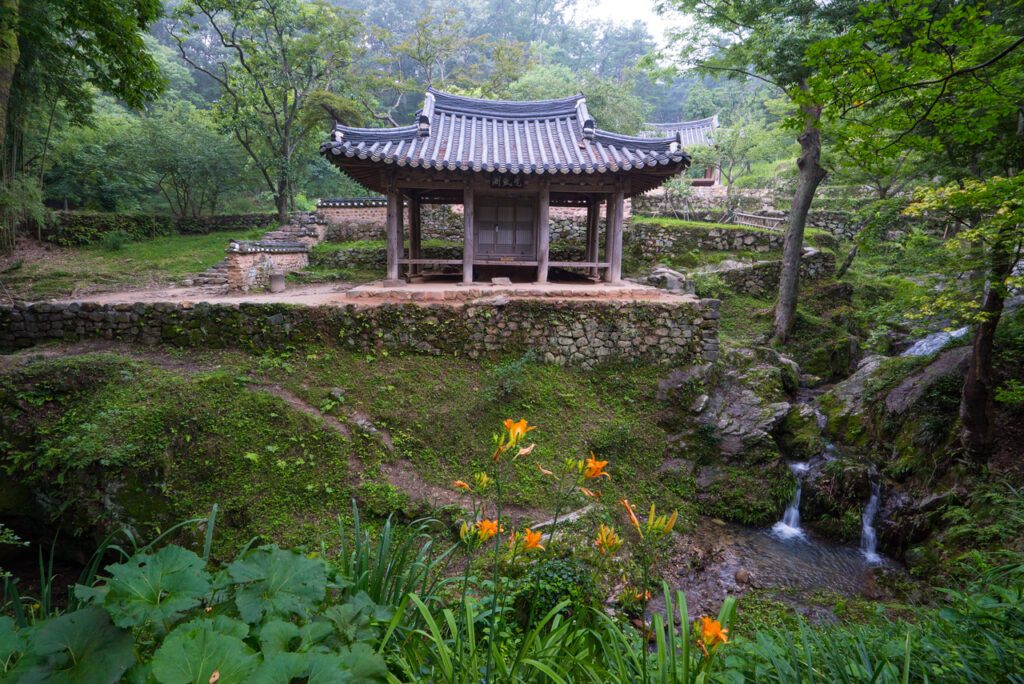
From the sacred, we turn to the human, to the lives that shaped this land. We imagine the elegance and influence within the walls of Boeun Seon Byeong-guk House, a window into the refined world of a prominent past, where decisions were made and traditions upheld. And amidst this journey of discovery, a moment of respite, a taste of authentic warmth at Gangseo-myeonok, grounding us in the present, fortifying us for the path ahead.
Then, the land rises, and with it, the formidable presence of the Three-Year Fortress, a silent sentinel that has watched over this land for over a thousand years. Its colossal stones speak of unwavering courage, of battles fought, and the indomitable will of a people determined to protect their legacy. Walking its ancient ramparts, one can almost hear the echoes of footsteps long gone, feel the grit of history beneath our own.
Finally, our path leads us to the vibrant threads of continuity at Yeongdong Silk River Forest Village. Here, artistry and tradition intertwine, transforming simple cocoons into shimmering narratives. It’s a living testament to human ingenuity and dedication, a place where the past isn’t just remembered, but actively created anew, weaving the fabric of tomorrow from the wisdom of yesterday.
This is more than a trail; it is an emotional odyssey, an invitation to touch the timeless heart of Korea. Prepare to be moved, to be inspired, to find pieces of your own story reflected in the profound beauty and enduring spirit of this land. Let the journey unfold.
Travel Tips: Central Korea’s Heritage Trail
- Wear comfortable walking shoes suitable for exploring temple grounds, ancient fortresses, and village paths, as there will be significant walking involved.
- Carry water and snacks, especially when visiting sites like Three-Year Fortress, where amenities might be limited. Pack a light jacket as temperatures can vary between sites and depending on the season.
- Respect local customs at temples and traditional houses; dress modestly, cover shoulders and knees, and be mindful of quiet zones.
🛑 Course Itinerary
- Chungbuk Beopjusa Temple
Founded in 553 AD by Monk Uisin, Beopjusa Temple in Songnisan grew to become a magnificent complex with over 60 buildings and 70 hermitages by the mid-Joseon period. Though nearly all structures were lost during the Imjin War, the temple was meticulously rebuilt starting in 1624 AD by Monk Byeogam. - Boeun Seon Byeong-guk House
Built between 1919 and 1921, this house represents a pivotal period in architecture, deviating from traditional methods toward larger bays and increased building height. This 99-bay tiled-roof house is centrally situated on an island formed by a delta in Samgacheon Stream, which flows from Songnisan Mountain, and is enveloped by a forest of grand pine trees. - Lunch (Gangseo-myeonok)
Gangseo-myeonok is a Pyeongyang Naengmyeon restaurant that opened in 1979, boasting over two decades of history. Its distinctive broth, made from clear brisket water and seasoned with dongchimi, offers a cool, clean, and subtly plain taste, perfectly complemented by savory noodles, preserving the authentic, traditional Pyeongyang Naengmyeon flavor. - Three-Year Fortress
Located in Boeun-eup, Chungcheongbuk-do, the Three-Year Fortress is an impregnable Silla Dynasty mountain fortress, boasting meticulously crafted hexagonal stone walls that measure 1.7km in circumference and stand 13-20m high. This formidable stronghold, possibly named for its three-year construction or the ancient regional name, served as a crucial military outpost for Silla forces and witnessed significant historical events involving kings like Taejong Muyeol and Wang Geon. - Yeongdong Silk River Forest Village
Yeongdong Silk River Forest Village is a pure farming community historically significant as the border between Silla and Baekje, and home to Yeongguksa Temple where King Gongmin sought refuge during the Goryeo Dynasty. Originally part of Yangsan-hyeon, it was incorporated into Yeongdong-gun in 1906 and renamed Suduri in 1914, a name meaning head of the forest derived from its location at the top of Yangsan Forest.
🗺️ Route Map
CentralKoreaTrail
KoreaHeritage
TemplesFortresses
SilkVillageJourney
ExploreKorea
KoreanHistory
CultureTrail
TravelCentralKorea
AncientKorea
HeritageDiscovery

The KCulture Editorial Team is dedicated to providing deep insights and accurate information about the vibrant world of Korean culture.