From Bald Mountains to Emerald Peaks: The Hidden Eco-Miracle of South Korea
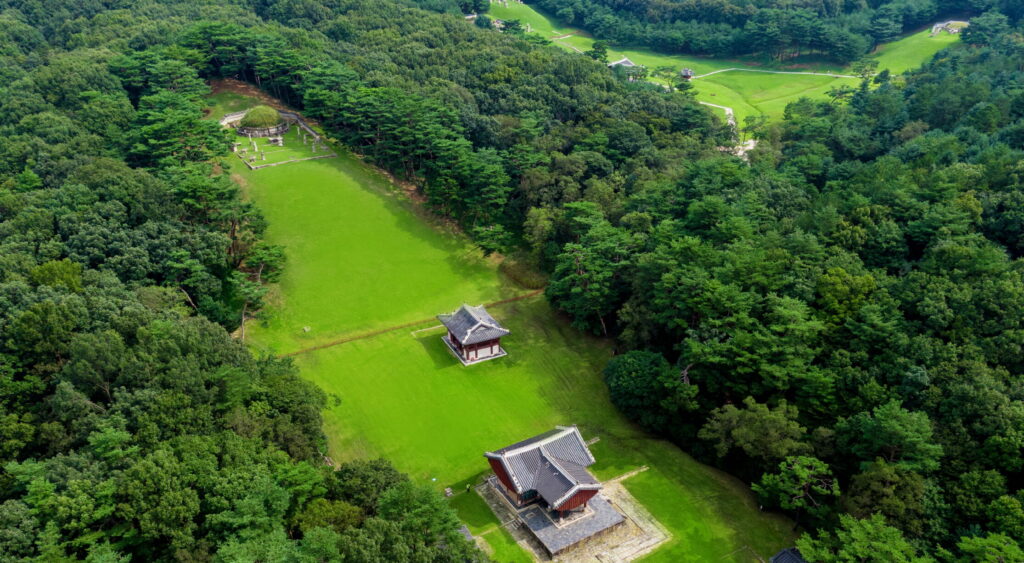
Today, many travelers associate South Korea with lush mountain trails, dense forests, and scenic peaks such as Bukhansan, Gwanaksan, and Geumjeongsan. What most visitors do not realize is that just seventy years ago, much of the country was covered with barren, treeless hills. South Korea’s forest restoration program is now regarded as one of the most successful national reforestation projects in modern history, transforming a landscape once considered beyond recovery into the green mountains that millions enjoy today.
For travelers interested in Korean history and culture, this story offers something surprising: behind the famous “Miracle on the Han River” lies another miracle—one written not in factories and cities, but on mountain slopes. Understanding how Korea restored its forests reveals a fascinating chapter of resilience, community effort, and long-term vision that still shapes the country today.
In fact, some international observers and UN-affiliated experts in the post-war era believed Korea’s forests would be nearly impossible to restore without extraordinary intervention.
- Why Korea’s Mountains Became Bald
- When the Forests Seemed Beyond Saving
- Early Failures and a Hard Lesson
- The Turning Point: The Ten-Year Reforestation Plan
- Why Reforestation Is So Difficult Anywhere
- The Secret Behind Korea’s Success
- Walking Through the Results Today
- Places That Tell the Story of Reforestation
- Clues Hidden in Plain Sight
- What the World Can Learn
- From Planting Trees to Managing Forests
- Related Reading on KCulture
Why Korea’s Mountains Became Bald
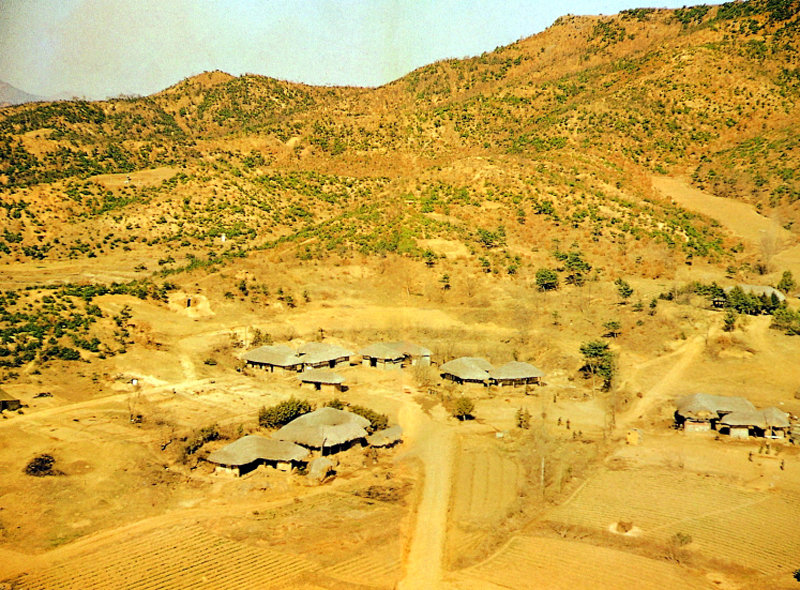
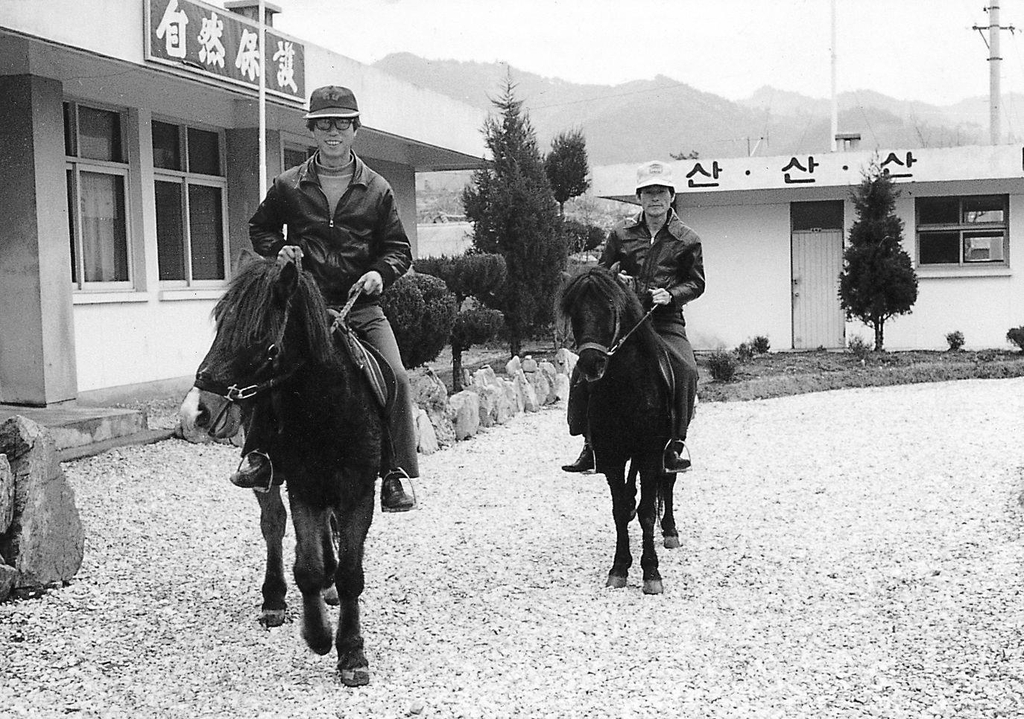
Older Koreans sometimes remember the mountains of the 1950s and 1960s as “red mountains.” With trees gone and topsoil exposed, entire hillsides appeared reddish-brown from a distance.
If someone had visited Korea in the 1950s, they would have seen a landscape almost unrecognizable today.
Generations of heavy logging during the Japanese colonial period, followed by the devastation of the Korean War, left forests severely damaged. Yet war was only part of the story. Most Korean households relied on firewood for cooking and heating. During harsh winters, families cut down trees, gathered branches, dug up roots, and even removed grasses from mountain slopes for fuel.
The result was a country of what Koreans called mindungsan—”bald mountains.”
More than half of Korea’s forests were either severely degraded or completely bare. During summer rains, mountainsides collapsed into villages and rivers. Floods became common. In spring, droughts followed because the mountains could no longer retain water.
📌 Historical Perspective: Many international experts believed that restoring Korea’s forests would take generations, if it could be accomplished at all.
When the Forests Seemed Beyond Saving
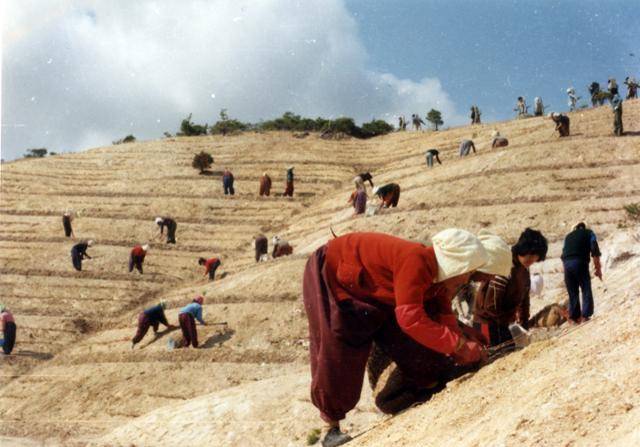
The environmental crisis affected daily life in ways that are difficult to imagine today.
Without healthy forests, topsoil washed away during every rainy season. Rivers filled with sediment. Agricultural productivity suffered. Villages experienced recurring flood damage, while water shortages became increasingly severe during dry periods.
The problem was not merely environmental. It was economic, social, and national.
| Challenge | Impact |
|---|---|
| Deforestation | Loss of fuel sources and forest resources |
| Soil erosion | Reduced agricultural productivity |
| Flooding | Damage to homes, roads, and farmland |
| Droughts | Water shortages and crop failures |
| Landslides | Threats to villages and infrastructure |
Early Failures and a Hard Lesson
The first attempts at reforestation were not particularly successful.
The government organized tree-planting campaigns and encouraged citizens to participate. Schoolchildren planted saplings. Local communities joined annual Arbor Day events.
Yet a frustrating pattern emerged.
Trees planted in spring often disappeared by winter. Families struggling to stay warm simply cut them down for fuel. New forests could not survive because the underlying problem remained unsolved.
This lesson proved crucial. Korea discovered that reforestation was not simply about planting trees. It required changing the conditions that caused deforestation in the first place.
The Turning Point: The Ten-Year Reforestation Plan
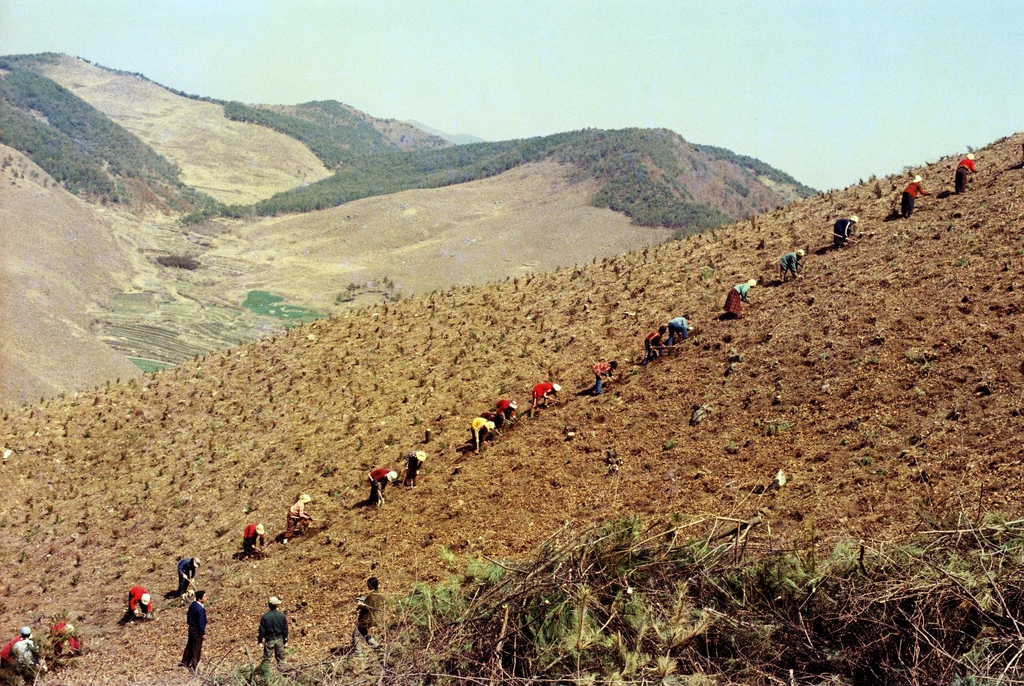
Everything changed in 1973 with the launch of the First Ten-Year National Forest Rehabilitation Plan.
Rather than treating reforestation as an environmental campaign, Korea approached it as a comprehensive national project.
The Energy Revolution
One of the unexpected heroes of Korea’s forest recovery was the humble coal briquette, known as yeontan (연탄).
As coal briquettes became widely available, rural households no longer depended entirely on firewood. For the first time, newly planted trees had a chance to survive winter.
Community Participation
The government linked forest restoration with the Saemaul Undong (새마을운동), or New Village Movement.
Villages were encouraged to take ownership of nearby mountains. Communities that successfully restored forests received incentives and recognition. Instead of seeing forests as a resource to consume, residents began viewing them as assets worth protecting.
The Right Trees for the Right Places
Foresters also adopted a practical strategy. Fast-growing species such as black locust and pitch pine were planted on degraded slopes because they could survive poor soil conditions and help stabilize the land.
These pioneer species gradually improved soil quality, making it possible for more diverse forests to develop later.
💡 Local Note: Many hiking trails in Korea still pass through forests dominated by black locust and pitch pine. These trees are living reminders of the country’s reforestation era.
Why Reforestation Is So Difficult Anywhere
Korea’s success becomes even more impressive when viewed in a global context.
Planting trees sounds simple. In reality, reforestation projects often fail because forests are tied to economic realities.
If local communities depend on forests for fuel, food, grazing land, or income, newly planted trees may never reach maturity. Political changes can interrupt long-term projects. Funding may disappear. Land ownership disputes can delay progress.
Most importantly, forests grow slowly. Governments often operate on election cycles measured in years, while forests require decades.
This is why successful national-scale reforestation projects remain relatively rare around the world.
The Secret Behind Korea’s Success
Historians and environmental experts often point to three factors.
- Strong national commitment sustained over decades
- Alternative energy sources that reduced dependence on firewood
- Active participation by local communities
None of these factors alone would have been enough.
Together, however, they created a system capable of protecting forests long enough for recovery to take place.
The story demonstrates a valuable lesson: environmental restoration succeeds when ecological goals and human needs are addressed at the same time.
Walking Through the Results Today
One of the most fascinating aspects of this story is that visitors can literally walk through the results.
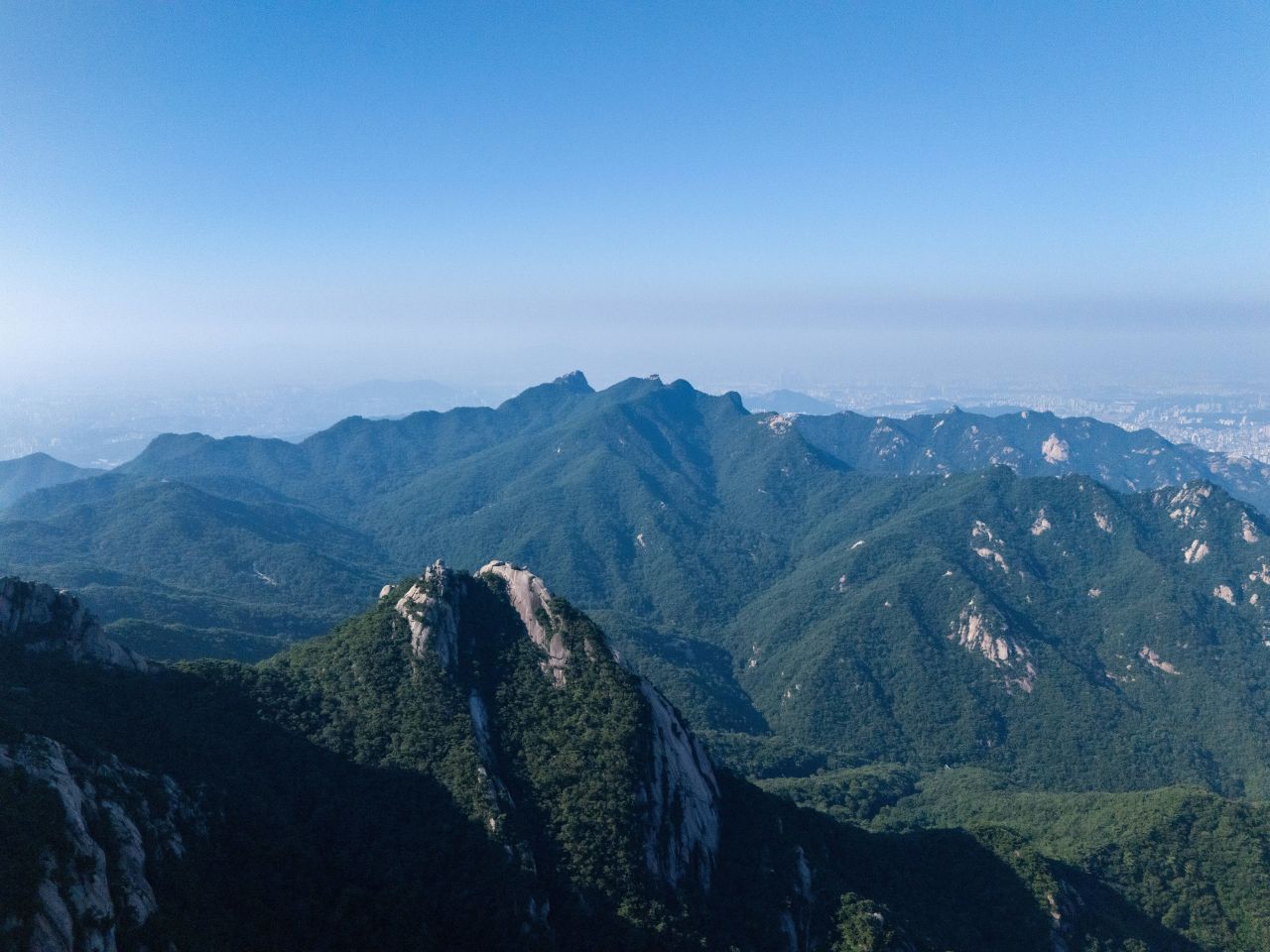
When travelers hike Bukhansan (북한산) overlooking Seoul, climb Gwanaksan (관악산), or explore Geumjeongsan (금정산) above Busan, they are experiencing landscapes that would have looked dramatically different just a few generations ago.
Many foreign visitors describe Korea as one of the greenest countries they have ever visited. The forested ridges surrounding major cities feel timeless.
Yet much of this scenery is the product of one of the world’s most ambitious restoration efforts.
Understanding this history transforms an ordinary hike into something deeper. Every forested slope becomes evidence of a national recovery story.
For many visitors, Korea’s mountains feel ancient and untouched. The surprising reality is that much of what appears timeless today was rebuilt within living memory. Some Koreans who planted saplings as schoolchildren during Arbor Day are still alive today and can point to forests they helped create.
Places That Tell the Story of Reforestation
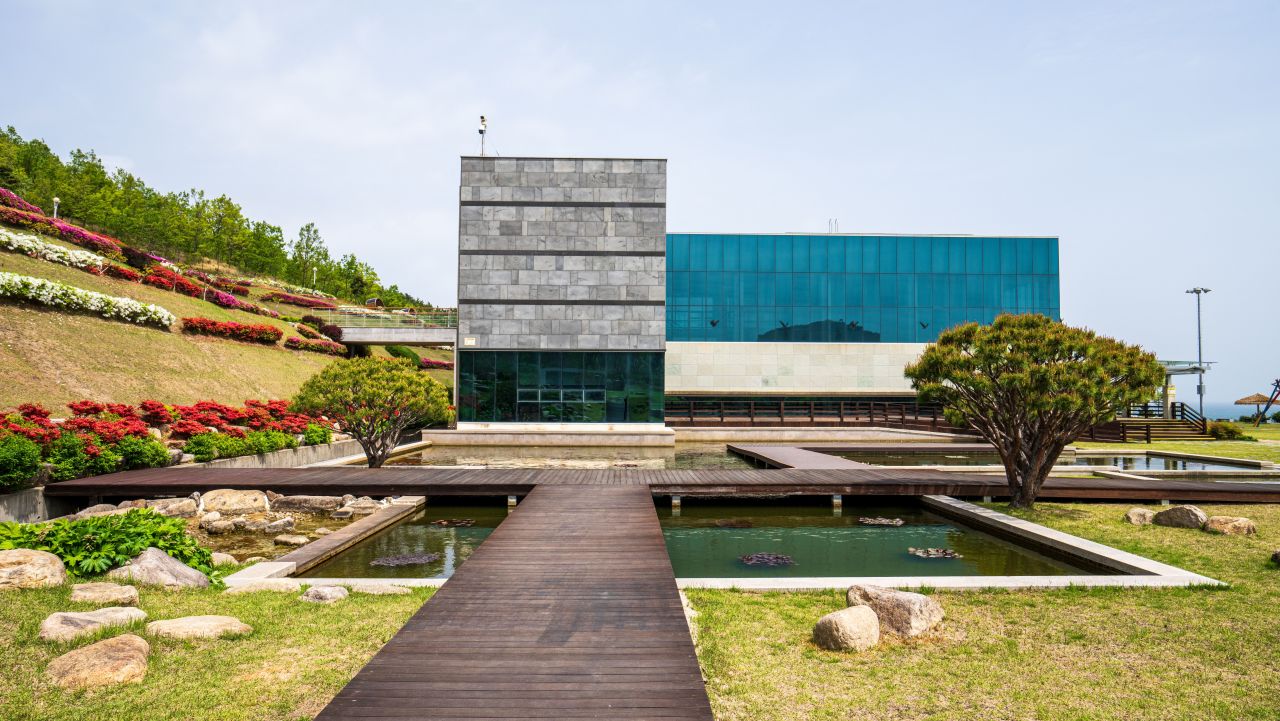
Yeongil Erosion Control Memorial Park (영일지구 사방기념공원)
Located near Pohang, this site preserves the history of erosion-control projects that transformed severely degraded hillsides into stable forests. Historic photographs reveal just how barren the landscape once was.
Visitors may also recognize the area from the popular K-drama Hometown Cha-Cha-Cha, which was filmed in and around nearby coastal locations. The drama’s success introduced the region to international audiences, and many travelers now combine visits to the memorial park with trips to the seaside villages and filming locations that helped make Pohang a favorite destination among K-drama fans.
Jangseong Chukryeongsan Cypress Forest (장성 축령산 편백숲)
This forest tells the remarkable story of Im Jong-guk, who spent decades planting trees on neglected land. Today, it is considered one of Korea’s most beautiful cypress forests and a popular destination for forest therapy.
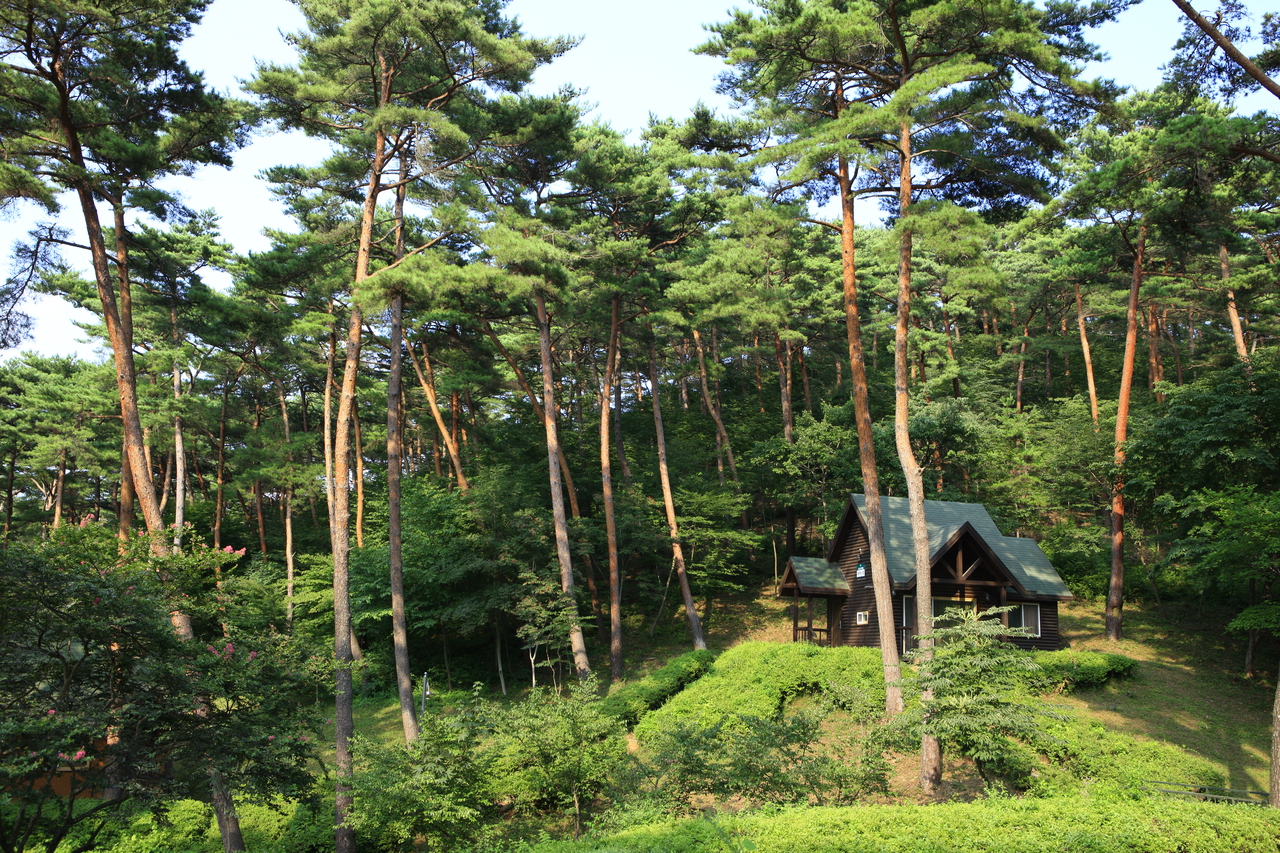
Anmyeondo Recreational Forest (안면도 자연휴양림)
Known for its pine forests, this area demonstrates how modern forest management helped restore and preserve valuable woodland ecosystems.
For international travelers, Anmyeondo is also one of the easiest places to experience Korea’s modern forest recreation system. The forest is managed by the Korea Forest Service, and accommodation, forest cabins, and visitor facilities can be reserved through the national Soopnaduel-e (숲나들e) reservation platform. Foreign visitors can create an account and make reservations in advance, making it a practical destination for those who want to spend a night surrounded by Korea’s restored forests.
Clues Hidden in Plain Sight
The Name “Mindungsan”
Several mountains in Korea still carry names that literally mean “bald mountain.” These names survive as linguistic reminders of a landscape that once lacked trees.
Acacia and Pitch Pine Trees
If you notice large numbers of these species during hikes, you may be looking at forests connected to the rehabilitation era.
Arbor Day Memories
Many Koreans over the age of thirty remember participating in Arbor Day tree-planting events during childhood. Although the holiday is no longer a public holiday, its influence remains deeply embedded in public awareness.
What makes Korea’s reforestation story particularly remarkable is how recent it is. Many Koreans who participated in school planting campaigns during the 1970s and 1980s are still alive today. In some cases, they can revisit mountains where they planted young trees and now walk beneath mature forests.
What the World Can Learn
Korea’s forest restoration story is not merely a Korean success story.
It offers a practical lesson for countries facing deforestation, climate challenges, and environmental degradation.
The most important insight may be surprisingly simple: people cannot be expected to protect forests if doing so threatens their survival.
Successful environmental policy must work alongside energy policy, economic development, and community participation.
In that sense, Korea’s forests were restored not only by planting trees but by solving the human problems behind deforestation.
While many of South Korea’s mountains are densely forested today, large-scale deforestation remains a challenge in parts of North Korea. For researchers, this contrast highlights how policy, energy systems, and long-term governance can dramatically shape the same natural environment.
From Planting Trees to Managing Forests
Today, Korea’s challenge is different.
The focus has shifted from creating forests to maintaining them.
Modern forest management includes wildfire monitoring systems, thermal imaging cameras, drones, predictive fire-spread modeling, and climate adaptation research. Forest thinning and ecosystem management have become increasingly important as forests mature.
In other words, the work is not finished. The mission has simply evolved.
The green mountains admired by travelers today are not monuments frozen in time. They are living landscapes that require constant care.
And perhaps that is the most remarkable part of the story. The forests that once symbolized national hardship now symbolize stewardship, resilience, and long-term thinking.
Seen through this lens, Korea’s forests are not merely natural landscapes. They are historical landscapes—living records of sacrifice, cooperation, and long-term commitment.
Related Reading on KCulture
- Hiking in Korea: The Complete Guide for Foreign Travelers
- Hallasan Hiking: Essential Reservations, Route Comparison & Rules
- The Korean Hiking Playbook: Peaks, Picnics and Post-Hike Makgeolli
- Foreign Heroes of Korea’s Independence Movement
- The Uigwe: A Window into King Jeongjo’s 8-Day Royal Journey
- History of the 1987 June Democratic Struggle in Korea
Korean Culture portal KCulture.com

Founder of Kculture.com and MA in Political Science. He shares deep academic and local insights to provide an authentic perspective on Korean history and society.