The Next Generation of K-Beauty: 5 Rising Indie Brands Reshaping the Global Market
K-Beauty’s global reputation was built by giants such as Amorepacific and LG Household & Health Care, but some of the most influential beauty products of recent years have come from a very different group of companies. A new generation of emerging Korean brands has created worldwide bestsellers through a combination of clever product development, social-media-driven communication, and Korea’s highly advanced manufacturing ecosystem.
Rather than relying on celebrity endorsements or decades of brand heritage, these companies became famous because consumers could immediately see, feel, and share the results. From the sunscreen that changed how Western consumers think about SPF to the overnight collagen mask that dominated TikTok feeds, these brands bypass traditional marketing costs to deliver high-efficacy products that solve specific skin concerns. This article explores five of the most important rising K-beauty companies, the products that made them famous, and the strategies that helped them succeed in one of the world’s most competitive beauty markets.
- Why These Brands Matter in Modern K-Beauty
- Beauty of Joseon: Reinventing Hanbang for Global Consumers
- Anua: The Brand That Made Heartleaf a Global Ingredient
- Biodance: The Overnight Mask Phenomenon
- numbuzin: Turning Skincare Into a Number System
- VT Cosmetics: The Reedle Shot Revolution
- The Real Secret Behind Their Success
- What These Brands Tell Us About the Future of K-Beauty
Why These Brands Matter in Modern K-Beauty
Many international consumers still imagine Korean beauty as a world dominated by large corporations, luxury department-store brands, and elaborate multi-step skincare routines. While those companies remain highly influential, the past five years have revealed another side of the industry.
Today’s fastest-growing Korean beauty brands are lean, agile startups that focus on a single hero product or a specific skincare problem. Instead of spending enormous capital on building factories, they operate on a fundamentally different business model. By partnering with world-class Korean ODM (Original Design Manufacturer) and OEM manufacturers like Kolmar Korea and Cosmax, they redirect their resources into innovative product planning, digital marketing, and direct consumer engagement.
📌 Local Note: One of the least understood strengths of Korean cosmetics is that many brands do not manufacture products themselves. Korea’s beauty ecosystem allows small companies to access the same advanced research, formulation expertise, and production capabilities used by much larger global conglomerates.
| Brand Name | Hero Product | Main Differentiator |
|---|---|---|
| Beauty of Joseon | Relief Sun : Rice + Probiotics | Elegant, white-cast-free sunscreen texture |
| Anua | Heartleaf 77% Soothing Toner | Ingredient-focused minimalism |
| Biodance | Bio-Collagen Real Deep Mask | Overnight hydrogel visual technology |
| numbuzin | No.3 Serum / No.5 Pad | Intuitive number-based skincare system |
| VT Cosmetics | Reedle Shot (100/300/700) | Microneedle-inspired absorption technology |
Beauty of Joseon: Reinventing Hanbang for Global Consumers
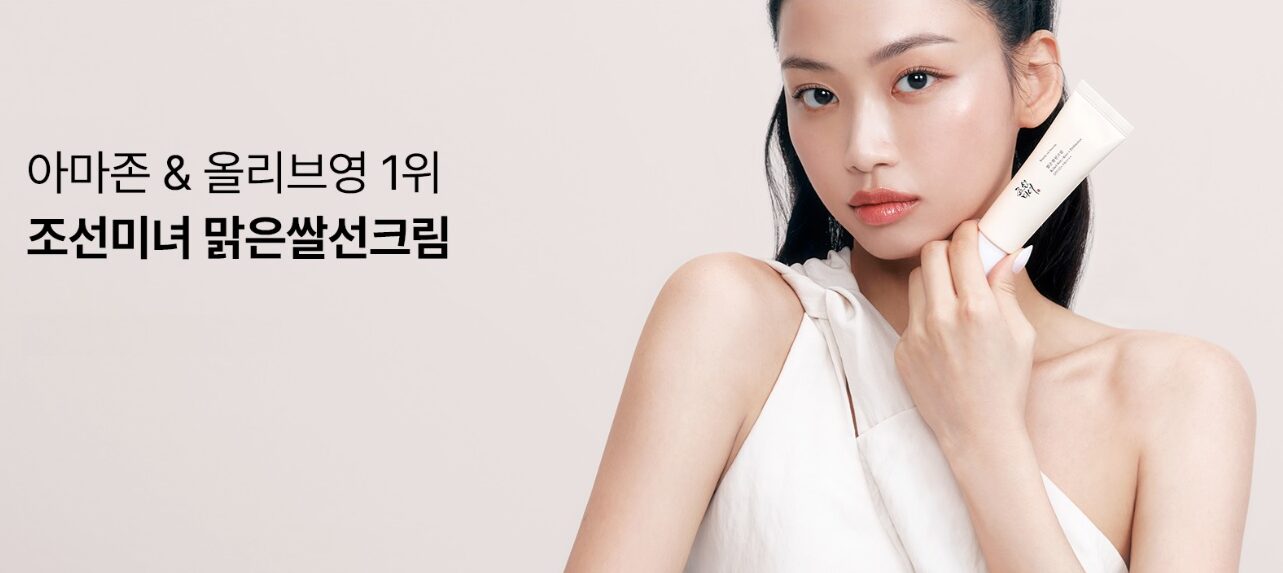
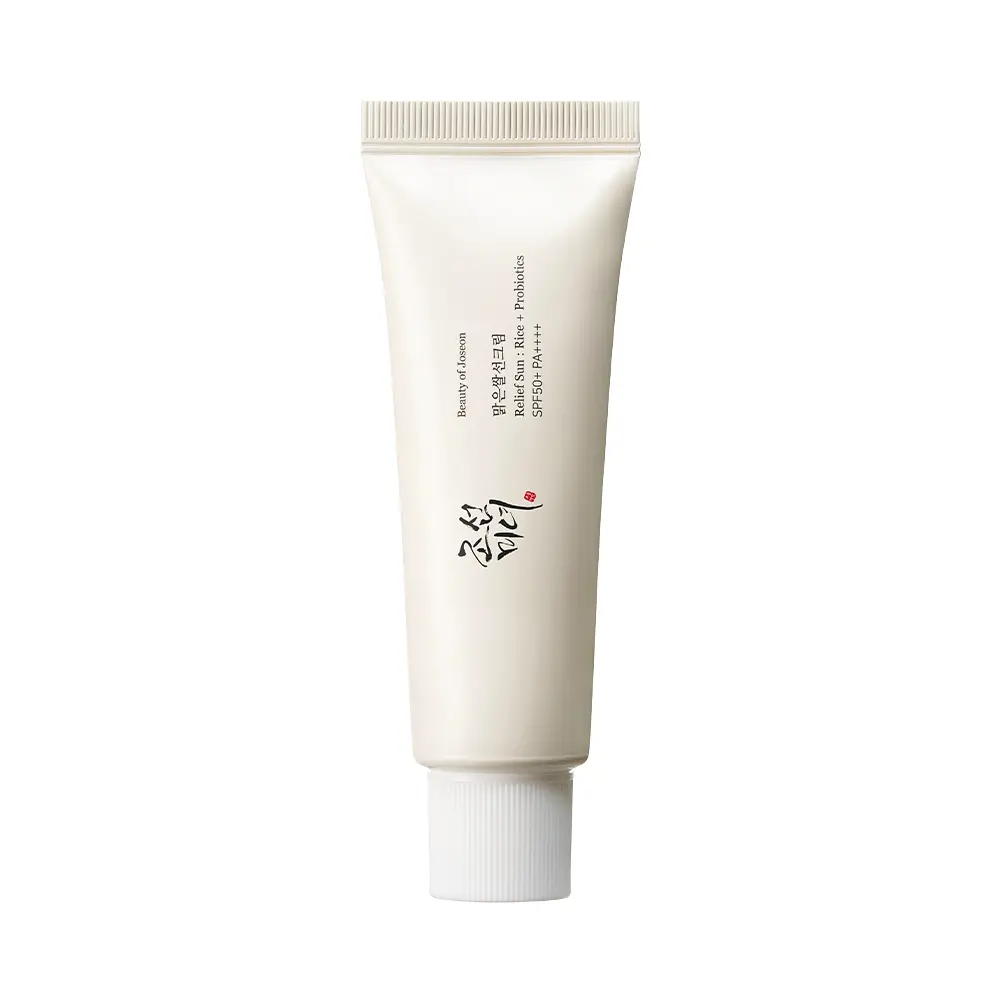
If one product symbolizes the current era of K-beauty, it may be Beauty of Joseon’s (조선미녀) Relief Sun : Rice + Probiotics. Although the brand launched in 2015, its global breakthrough came after a strategic acquisition and relaunch by Goodai Global in 2020 that focused heavily on overseas markets.
The Product That Changed Global Sunscreen Expectations
Instead of presenting traditional Korean herbal skincare—known as Hanbang (한방)—as something old-fashioned, Beauty of Joseon positioned it as a modern interpretation of historical beauty wisdom. The Relief Sun sunscreen became a viral sensation because it solved a problem many Western consumers had accepted for years: unpleasant sunscreen texture. Rather than feeling greasy, heavy, or leaving a white cast, it behaved exactly like a lightweight moisturizer. This seemingly simple improvement generated enormous word-of-mouth momentum across TikTok, YouTube, and skincare communities.
Why Competitors Struggled to Replicate It
The brand’s success was not simply a marketing story. Beauty of Joseon benefited from Korea’s advanced sunscreen formulation expertise through its partnership with Kolmar Korea. By combining traditional ingredients like rice extracts with highly sophisticated, modern UV-filter technology, the brand created a formula that appealed equally to K-culture enthusiasts and consumers who simply wanted a better daily SPF.
Anua: The Brand That Made Heartleaf a Global Ingredient
Before Anua (아누아), many international consumers had never heard of heartleaf (Houttuynia cordata). Today, it is one of the most recognizable calming ingredients in K-beauty. Founded in 2019, Anua built its reputation around a surprisingly simple idea: focus on one key ingredient and communicate its benefits with absolute clarity.
The Power of Simplicity and The TikTok Effect
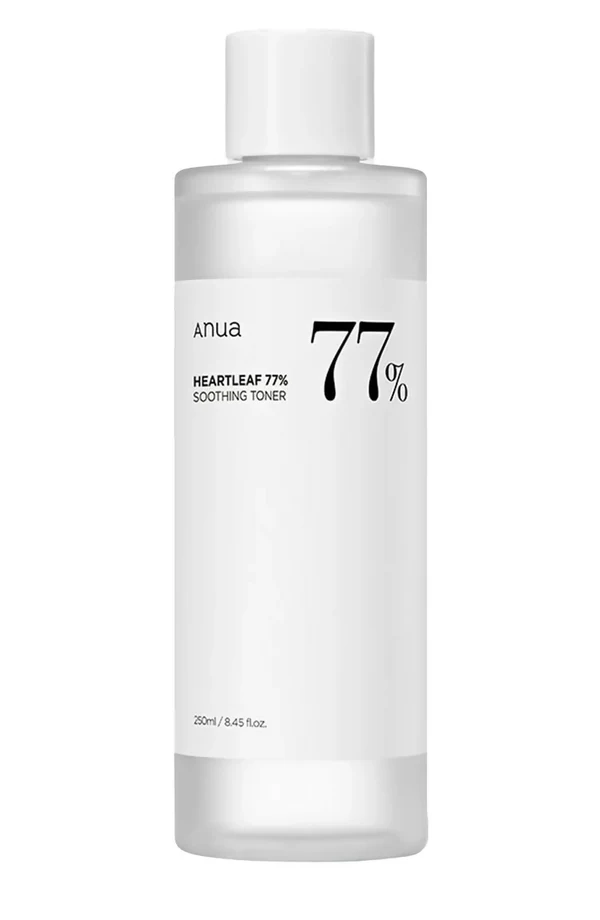
Its Heartleaf 77% Soothing Toner became a global bestseller by emphasizing a single message—calming irritated skin and controlling sebum. While many skincare brands compete by adding increasingly long lists of obscure extracts, Anua moved in the opposite direction. They identified the optimal concentration (77%) and backed it with transparent clinical trial results.
Anua’s rise also demonstrates how modern K-beauty brands communicate differently. Instead of glossy, high-budget advertising campaigns, Anua benefited from raw, user-generated before-and-after videos demonstrating visible acne reduction and blackhead removal (specifically with their pore-controlling cleansing oil). This transparent approach built immense trust with global Gen Z consumers.
Biodance: The Overnight Mask Phenomenon
Launched in 2021, Biodance (바이오댄스) represents one of the most remarkable growth stories in recent K-beauty history, rapidly becoming a major player in the global home-care category with a product that fundamentally altered the sheet mask market.
Why the Mask Turns Transparent
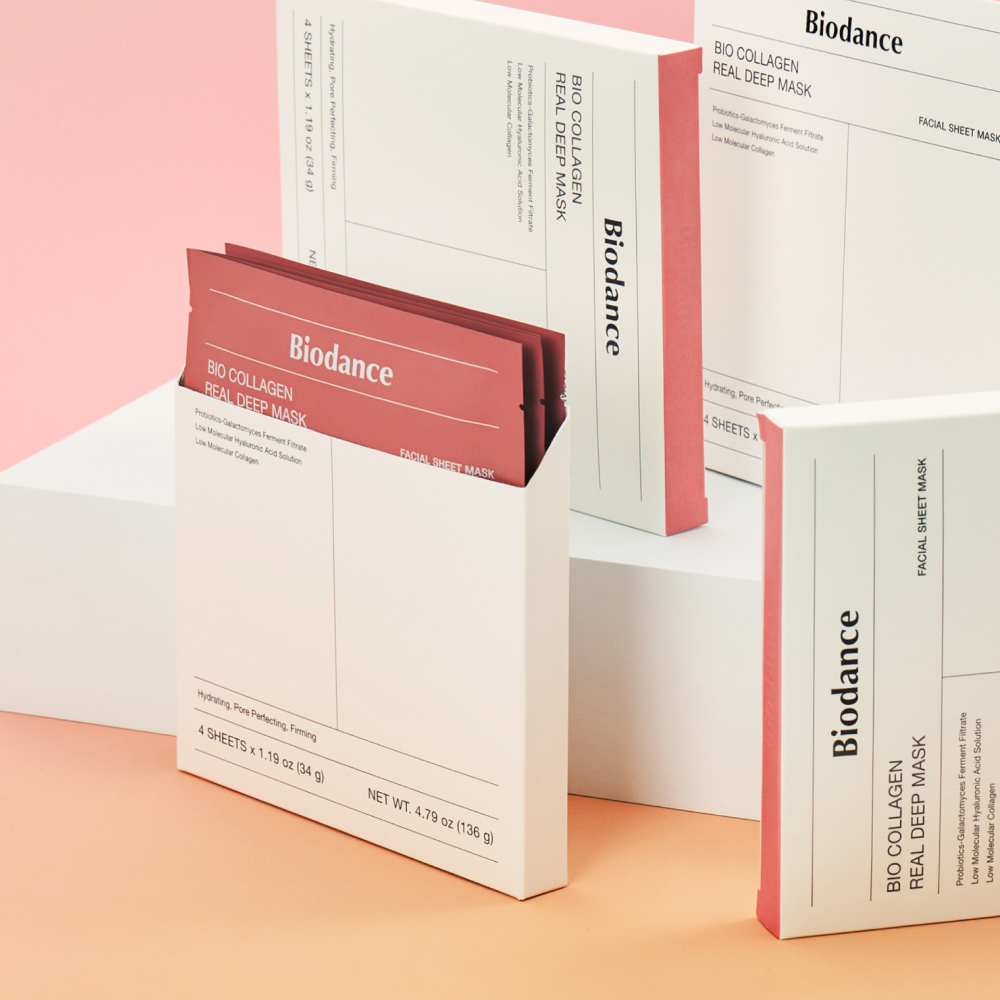
The Bio-Collagen Real Deep Mask utilizes advanced hydrogel technology. Unlike traditional paper or cotton masks that dry out and must be removed after 15 minutes, the Biodance mask is designed to be worn overnight. As the skin’s temperature gradually melts the highly concentrated active ingredients, the opaque white mask becomes increasingly transparent. Consumers could literally see the treatment process taking place and the essence absorbing into their skin.
That visual transformation became a powerful social media asset. People naturally wanted to document and share the experience of waking up with a clear, glass-like mask and deeply hydrated skin, bridging the gap between daily skincare and professional aesthetic treatments.
numbuzin: Turning Skincare Into a Number System
Navigating the skincare aisle can be overwhelming due to complex chemical names and scientific jargon. numbuzin (넘버즈인), launched in late 2019, solved this problem through a brilliant user experience (UX) innovation: they organized their entire product line around numbers.
A User Experience Innovation
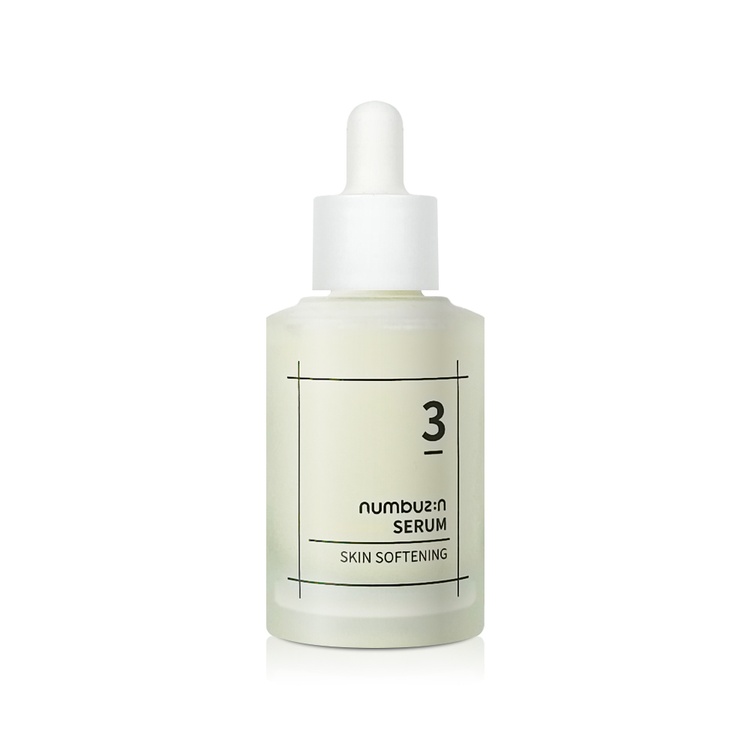
Rather than asking consumers to compare dozens of ingredient lists, numbuzin simplified the process. Shoppers could identify products directly based on their skin concerns. For example, “Number 3” products (like the No.3 Skin Softening Serum) focus on improving skin texture and enlarged pores using fermentation ingredients. “Number 5” products (like the No.5 Vitamin-Niacinamide Blemish Pad) target dark spots and pigmentation.
This transformed skincare selection into something far more intuitive. It resonated massively in Japan before spreading through Southeast Asia and North America. numbuzin recognized that modern consumers want clear guidance just as much as they want effective formulations.
VT Cosmetics: The Reedle Shot Revolution
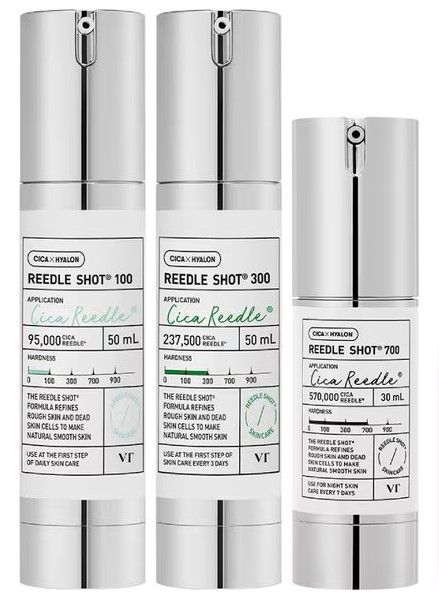
Among all the products reshaping the market, VT Cosmetics’ (브이티 코스메틱) Reedle Shot is perhaps the most disruptive. While the company had prior recognition through collaborations and Cica products, the Reedle Shot elevated them to a completely different level of global visibility.
The Product That Feels Different
Most skincare brands aim to create products that feel smooth and gentle. VT Cosmetics did something highly unusual: Reedle Shot intentionally creates a slight tingling, prickly sensation when applied. The formula features micro-sized natural mineral particles (Cica Reedle) that are finer than human pores. Rather than avoiding this sensation, the brand framed it as physical evidence that the product was working—essentially mimicking the effects of a professional microneedling (MTS) treatment at home to boost the absorption of subsequent skincare steps.
The Importance of Proprietary Technology
Unlike many emerging brands that rely purely on ODM formulations, VT invested heavily in proprietary technologies and intellectual property. Their patented absorption technology created a technological moat that competitors struggle to replicate. This makes the brand particularly interesting, combining the agility of an indie startup with the R&D differentiation typically reserved for massive conglomerates.
💡 Pro Tip: Reedle Shot became so popular that it frequently sold out at Olive Young and even generated massive queues at Daiso for its lower-priced variants. Its success mirrors the broader Korean trend of making advanced dermatological concepts accessible to the everyday consumer.
The Real Secret Behind Their Success
At first glance, these five companies seem very different—one focuses on modern heritage, another on minimalist botanicals, one on visual hydrogels, one on numbering systems, and another on micro-stimulation. Yet, they share several core traits that define the new era of K-Beauty:
- Solving Specific Problems: They do not try to be everything for everyone; they focus on solving one specific pain point exceptionally well.
- Clear Value Proposition: They communicate their benefits intuitively, avoiding overly complicated jargon.
- Visible Efficacy: They formulate products that generate visual, tangible, and immediate results.
- Leveraging the Ecosystem: They perfectly utilize Korea’s world-class ODM/OEM infrastructure to maintain high quality without the overhead of physical factories.
- Authentic Engagement: They treat social media as a transparent conversation and educational tool, not just a broadcasting platform.
What These Brands Tell Us About the Future of K-Beauty
The rise of these indie companies proves that the future of Korean cosmetics does not belong exclusively to legacy brands. Korea’s beauty industry has evolved into a highly dynamic ecosystem where a lean team with a compelling idea can access world-class manufacturing, launch globally through digital platforms, and compete with multinational corporations.
As global shoppers become increasingly sophisticated—reading ingredient lists, comparing clinical results, and sharing real-time reviews—companies that combine clear product benefits with authentic consumer communication will continue to shape the next chapter of K-beauty.
Related Reading
- 2026 K-Beauty Guide: The Top 5 Korean Cosmetic Companies
- Understanding Functional Cosmetics: The Science Behind K-Beauty
- 2026 Korean Cosmetics Shopping Guide: Top Trends & Tips
- The $3.5 Luxury Secret: Why Jung Saem Mool’s ‘ZOOM’ is Vanishing from Daiso Shelves
- The Rise of “Dupe” Culture: Why MZ Generations are Proudly Trading Luxury for Value
- Top 7 K-Beauty Gems Picked by British Vogue
Korean Culture portal KCulture.com

The KCulture Editorial Team is dedicated to providing deep insights and accurate information about the vibrant world of Korean culture.