Introduction & Synopsis
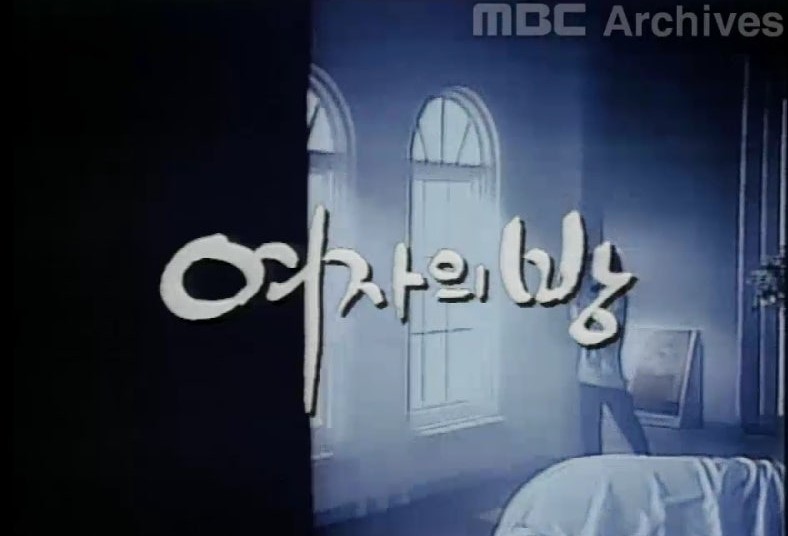
Long before the intricate plots of today’s globally celebrated K-Dramas, there were foundational works that captured the seismic shifts in Korean society. One such pillar is the 1992 MBC hit melodrama, Woman’s Room (여자의 방). The series tells the story of women from vastly different worlds whose lives become irrevocably intertwined through love, ambition, and rivalry. At its heart, the drama is a dense psychological portrait of Hee-soo (Go Hyun-jung), a sophisticated and driven woman from a wealthy family, and Young-jin (Bae Jong-ok), a resilient and warm-hearted woman from a modest background. Their complex relationship is further complicated when they both fall for the same man, the gentle and principled Jin-woo (Park Sang-won), forcing a confrontation of values, desires, and what it truly means to be a woman in a rapidly changing world.
Deep Cultural/Historical Insight
To understand the impact of Woman’s Room, one must step back into the South Korea of the early 1990s. This was an era of unprecedented economic prosperity and social transformation. The country was shedding the austerity of previous decades, and a new generation, raised in relative affluence, was coming of age. This period saw the rise of the “trendy drama,” a genre that reflected the new urban lifestyle—focusing on career-oriented young professionals, modern romance, and fashionable consumer culture. Woman’s Room was a quintessential example. It explored the emerging identity of the “New Woman” (신여성), who was educated, independent, and had aspirations beyond the traditional confines of marriage and home. The drama masterfully contrasted this new ideal, embodied by Go Hyun-jung’s character, with the more traditional, self-sacrificing femininity represented by Bae Jong-ok’s character, creating a powerful cultural dialogue that resonated deeply with viewers grappling with these very same questions.
Narrative Analysis
While structured as a love triangle, the narrative’s true strength lies not in romance but in its sharp, introspective character studies. The “Woman’s Room” of the title is less a physical space and more a metaphor for the internal, psychological world of its female protagonists. The story avoids simple black-and-white morality, instead delving into the nuanced motivations behind each woman’s choices. Hee-soo’s ambition isn’t portrayed as pure villainy but as a product of her upbringing and a desperate need for validation. Young-jin’s kindness is not a sign of weakness but a source of profound strength and resilience. The script’s dense dialogue and focus on subtle emotional shifts were revolutionary for the time, treating its female characters with a psychological complexity that set a new standard for television writing in Korea.
The Pulse of the Time
Upon its release, Woman’s Room was not just a television show; it was a cultural phenomenon. It achieved staggering viewership ratings, often exceeding 40%, making it a nationwide topic of conversation. The drama’s sophisticated aesthetic, from the characters’ fashion to the chic urban settings, became aspirational for a generation. More than anything, it catapulted its lead, Go Hyun-jung, into superstardom. Her portrayal of the stylish, confident, yet vulnerable Hee-soo made her an icon of 1990s Korean femininity and a definitive “trendy drama” star.
Cast Spotlight
The drama’s enduring legacy is inseparable from its powerhouse cast, who delivered career-defining performances.
- Go Hyun-jung as Hee-soo: In a role that would make her a household name, Go Hyun-jung perfectly embodied the modern, ambitious woman. She delivered a multi-layered performance, capturing Hee-soo’s cool confidence and her hidden insecurities with a captivating intensity that made her both formidable and sympathetic.
- Bae Jong-ok as Young-jin: A veteran actress even then, Bae Jong-ok provided the perfect counterbalance. She imbued Young-jin with a quiet dignity and warmth, creating a character who was the emotional anchor of the story. Her portrayal of resilience in the face of hardship was profoundly moving.
- Park Sang-won as Jin-woo: As the man caught between these formidable women, Park Sang-won played the role of the gentle, intellectual idealist with nuance. He effectively conveyed the character’s internal conflict without being overshadowed by his powerful female co-stars.
Global Viewing Guide
Finding this 90s classic can be a challenge, but several platforms specialize in classic Korean television content for global audiences. Fans can watch this on:
- Wavve: This is the primary platform for viewers in Korea, hosting a vast library of classic MBC content.
- MBC Classic YouTube Channel: Broadcasters like MBC often upload clips or full episodes of their vintage dramas to dedicated YouTube channels.
- Kocowa: As a joint venture of Korea’s top broadcasters, Kocowa is a primary destination for classic dramas and is often the first place to check for subtitled versions.
Final Verdict
Woman’s Room is more than just a nostalgic trip; it is an essential piece of K-drama history. For anyone interested in the origins of the Hallyu Wave, the evolution of female characters in Korean media, or a masterclass in psychological storytelling, this drama is required viewing. It’s a powerful, intelligent, and deeply human story that remains as compelling today as it was three decades ago.

The KCulture Editorial Team is dedicated to providing deep insights and accurate information about the vibrant world of Korean culture.