Ancient Capitals to Natural Wonders: A Gongju Journey
Imagine standing within the serene grandeur of the Gyeryongsan Natural History Museum, feeling the immense pulse of geologic ages, the earth breathing out its ancient secrets, preparing your spirit for the human stories that follow. Then, to step back even further, to the primordial whispers at the Seokjangni Museum, where the very first human footsteps imprinted themselves on this sacred ground—a stirring recognition of our shared dawn, a profound connection to the earliest architects of civilization.
A moment of grounding, a gentle pause for lunch at the former Mr. Eo’s Place, offers not just sustenance, but a taste of the living present, a quiet bridge between epochs before we plunge deeper. For soon, the formidable stones of Gongsan Fortress will rise, monumental and defiant, each brick a witness to kingdoms forged and defended, a silent testament to human resilience and ambition.
Then, a profound hush descends as we approach the Tomb of King Muryeong, a sanctuary of ancient royalty, a portal to a bygone era of elegance and power, its mysteries unveiled yet forever wrapped in a solemn reverence. And finally, to gather the disparate threads of these untold stories, to piece together the fragments of a magnificent heritage within the hallowed halls of the National Gongju Museum, where every artifact hums with the life it once knew, weaving a tapestry of understanding and wonder.
This is not just a tour; it is an unfolding, an emotional odyssey from the dawn of time to the enduring spirit of a kingdom, a journey that promises to leave an indelible mark, intertwining the ancient and the natural into the very fabric of who we are. It is the story of Gongju, waiting to stir your soul.
Travel Tips
- Wear comfortable walking shoes suitable for both historical sites and natural trails.
- Stay hydrated by carrying a water bottle, especially when exploring fortresses and museums.
- Check the operating hours for all attractions, as some may close earlier or have specific visiting times.
🛑 Course Itinerary
- Gyeryongsan Natural History Museum
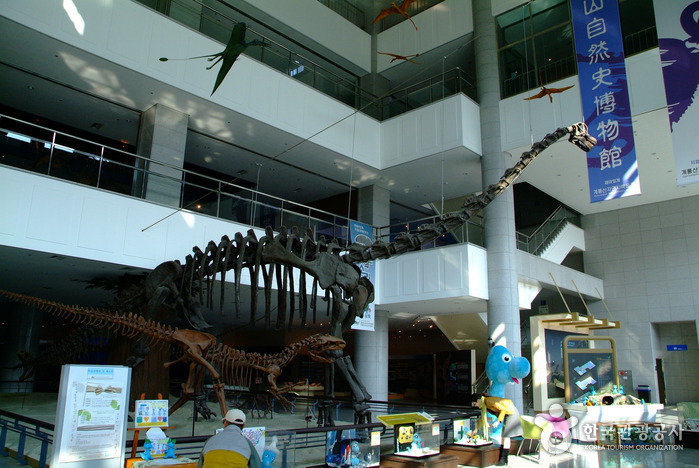
The Gyeryongsan Natural History Museum is situated at the foot of Gyeryongsan National Park and prides itself on having the largest scale and most extensive collection in Korea. It showcases the real fossil of the Cheonwooho yeonsaurus Cheongunensis dinosaur, nicknamed ‘Gyeryong,’ which the museum directly invested in and excavated, alongside endemic plants, animals, insects, and various natural history materials related to Gyeryongsan. - Seokjangni Museum
Seokjangni Museum is a Paleolithic artifact museum located in Jangam-ri, Janggi-myeon, Gongju, Chungcheongnam-do. It was established to continuously preserve the historical value of the Gongju region’s Paleolithic culture and to advance its legacy. - Lunch (Former Mr. Eo’s Place)
Specializing in dishes made with freshwater fish freshly caught from the Geumgang River, its main ingredients include seasonal varieties such as carp, catfish, and Korean bullhead. What began as a humble tavern twenty years ago, serving Korean bullhead spicy stew with makgeolli, gradually transformed into a renowned spicy stew specialty restaurant thanks to its exceptional flavor. - Gongsan Fortress
Gongsan Fortress was constructed to safeguard Gongju, which served as the capital for 64 years (475-538 AD) for five kings of the Baekje Dynasty. Designated as National Historic Site No. 12, this ancient fortress spans 2,660 meters and is naturally fortified, situated on a ridge 110 meters above sea level. - Tomb of King Muryeong
The Tomb of King Muryeong, the 25th king of Baekje, and his queen is nestled in a picturesque setting with Gongsanseong Fortress to the east, the Geumgang River to the west, and Gyeryongsan Mountain to the south. Discovered in 1971 during construction to prevent flooding of neighboring tombs, it yielded 4,600 artifacts of 108 types, with 12 items designated as national treasures and now displayed at the Gongju National Museum. - National Gongju Museum
The National Gongju Museum in Gongju, Chungcheongnam-do, preserves and exhibits important relics excavated from the Gongju and surrounding Chungcheongnam-do regions. It also conducts academic research through archaeological excavations and overseas cultural heritage surveys, while functioning as a lifelong learning institution by offering diverse cultural education programs for local residents.
🗺️ Route Map
#GongjuJourney
#AncientCapitals
#NaturalWonders
#GongjuTravel
#KoreanHeritage
#KoreaNature
#ExploreGongju
#HistoryAndNature
#TravelKorea
#GongjuAdventures

The KCulture Editorial Team is dedicated to providing deep insights and accurate information about the vibrant world of Korean culture.