Beyond Castles: The Hidden Survival Architecture of Korean Mountain Fortresses
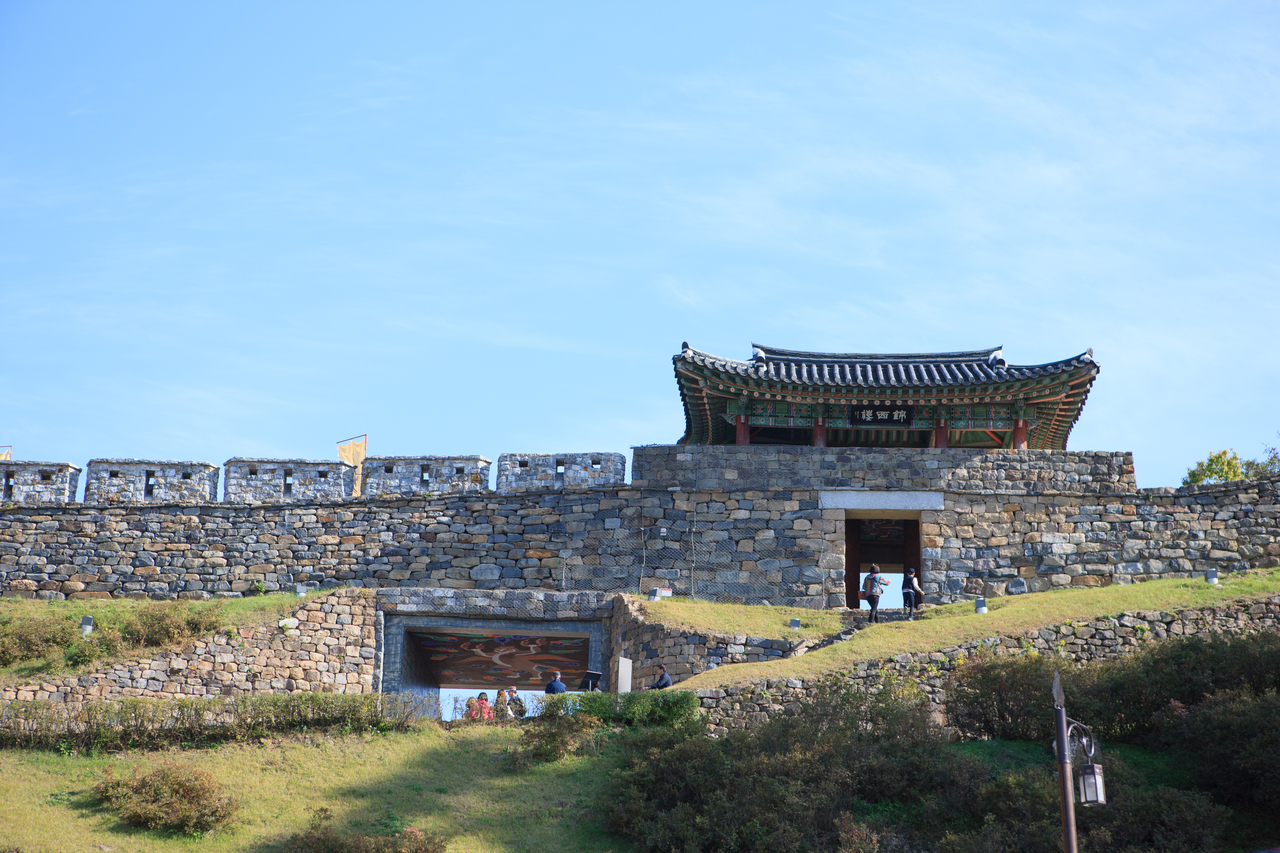
Why do Korean fortresses look like endless stone walls snaking across rugged mountain peaks instead of glamorous castles? The short answer is that unlike European or Japanese castles built as luxurious residences for feudal lords, Korean mountain fortresses—known as Sanseong (산성)—were massive, temporary “mountain cities” designed to protect entire local communities during wartime. For many travelers exploring Korea, the seemingly empty, windswept walls of these mountain ranges can be baffling. Yet, these structures hold the profound secret of how a peninsula surrounded by powerful empires maintained its independence for thousands of years. Living in Korea, I often find myself hiking along these ancient walls, marveling at the sheer scale of collective survival they represent. This guide explores the unique architecture of Korean fortresses, the brilliant but harsh “scorched-earth” survival tactics, epic historical sieges, and the most breathtaking fortress sites you must visit today.
- Korean Fortresses vs. The World: A Paradigm Shift
- The Twin Fortress System & Scorched Earth Strategy
- A Chronicle of Stone: How Korean Fortresses Evolved
- Epic Battles That Shaped Korean History
- Cinematic Sieges: Korean Fortresses in Movies and Dramas
- Must-Visit Korean Fortresses for Travelers
- FAQ: Understanding Korean Fortresses
Korean Fortresses vs. The World: A Paradigm Shift
The easiest way to understand the uniqueness of Korean fortresses is to compare them with the architectural concepts found in neighboring countries and the West. Visitors arriving in Korea often expect to see medieval castles with towering keeps. When they see the long stone walls of Korea, it raises an obvious question:
💡 “Where is the castle?”
The answer is simple: the fortress itself was the castle. Most Korean fortresses were never intended to be permanent royal residences. Instead of protecting a single noble family, these fortresses were designed to protect an entire community.
Here is a breakdown of how Korea’s approach to fortifications differed from the rest of the world:
| Cultural Sphere | Primary Purpose & Occupants | Topography | Architectural Traits |
|---|---|---|---|
| Korea | Protect entire communities during invasions (Civilians, officials, soldiers) | Steep mountain ranges and valleys | Natural stone walls that organically follow the curves of the mountain terrain. |
| Japan | Protect feudal lords and their retainers (Daimyo and samurai) | Plains or urban hills | Massive stone bases topped with elegant, towering wooden keeps. |
| China | Defend major cities and imperial administration | Vast, flat plains | Straight brick or rammed-earth walls surrounding massive urban centers. |
| Europe | Control territory and protect noble families (Lords and knights) | Strategic hills or riversides | Concentric stone towers, keeps, moats, and packed residential complexes. |
The Twin Fortress System & Scorched Earth Strategy
Foreigners looking at historical Korean maps often ask, “Why build a walled town on the plains, and then build a completely separate, empty fortress on the mountain right next to it?” This pairing is known as the Twin Fortress System, one of the most sophisticated defensive strategies in East Asia.
| Fortress Type | Primary Purpose | Peacetime Role | Wartime Role |
|---|---|---|---|
| Eupseong (Town Fortress) | Administration and commerce | Government offices, markets, and daily civilian life | First defensive line and primary evacuation staging point |
| Sanseong (Mountain Fortress) | Long-term defense and community refuge | Usually lightly occupied or maintained by a small garrison | Shelter for civilians, officials, and the military during prolonged sieges |
This system was activated through a brutal but effective defensive doctrine called Cheongya Gyeonsu (청야견수淸野堅守 – Clear the fields and hold the fortress). When an invasion was imminent, Koreans would systematically burn their own crops, empty their storehouses, and destroy homes in the plains. Immediately after, the entire population evacuated to the Sanseong.
Because 70% of the Korean peninsula is mountainous, foreign invaders—relying heavily on cavalry or vulnerable supply lines—were starved of local resources and forced into exhausting uphill assaults against jagged peaks.
A Chronicle of Stone: How Korean Fortresses Evolved
Korean fortification techniques evolved continuously for nearly 2,000 years to counter new types of military threats.
- The Three Kingdoms Period (1st C. BCE – 7th C. CE): The Goguryeo Kingdom developed advanced stone-cutting techniques, shaping rocks like corn kernels to interlock perfectly. The Silla Kingdom perfected the use of steep stone walls with a unique “battering” technique—sloping the lower parts outward to prevent collapse under their own massive weight.
- The Goryeo Dynasty (10th – 14th C.): Facing terrifying Mongol cavalry, the strategy of entire populations retreating to mountain fortresses became absolute. The royal court even fled to Ganghwado (강화도), turning the island into a maritime fortress.
- The Early Joseon Dynasty (15th – 16th C.): To defend against coastal raids by Japanese pirates, the government constructed extensive Eupseong (administrative town fortresses) on the plains to protect civilian hubs directly.
- The Late Joseon Dynasty (17th – 19th C.): Following the Japanese and Manchu invasions, Korea integrated Western scientific principles and Chinese brick-making techniques, culminating in artillery-resistant fortress designs.
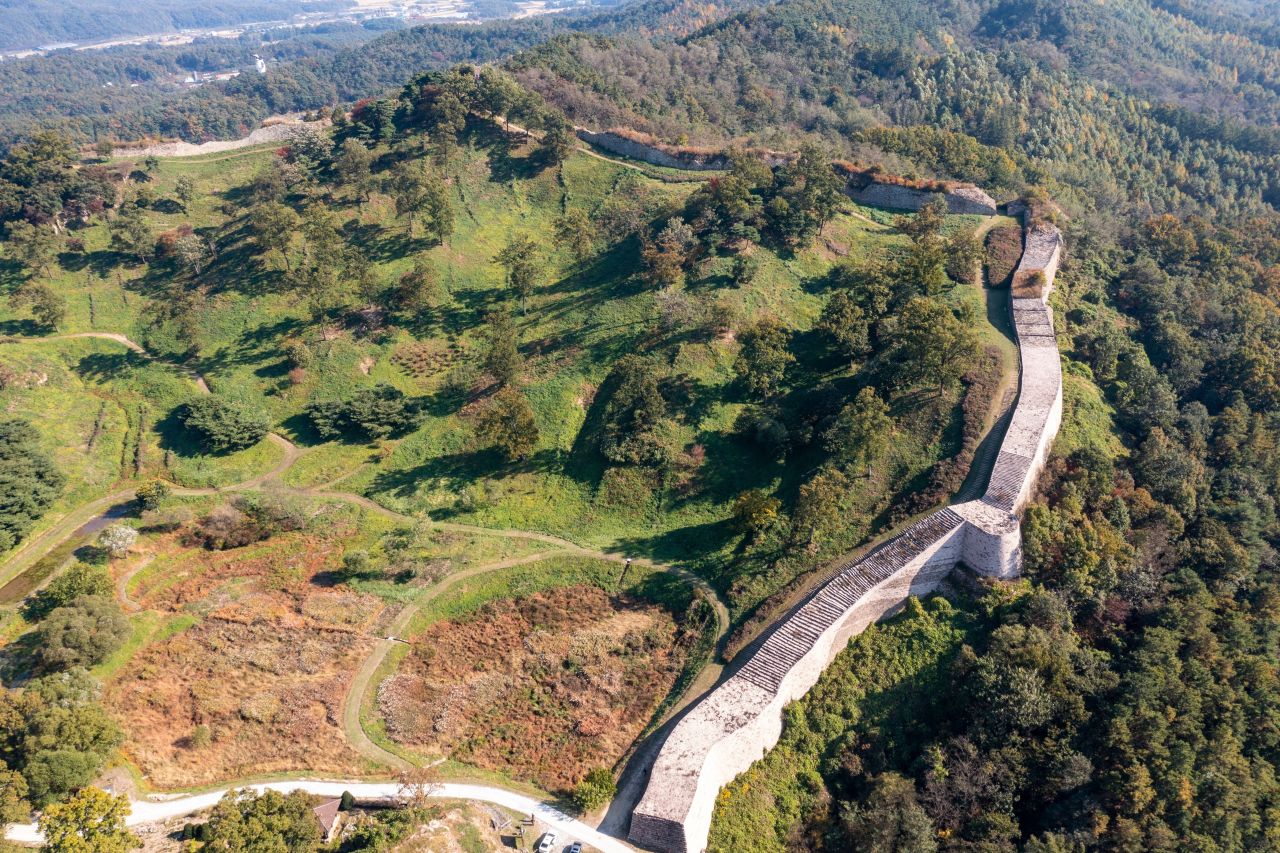
📌 Architectural Note: Korean fortresses do not try to conquer the terrain; they adapt to it. Using a technique called “Grengi” (그랭이), builders carefully ground the edges of natural, irregular stones so they interlocked organically with the existing bedrock. This flexible structure absorbs shock, allowing the walls to withstand earthquakes far better than rigid walls.
Epic Battles That Shaped Korean History
To truly appreciate these stone walls, one must understand the legendary sieges that took place upon them:
- The Battle of Ansi Fortress (645 CE): Emperor Taizong of the Tang Dynasty led 300,000 elite troops against Goguryeo but was halted by Ansi Fortress. The Tang army spent months building a colossal earthen mountain higher than the fortress walls. Astonishingly, the dirt mountain collapsed, and the Goguryeo defenders captured it, forcing the freezing Tang army to retreat.
- The Miracle of Haengju Fortress (1593): General Gwon Yul led a ragtag force of 2,300 soldiers and civilians to defend Haengju Fortress against 30,000 elite Japanese troops. Utilizing the steep terrain and the Hwacha (a multiple rocket launcher), the Koreans repelled the massive force. Legend says local women carried stones in their skirts to drop on the enemy, giving rise to the patriotic term “Haengju Skirt.”
- The Tragic Siege of Namhansanseong (1636): Fleeing the invading Qing cavalry, King Injo took refuge in Namhansanseong (남한산성). The Qing army could not breach the steep walls, so they completely surrounded the fortress. After 47 days of freezing temperatures and starvation, the King surrendered. The walls never fell, but the nation’s leadership did. If you want to learn more about the Byeongja Horan and related dramas and movies, please refer to ‘Byeongja Horan Historical Dramas: A Guide to Joseon’s Tragedy‘.
Cinematic Sieges: Korean Fortresses in Movies and Dramas
Korean mountain fortresses continue to inspire filmmakers, showcasing the intense human drama of these sieges. Check out these productions before your visit:
- Kingdom (Netflix Series): Although a fictional zombie thriller, this global hit brilliantly utilizes Korea’s traditional fortress architecture and defensive chokepoints to create tension.
- The Fortress (2017): A visually stunning and emotionally heavy film depicting the 1636 siege of Namhansanseong. It focuses on the intense political debates within the freezing walls as the King decides between surrender and death.
- The Great Battle (2018): An action-packed blockbuster recreating the 88-day siege of Ansi Fortress, showcasing spectacular ancient siege warfare and the collapse of the Tang earthen mountain.
- Six Flying Dragons (TV Drama): This critically acclaimed historical drama features numerous Joseon military fortifications during the turbulent founding period of the dynasty.
Must-Visit Korean Fortresses for Travelers
If you want to step back in time, here are the most remarkable fortresses to add to your itinerary:
1. Suwon Hwaseong (수원 화성)
A UNESCO World Heritage site, this late-Joseon masterpiece represents the pinnacle of Korean fortress engineering. It seamlessly connects plains and hills, featuring beautifully preserved brickwork, secret gates, and artillery towers. The nighttime illumination is highly recommended.
2. Namhansanseong (남한산성)
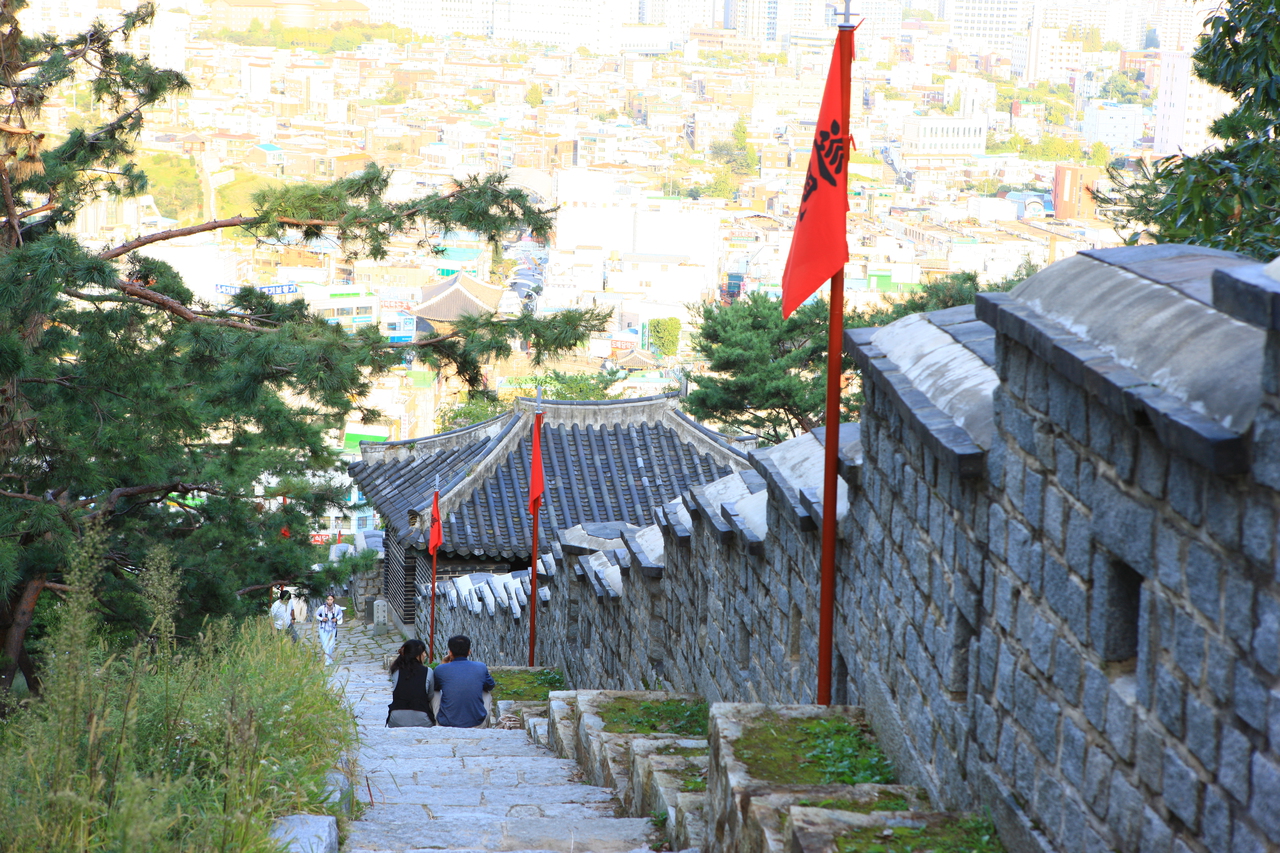
Another UNESCO World Heritage site located just outside Seoul. The elegant, curving stone walls stretch across mountain ridges for kilometers, offering incredible hiking trails and breathtaking views of the modern Seoul skyline.
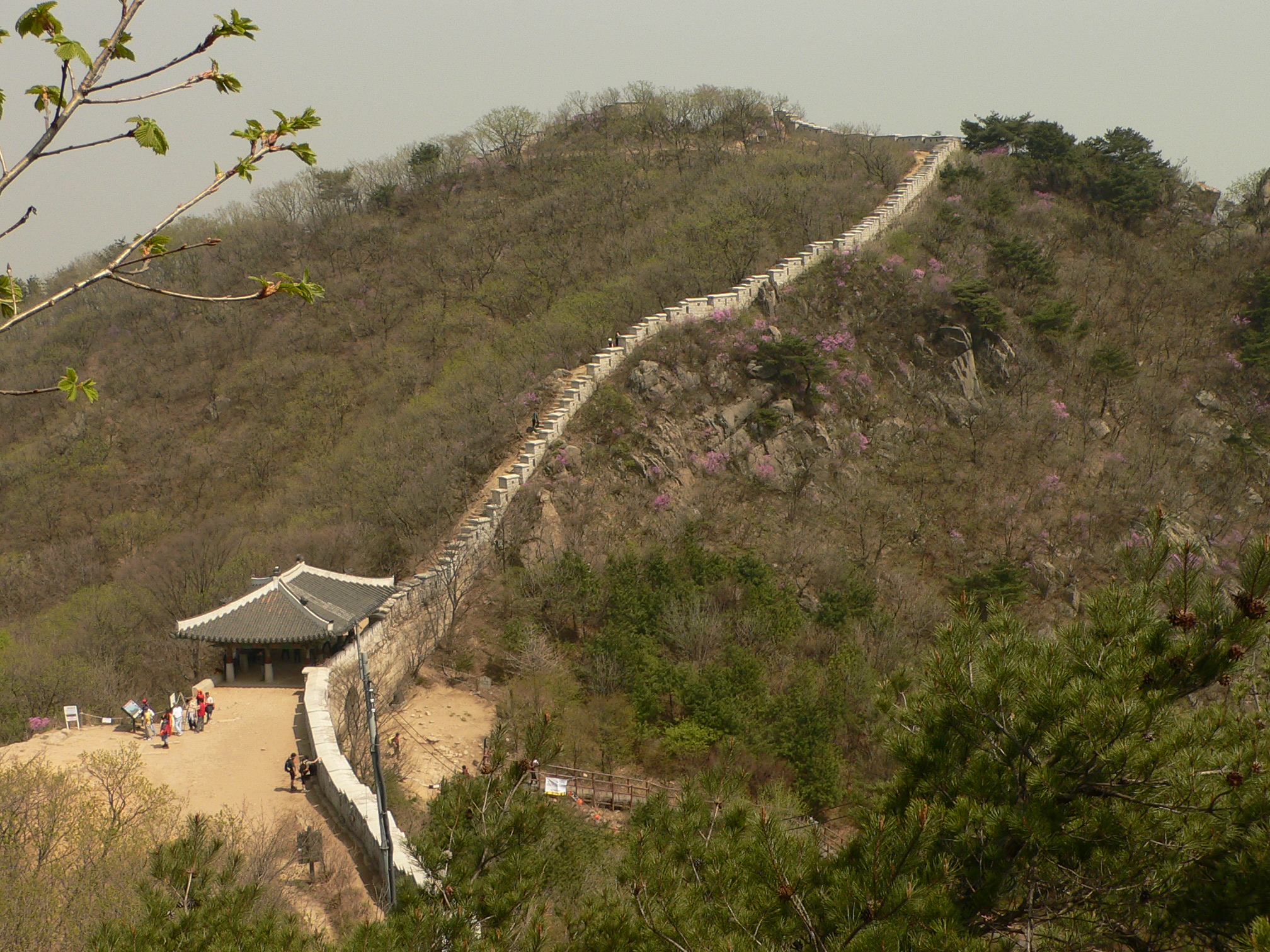
3. Bukhansanseong (북한산성)
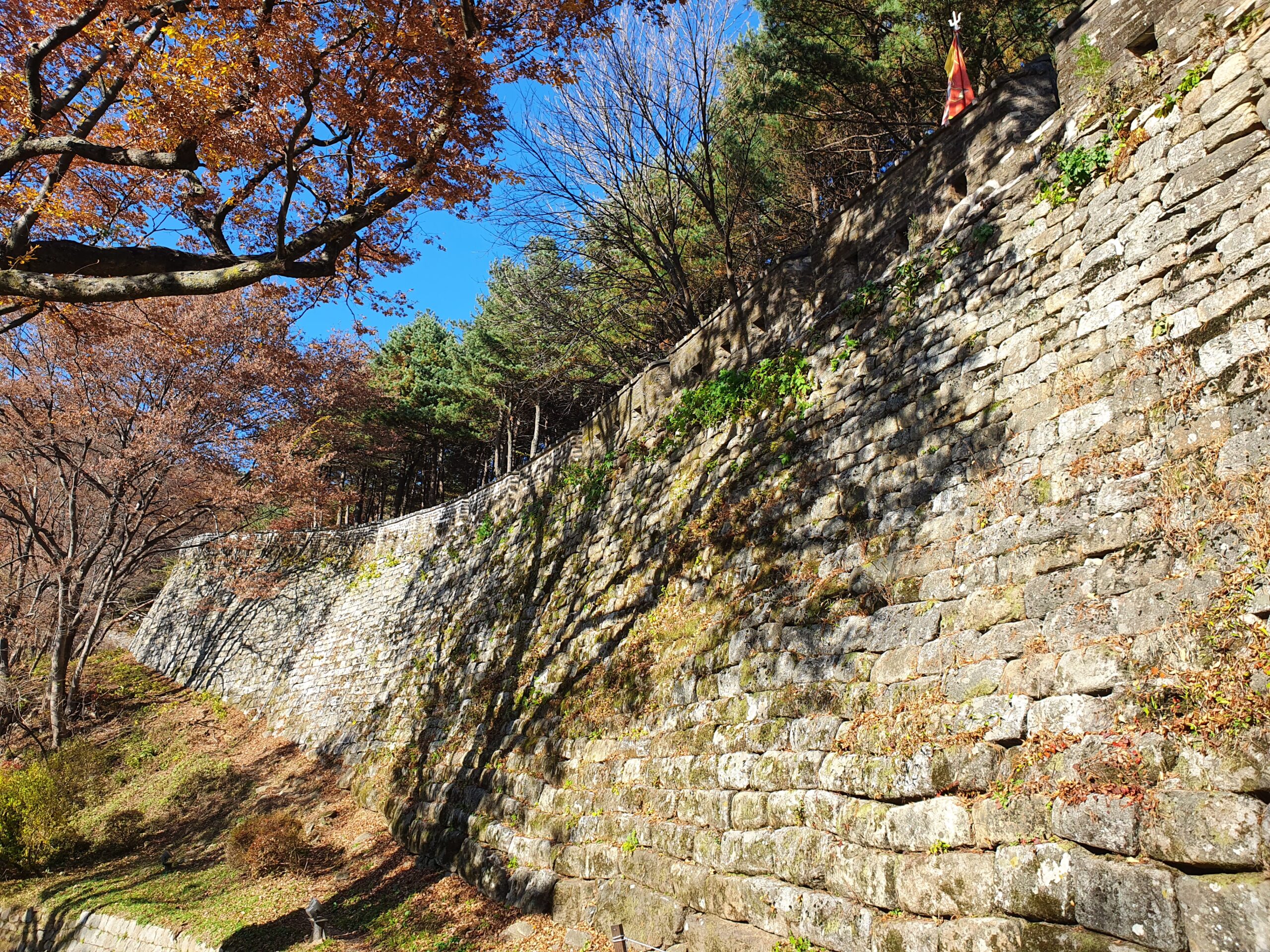
A favorite hiking destination within Seoul’s city limits. The centuries-old walls blend seamlessly into Bukhansan National Park’s granite peaks, offering a perfect mix of extreme hiking and rich military history.
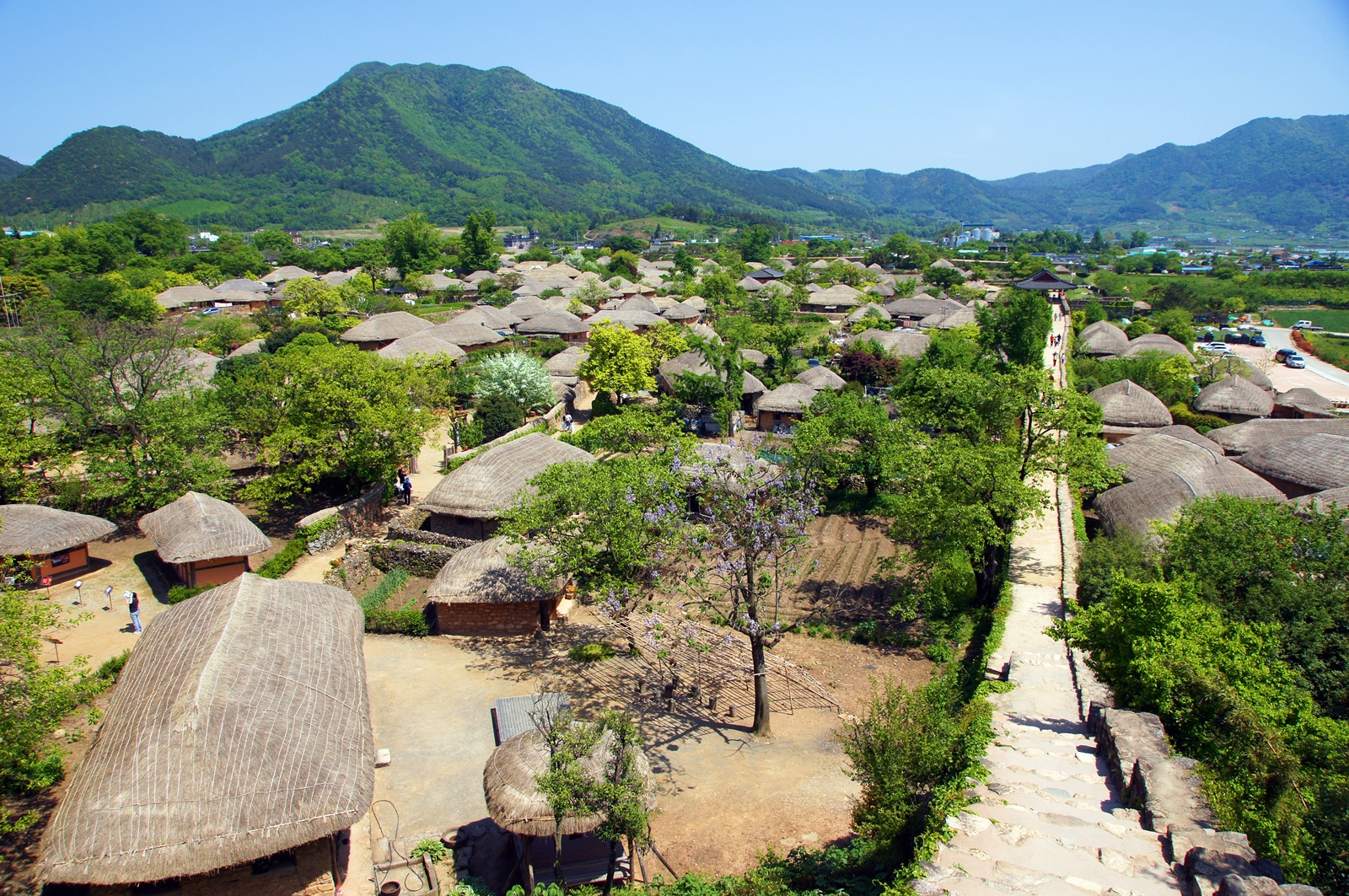
4. Suncheon Nagan Eupseong (순천 낙안읍성)
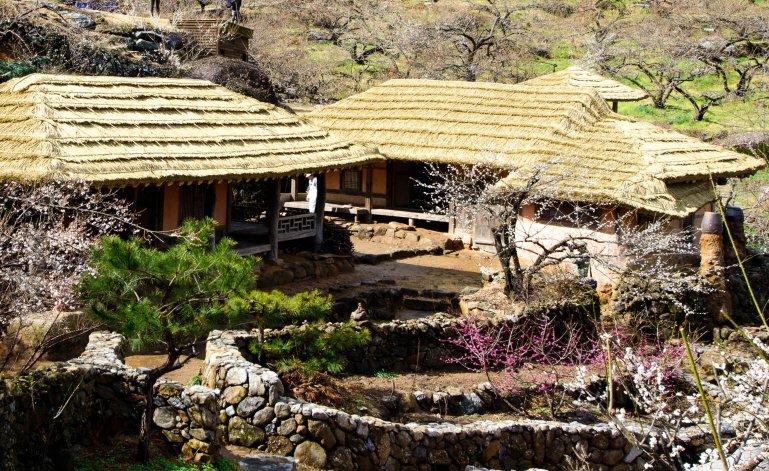
Unlike empty mountain fortresses, this is a living town fortress on the plains. Real residents still live in the thatched-roof houses within the walls, making it feel like stepping directly into the Joseon Dynasty.
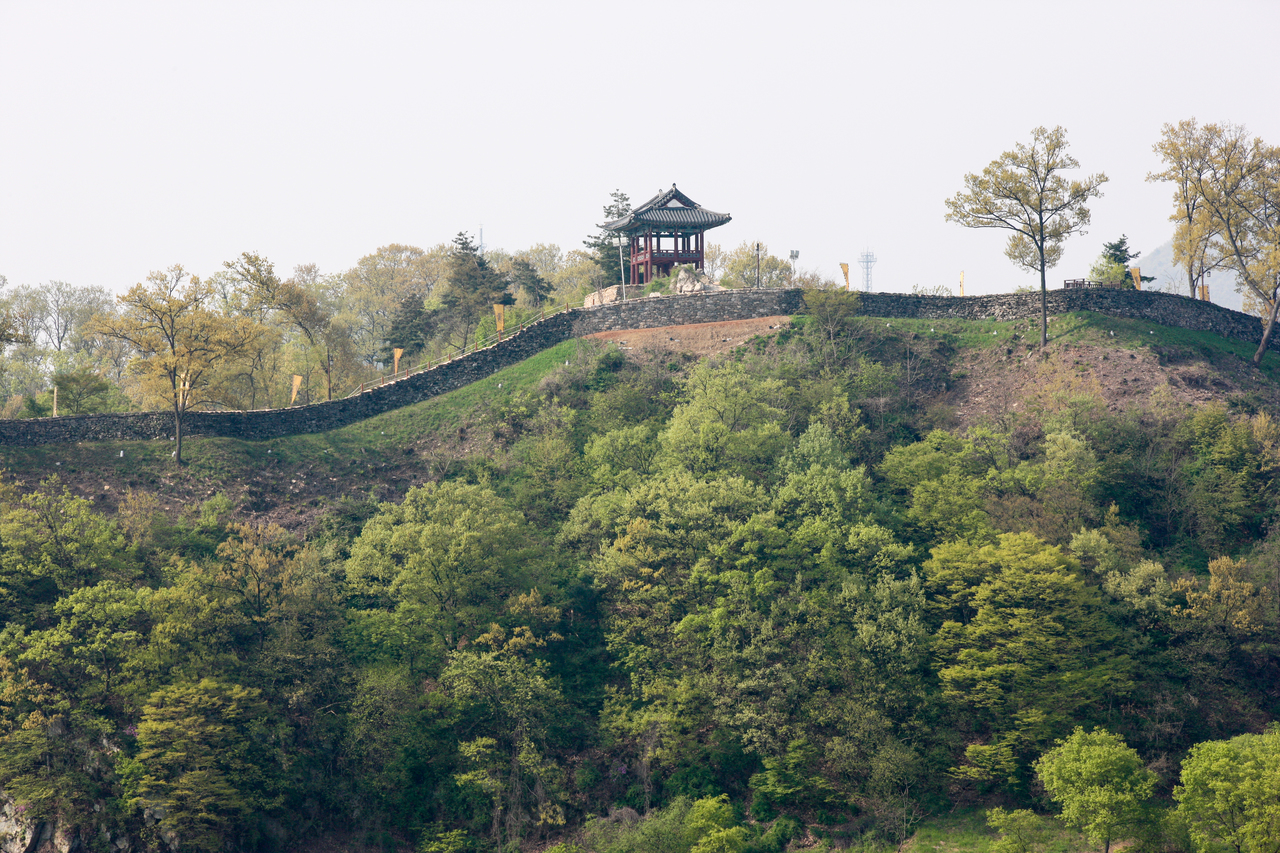
5. Gongsanseong (공산성)
Located in Gongju, this UNESCO-listed Baekje royal fortress overlooks the Geum River. It features beautiful walking paths under lush tree canopies and highlights the transition from earthen to stone walls.
FAQ: Understanding Korean Fortresses
Why are most Korean fortresses built on mountains?
Korea’s highly mountainous terrain (70% of the land) offered massive natural defensive advantages. Mountain fortresses allowed smaller Korean defending forces to resist much larger invading armies, nullifying the enemy’s cavalry and disrupting their logistics.
Did people actually live inside mountain fortresses?
Most mountain fortresses were not permanently inhabited in peacetime. During wartime, however, local residents, soldiers, and government officials temporarily moved inside, sometimes remaining for weeks or months during prolonged sieges.
How many mountain fortresses exist in Korea?
Archaeologists have identified thousands of fortress sites across the Korean Peninsula, making Korea one of the world’s richest regions for historic defensive architecture.
Which fortress should first-time visitors see?
Suwon Hwaseong offers the best introduction because it is exceptionally well-preserved, visually stunning, and easily accessible. Visitors interested in nature hiking and military history should definitely explore Namhansanseong or Bukhansanseong.
If you want to explore deeper into the culture and history that shaped modern Korea, check out the insightful articles below.
- Why Koreans Are So Sensitive to Historical Distortion
- The Paradox of Peace: South Korea Military Readiness Explained
- Why Koreans Escape to Mountain Valleys in Summer
- Why Koreans Stack Stones: The Meaning Behind Doltap
- How to Buy Hanbok: Custom, Ready-Made & Online Guide
- 2026 Korean Cosmetics Shopping Trends: The K-Beauty Shift
Korean Culture portal KCulture.com

Founder of Kculture.com and MA in Political Science. He shares deep academic and local insights to provide an authentic perspective on Korean history and society.