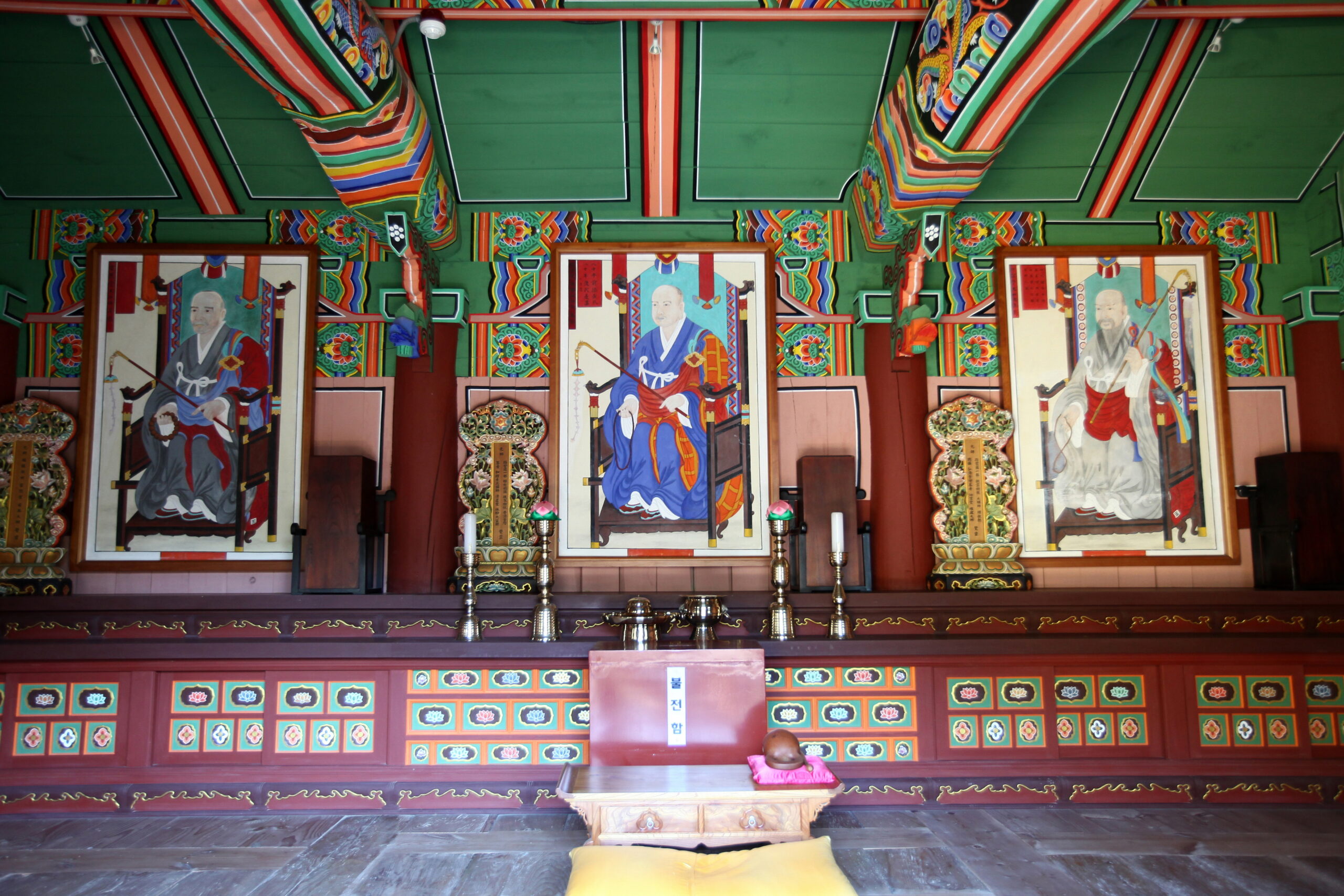
Daeheungsa Temple is far more than a beautiful mountain monastery in southern Korea. It is one of the most important Buddhist sites in Korean history, a place where spirituality, patriotism, royal recognition, and cultural preservation converged for centuries.
For travelers exploring Korea’s temples, Daeheungsa offers something rare: not only stunning scenery and peaceful meditation spaces, but also a direct connection to the story of Seosan Daesa, the monk-general who helped defend Korea during the Japanese invasions of the late 16th century. Understanding Daeheungsa means understanding how Korean Buddhism survived, adapted, and regained respect during the Joseon Dynasty.
- Why Daeheungsa Matters in Korean History
- Seosan Daesa and the Monk Army
- Pyochungsa: A Shrine Unlike Any Other
- How Daeheungsa Changed Buddhism in Joseon Korea
- What to See at Daeheungsa
- How to Visit Daeheungsa
- Related Reading
Why Daeheungsa Matters in Korean History
Daeheungsa Temple (대흥사) is one of those places that quietly changes the way people understand Korea. Tucked deep within Duryunsan Mountain (두륜산) in Haenam, the southernmost county on mainland Korea, it is not merely a temple but a living record of Korean Buddhism, royal history, patriotism, tea culture, and spiritual resilience.
Many travelers arrive expecting a peaceful mountain monastery. What they often discover instead is a place that tells the story of how Korean Buddhism survived centuries of political marginalization, earned renewed respect from the royal court, and became closely linked with the defense of the nation itself.
Daeheungsa is also part of the UNESCO-listed Sansa, the Buddhist Mountain Monasteries of Korea, recognized for preserving centuries-old Buddhist traditions that continue to this day.
📌 Local Note: Unlike many famous Korean attractions where visitors rush from one landmark to another, Daeheungsa rewards those who slow down. The forest trail leading from the entrance to the temple is considered by many visitors to be just as memorable as the temple itself.
Seosan Daesa and the Monk Army
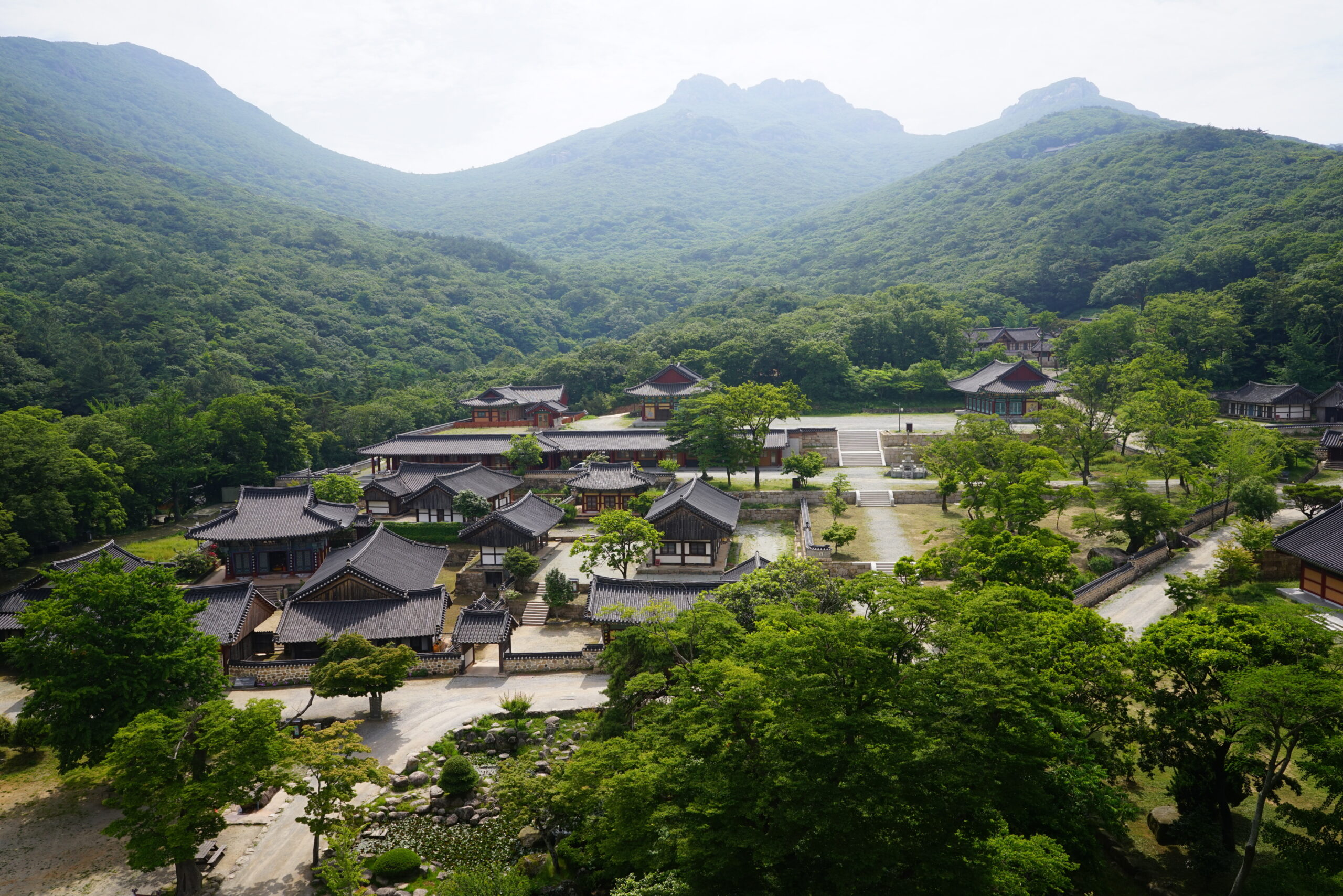
If there is one historical figure whose spirit still defines Daeheungsa, it is Seosan Daesa (서산대사), one of the most influential monks in Korean history.
To appreciate his significance, it helps to understand the position of Buddhism during the Joseon Dynasty. The state officially embraced Neo-Confucianism and significantly reduced the political influence that Buddhism had enjoyed during the preceding Goryeo period. Many temples lost land, privileges, and influence. Monks were often pushed away from the center of political life.
Everything changed during the Imjin War (1592–1598), when Japanese forces invaded Korea.
As the country faced an existential crisis, Seosan Daesa answered the government’s call for help. Despite being in his seventies, he organized thousands of monks into volunteer military units known as monk armies. These Buddhist warriors joined government troops and civilian militias in resisting the invasion.
For many international visitors, the idea of Buddhist monks participating in warfare seems contradictory. Yet in Korea, Seosan Daesa is remembered not as a warrior seeking conflict but as a spiritual leader who believed protecting people and preserving the nation was a moral responsibility during a time of emergency.
The success and sacrifice of the monk armies transformed public perceptions of Buddhism. Suddenly, monks were no longer seen solely as isolated religious figures. They became defenders of the nation.
Before his death, Seosan Daesa instructed that his robe and alms bowl be preserved at Daeheungsa. This decision permanently linked the temple to his legacy, elevating its status within Korean Buddhism.
Pyochungsa: A Shrine Unlike Any Other
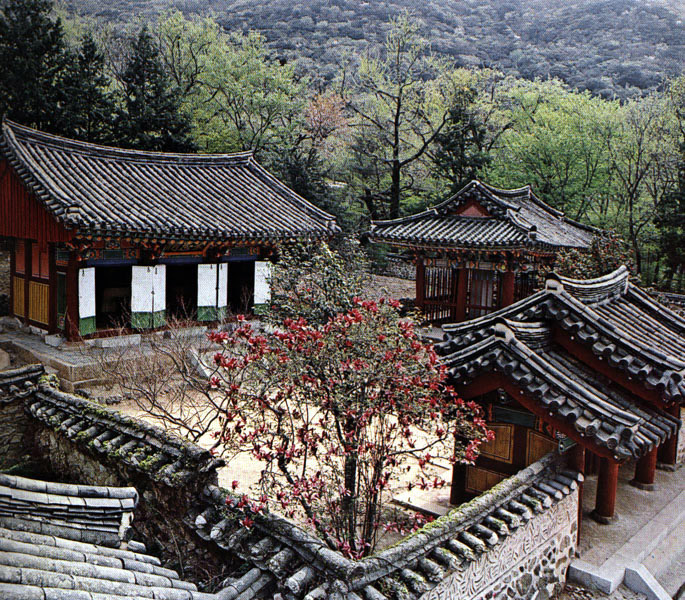
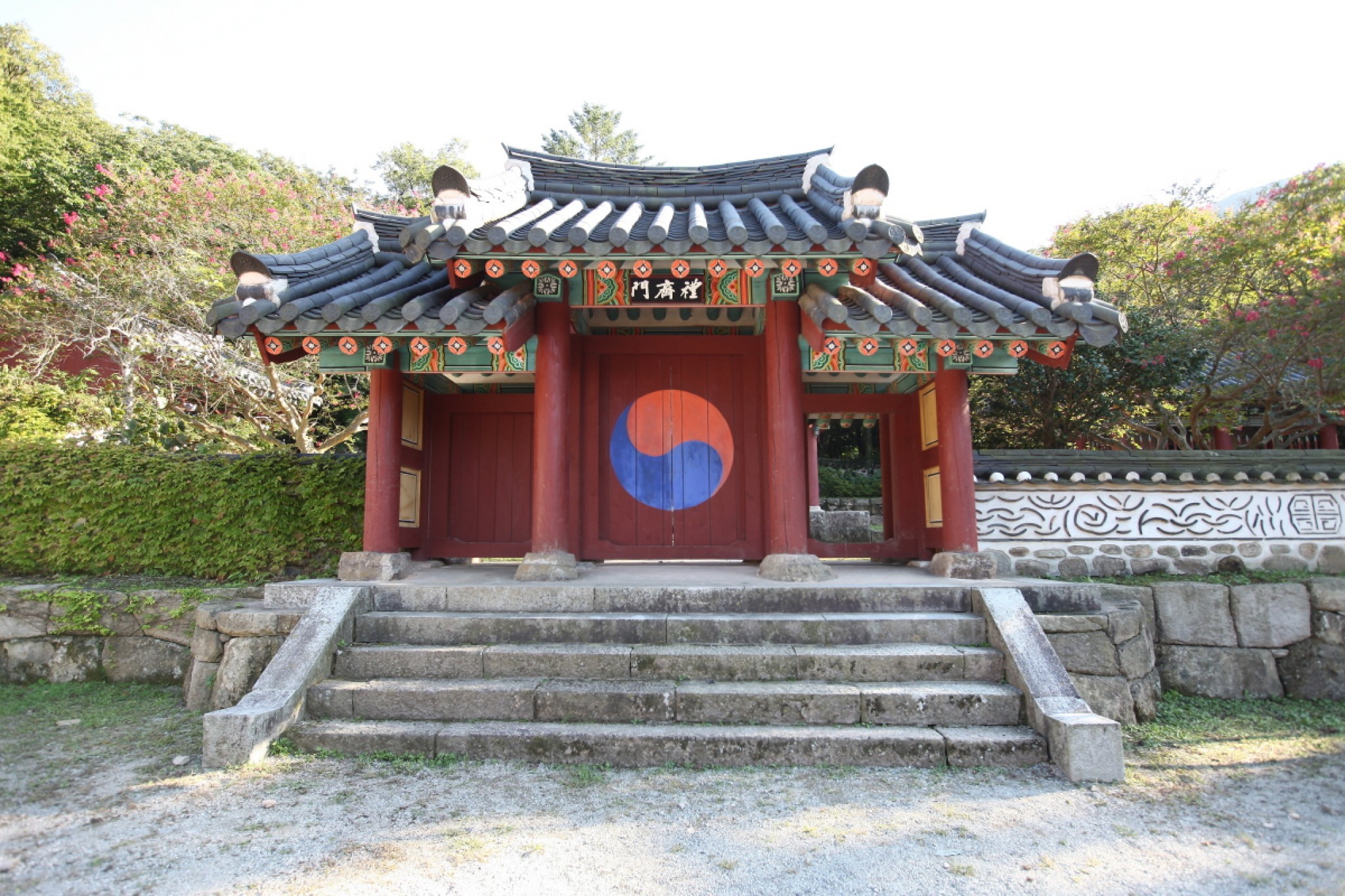
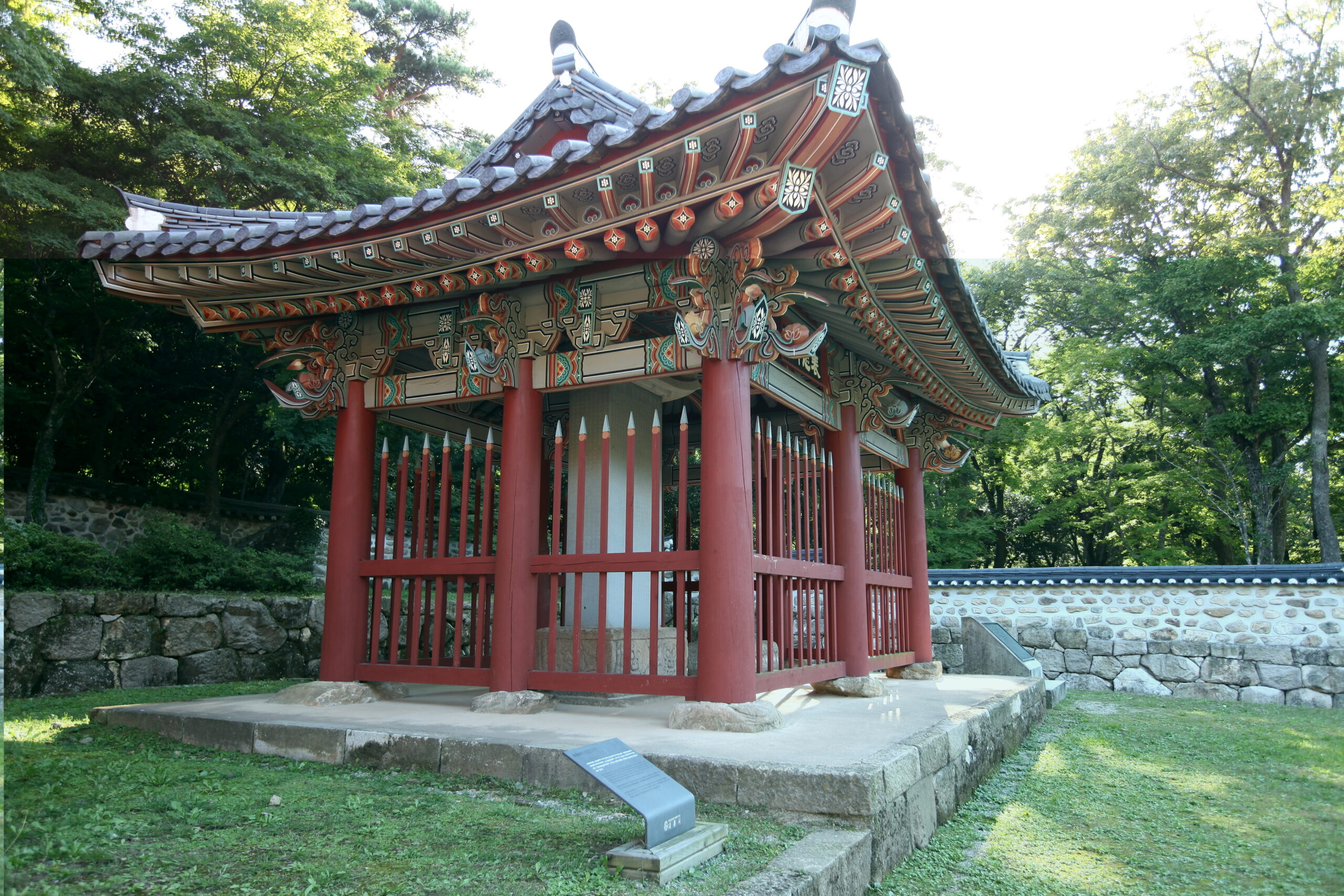
One of the most fascinating places within Daeheungsa is Pyochungsa Shrine (표충사), and its story reveals just how dramatically attitudes toward Buddhism changed after the Imjin War.
In 1798, King Jeongjo (정조), one of Joseon’s most respected monarchs, ordered the construction of the shrine to honor Seosan Daesa and the patriotic monk tradition he represented.
This was no ordinary royal gesture.
For centuries, Joseon rulers had generally favored Confucian institutions over Buddhist ones. Yet here was a king publicly commemorating a Buddhist monk and formally recognizing his contributions to the nation.
Even more extraordinary is the signboard hanging above the shrine. The characters were personally written by King Jeongjo himself. Royal calligraphy was among the highest honors available in Joseon society, making the shrine’s signboard a powerful symbol of official recognition.
What surprises many visitors even more is the ceremony associated with the shrine.
Pyochungsa traditionally hosts memorial rites conducted according to Confucian ritual practices rather than purely Buddhist ceremonies. In other words, a Buddhist monk is honored through Confucian-style ancestral rites within a Buddhist temple complex.
This blending of traditions beautifully illustrates a uniquely Korean cultural reality. Rather than existing as completely separate systems, Confucianism and Buddhism often coexisted and influenced one another throughout Korean history.
💡 Pro Tip: If you’ve previously visited Jongmyo Shrine in Seoul, pay attention to the ceremonial atmosphere at Pyochungsa. The similarities reveal how deeply Confucian memorial traditions influenced Korean society, even within Buddhist settings.
How Daeheungsa Changed Buddhism in Joseon Korea
The significance of Daeheungsa extends far beyond its architecture and natural beauty. Its greatest historical importance may be the role it played in reshaping the relationship between Buddhism and the Joseon state.
The heroism displayed by Seosan Daesa and the monk armies did not suddenly make Joseon a Buddhist kingdom again. Neo-Confucianism remained the official ideology of the state.
However, perceptions began to change.
Royal officials and scholars increasingly acknowledged that Buddhist institutions had contributed meaningfully to the defense and survival of the country. This recognition helped reduce some of the hostility that had characterized earlier periods of Joseon history.
Daeheungsa benefited greatly from this shift. It emerged as a major center for preserving Buddhist teachings, training influential monks, and maintaining important religious lineages.
Several major branches of Korean Seon Buddhism later traced important connections to Daeheungsa, helping the temple become one of the most influential monastic centers in late Joseon Korea.
In many ways, Daeheungsa became proof that Korean Buddhism could adapt, survive, and remain relevant even within a society officially dominated by Confucian values.
What to See at Daeheungsa
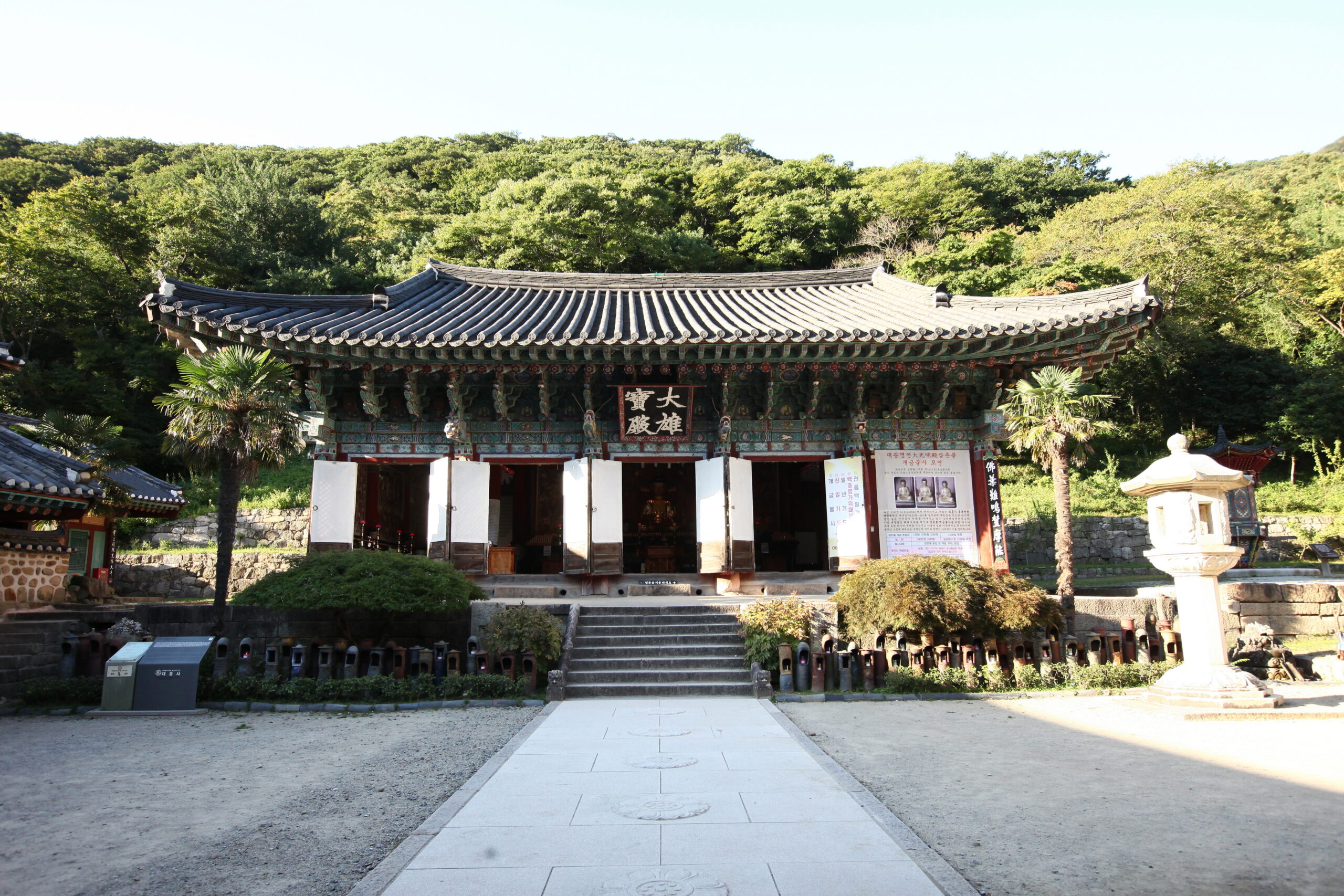
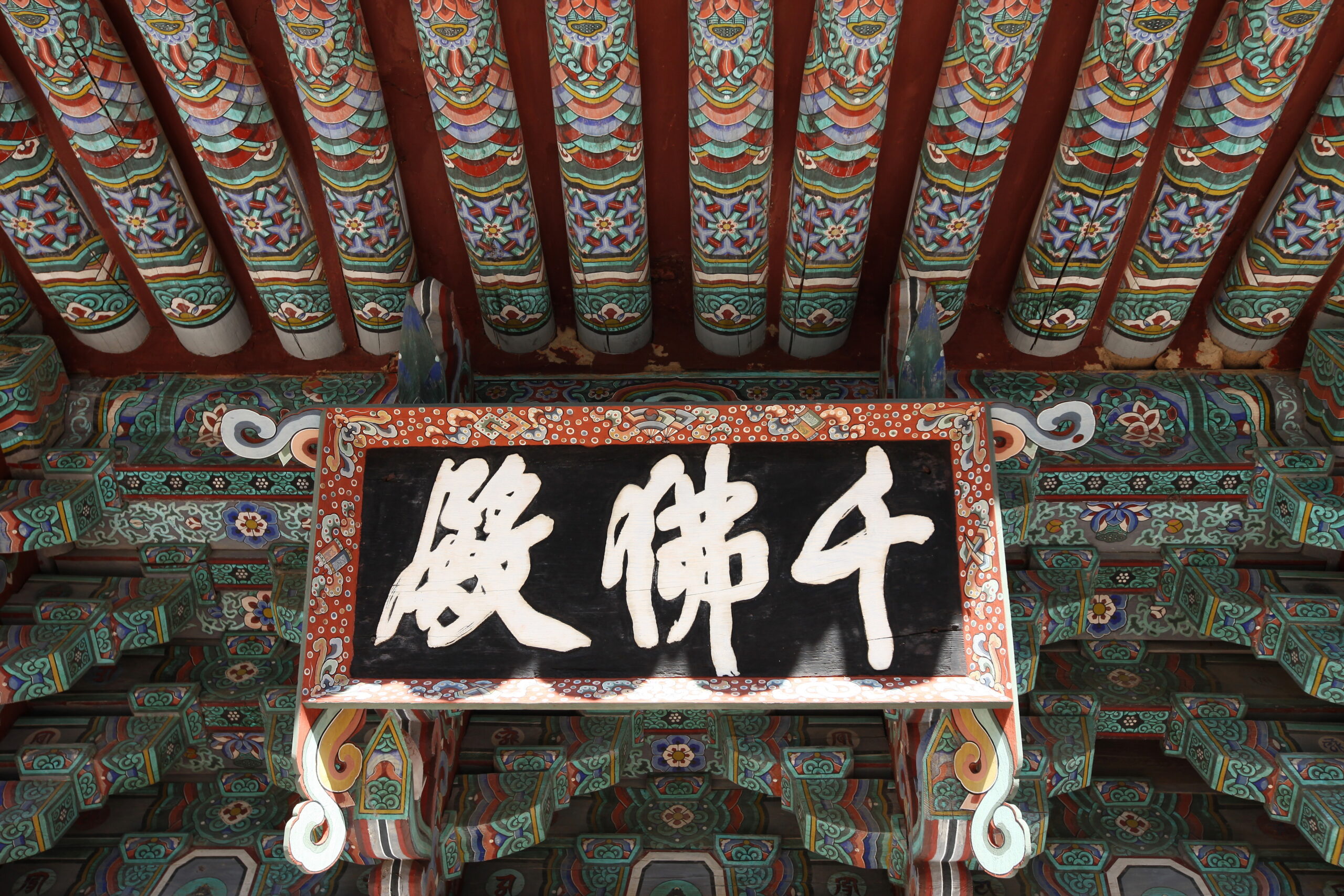
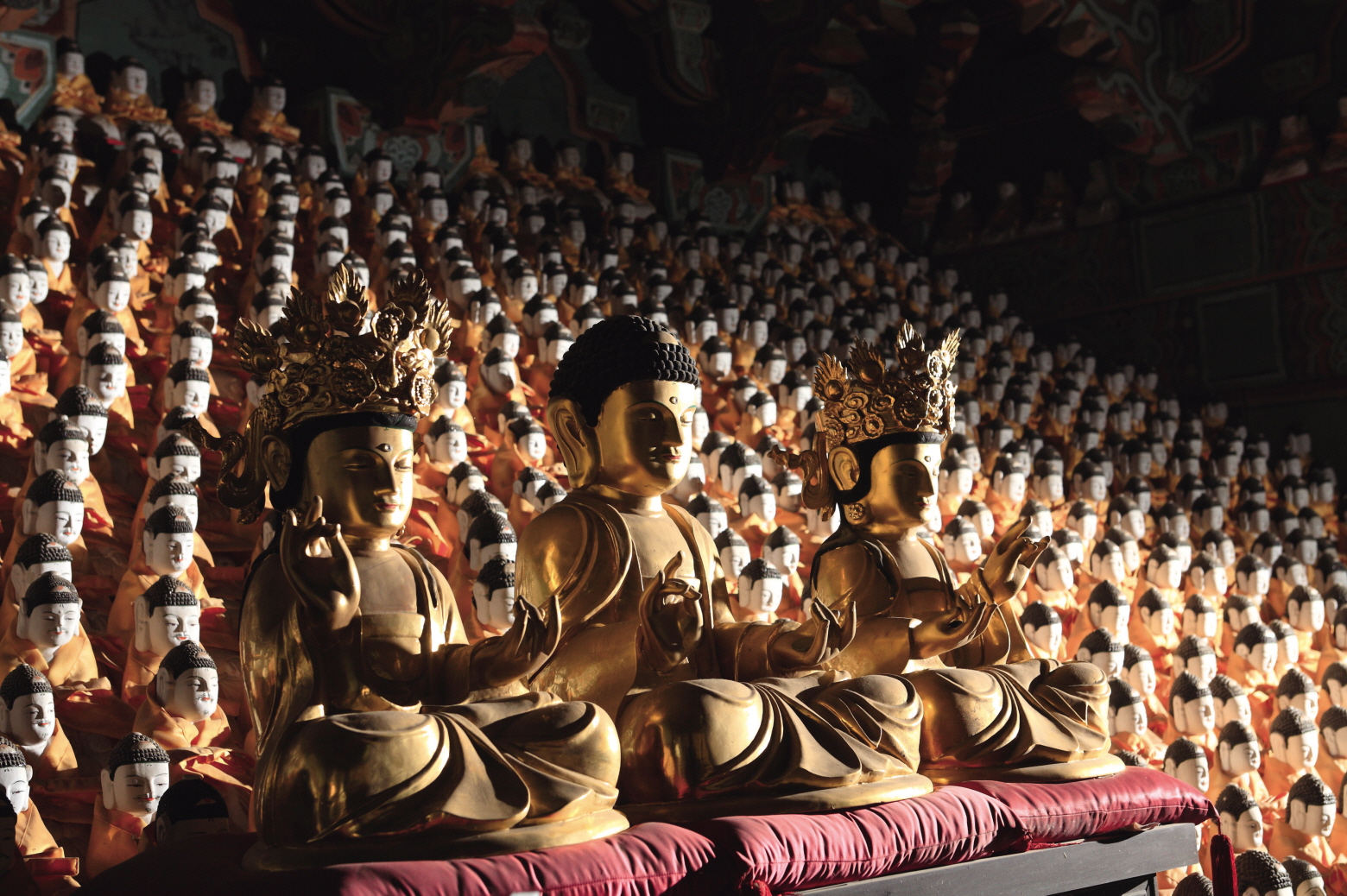
The Main Temple Complex
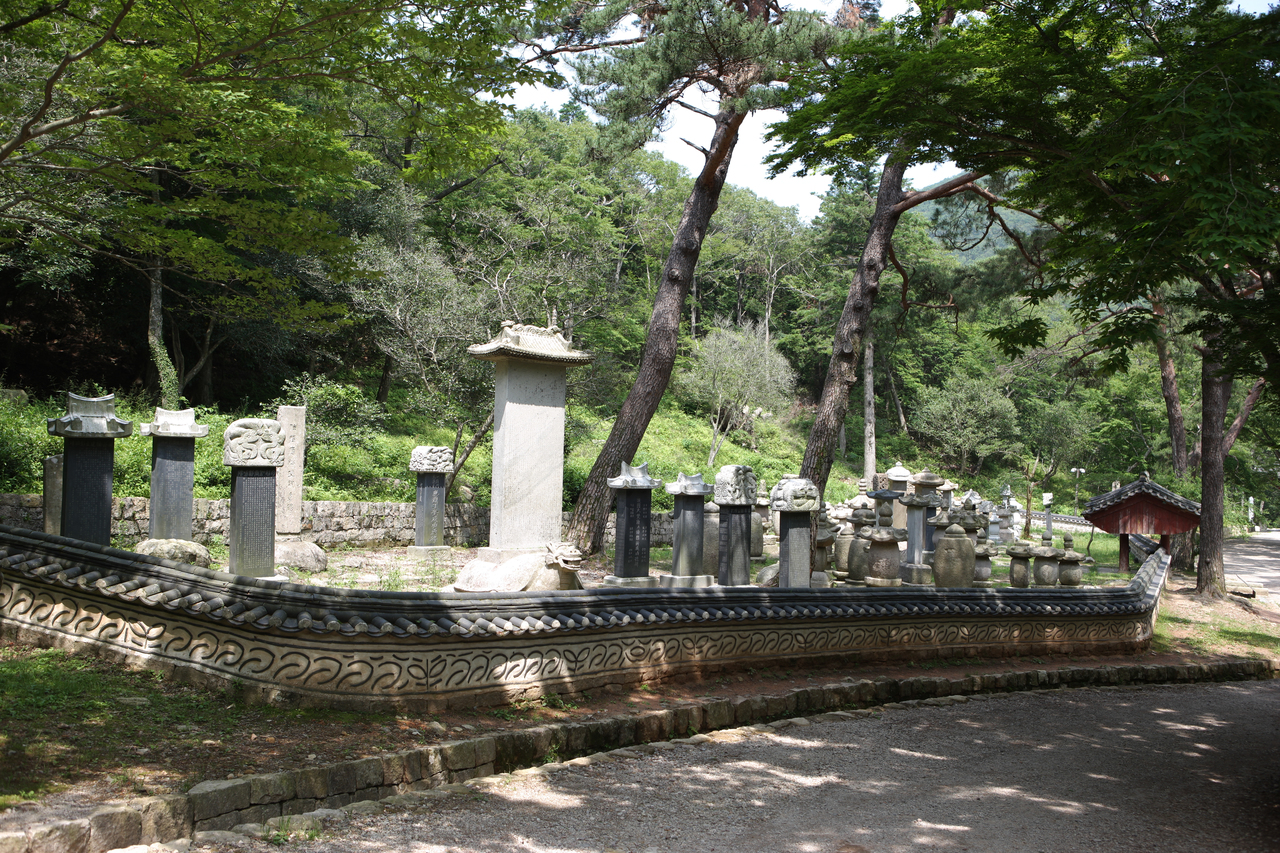
Daeheungsa feels different from many urban temples. Instead of being compressed into a small area, its halls are spread naturally throughout a broad mountain valley. Ancient trees, streams, and stone pathways create an atmosphere that feels deeply connected to the surrounding landscape.
Pyochungsa Shrine
For history enthusiasts, this is arguably the most important site within the temple grounds. The shrine connects visitors directly to the story of Seosan Daesa, the monk armies, and King Jeongjo’s recognition of their contributions.
Iljiam Hermitage
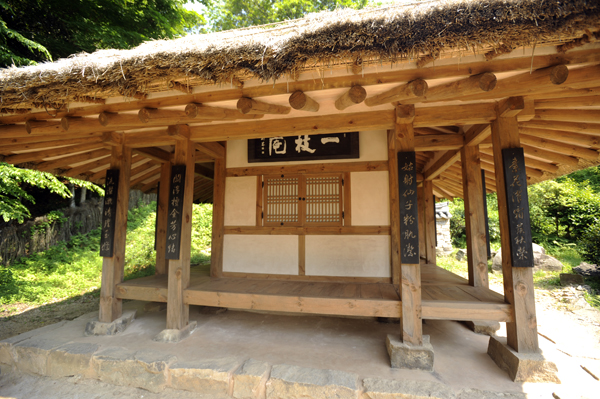
A short distance from the main temple lies Iljiam (일지암), where Choui Seonsa (초의선사) spent much of his life.
Known as the father of modern Korean tea culture, Choui helped revive tea traditions that remain influential today. Visitors interested in Korean tea culture often regard Iljiam as one of the most meaningful tea-related destinations in the country.
Duryunsan Mountain
Many locals say the ridgeline of Duryunsan resembles a reclining Buddha. Whether visitors see the resemblance or not, the mountain scenery is undeniably spectacular, particularly during spring blossoms and autumn foliage seasons.
Temple Stay Programs
Daeheungsa offers temple stay experiences that allow visitors to participate in meditation, chanting, tea conversations, and monastic routines. For travelers curious about Korean Buddhist culture, it provides a far deeper experience than a simple day trip.
How to Visit Daeheungsa
| Information | Details |
|---|---|
| Location | Haenam County, Jeollanam-do |
| UNESCO Status | Part of the Sansa World Heritage Site |
| Best Seasons | Spring and Autumn |
| Recommended Stay | Half-day to full-day visit |
| Nearby Attraction | Duryunsan Cable Car |
Getting There from Seoul
- Take KTX or SRT from Seoul to Mokpo Station (approximately 2.5 hours).
- Travel from Mokpo to Haenam by intercity bus.
- Use a local bus, taxi, or rental car to reach Daeheungsa.
Many travelers choose a taxi from Haenam because local bus schedules can be limited. Those driving will find parking facilities near the entrance area.
Allow extra time for the forest approach to the temple. Rushing through it misses one of the highlights of the entire experience.
📌 Local Note: Early mornings are particularly beautiful. The mountain mist often lingers among the trees, creating the kind of scenery that has inspired Korean Buddhist paintings and poetry for centuries.
Related Reading
If Daeheungsa sparks your interest in Korean Buddhism and temple culture, these guides provide valuable context:
- Why Korea Celebrates Buddha’s Birthday: A Local’s Guide
- Decoding the Path: A Traveler’s Guide to Korean Temple Layouts
- The Silent Soul of Korea: Buddhism, Society, and History
Daeheungsa is ultimately a place where several stories intersect. It is a UNESCO heritage site, a mountain sanctuary, a center of Korean tea culture, and a monument to one of Korea’s greatest Buddhist leaders. More importantly, it reminds visitors that Korean Buddhism was never simply a religion practiced behind temple walls. At critical moments in history, it became an active force in preserving both culture and country.
Korean Culture portal KCulture.com

Founder of Kculture.com and MA in Political Science. He shares deep academic and local insights to provide an authentic perspective on Korean history and society.