
Traveling in South Korea during its two major national holidays—Chuseok (Korean Thanksgiving) and Seollal (Lunar New Year)—requires a specific strategy: avoid cross-country transit, plan around holiday business closures, and stay in one major city. During these periods, intercity trains completely sell out, and highways face severe gridlock due to the “Great Migration” of locals visiting their hometowns.
As someone living in Korea, I regularly see international visitors panic when they realize they cannot buy a bullet train ticket or find an open restaurant for breakfast on the morning of a major holiday. For travelers, these festive seasons bring a unique combination of logistical challenges and incredible cultural opportunities. While long-distance travel becomes nearly impossible and many independent businesses close, major cities like Seoul transform into peaceful, traffic-free havens.
Whether you are planning a trip for the upcoming Chuseok in 2026 or a future Seollal holiday, this comprehensive guide details the reality of holiday transportation, exactly what is open and closed, the best cultural festivals to attend, and practical itineraries to help you survive and thrive during Korea’s biggest holidays.
- The Reality of Chuseok and Seollal Travel
- The Basecamp Strategy: How to Plan Your Itinerary
- What Is Open and Closed During Korean Holidays?
- The Best Things to Do: Seoul vs. Busan
- Survival Tips: Food, Shopping, and Essential Apps
- A Practical Holiday Itinerary for Foreign Travelers
The Reality of Chuseok and Seollal Travel
South Korea observes two massive traditional holidays based on the lunar calendar: Seollal (usually in January or February) and Chuseok (usually in September or October). During these times, millions of Korean families gather to share traditional food and honor their ancestors.
To understand the rhythm of these holidays, let us look at the upcoming Chuseok as an example. In 2026, Chuseok Day lands on Friday, September 25, creating a massive four-day weekend from Thursday, September 24 to Sunday, September 27. Regardless of the year, the holiday flow always follows the same pattern:
| Holiday Phase | What Travelers Should Expect |
|---|---|
| The Days Before (Holiday Eve) | Ideal target for completing your intercity travel. Train stations become extremely crowded, and major highways out of Seoul begin to clog. |
| The Actual Holiday (D-Day) | The greatest number of business closures (especially in the morning). Peak restrictions on intercity travel. Families are at home. |
| The Day After | Tourist attractions become very busy as families finish their traditional duties and go out for leisure. |
| The Return Rush | The massive return travel rush back to the capital begins. Long-distance transit on highways should be strictly avoided. |
The KTX and SRT Ticketing War
During “Minjok Daeidong” (the great migration of the nation), millions of people attempt to move between cities simultaneously. KTX and SRT high-speed trains (bookable via the KORAIL+ app) open their tickets about a month in advance and sell out in minutes. For foreign visitors, finding a last-minute seat from Seoul to southern cities like Busan or Gyeongju during the peak dates is practically impossible without sheer luck.
Express Buses and Highways Are Not an Escape
Assuming that you can simply switch from a train to an express bus or rental car is a common mistake. Tolls on expressways are often waived by the government during Seollal and Chuseok, encouraging even more road travel. A typical 2.5-hour drive from Seoul to Busan can easily stretch beyond 6 to 8 hours.
📌 Local Note: Unless your intercity train ticket is already confirmed and booked in advance, never build a holiday itinerary assuming you will secure transportation on the day of travel.
The Basecamp Strategy: How to Plan Your Itinerary
The smartest way to travel during Chuseok or Seollal is to choose one major city and explore it deeply. Moving to your next destination should only happen before the holiday rush begins or after the holiday officially concludes.
Strategy A: Seoul Before, During, and After
Arrive in Seoul before the holiday eve and postpone any trips to the southern provinces until the period is over. Seoul experiences a unique phenomenon during major holidays: millions of residents leave for the countryside, leaving the usually bustling capital surprisingly quiet, traffic-free, and highly pleasant for urban exploration.
Strategy B: Busan Before the Rush
If Busan is a priority, arrive early and remain there throughout the long weekend. This avoids the worst of the southbound migration. However, unlike Seoul, Busan remains a major domestic holiday destination. Areas like Haeundae Beach (해운대해수욕장) and Gwangalli Beach (광안리해수욕장) will remain incredibly busy with local vacationers taking advantage of the long weekend.
Strategy C: The Strategic Pause
If your itinerary absolutely must include multiple cities, designate the 3 to 4 days of the holiday as a strict “stay put” period. Travel extensively before the holiday, explore your basecamp city deeply while the country celebrates, and then resume cross-country movement once the locals return to work.
What Is Open and Closed During Korean Holidays?
Online advice often claims that “everything closes in Korea during the holidays.” While this used to be true, it is no longer accurate for major cities. However, assuming everything operates normally is a recipe for frustration. The most critical time is the morning of the actual holiday (Chuseok or Seollal Day), when families gather for ancestral rites (Charye). Before noon, many streets will feel like a ghost town.
| Type of Business | What to Expect During the Holidays |
|---|---|
| Independent Restaurants & Cafes | High likelihood of closure on the main holiday, especially in the morning. Many open late in the afternoon or the next day. |
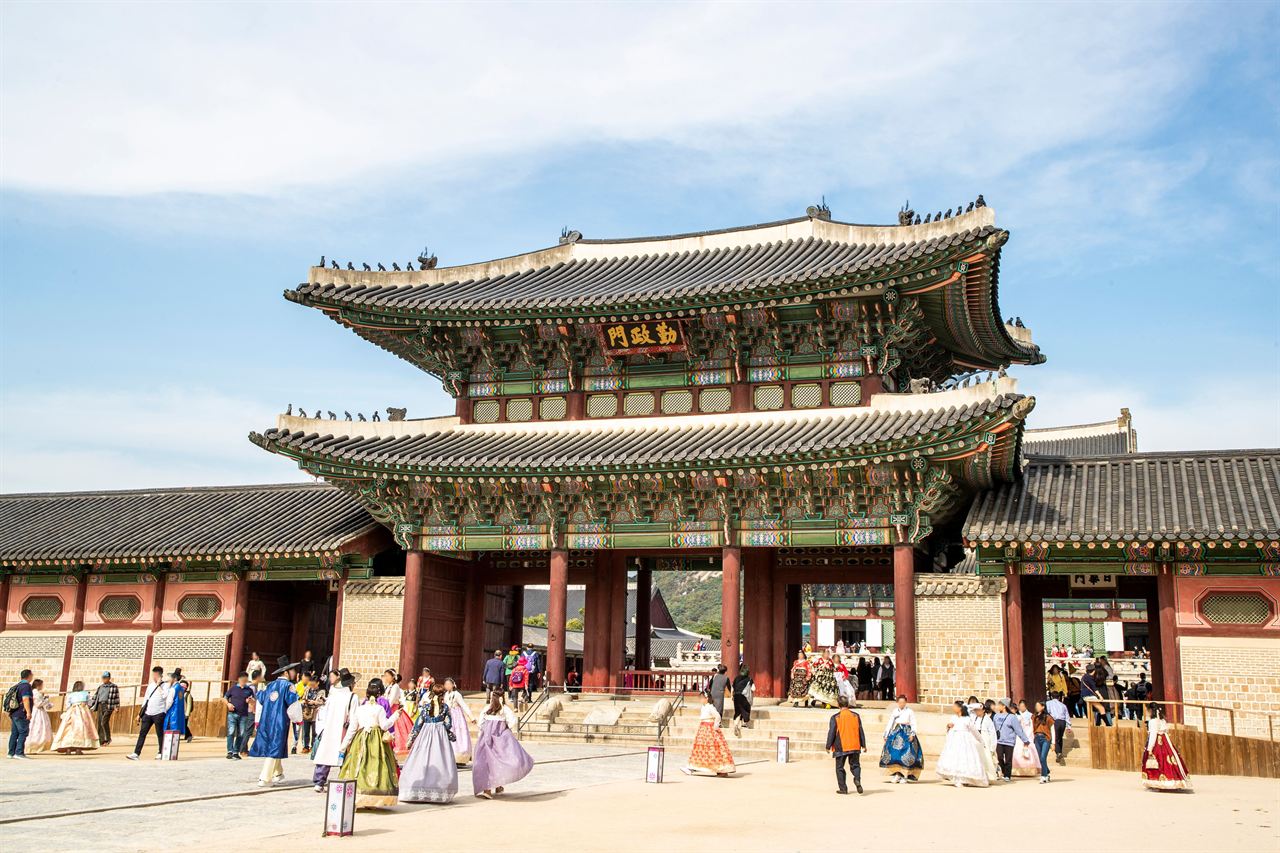
| Major Tourist Attractions | Palaces and museums generally remain open, often offering free entry or special traditional events. |
| Department Stores & Malls | Closures or shortened hours are very common. Individual branches vary by company policy. |
| Convenience Stores | The ultimate lifesaver. Open 24/7 for food, drinks, and basic daily necessities. |
| Hotels & International Franchises | Operate normally, making them the safest bet for dining on the actual holiday morning. |
| Medical Clinics | Neighborhood clinics close entirely. Major general hospital ERs remain open. |
The Best Things to Do: Seoul vs. Busan
Korean holidays are the best times to experience traditional culture firsthand. Instead of worrying about closed boutiques, focus on the rich cultural heritage available.
Exploring a Quiet Seoul
- Free Royal Palaces: Gyeongbokgung Palace (경복궁) and Changdeokgung Palace (창덕궁) typically waive admission fees during Seollal and Chuseok. It is an excellent time for photography. If you wish to see restricted areas, read How to Book Changdeokgung Secret Garden & Jongmyo Online well in advance.
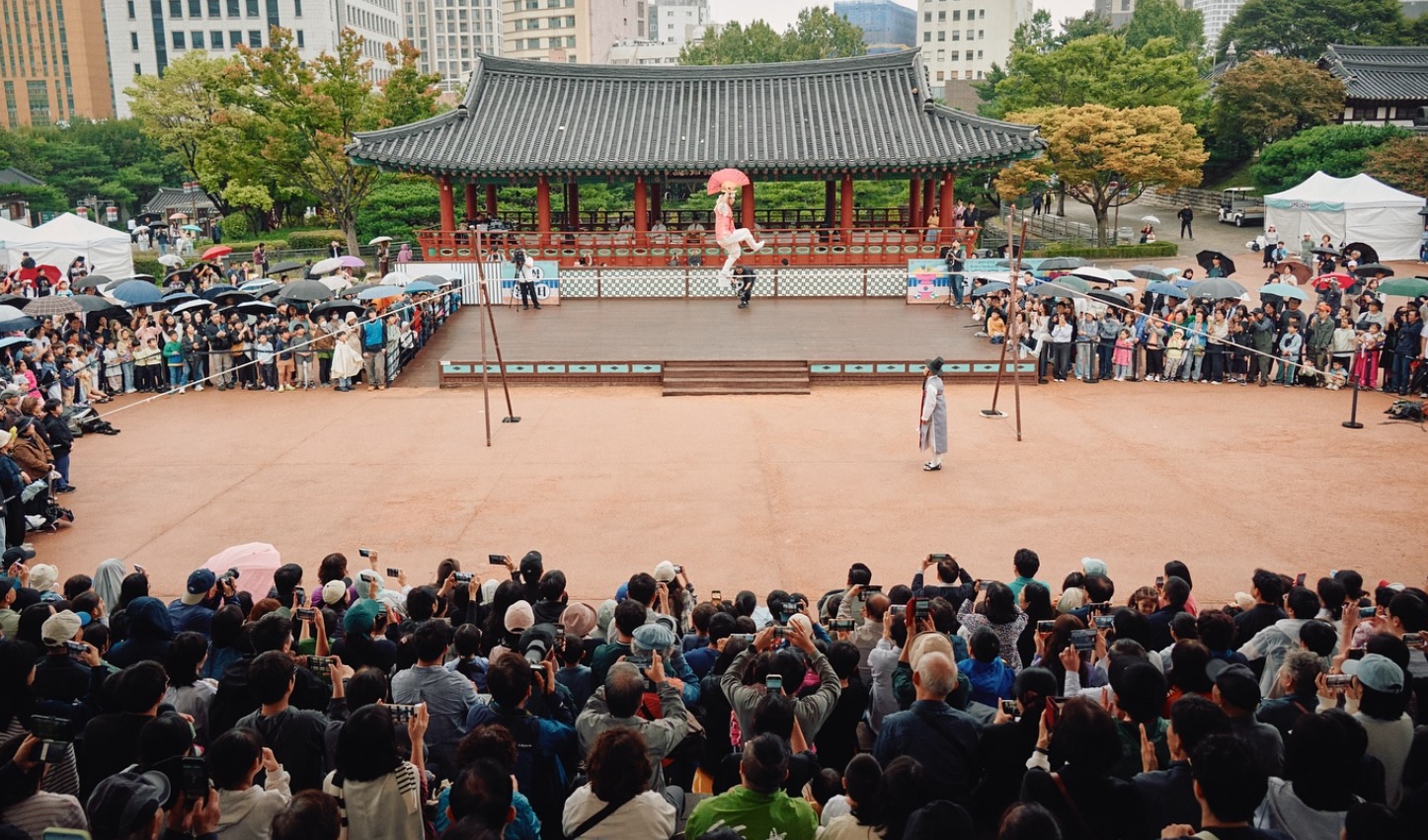
- Traditional Festivals: Namsangol Hanok Village (남산골한옥마을) hosts massive seasonal festivals featuring traditional performances, folk games like Yutnori, and craft experiences throughout the holiday weekends.
- Urban Walking: Enjoy a peaceful stroll along the Cheonggyecheon Stream (청계천) or through Bukchon Hanok Village (북촌한옥마을), which are usually packed with office workers on regular days.
Enjoying the Coastal Vibes of Busan
If based in Busan, the city offers vibrant coastal energy. Visitors can enjoy fresh seafood at Jagalchi Market (자갈치시장) or explore Gamcheon Culture Village (감천문화마을). Special events, such as drone light shows over the beaches, often hold special holiday-themed performances for domestic tourists.
Survival Tips: Food, Shopping, and Essential Apps
1. Prepare Breakfast the Night Before
Do not wake up on the morning of Chuseok or Seollal expecting a street full of open breakfast spots. Purchase bakery items, fresh fruit, or yogurts from a convenience store the evening before to avoid a frustrating morning.
2. The Map App Betrayal
Google Maps is notoriously unreliable for live business hours in Korea, especially during national holidays. Travelers must use Naver Map or KakaoMap. Always verify a restaurant’s holiday notice on the app, and if possible, call ahead before walking there. For a complete digital toolkit, download the Must-Have Apps for South Korea Travel.
3. Shopping Strategy
Do all serious shopping before or after the holiday period. If you plan to buy clothes or unique items, consult our guides on Clothes Shopping in South Korea and the Best Korean Souvenirs to plan your retail itinerary around department store closures.
4. Emergency Medical Information
Most local clinics close for the holiday. Basic medicine (Tylenol, digestion pills, cold medicine) can be bought at convenience stores. For emergencies, dial 119 (ambulance) or 1330 (Korea Travel Helpline), both of which offer foreign language interpretation. Review the South Korea Health Insurance Guide for comprehensive medical preparation.
A Practical Holiday Itinerary for Foreign Travelers
To summarize, here is a highly recommended, stress-free itinerary framework for first-time visitors during any major Korean holiday (using a standard 4-day weekend format):
- The Days Before: Arrive in Korea, handle any necessary intercity travel, and settle into your basecamp city.
- Holiday Eve: Visit historic neighborhoods and secure food supplies for the next morning.
- The Actual Holiday (D-Day): Enjoy a quiet morning walk, visit the Royal Palaces (free entry), and attend traditional folk festivals in the afternoon. Dine at a hotel restaurant or in expat-heavy districts like Itaewon (이태원).
- The Day After: Explore outdoor attractions like Namsan Seoul Tower or the Han River parks. Continue avoiding intercity transit as locals travel back home.
- The Return to Normalcy: Resume cross-country travel safely as the local population returns to work and train schedules normalize.
💡 Pro Tip: Do not view Chuseok or Seollal purely as a logistical obstacle. By adjusting expectations and focusing on what is available—quieter streets, traditional celebrations, and a slower rhythm—travelers can experience a deeply authentic side of Korea that ordinary tourists rarely witness.
Before flying into a holiday season, ensure all your logistical and entry requirements are met. Check out these essential resources to guarantee a smooth arrival:
- Korea e-Arrival Card Guide: Mandatory Steps for Travelers
- South Korea Quarantine Guide: Q-Code vs. Paper Forms
- Korea Flight Fuel Surcharge: How to Save on Airfare
- Incheon Airport Transfer Guide: Surviving a Seoul Layover

The KCulture Editorial Team is dedicated to providing deep insights and accurate information about the vibrant world of Korean culture.