The Tragic Truth of the Jeju 4.3 Incident History: Uncovering Korea’s Hidden Sorrow
The Jeju 4.3 Incident was a tragic and prolonged period of state-sponsored violence on Jeju Island between 1947 and 1954, where an estimated 30,000 innocent civilians—nearly 10% of the island’s population—were systematically massacred under the guise of anti-communist suppression. As someone living in Korea, I often see travelers marvel at Jeju’s breathtaking beaches and volcanic landscapes, completely unaware of the deep, painful scars buried beneath its soil. If you truly want to understand Korea, you must look beyond the beautiful vacation facade and acknowledge the agonizing history that shaped this island.
In this guide, we will walk through the harrowing timeline of the Jeju 4.3 Incident history, exploring how post-war chaos, distorted ideologies, and state violence led to the deaths of tens of thousands. We will also look at the connected Yeosu-Suncheon Incident, highly recommended films to deepen your understanding, and significant memorial sites you can visit to pay your respects.
- The Background: Post-Liberation Chaos and the Spark
- The April 3 Uprising and the May 10 Elections
- The Northwest Youth League and the Scorched Earth Policy
- The Yeosu-Suncheon 10.19 Incident: A Refusal to Kill
- Truth, Reconciliation, and Honoring the Victims
- Remembering the Tragedy: Films, Literature, and Dark Tourism Sites
The Background: Post-Liberation Chaos and the Spark
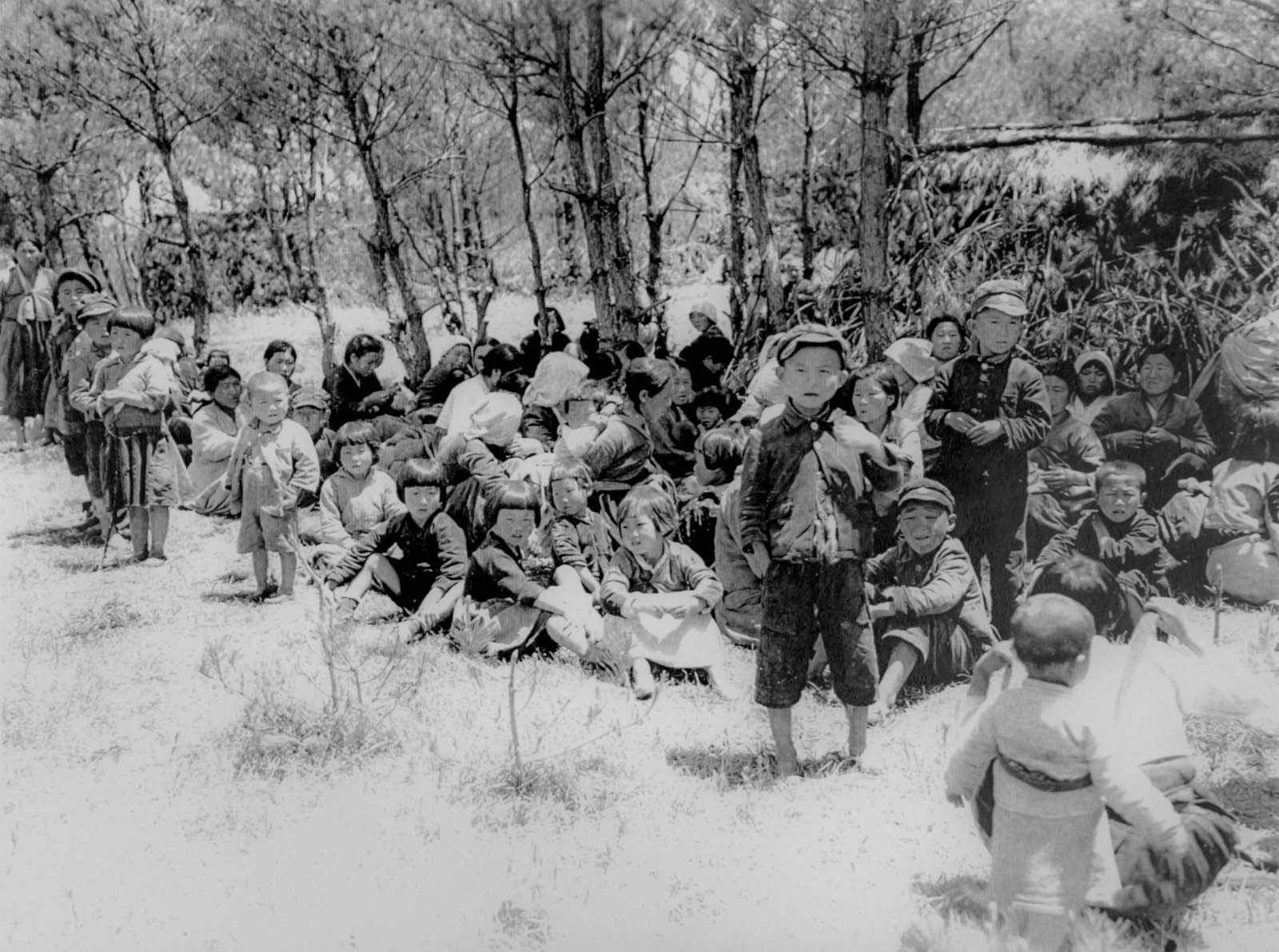
To grasp the Jeju 4.3 Incident history, we have to travel back to 1945. World War II had just ended, and Korea was finally liberated from brutal Japanese colonial rule. However, liberation did not bring immediate peace, as an independent Republic of Korea government had not yet been established. The Korean peninsula was swiftly divided along the 38th parallel: the North was occupied by Soviet forces, while the South fell under the administration of the United States Army Military Government in Korea (USAMGIK). During this turbulent transitional period, South Korea was a melting pot of diverse political ideologies, with people’s beliefs ranging from extreme right-wing nationalism to moderate centrism and left-wing socialism, all fiercely debating the future of their newly freed nation.
During this time, Jeju Island was drowning in socio-economic despair. Over 60,000 people had returned to the island from overseas, leading to severe unemployment. Famine, a devastating cholera outbreak, and a severe shortage of basic goods pushed the locals to their breaking point. To make matters worse, the US Military Government reinstated former pro-Japanese police officers to maintain order. For the locals who had suffered under Japanese rule, seeing their former oppressors put back in uniform was an unbearable insult.
The March 1st Shooting: The Point of No Return
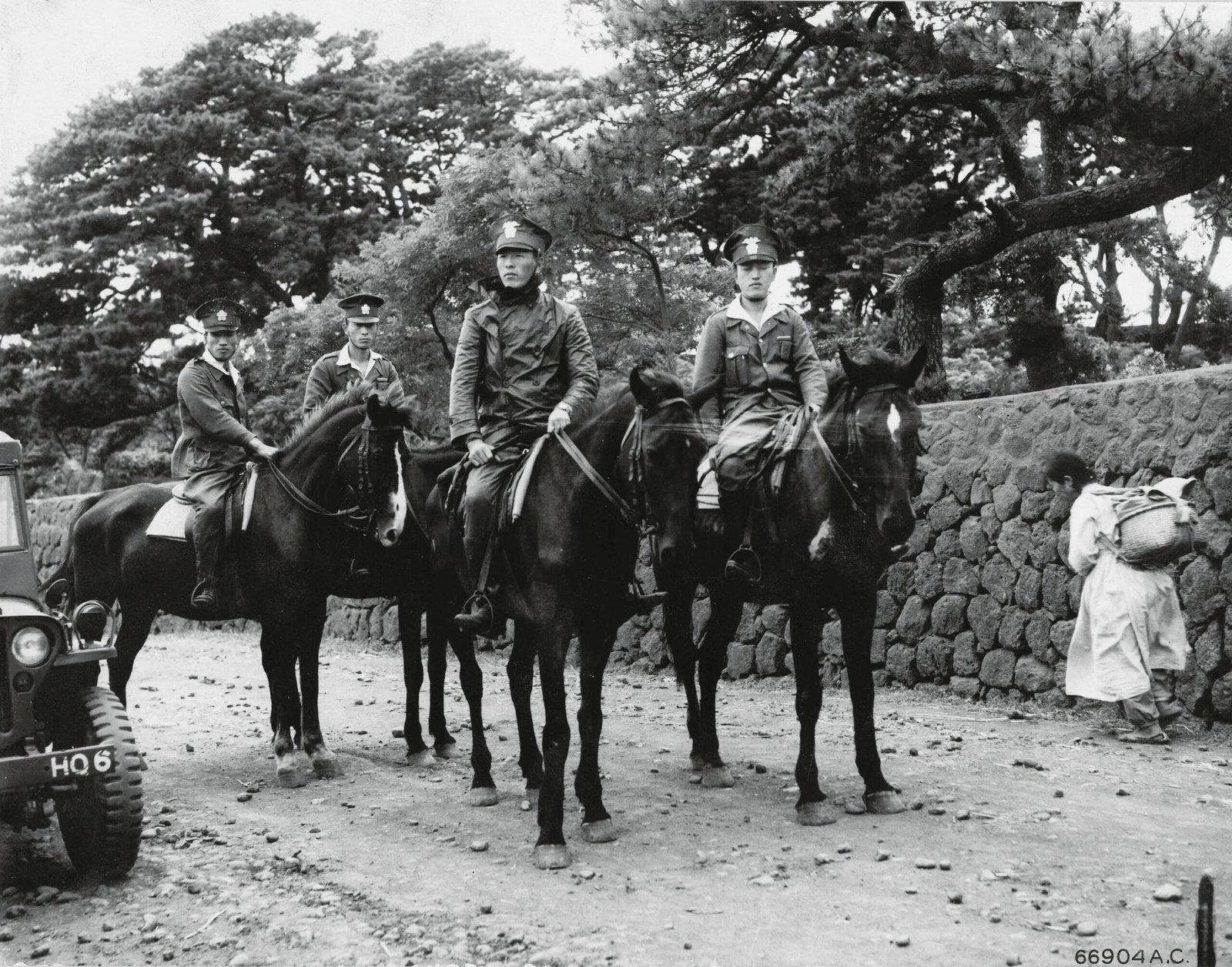
The powder keg finally ignited on March 1, 1947, during a peaceful rally commemorating the Korean independence movement. In the crowded square, a police horse accidentally struck and injured a young child. When the police ignored the injured child and tried to ride away, the furious crowd surged forward, throwing stones. Panicking, armed police fired directly into the unarmed crowd, killing six civilians, including a nursing mother.
Outraged by the unprovoked killings, Jeju launched an unprecedented general strike on March 10. A staggering 95% of the island’s workforce—including schools, government offices, and even some local police—refused to work. Instead of addressing the grievances, the US Military Government labeled the strike as a “communist rebellion” and painted Jeju as a “Red Island.” They deployed mainland police and extreme right-wing paramilitary groups to crush the dissent, marking the beginning of a relentless campaign of terror.
The April 3 Uprising and the May 10 Elections
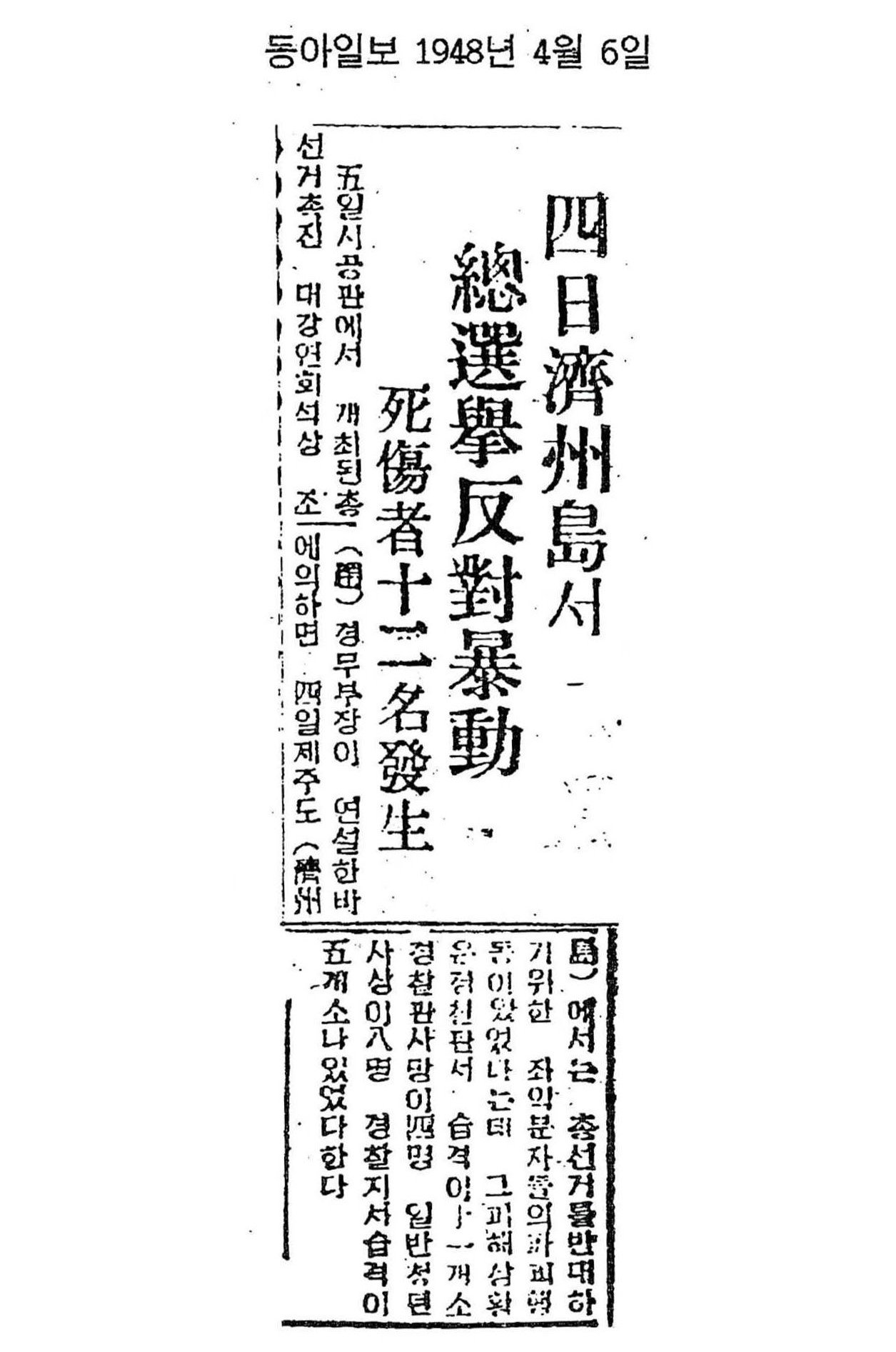
Driven into a corner by extreme police brutality, about 350 armed members of the South Korean Labor Party’s Jeju branch (남조선노동당 제주도당) launched a coordinated uprising in the early hours of April 3, 1948. They targeted and attacked 12 police substations and various right-wing youth groups across the island.
To understand the political landscape of the time, it is helpful to note the distinction between the Workers’ Party of Korea (조선노동당) and the South Korean Labor Party (남조선노동당). While the Workers’ Party of Korea eventually became the ruling communist party in the North under Soviet influence, the South Korean Labor Party was a separate socialist political organization operating within the US-occupied South. They advocated for labor rights and strongly opposed the US military government’s policies before eventually being outlawed.
The demands of the armed uprising on Jeju were clear: an immediate end to the police crackdowns and fierce opposition to the upcoming May 10 separate elections. In 1948, the UN had resolved to hold elections only in the southern half of the peninsula. Many Korean nationalists, including prominent independence fighters, vehemently opposed this, knowing it would permanently cement the division of North and South Korea. Because of the fierce resistance and widespread boycotts by the islanders, Jeju was the only region in the entire country where the May 10 elections were invalidated. This humiliating political blow deeply angered the newly established Syngman Rhee government and the US military authorities, painting a massive target on the backs of all Jeju citizens.
The Northwest Youth League and the Scorched Earth Policy
To crush the “rebellious island,” the government authorized brutal suppression tactics. The most notorious perpetrators of this violence were the members of the Northwest Youth League. This was an extreme right-wing paramilitary group made up of young men who had fled North Korea after losing their land and wealth to Soviet-backed socialist reforms. They harbored a blind, fanatical hatred for anyone remotely associated with communism.
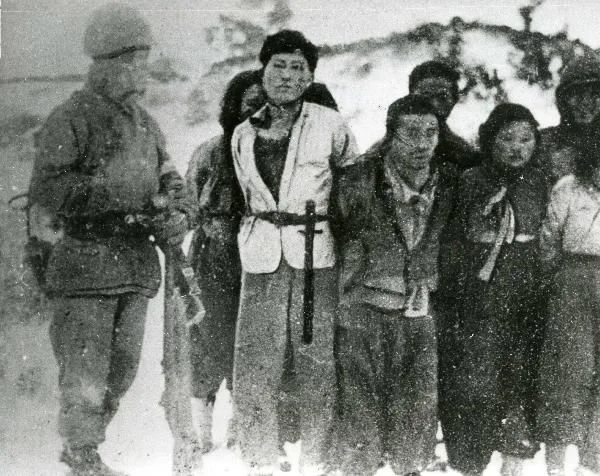
Given unchecked power by the state, the Northwest Youth League terrorized Jeju. They extorted food, tortured innocent farmers, forced women into marriages, and executed anyone who dared to complain, conveniently labeling them “commies.” Their unchecked atrocities forced thousands of terrified, innocent villagers to flee into the treacherous mountains just to survive.
The Massacre: A License to Kill
The violence reached its horrific peak between November 1948 and February 1949 with the implementation of the “Scorched Earth” policy. Martial law was declared, and a chilling decree was issued: Anyone found in the mid-mountain regions more than 5 kilometers from the coastline would be considered a rioter and shot on sight.
State forces and right-wing militias swept through the mountains, burning down approximately 30% of Jeju’s villages. They indiscriminately slaughtered men, women, children, and the elderly. Those hiding in freezing caves died of starvation, the brutal winter cold, or a bullet. Later, when the Korean War broke out in 1950, the government conducted “preventive detentions,” rounding up anyone suspected of having prior links to the 4.3 Incident and executing them in mass graves without trial.
📌 Local Note: The Chains of Guilt by Association
The trauma didn’t end when the guns stopped in 1954. For decades, survivors were chained by a cruel “guilt by association” system (Yeonjwaje). If you had a family member who was killed or accused during the 4.3 Incident, you were blacklisted from government jobs, military promotions, and even international travel. Generations lived in absolute silence, too terrified to even mourn their dead parents publicly.
The Yeosu-Suncheon 10.19 Incident: A Refusal to Kill
The tragedy of Jeju spilled over the sea to the mainland, resulting in what was historically known as the “Yeosun Rebellion,” but is now correctly reassessed as the Yeosu-Suncheon 10.19 Incident.
On October 19, 1948, soldiers of the 14th Regiment stationed in Yeosu (여수) received deployment orders to travel to Jeju and suppress the “riots.” However, soldiers led by left-wing sympathizers mutinied, declaring, “We cannot point our guns at the hearts of our fellow countrymen.” They refused the order to massacre Jeju civilians and seized control of Yeosu and Suncheon (순천).
The government immediately branded this a massive communist insurgency. With logistical support from the US military, state forces brutally crushed the mutiny. In the bloody aftermath, the government enacted the infamous National Security Act—a sweeping law used for decades to silence political opposition under the guise of hunting communists. Today, truth commissions are finally acknowledging that the Yeosun Incident was not merely a rebellion, but a tragic consequence of soldiers refusing unjust orders to commit state violence against civilians.
Truth, Reconciliation, and Honoring the Victims
For nearly half a century under military dictatorships, speaking about the Jeju 4.3 Incident was strictly forbidden. It wasn’t until the late 1980s democratization movement that brave locals, activists, and journalists began unearthing the truth.
- 2000: The Special Act for Discovering the Truth of the Jeju 4.3 Incident and the Restoration of Honor of Victims was enacted.
- 2003: The South Korean government released an official investigation report. President Roh Moo-hyun became the first head of state to officially apologize for the illegal exercise of state power.
- 2014: April 3rd was officially designated as a National Memorial Day.
- Present Day: Through amended laws, the state has finally begun paying compensation to the victims’ families. Furthermore, historic retrials are overturning the unjust military court convictions from 70 years ago, declaring the victims innocent and restoring their dignity.
Remembering the Tragedy: Films, Literature, and Dark Tourism Sites
If you wish to look deeper into the heart of this historical wound, I highly recommend watching these films, exploring essential literature, and visiting the memorial sites when you travel to Jeju.
Must-Read Literature
- We Do Not Part (작별하지 않는다) by Han Kang (한강): Written by South Korea’s first Nobel Laureate in Literature, this profoundly moving novel explores the generational trauma of the Jeju 4.3 Incident. Through the intertwined lives and memories of three women, it delves into the enduring grief and the agonizing process of unearthing the island’s suppressed history. It is a masterful, poetic tribute to the victims and an essential read to truly grasp the emotional weight of the tragedy.
Must-Watch Films and Documentaries
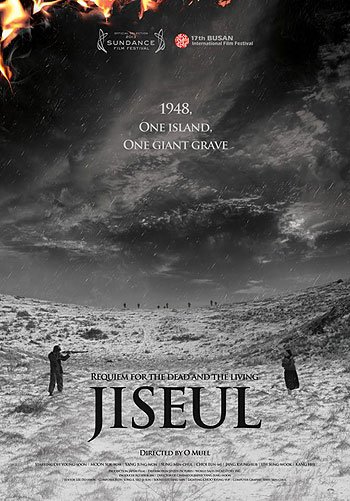
- Jiseul (2012): A beautifully bleak, award-winning indie film shot in black and white. It follows the desperate struggle of villagers hiding in a cave to survive the Scorched Earth decree. (Available on Watcha)
- Soup and Ideology (2021): A profoundly moving documentary by a Zainichi Korean director. It explores her mother’s lifelong secret as a Jeju 4.3 survivor and how food and family bridge deep ideological divides. (Available on TVING, Watcha, Wavve)
- Fake Grave (2020): A poignant short film about a man who maintains a fake grave for his father, whose body was never found after the massacre. (Available on Watcha)
Significant Dark Tourism Sites in Jeju
| Location | Historical Significance |
|---|---|
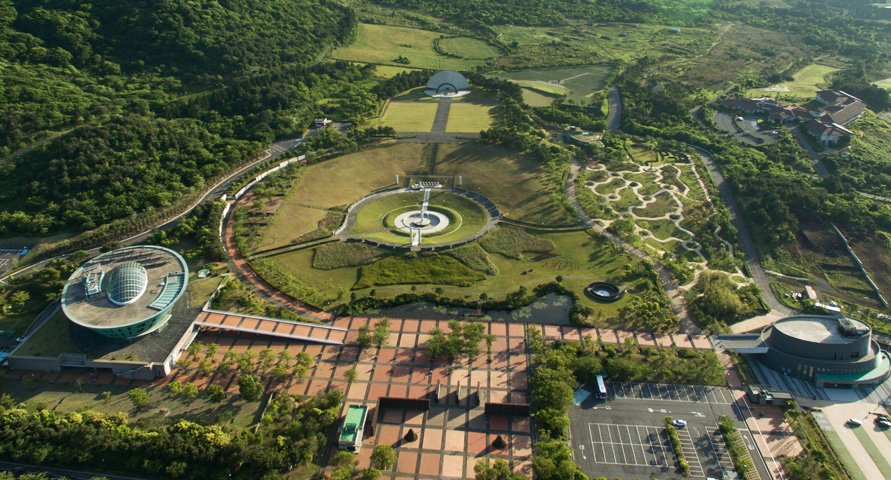
| Jeju 4.3 Peace Park (제주 4.3 평화공원) | The most comprehensive memorial space. It features an incredible museum detailing the entire history, a wall of names, and a memorial altar. It provides excellent English translations. |
| Bukchon Neobeunsungi 4.3 Memorial Hall (북촌 너븐숭이 4.3 기념관) | The site of the largest single-village massacre, where nearly 400 people were killed in a day. The heart-wrenching “baby graves” (small piles of rocks for the murdered infants) starkly convey the tragedy. |
| Seodal Oreum Massacre Site (섯알오름 학살터) | A site of mass execution during the 1950 preventive detentions. Located near the Alddeur Airfield (a remnant of Japanese colonialism), highlighting layers of Jeju’s painful modern history. |
| Darangshi Cave (다랑쉬굴) | Where 11 innocent villagers hiding from state forces suffocated to death after militia lit a fire at the cave’s entrance. The discovery of their uncorrupted remains in 1992 shocked the nation and accelerated the truth movement. |
The next time you hike the lush trails of Hallasan or watch the sunset over Jeju’s pristine waters, take a moment to remember the resilience of the islanders. The beauty of Jeju today was built upon the profound tears and ultimate healing of its people. Let their history be a reminder of the vital importance of peace and human rights.
Korean Culture portal KCulture.com
Founder of Kculture.com and MA in Political Science. He shares deep academic and local insights to provide an authentic perspective on Korean history and society.