Hangeul Day Beyond Korean: How Its Letters Preserve Voices
The story of Hangeul Day goes beyond Korean. For centuries, Korean scribes used the alphabet to record the sounds of other languages, leaving clues that help scholars reconstruct speech from the past. Today, it can also help communities document their own languages—although keeping one alive takes far more than choosing an alphabet. Celebrated on October 9, Hangeul Day offers a surprisingly global story.
Imagine hearing a visitor say a word you have never heard before. You write it down as carefully as you can. Five hundred years later, someone finds your note and realizes that it contains a sound their own records no longer capture. That is roughly the kind of second life some Hangeul transcriptions have acquired.
- Hangeul Day Beyond Korean
- The Ryukyuan Voices in a Joseon Book
- What Joseon Language Textbooks Can Tell Us
- Can Hangeul Help an Endangered Language?
- A Shared Heritage of Human Voices
Hangeul Day Beyond Korean
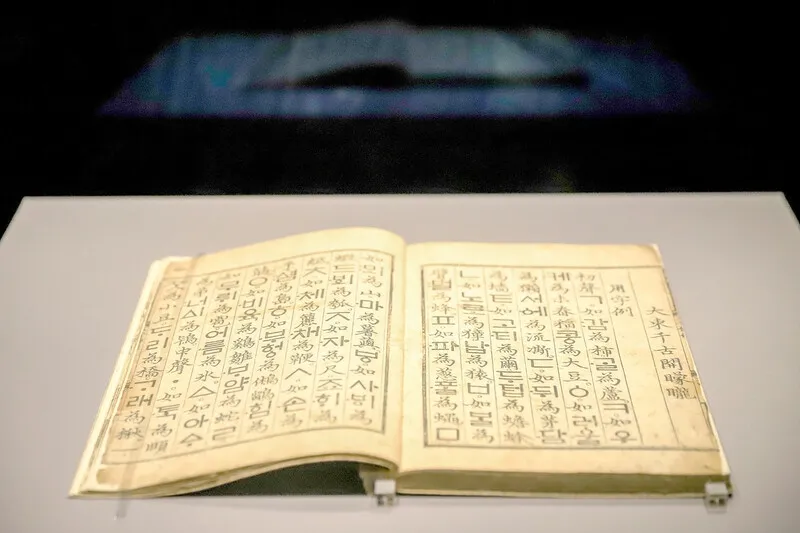
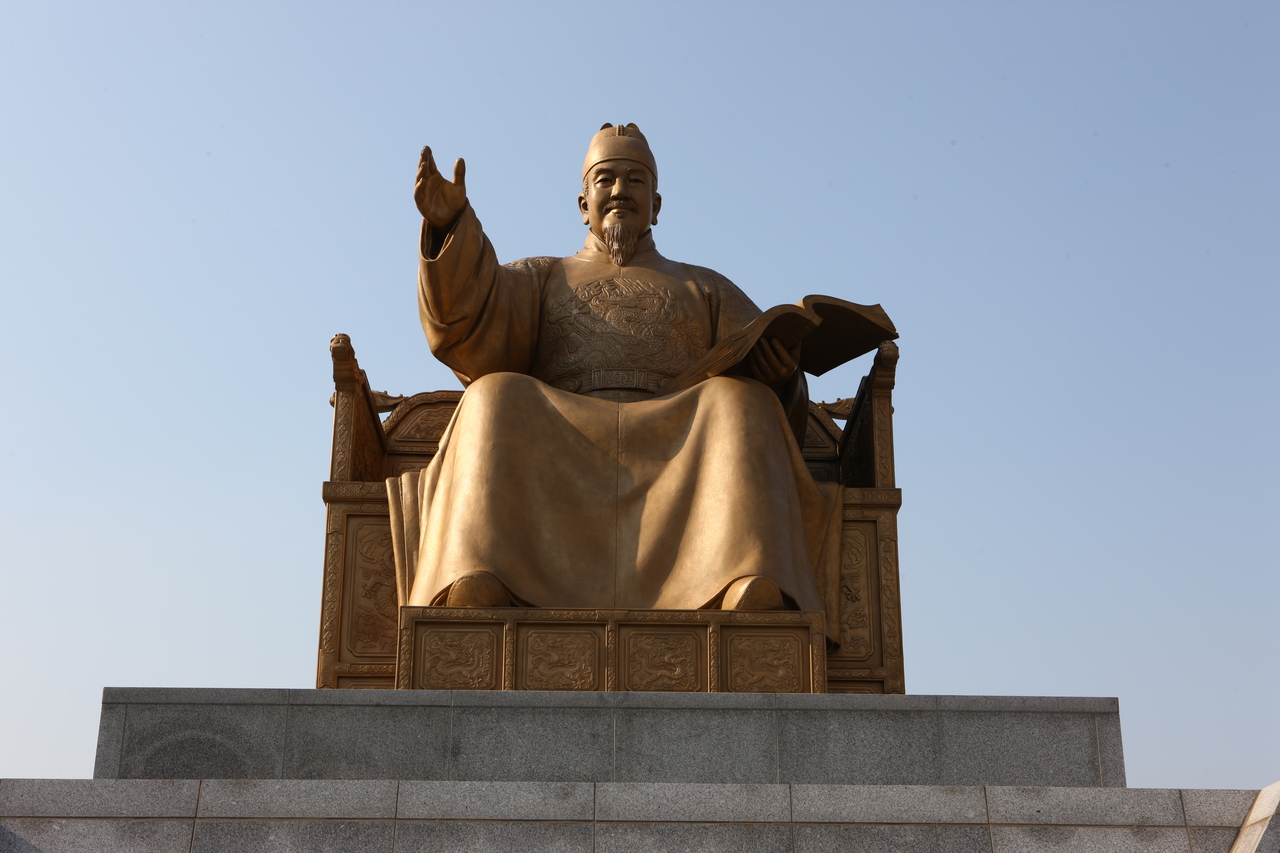
King Sejong created the writing system originally called Hunminjeongeum in 1443, and its explanatory book was published in 1446. The National Hangeul Museum describes an alphabet designed so people could express themselves in writing. Its letters were organized with close attention to speech sounds. That design made Hangeul useful for a second, less celebrated task: writing down how foreign words sounded to Korean ears.
Joseon’s interpreters needed Chinese, Japanese, Mongolian, and Manchu for diplomacy and practical exchange. They compiled lessons and glossaries, often adding Hangeul pronunciation beside unfamiliar words. They were teaching other Koreans to speak, not preparing an archive for future linguists. Yet that is what some of their books became.
The unexpected gift of these records is a sound written for someone who could not hear it firsthand.
The Ryukyuan Voices in a Joseon Book
The most striking example began with visitors from the Ryukyu Kingdom, centered in what is now Okinawa. In 1501, officials in Joseon questioned Ryukyuan envoys about their homeland. A short section called Eoeum Beonyeok later appeared in the surviving 1512 edition of Haedong Jegukgi. It presents Chinese sentences and corresponding Ryukyuan expressions written in Hangeul. The Academy of Korean Studies’ account describes a record of only about three pages. It was a transcription of visitors’ speech, rather than a classroom textbook.
Three pages may sound too slight to matter. But a few spellings can preserve distinctions that later writing obscures. In a 2018 study, linguist Cho Dae-ha compared the Hangeul record with a Ryukyuan source written using Chinese characters. Together, he argues, they offer evidence for a central vowel in fifteenth- and sixteenth-century Ryukyuan. The precise reconstruction is a scholarly interpretation, built by comparing records rather than by treating a Joseon spelling as a recording.
There is a lovely reversal here: the same pages help scholars ask how Ryukyuan sounded and what an old Korean letter may have sounded like. A conversation meant for an official inquiry became a small window into two linguistic histories.
What Joseon Language Textbooks Can Tell Us
Other clues were left in books used by interpreters. A Chinese conversation textbook, Nogeoldae, was revised over the centuries. Comparing the Hangeul pronunciation notes in versions from the early sixteenth and late eighteenth centuries, researchers Jang Hyo-man and An Mal-suk examined changes in Chinese pronunciation across the Ming and Qing periods. Imagine finding two editions of an old phrasebook whose spelling guides no longer agree: the differences invite a question about how speech changed in between.
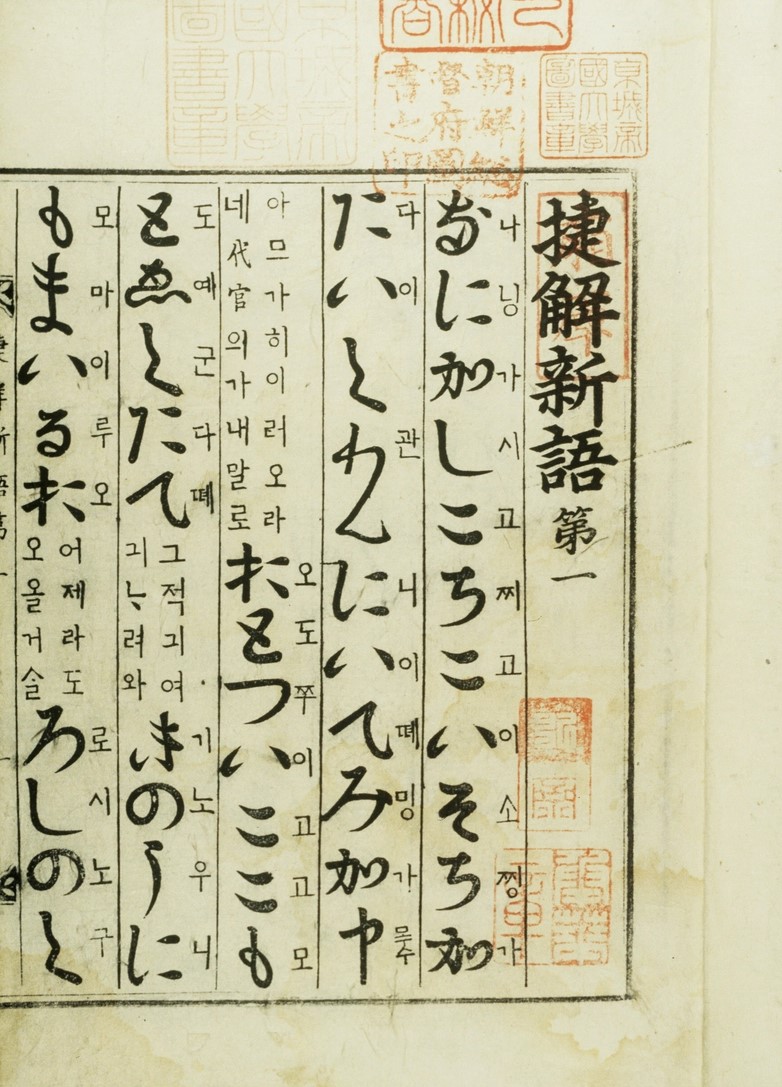
Japanese provides another angle. Cheophae Sineo, printed in 1676, set Japanese written in hiragana beside small Hangeul pronunciation notes and Korean explanations. Its dialogues included situations such as trade, official reception, and travel. Scholar Lee Dong-ug studied this book and later editions, along with Wae-eo Yuhae, for evidence of how Japanese sounds represented by ji, di, zu, and du became confused. He also cautions that revisions could reflect what editors thought learners should say. A spelling is a clue, not a time machine.
Records of Mongolian and Manchu widen the picture. The Mongolian glossary Mong-eo Yuhae was first published in 1768; a revised 1790 edition survives and uses additional marks in its Hangeul transcriptions. In the 1748 Manchu glossary Dongmun Yuhae, linguist Go Dong-ho found carefully marked Hangeul spellings and compared them with earlier Manchu dictionaries. Manchu already had its own script. The Korean notes are valuable because they offer another perspective on its written forms, not because Hangeul was its only means of expression.
These materials also reveal how connected Joseon was to its neighbors. To follow the wider Korean story of words and storytelling, see our guide to Korean literature in English and five Korean poets to read in translation.
Can Hangeul Help an Endangered Language?
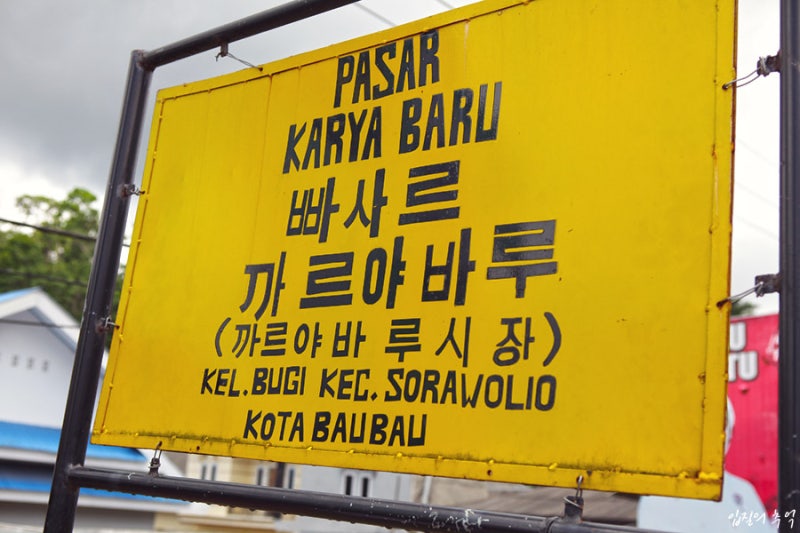
A much newer story unfolds on Indonesia’s Buton Island. Around 2009, an effort began to write and teach the local Cia-Cia language with Hangeul. Korean researchers and a Cia-Cia collaborator, Abidin, worked on an early textbook; Abidin later produced another. The project made an important aspiration visible: speakers wanted materials through which children could encounter their language in writing.
But an appealing headline—“Hangeul saved Cia-Cia”—would get ahead of the evidence. Cia-Cia speaker and researcher Achmad Rio Dessiar identified problems where modern Korean spelling conventions did not match Cia-Cia sounds. His response was to look further back into Hangeul’s history: he proposed historical consonant combinations, doubled rieul, and the old letter ieung (ㆁ) as ways to represent particular Cia-Cia sounds more faithfully.
That is an intriguing reminder that the Hangeul used in everyday Korean is only part of the script’s story. Sejong’s original alphabet also included letters such as arae-a (ㆍ), ban-chieum (ㅿ), old ieung (ㆁ), and yeorin-hieuh (ㆆ), which are no longer used in standard modern Korean spelling. Dessiar did not propose all four as solutions for Cia-Cia. Still, his approach raises a possibility worth exploring: the fuller early writing system may offer ways to represent sounds that modern Korean spelling leaves aside. A letter can fall out of daily use without losing all its value.
In a 2024 study, Emily P. Havens, Wa Ode Riniati, and Asrul Nazar reached a more skeptical conclusion about the Hangeul-based spelling used in the textbooks: it does not adequately represent some Cia-Cia consonants and sound patterns. Their findings concern the spelling system they examined; proposals to adapt older Hangeul forms would need to be tested with Cia-Cia speakers. The project remains a serious attempt at documentation and an invitation to consider what Hangeul’s history can contribute to that work.
That distinction matters beyond Indonesia. An alphabet can help make dictionaries, stories, and lessons. It cannot by itself create opportunities for children to hear and use a language at home, among friends, or in public life. UNESCO’s language vitality framework places transmission between generations at the center of assessing a language’s future. For Cia-Cia, as for any community language, its speakers must have a decisive voice in what they write, teach, and pass on.
A Shared Heritage of Human Voices
Hangeul Day is a chance to celebrate a Korean invention without confining its meaning to Korea. A Joseon official’s three pages of Ryukyuan, an interpreter’s notes on Japanese, and a modern classroom on Buton Island are very different stories. They share one human impulse: when a voice matters, try to leave a trace of it.
The old transcriptions cannot let us hear the past perfectly, and no writing system can guarantee a living language’s future. Still, the records give researchers evidence to test, and today’s communities more ways to tell their own stories. In that sense, Hangeul belongs to Korean history and contributes to something we all stand to lose when a language falls silent: the diversity of human expression.
Visiting Korea around Hangeul Day? Explore ten autumn festivals to experience in 2026 as you plan the season.
Korean Culture portal KCulture.com

Founder of Kculture.com and MA in Political Science. He shares deep academic and local insights to provide an authentic perspective on Korean history and society.