5 Famous Korean Poets and Their Masterpieces in English
If you are looking for where to start with Korean poetry in English, the short answer is to begin with the famous Korean poets Yun Dong-ju and Kim Sowol from the colonial era, followed by post-liberation masters like Kim Chun-su, Kim Hye-soon, and Jeong Ho-seung. Long before K-pop lyrics or K-drama scripts captured global attention, poetry was the literary form that carried Korea’s deepest emotions through colonization, war, and rapid modernization. Reading these translated works offers a profound window into the Korean soul.
For international readers and travelers, poetry in South Korea is not a dusty academic subject; it is a living part of everyday culture. People of every generation can recite lines from memory, and poems are widely taught in schools, engraved on monuments, and featured in popular media. This guide introduces five of the most beloved Korean poets, explores their timeless verses, and shows you where to find their work in trustworthy English translations.
- Pre-Liberation Voices: Sorrow and Purity
- Post-Liberation Masters: Existence and Healing
- Where to Buy Korean Poetry Books in English
- FAQ
- Related Korean Culture Guides
Pre-Liberation Voices: Sorrow and Purity
Korea’s modern poetic tradition took shape during one of its darkest periods: the Japanese colonial occupation (1910–1945). Writing in Korean was a quietly defiant act, as the colonial government sought to suppress the language. The following two poets wrote under immense pressure and both died tragically young, yet their words remain the emotional foundation of the nation.
Yun Dong-ju (윤동주, 1917–1945): The Poet of Conscience
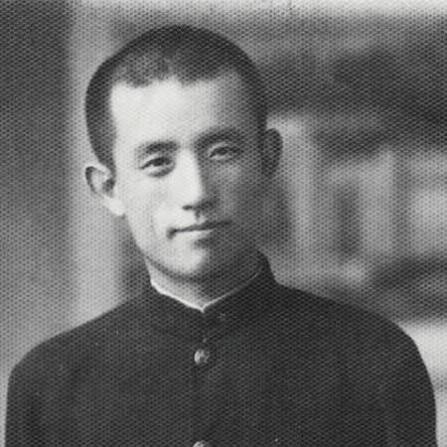
Yun Dong-ju is widely regarded as Korea’s “national poet.” Born in the Korean community of Manchuria, he moved to Japan to study, only to be arrested on suspicion of involvement in the independence movement. He died in Fukuoka Prison in February 1945, just months before Korea’s liberation, at the young age of 27.
What makes his poetry endure is not loud political defiance, but an almost unbearable honesty about self-doubt, guilt, and the longing to live a life without shame. Scholars often describe this as his “aesthetics of shame”—a poetic voice built from relentless self-examination. Below is his most famous masterpiece, “Foreword” (서시), which perfectly captures his pure and quiet resistance.
Foreword
Wishing not to have
so much as a speck of shame
toward heaven until the day I die,
I suffered, even when the wind stirred the leaves.
With a heart singing to the stars,
I shall love all things that are dying.
And I must walk the path
that has been given to me.Tonight, again, the stars are brushed by the wind.
서시 (Original Korean)
죽는 날까지 하늘을 우러러
한 점 부끄럼이 없기를,
잎새에 이는 바람에도
나는 괴로워했다.
별을 노래하는 마음으로
모든 죽어가는 것을 사랑해야지.
그리고 나한테 주어진 길을
걸어가야겠다.오늘 밤에도 별이 바람에 스치운다.
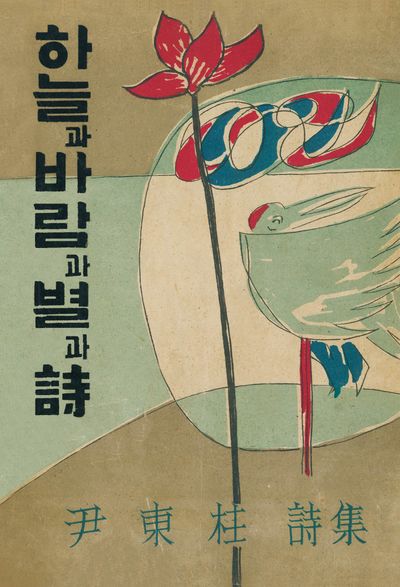
📌 Local Note: Yun Dong-ju never saw his own book published in his lifetime. His posthumous collection, Sky, Wind, and Stars, was assembled by friends. Visitors to Seoul can explore the Yun Dong-ju Literature Museum (윤동주 문학관) near Inwangsan Mountain, a beautiful and quiet homage to his legacy.
Kim Sowol (김소월, 1902–1934): The Father of Modern Lyricism
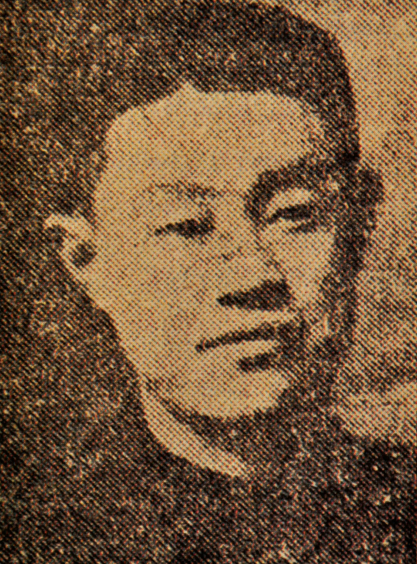
If Yun Dong-ju represents moral purity, Kim Sowol represents the emotional heart of Korean poetry. He is celebrated for fusing the traditional rhythms of Korean folk songs with modern verse. More than anyone else, he successfully expressed Han (한)—a universal Korean sentiment of sorrow, resignation, and longing.
He published only one collection in his lifetime, Azaleas (진달래꽃), in 1925, but it secured his place in history. The title poem imagines a speaker who promises to gently scatter azalea blossoms along the path of a departing lover rather than shed tears—a gesture of restrained heartbreak that resonates deeply with Korean readers.
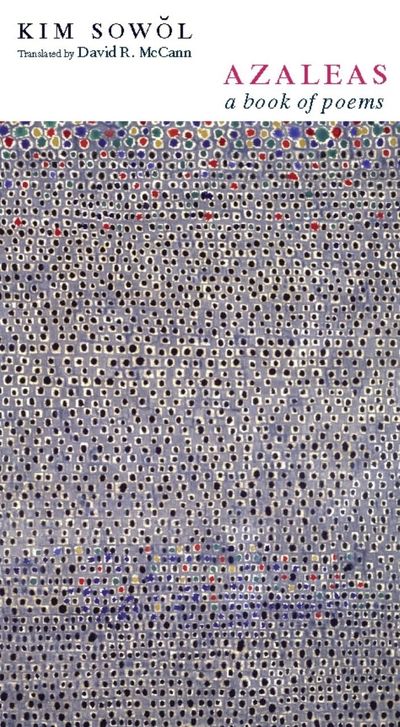
💡 Pro Tip: Kim Sowol’s poetry has deeply seeped into everyday Korean pop culture. Many contemporary musicians and pop vocalists have adapted “Azaleas” into hit songs that still receive frequent airplay today.
Post-Liberation Masters: Existence and Healing
After liberation, Korean poetry expanded into philosophical inquiries about existence, powerful social critiques, and intimate reflections on human relationships and everyday life.
Kim Chun-su (김춘수, 1922–2004): The Philosopher of Naming
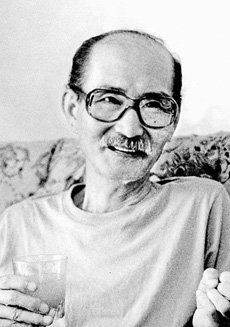
Known as the “poet of meaning” in post-war Korea, Kim Chun-su was a leading modernist who explored how naming something brings it into being. His single most famous poem, “Flower” (꽃), is so deeply embedded in the culture that nearly every Korean can recite its opening lines.
The poem illustrates that before being named, a person is merely a gesture; once named, they become a flower. It is a profound meditation on the philosophical weight of language, recognition, and the human desire to be truly seen. Below is the complete text, translated by the highly respected Brother Anthony of Taizé.
Flower
Before I spoke his name,
he was simply
one set of gestures, nothing more.Then I spoke his name,
he came to me
and became a flower.Just as I spoke his name,
I hope that someone will speak my name,
one right for my color and perfume.
I long to go to him
and become his flower.We all of us
long to become something.
You for me, and I for you,
we long to become a never-to-be-forgotten gaze.꽃 (Original Korean)
내가 그의 이름을 불러 주기 전에는
그는 다만
하나의 몸짓에 지나지 않았다.내가 그의 이름을 불러 주었을 때
그는 나에게로 와서
꽃이 되었다.내가 그의 이름을 불러 준 것처럼
나의 이 빛깔과 향기에 알맞은
누가 나의 이름을 불러 다오.
그에게로 가서 나도
그의 꽃이 되고 싶다.우리들은 모두
무엇이 되고 싶다.
너는 나에게 나는 너에게
잊혀지지 않는 하나의 눈짓이 되고 싶다.
Kim Hye-soon (김혜순, b. 1955): The Avant-Garde Visionary
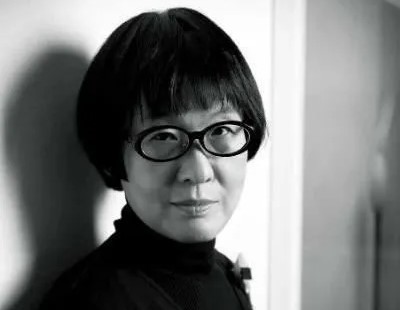
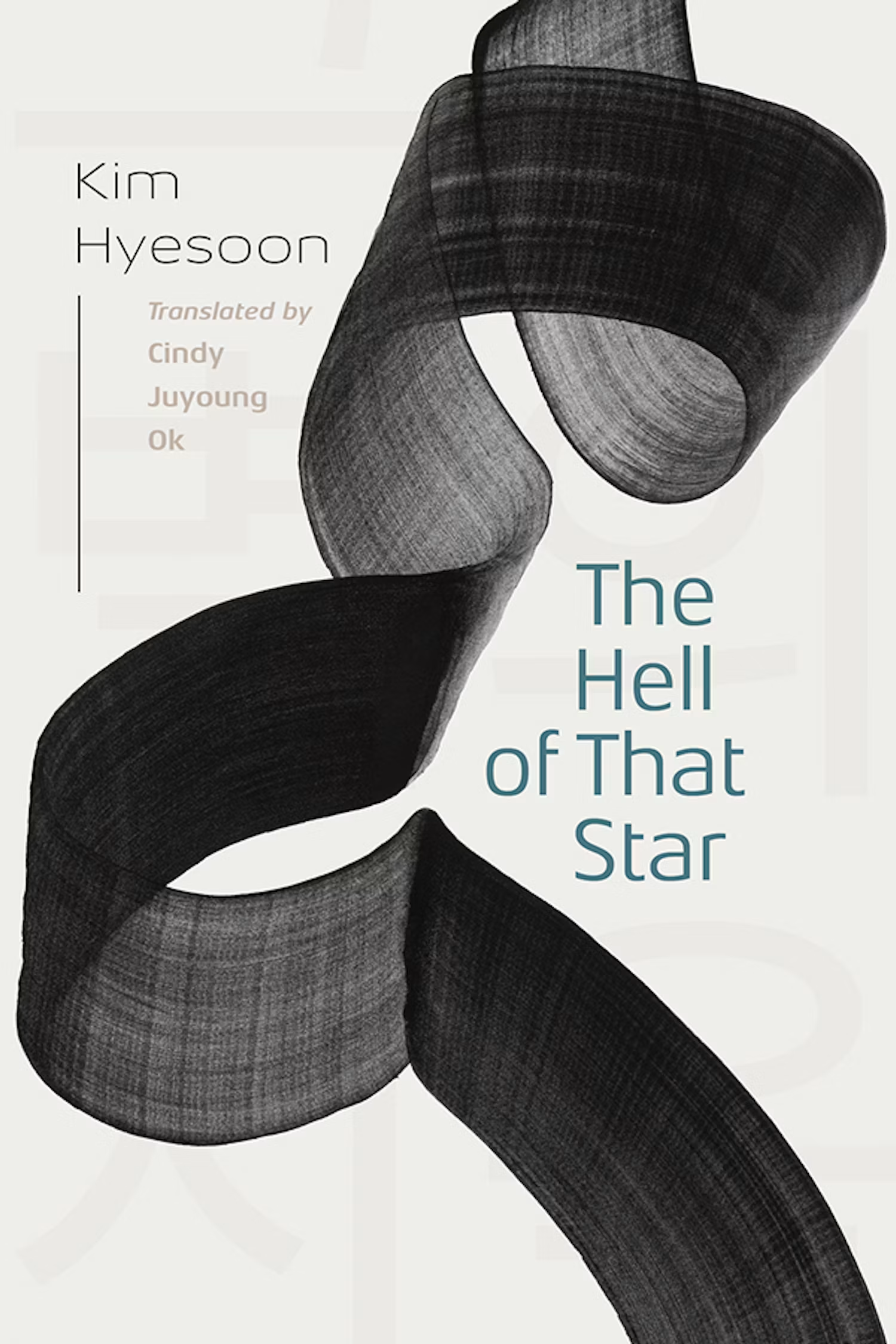
Kim Hye-soon is one of Korea’s most internationally decorated living poets and a winner of the prestigious Griffin Poetry Prize. She began publishing during South Korea’s authoritarian era, writing intense, surreal, and fiercely feminist poems that resisted censorship and societal oppression. Her latest English-translated book, The Hell of That Star (translated by Cindy Juyoung Ok, 2026), showcases her highly original and uncompromising language.
Jeong Ho-seung (정호승, b. 1950): The Nation’s Comforter
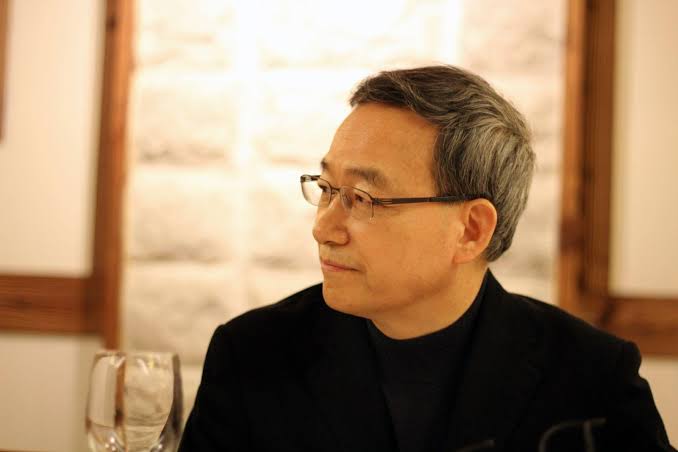
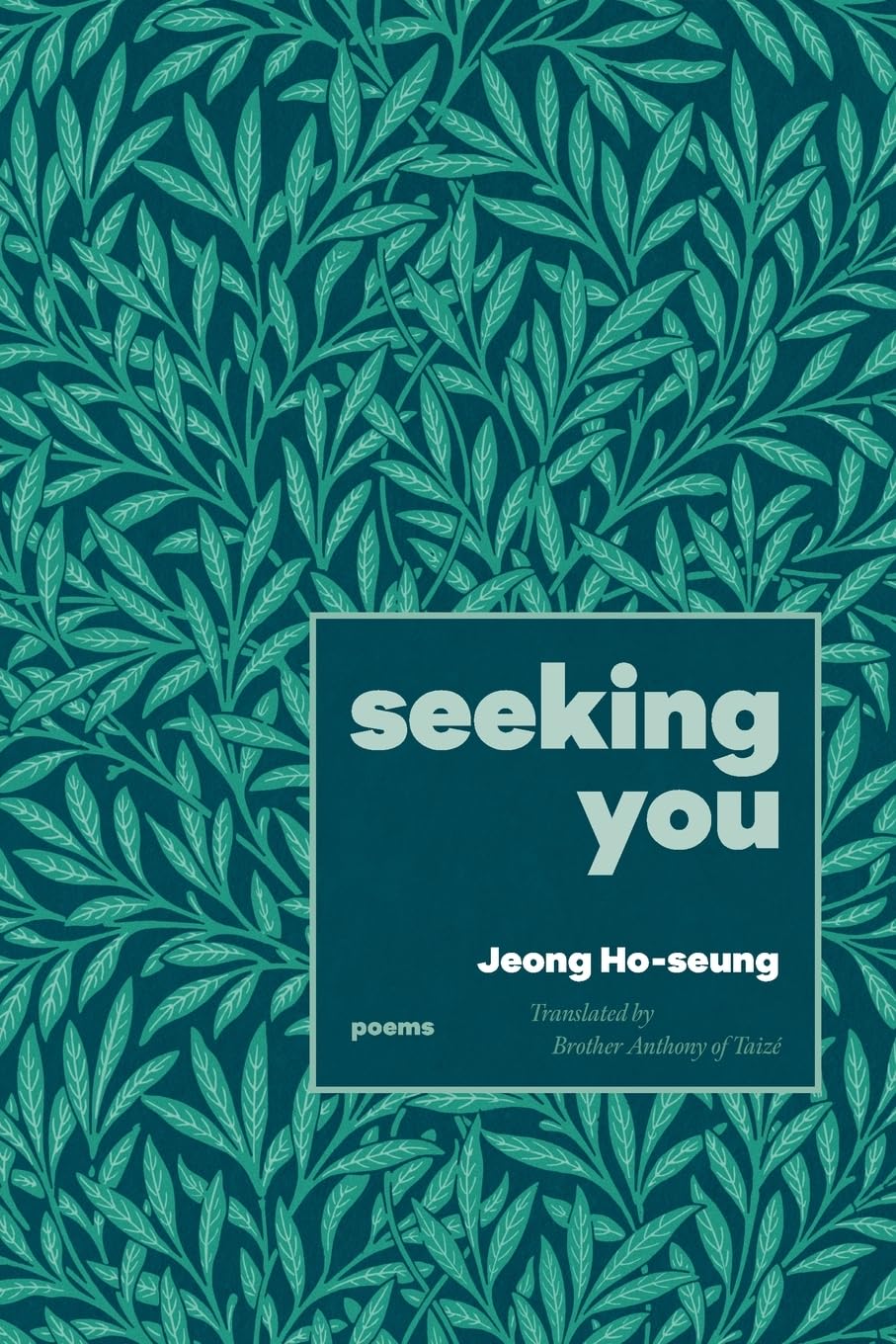
If Kim Hye-soon represents the avant-garde edge, Jeong Ho-seung represents the warmest, most accessible center of contemporary Korean poetry. He finds profound meaning inside ordinary things, offering immense comfort to readers navigating the loneliness and struggles of modern life. His translated collection, Seeking You (translated by Brother Anthony of Taizé, 2025), beautifully explores the profound interconnectedness of humanity and the natural world.
Where to Buy Korean Poetry Books in English
For international readers eager to explore these famous Korean poets, excellent English translations are readily available through major retailers and university press websites.
| Poet | English Title | About the Book & Translator |
|---|---|---|
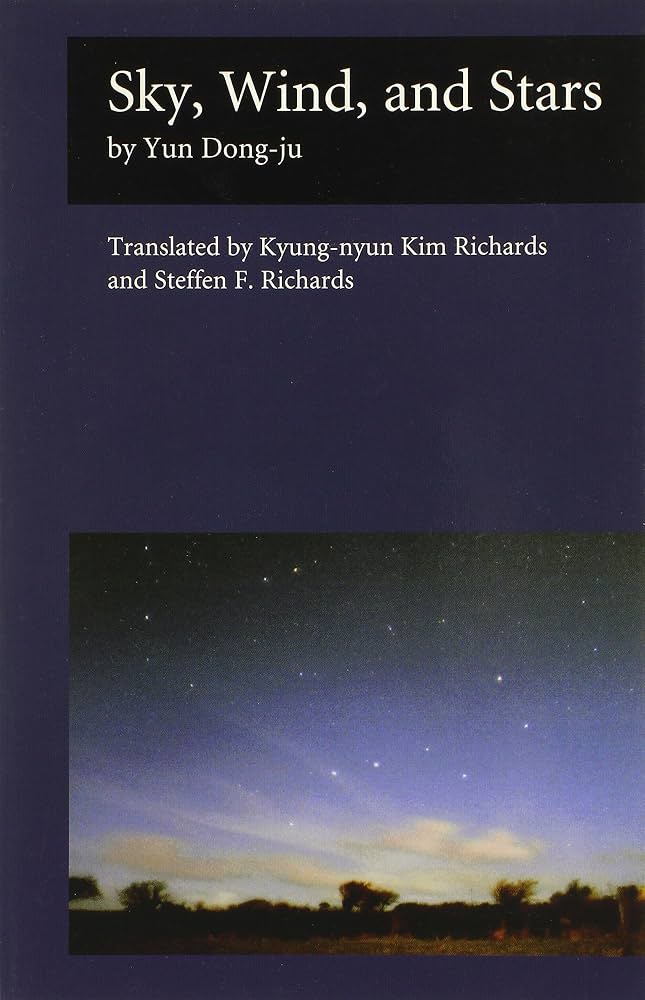
| Yun Dong-ju | Sky, Wind, and Stars | Translated by Kyung-nyun Kim Richards and Steffen F. Richards (Asian Humanities Press), this posthumous collection captures his pure conscience during Korea’s darkest times. |
| Kim Sowol | Azaleas: A Book of Poems | Translated by David R. McCann (Columbia University Press), this edition beautifully captures the traditional folk rhythms of the 1925 original. |
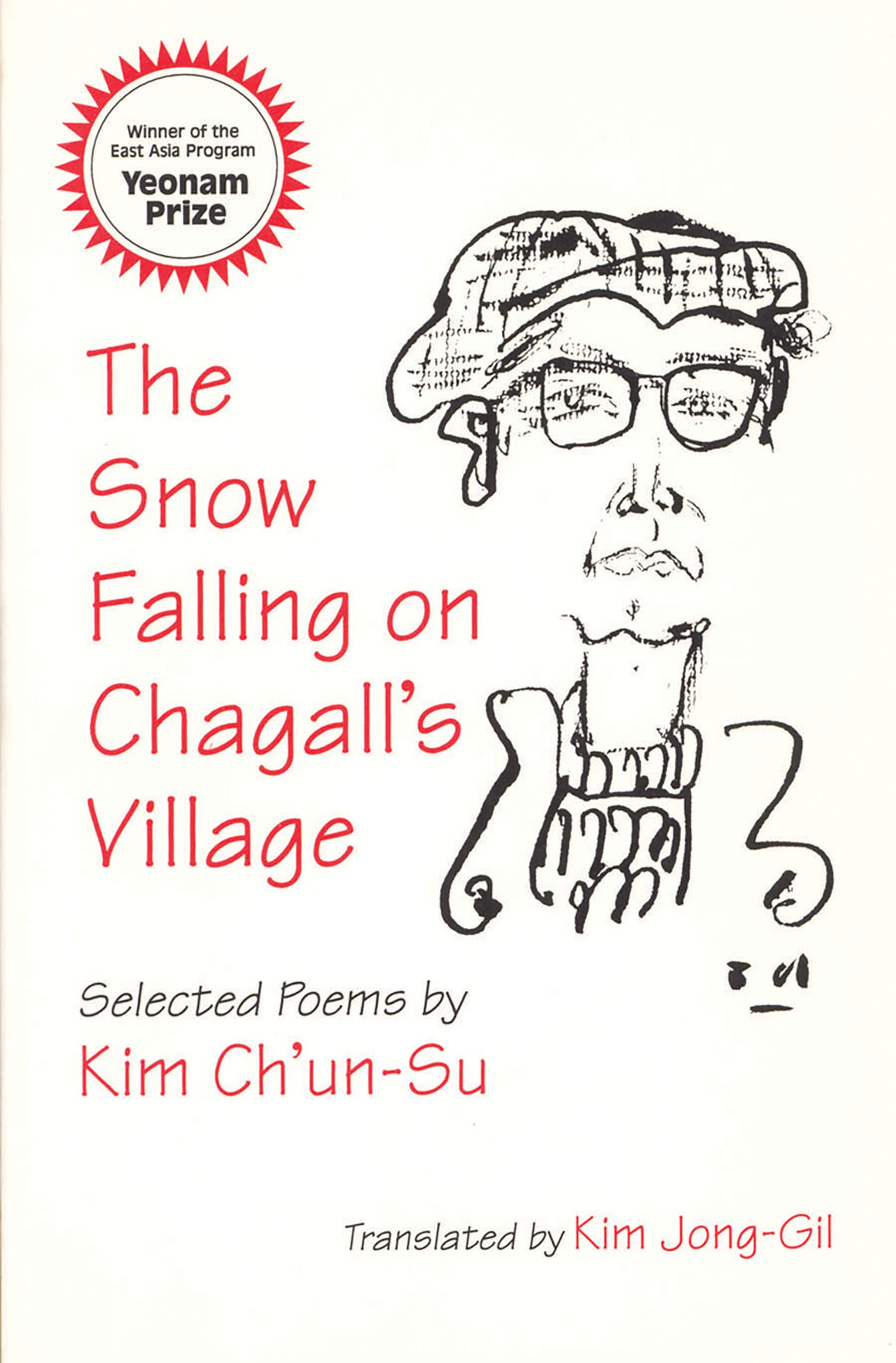
| Kim Chun-su | The Snow Falling on Chagall’s Village | Translated by Kim Jong-gil, this selected poetry collection includes “Flower” and delves into his philosophical inquiries. |
| Kim Hye-soon | The Hell of That Star | Translated by Cindy Juyoung Ok (Wesleyan University Press, 2026), featuring globally recognized contemporary and avant-garde works. |
| Jeong Ho-seung | Seeking You | Translated by Brother Anthony of Taizé (Trio House Press, 2025), offering profound emotional solace and accessible warmth. |
📌 Local Note: Brother Anthony of Taizé (An Sonjae), an English-born naturalized Korean citizen, is arguably the most important bridge between Korean poetry and English readers. If a poetry collection carries his name as the translator, it is universally considered a trustworthy choice.
FAQ
Why are Yun Dong-ju and Kim Sowol so central to Korean literature?
Both wrote before Korea’s liberation, during a period when the Korean language itself was under severe pressure, and both died young. Their poems combine deep personal emotion with an implicit connection to national identity, which is why they remain permanent fixtures in school curricula and public memory.
Which Korean poet should I start with if I am a beginner?
For emotional warmth and accessibility, Jeong Ho-seung’s Seeking You is an excellent entry point. For historical weight and a deeper understanding of the Korean conscience, start with Yun Dong-ju’s Sky, Wind, and Stars.
Is Korean poetry difficult to translate?
Yes. Korean poetry frequently depends on traditional folk rhythms, grammatical ambiguity, and cultural concepts like Han that lack direct English equivalents. This is why reading editions by recognized specialists like David R. McCann or Brother Anthony of Taizé is crucial for international readers.
Related Korean Culture Guides
To further deepen your understanding of Korean arts, history, and literature, be sure to explore the expertly curated guides below:
- Best Korean Literature in English: A Guide Beyond Han Kang
- Pansori Five Epics: Guide to Korea’s Masterpiece Storytelling
- History of Modern Korean Traditional Painting & Masters
- Understanding Muninhwa and Korea’s Scholar Artists
- Najeonchilgi: The Art of Korean Mother of Pearl Lacquerware
- The Real Sword of K-Pop Demon Hunters: Saingeom History
- Top 10 Autumn Festivals in South Korea to Experience in 2026
Korean Culture portal KCulture.com

Founder of Kculture.com and MA in Political Science. He shares deep academic and local insights to provide an authentic perspective on Korean history and society.