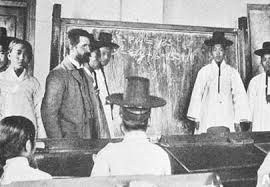
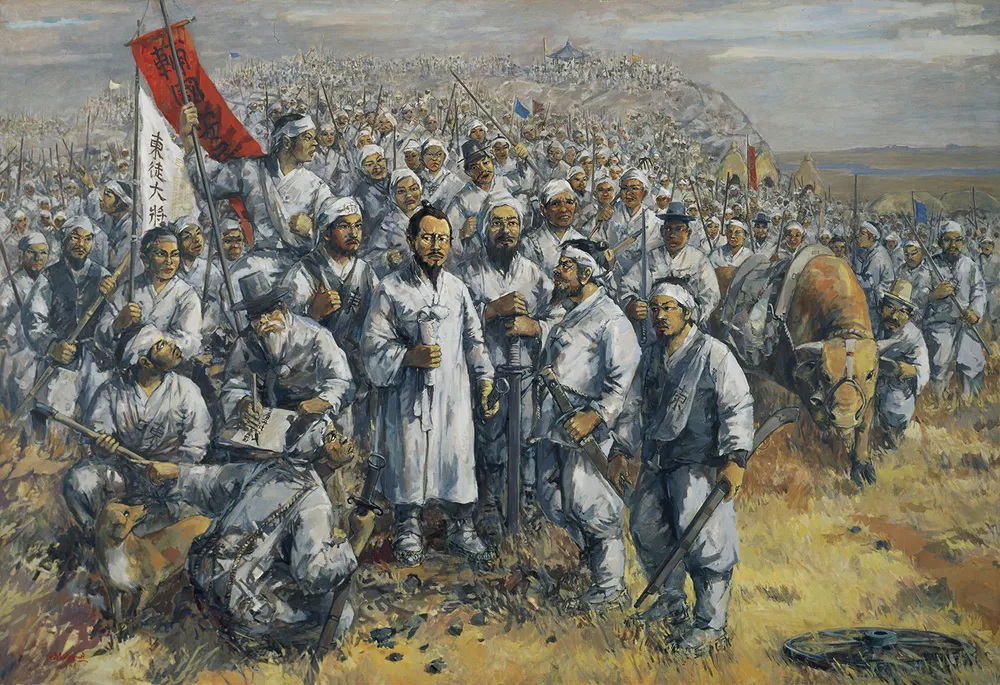
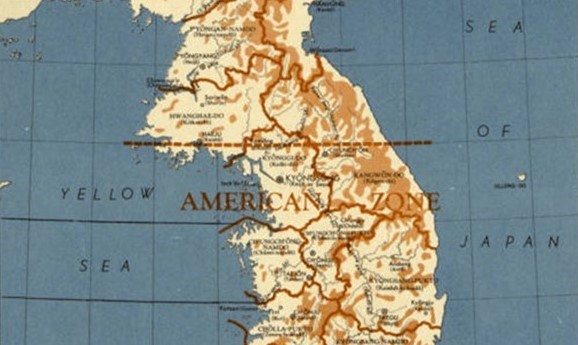
In the Korean drama 100 Days of Deception, a horrifying massacre in a small Korean village reveals the brutality of life under Japanese colonial rule. But did something like this really happen? The answer is yes. The fictional tragedy echoes the Jeam-ri Massacre of 1919, when Japanese soldiers gathered Korean civilians inside a village church, opened fire, and burned the building. Twenty-three people were killed in Jeam-ri, while six more were killed in nearby Gojuri.
The real massacre occurred on April 15, 1919, during Japan’s violent suppression of Korea’s March 1st Independence Movement—13 years before the drama’s 1932 setting. What makes this history especially disturbing is not only the massacre itself, but what happened afterward. Foreign witnesses exposed the killings to the international community, yet the Japanese officer responsible was acquitted. As explored in our review of 100 Days of Deception, the drama opens a window into an era when ordinary Koreans faced political repression, surveillance, and the constant threat of violence.
And massacres were only one part of Japan’s colonial domination. Over 35 years, Japanese authorities increasingly attempted to reshape Korean identity itself, restricting the Korean language, pressuring families to adopt Japanese-style names, and suppressing cultural and educational institutions. The story of Jeam-ri offers a starting point for understanding this much larger history: what actually happened, how the world discovered it, whether anyone was punished, and why Koreans were fighting not only for independence but also for the survival of their language and culture. For those visiting Korea, several historic sites and museums preserve the evidence and memories of this period.
- The March 1st Movement and the Road to Jeam-ri
- April 15, 1919: What Happened at Jeam-ri?
- Victims of the Jeam-ri and Gojuri Massacres
- How the World Learned About the Jeam-ri Massacre
- Were the Perpetrators Ever Punished?
- Other Atrocities Under Japanese Colonial Rule
- Cultural Erasure: Korean Language, Names, and Identity
- Where to Visit and Learn About Colonial Korea
- Jeam-ri and 100 Days of Deception: Fact vs. Fiction
- FAQ: The Jeam-ri Massacre of 1919
The March 1st Movement and the Road to Jeam-ri
To understand why Japanese soldiers attacked a small Korean village in 1919, we need to return to the beginning of Japan’s colonial rule.
Korea did not voluntarily become part of the Japanese Empire. Japan progressively deprived the Korean Empire of its sovereignty, establishing a protectorate in 1905 and formally annexing Korea in 1910. Korean political institutions were dismantled or subordinated, and the Japanese Government-General exercised extensive authority over administration, policing, and public life.
The process had begun decades earlier amid growing foreign military and diplomatic pressure. The Ganghwa Island battles, the 1895 assassination of Empress Myeongseong, and the events described in Fall of the Korean Empire help explain how Korea lost its independence.
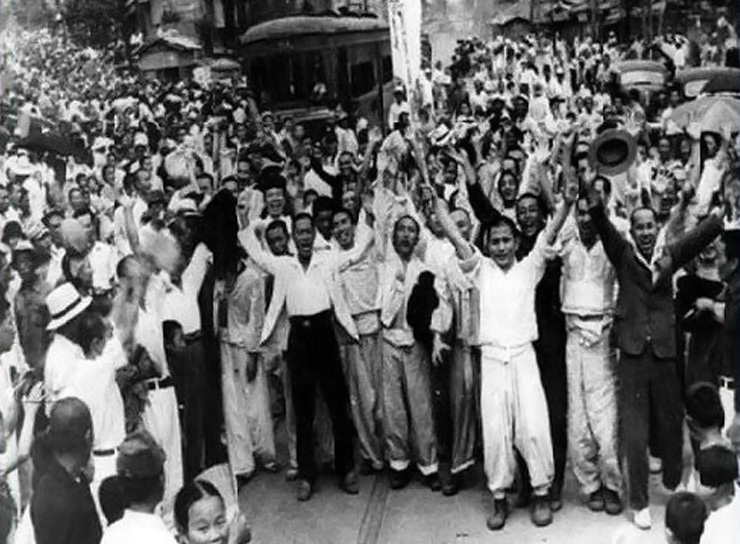
March 1, 1919: A Nationwide Demand for Independence
On March 1, 1919, Korean independence activists publicly declared that Korea was an independent nation. Demonstrators gathered in Seoul (서울), and the movement spread rapidly across cities, towns, and rural communities.
Students, religious leaders, merchants, farmers, and ordinary families participated. Many carried Korean flags and shouted “Daehan Dongnip Manse!”—a declaration of support for Korean independence.
The movement was organized around nonviolent protest, but Japanese military and police authorities responded with widespread arrests and lethal force. As repression intensified, some demonstrations developed into violent confrontations with colonial police.
Widely cited Korean historical compilations record approximately 1,542 demonstrations involving more than two million participants, with 7,509 killed, 15,961 injured, and 46,948 arrested. These are historical tallies rather than uncontested totals, and contemporary Japanese records and later historical studies differ.
For a fuller account of how the demonstrations transformed Korea’s independence movement, read The March 1st Movement: The Day Modern Korea Was Born.
Why Was the Hwaseong Region So Violent?
The area surrounding today’s Hwaseong (화성), then part of Suwon County, became one of the most fiercely contested regions during the demonstrations.
In late March and early April, large crowds assembled at markets and administrative centers. At Balan Market (발안장), approximately 1,000 people participated in a March 31 protest. Japanese security personnel fired on demonstrators, and enraged protesters attacked colonial facilities. A Japanese police officer was killed.
Other confrontations occurred in surrounding communities. Japanese police officers were killed during the regional unrest, and the authorities responded with increasingly severe military operations.
These incidents help explain the colonial military’s decision to carry out punitive operations. They do not justify the deliberate killing of unarmed villagers.
By mid-April, Japanese troops were conducting reprisals across the countryside. Jeam-ri (제암리) would become the most infamous example.
April 15, 1919: What Happened at Jeam-ri?
Jeam-ri was an ordinary agricultural village. Its residents included farmers, Christians, and followers of Cheondogyo, a Korean religious movement with important connections to the independence struggle.
On April 15, Japanese infantry led by Lieutenant Toshio Arita entered the village. The troops belonged to the Japanese Army’s 79th Infantry Regiment, which had been involved in operations to suppress demonstrations in the region.
The Villagers Were Ordered to Gather at the Church
The soldiers assembled local residents at a small Methodist church. Accounts describe the gathering as an ostensibly official meeting, rather than an announced punishment.
Once the villagers were inside, Japanese soldiers surrounded the building and blocked their escape.
After addressing the assembled residents, Arita ordered his men to fire into the church.
The soldiers then set the building on fire. Those trapped inside faced gunfire and flames. People attempting to escape were attacked, and the troops also killed women outside the church.
The violence continued as soldiers burned houses throughout the village. What had been a functioning rural community was left devastated.
Historical Note: The Jeam-ri massacre was not an armed battle between two opposing military forces. Japanese troops deliberately attacked civilians who had been brought together inside a church. This distinction is central to understanding the event as a massacre rather than an ordinary confrontation during a demonstration.
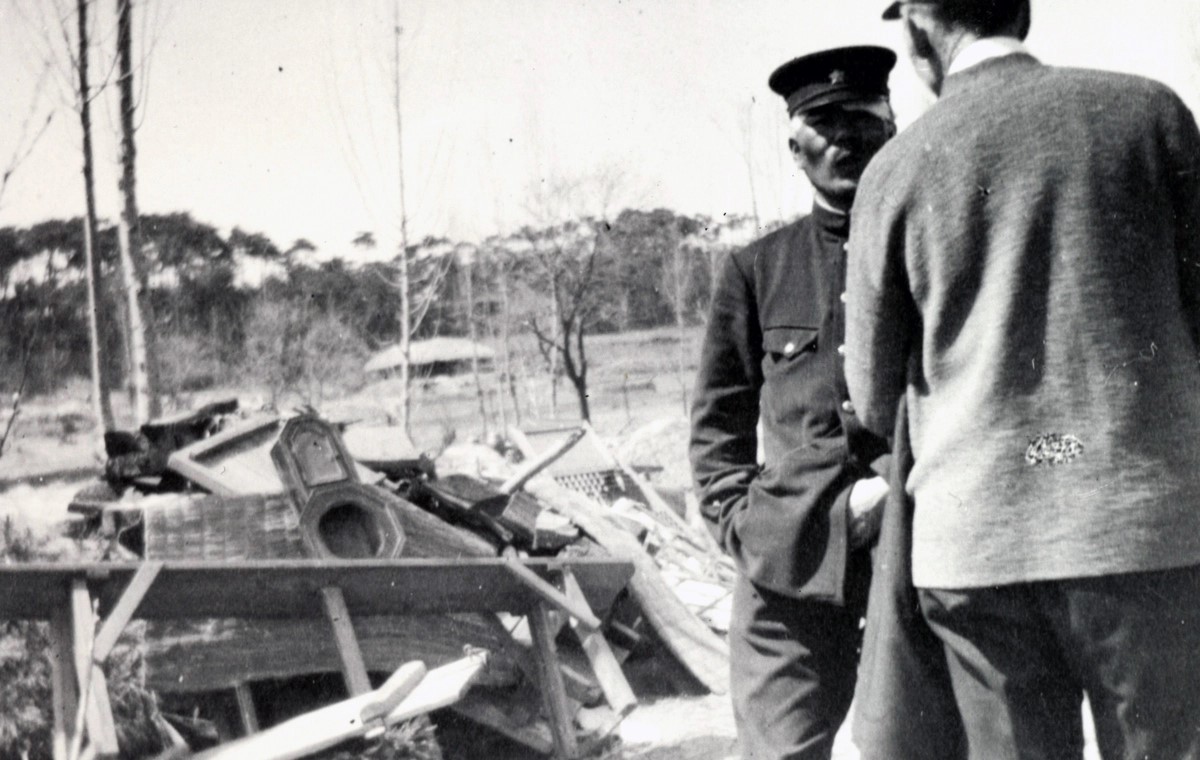
The Killing Did Not Stop at Jeam-ri
On the same day, Japanese troops also killed six residents of nearby Gojuri (고주리), including members of the family of Kim Heung-ryeol, a local Cheondogyo figure.
The two incidents are now commonly commemorated together as the Jeam-ri and Gojuri Massacres.
The attack on Jeam-ri was particularly devastating because the troops did more than kill residents. By burning the church and homes, they destroyed important parts of the community’s physical and social life.
Victims of the Jeam-ri and Gojuri Massacres
One of the most common questions concerns the number of victims. Some accounts mention 23 deaths, while others report 29 or more.
The difference largely reflects which locations and historical records are being counted.
- Jeam-ri: 23 victims. This is the commonly commemorated number associated with the church massacre and killings in the village.
- Gojuri: Six victims. These residents were killed during the related operation in the neighboring village.
- Combined commemorative total: 29 victims. This figure is widely used in memorial ceremonies and historical explanations of the Jeam-ri and Gojuri incidents.
Some contemporary reports recorded higher numbers. One Japanese military account reported 32 deaths, and historians continue to examine differences between surviving documents, eyewitness testimony, and later commemorative records.
The important point is that the victims were real individuals whose names and families can still be identified—not simply an anonymous number.
Who Were the People Who Died?
The victims included both Christians and Cheondogyo followers. Historical research identifies men such as Ahn Jong-hwan and Hong Won-sik among those killed, along with women whose lives were taken in the attack.
Two female victims are identified in historical records as the wives of Kang Tae-seong and Hong Won-sik. Their personal names were not preserved in the same way as those of many male victims, a reminder of the limitations of surviving records.
This religious diversity is significant. Although the massacre occurred at a Methodist church and became associated internationally with persecution of Christians, it also targeted people connected to Cheondogyo.
The attack therefore cannot be understood solely as an assault on a Christian congregation. It was part of a broader campaign to crush Korean resistance.
The Survivors Who Preserved the Story
Those who escaped or witnessed the aftermath carried the memory of Jeam-ri long after the soldiers had departed.
One important figure was Jeon Dong-rye, the widow of Ahn Jong-hwan. Her testimony helped later investigators reconstruct what happened.
In 1982, a formal excavation recovered victims’ remains, which were subsequently placed in a collective burial ground near the massacre site.
Today, visitors can see the memorial and graves honoring those who died. These features also demonstrate how survivors and descendants worked for decades to preserve the history of the massacre.
How the World Learned About the Jeam-ri Massacre
One reason Jeam-ri became so internationally famous is that foreign residents of Korea investigated the killings and preserved evidence.
The Japanese colonial authorities controlled much of the local information environment. Foreign missionaries, diplomats, and correspondents had greater opportunities to communicate reports beyond Korea.
Foreign Witnesses Investigated the Scene
On April 16, a party including American vice consul R. S. Curtice, missionary H. H. Underwood, and journalist Albert W. Taylor visited the Suwon area.
Their original purpose included investigating destruction in another village, but they learned of the Jeam-ri massacre and examined the evidence.
Additional missionaries and foreign representatives visited in the following days, collecting testimony, documenting burned buildings, and reporting their findings.
Among the most important investigators was Frank William Schofield, a Canadian missionary and medical scientist who was working in Korea.
Frank Schofield and the Photographs That Survived
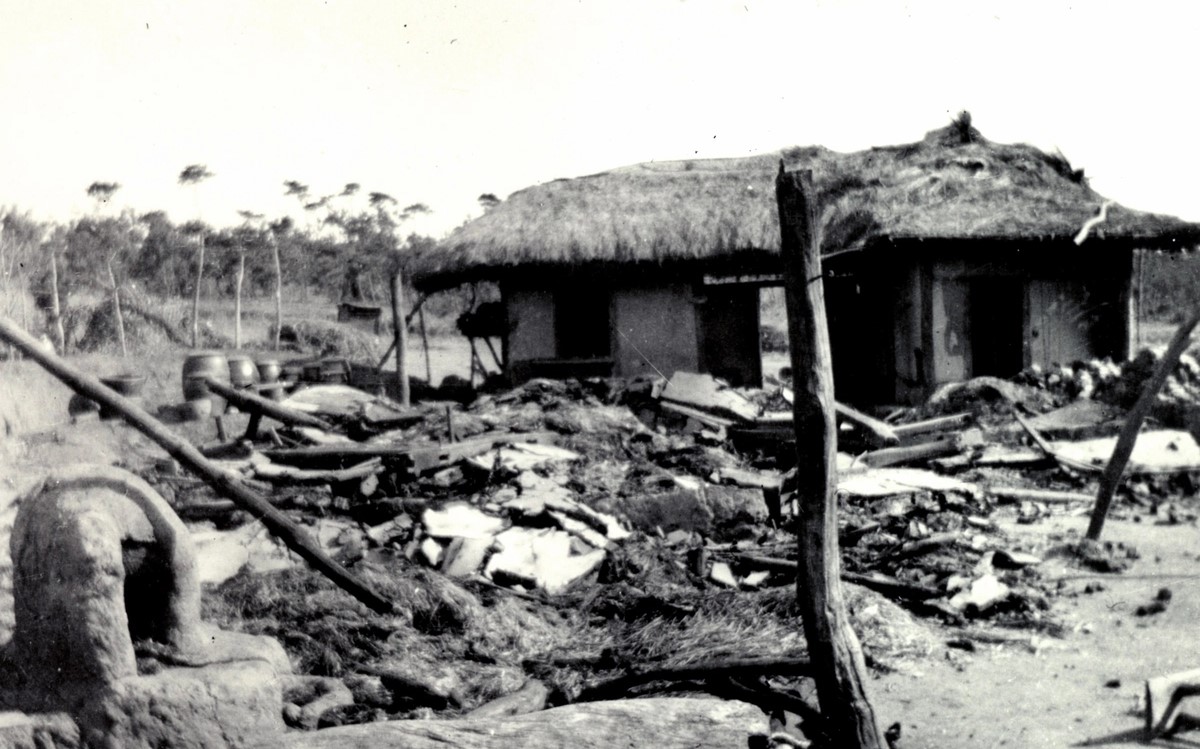
Schofield traveled to Jeam-ri on April 18, just three days after the killings.
He photographed the destruction and interviewed people who had witnessed or survived the violence. He also investigated atrocities in neighboring communities.
His report, The Massacre of Chai-Amm-Ni, appeared in the English-language Shanghai Gazette on May 27, 1919.
His documentation helped bring the massacre to the attention of international audiences, while other missionary and diplomatic reports circulated through official channels and foreign newspapers.
Schofield’s role is particularly important because photographs provided visual evidence that could be examined beyond the accounts of the colonial authorities.
He is remembered in Korea as a foreign supporter of the independence movement. His story is part of a larger history explored in Foreign Heroes of Korea’s Independence Movement.
Why Did Jeam-ri Become an International Symbol?
The massacre was not the only instance of Japanese military violence during the March 1st Movement.
Its international prominence owes much to the surviving photographs, diplomatic correspondence, eyewitness reports, and the efforts of those who brought them to public attention.
In other words, Jeam-ri was not necessarily unique in its brutality. It was unusual in the extent to which evidence survived and reached the outside world.
That distinction is essential. The fact that other atrocities received less international attention does not mean they did not occur.
Were the Perpetrators Ever Punished?
No one responsible for the Jeam-ri massacre received a meaningful criminal punishment for the killings. Although the Japanese military initiated disciplinary and judicial proceedings, the officer who commanded the operation was ultimately acquitted.
As international criticism grew, Japanese military authorities could no longer treat the event entirely as an internal security matter.
Lieutenant Toshio Arita initially faced a disciplinary measure involving 30 days of severe confinement. The mounting controversy also led to his appearance before a military court.
On August 21, 1919, the Yongsan military court acquitted him.
The court accepted reasoning that Arita believed his actions were necessary for the performance of his duties in suppressing unrest and lacked criminal intent.
The result was extraordinary: the officer who had directed soldiers to shoot civilians inside a church was not convicted.
Senior military and colonial officials, including the commander of Japanese forces in Korea, also escaped meaningful accountability for the massacre.
Some disciplinary measures and discussions of relief or compensation followed international criticism, but these were not equivalent to criminal justice for the victims.
For the families and descendants, this failure of accountability remains a central part of Jeam-ri’s history. Calls for a specific official Japanese government apology have continued into the present.
Why Accountability Matters: Jeam-ri was not simply an example of excessive force by an individual soldier. The military investigation and acquittal show how the colonial system could recognize that civilians had been killed while still protecting the officer responsible.
Other Atrocities Under Japanese Colonial Rule
Jeam-ri was one episode in a much larger history of repression between 1910 and 1945. Several other events help explain the scale and changing methods of Japanese colonial violence.
Suchon-ri: Another Village Burned in 1919
Before the Jeam-ri massacre, Japanese forces carried out punitive operations around Suchon-ri (수촌리), also in the Hwaseong region.
During the suppression of local independence protests in early April 1919, Japanese forces burned civilian homes and arrested residents.
Foreign investigators documenting the destruction in Suchon-ri subsequently became involved in exposing the Jeam-ri massacre.
These connected incidents reveal that military reprisals were not confined to a single village.
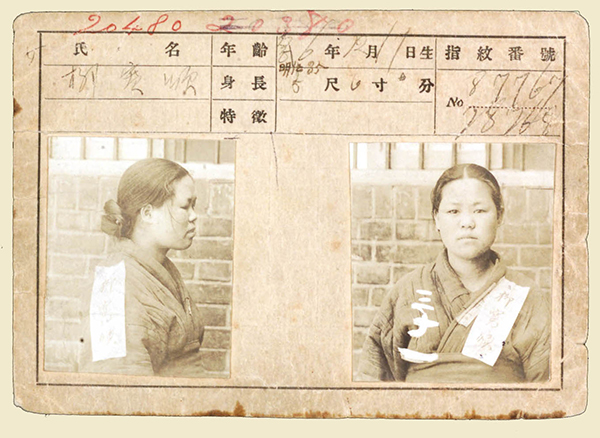
Yu Gwan-sun: A Student Who Died in Prison
Yu Gwan-sun was a teenage student who became one of the best-known participants in the March 1st Movement.
She helped organize an independence demonstration at Aunae Market (아우내장터) in April 1919 and was arrested by Japanese authorities.
Imprisoned at Seodaemun Prison, she endured harsh treatment and died in September 1920, aged 17.
Her story illustrates another form of colonial repression: imprisonment and abuse directed against people who demanded national independence.
The 1923 Great Kanto Earthquake Massacre
In September 1923, a devastating earthquake struck Japan’s Kanto region.
As the country struggled with the disaster, false rumors spread that Koreans were poisoning wells, committing arson, and planning attacks.
Vigilante groups, along with members of the Japanese military and police, killed large numbers of Koreans living in Japan.
Estimates of the death toll vary considerably, with Korean historical accounts commonly citing several thousand victims. The precise number remains disputed.
The massacre demonstrated how colonial discrimination and anti-Korean hostility could become deadly even outside the Korean Peninsula.
Wartime Forced Labor and Sexual Exploitation
As Japan expanded its wars in Asia, colonial authorities mobilized growing numbers of Koreans for military and industrial purposes.
Many were subjected to coercive labor mobilization, dangerous working conditions, and severe restrictions on personal freedom. Women and girls were also drawn into the Japanese military’s system of sexual slavery, commonly associated with the term “comfort women.”
These policies differed in their mechanisms and chronology from the killings of 1919, but they demonstrate how colonial domination extended into work, family life, and bodily autonomy.
Cultural Erasure: Korean Language, Names, and Identity
The most enduring consequences of colonial rule were not limited to military violence. Japan also attempted to transform the identities of Koreans themselves.
The Japanese Government-General promoted assimilation into the Japanese Empire, particularly during the late 1930s and the Second World War. Its policies increasingly interfered with how Koreans learned, wrote, named their children, practiced religion, and remembered their history.
Suppressing the Korean Language
Perhaps the clearest example was the suppression of Korean-language education.
For Koreans, their language was more than a means of communication. It carried literature, family relationships, historical memory, and cultural traditions developed over centuries.
Japan introduced education policies that placed Japanese at the center of colonial schooling. The restrictions developed over time, rather than appearing as a single comprehensive ban in 1910.
- 1911: The first colonial education ordinance established an education system designed around Japanese imperial priorities and placed major emphasis on Japanese-language instruction.
- 1922: Educational reforms allowed some changes in schooling, but Korean education remained subject to colonial oversight and Japanese-language priorities.
- 1938: The Third Chosen Education Ordinance intensified assimilation. Korean was reduced to an optional subject, while Japanese became increasingly dominant in classrooms and official school activities.
- 1941–1943: Wartime education reforms eliminated Korean from the formal elementary and secondary school curricula, reinforcing Japanese-language instruction.
Students were increasingly expected to use Japanese in school and learn an imperial version of history. Korean historical identity received less space within the official curriculum.
It is important to distinguish these institutional restrictions from a claim that every private Korean conversation became illegal. Korean continued to be spoken in families and communities. The policy sought to marginalize the language in education and public institutions, not through a universal, enforceable ban on every spoken word.
1940: The Campaign to Make Koreans Adopt Japanese-Style Names
One of the most controversial colonial policies was Soshi-kaimei, known in Korean as Changssi-gaemyeong (창씨개명).
The policy was introduced through legal changes in 1939 and implemented in 1940. It pressured Korean households to adopt a Japanese-style family-name system, with provisions for changing personal names.
Traditional Korean family names were closely connected to lineage, ancestry, and family identity. The Japanese household-name system operated differently.
For the colonial authorities, changing names was part of a broader attempt to assimilate Koreans into the imperial order.
Although the official legal presentation distinguished the creation of a household name from the optional alteration of a personal name, the campaign was implemented under substantial administrative and social pressure.
Local officials promoted compliance, and families could face disadvantages or discrimination in schooling and public life if they resisted.
When the campaign began in February 1940, registration was initially very low. By the August deadline, however, approximately 80% of Korean households had registered new family names.
That rapid change reflected the intensity of colonial mobilization rather than a spontaneous desire among most Koreans to abandon their traditions.
Some families resisted outright. Others adopted names that preserved elements of their Korean identity or sought ways to comply without completely surrendering their original family names.
Important Historical Distinction: A Korean person’s use of a Japanese-style name during the colonial period does not, by itself, prove political collaboration. Names could reflect adoption, professional circumstances, family background, coercion, or the assimilation policies of the period.
1942: When Compiling a Korean Dictionary Became a Crime
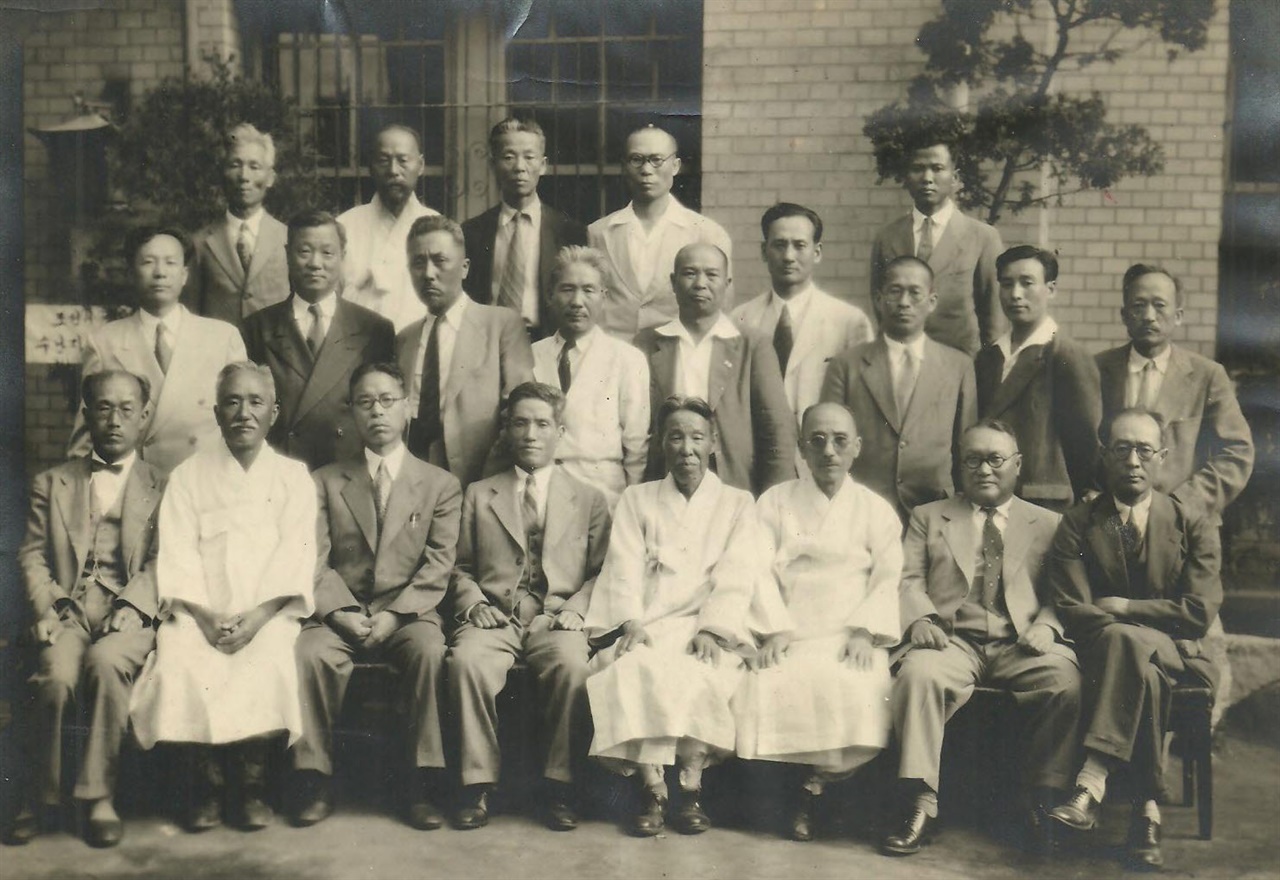
One of the clearest examples of cultural repression was the Korean Language Society Incident (조선어학회 사건) of 1942.
Korean scholars had spent years developing standardized spelling, researching Korean vocabulary, and compiling a comprehensive dictionary.
In a country where the authorities were increasingly promoting Japanese as the dominant official language, preserving Korean words and linguistic traditions became an act of cultural resistance.
Beginning in October 1942, Japanese police arrested members and supporters of the Korean Language Society.
Investigators treated the society’s activities as a form of nationalist organizing and pursued charges under colonial security legislation.
Several scholars received prison sentences. Lee Yun-jae and Han Jing died while imprisoned. Other members remained incarcerated until the final months of Japanese rule.
The historical significance is difficult to overstate: people were prosecuted for work intended to preserve and systematize their own language.
After Korea’s liberation in 1945, the society resumed its activities. Dictionary manuscripts that had been confiscated were recovered, and the first volume of the Great Dictionary of the Korean Language was published in 1947.
For readers unfamiliar with Korean history, this episode may offer one of the most revealing examples of the difference between ordinary language policy and colonial cultural repression.
Closing Korean Newspapers and Restricting Public Expression
Language suppression was accompanied by increasing restrictions on the press.
The colonial government censored newspapers and publications throughout its rule. Although some Korean-language newspapers were permitted during parts of the colonial period, that limited space narrowed sharply as Japan entered a more militarized phase.
In August 1940, the major Korean-language newspapers Dong-A Ilbo and Chosun Ilbo were forced to close.
These closures reduced independent Korean-language journalism and made it harder to circulate ideas outside colonial institutions.
Shinto Shrine Worship and the Reshaping of Korean Traditions
Assimilation also extended into religion and public rituals.
The Japanese authorities increasingly compelled participation in Shinto shrine ceremonies, especially from the 1930s onward. Schools and Christian institutions faced pressure to comply, and some religious communities resisted on grounds of faith and conscience.
Japanese imperial ideology also reshaped public ceremonies, teaching, and expectations of loyalty to the emperor.
Even Korea’s royal architectural heritage was affected.
At Gyeongbokgung Palace (경복궁), the Japanese Government-General established its headquarters within the historic palace grounds. Important sections of the palace complex had been demolished or altered, transforming a symbol of Korean sovereignty into a landscape dominated by colonial authority.
The extent of this destruction and its political meaning are explored in How Japan Systematically Destroyed Joseon Royal Palaces.
Not every element of Korean culture disappeared or was prohibited throughout the entire colonial period. Korean writers, artists, religious communities, and scholars continued working, sometimes within restricted institutions and sometimes in active opposition to colonial policies.
That persistence matters. The attempt at cultural assimilation was extensive, but it was never entirely successful.
Where to Visit and Learn About Colonial Korea
For travelers interested in this history, several important sites in Korea preserve the physical locations, documents, and personal stories of the colonial era.
1. Jeam-ri March 1st Movement Martyrs’ Site, Hwaseong
Best for: Visiting the actual location of the massacre.
The Jeam-ri March 1st Movement Martyrs’ Site (화성 제암리 3·1운동 순국 유적) preserves the setting associated with the killings and the memory of those who died.
Visitors can see the commemorative monument, the collective burial ground, and the reconstructed Jeam Church (제암교회). The surviving landscape and memorial features help connect the events of April 1919 with a real rural community.
The historic site was designated a nationally protected historic site in 1982.
Location: 50 Jeam-gil, Hyangnam-eup, Hwaseong, Gyeonggi-do.
2. Hwaseong Independence Movement Memorial Hall
Best for: Understanding the massacre through documents, exhibits, and the wider regional independence movement.
Hwaseong Independence Movement Memorial Hall (화성시독립운동기념관) opened on April 15, 2024, expanding and relocating the earlier Jeam-ri memorial exhibition facility.
The modern museum stands near the historic site and includes permanent exhibitions about Hwaseong’s independence movement, changing exhibitions, and educational facilities.
It is the most useful starting point for understanding why the massacre occurred and how it was subsequently documented.
- Address: 34 Jeamgoju-ro, Hyangnam-eup, Hwaseong, Gyeonggi-do.
- Admission: Free.
- Hours: 10:00 a.m.–6:00 p.m., with last admission at 5:00 p.m.
- Closed: Mondays, with adjustments for public holidays, and certain major holidays.
- Website: Hwaseong Independence Movement Memorial Hall.
Local Tip: Visit the museum before exploring the outdoor memorial site. The exhibits provide context for the military operations, the victims, and the foreign witnesses. Jeam-ri is not directly served by Seoul’s subway network, so plan your onward transportation carefully. Naver Map or KakaoMap can be more convenient for checking local Korean bus connections.
3. Seodaemun Prison History Hall, Seoul
Best for: Learning what imprisonment and interrogation meant for Korean independence activists.
Seodaemun Prison History Hall (서대문형무소역사관) preserves a former prison complex where many Korean independence activists were incarcerated during Japanese colonial rule.
Its exhibition areas, prison cells, and preserved facilities explain the colonial penal system and the experiences of political prisoners.
The prison is closely associated with Yu Gwan-sun, who died there in 1920.
- Address: 251 Tongil-ro, Seodaemun-gu, Seoul.
- Subway: Dongnimmun Station (독립문역), Line 3, Exit 5.
- Adult admission: KRW 3,000.
- Official visitor information: Seodaemun Prison History Hall.
The museum can be emotionally difficult to visit, particularly for younger visitors, but it provides important historical context for the repression depicted in colonial-era Korean dramas.
4. Independence Hall of Korea, Cheonan
Best for: Understanding the full history of Korean independence movements.
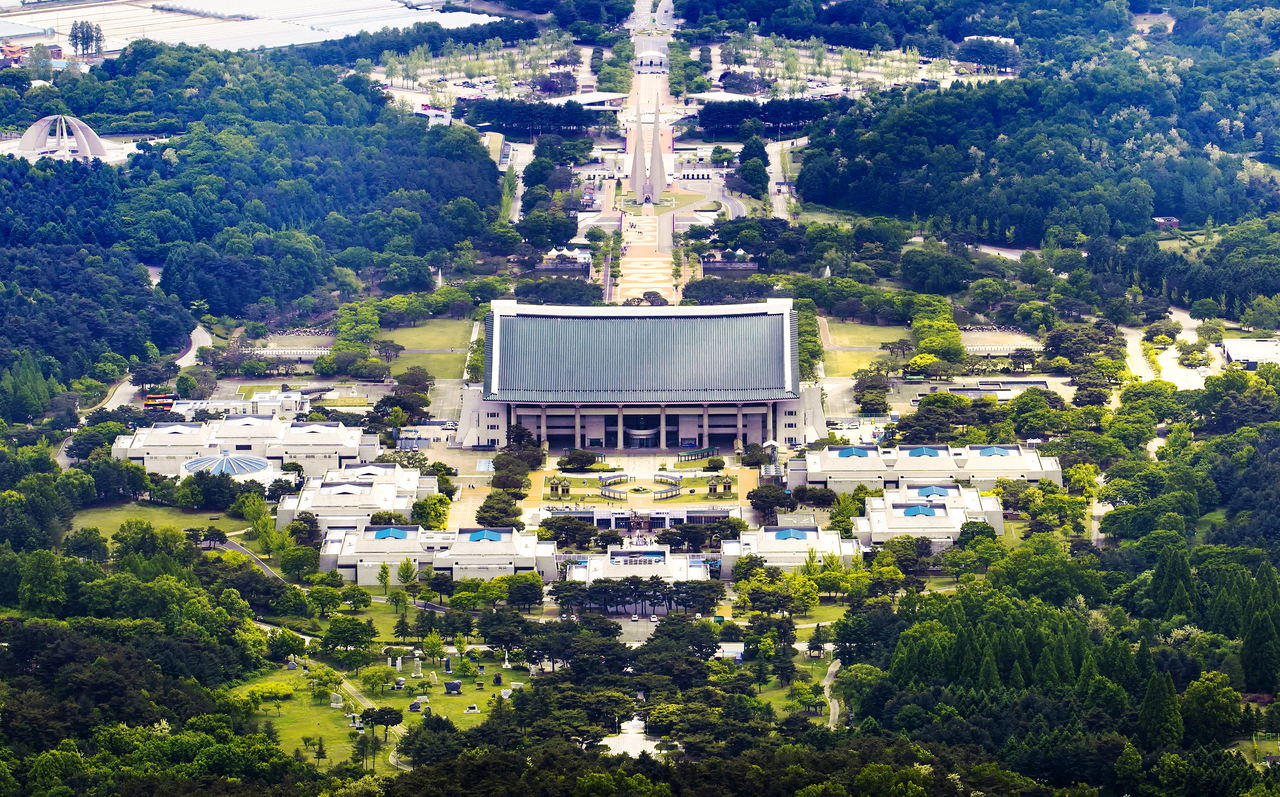
The Independence Hall of Korea (독립기념관) in Cheonan presents a broad account of Korean history, foreign aggression, colonial rule, and resistance.
Its extensive exhibitions help explain how the March 1st Movement developed and how independence activists organized political, cultural, and armed resistance.
- Address: 1 Dongnipginyeomgwan-ro, Mokcheon-eup, Dongnam-gu, Cheonan, Chungcheongnam-do.
- Admission: Free for the main exhibitions.
- Opening hours: Generally 9:30 a.m.–6:00 p.m. from March to October and 9:30 a.m.–5:00 p.m. from November to February.
- Website: Independence Hall of Korea.
5. National Museum of Korean Contemporary History, Seoul
Best for: Exploring modern Korean history and the cultural significance of Hangeul.
The National Museum of Korean Contemporary History (대한민국역사박물관), near Gwanghwamun Square, covers Korea’s transformation from the late nineteenth century through the modern era.
There is a particularly timely reason to visit in late 2026.
From October 2, 2026, to February 9, 2027, the museum is hosting the special exhibition “FROM 1926 TO INFINITY”, commemorating the centenary of Hangeul Day’s first celebration.
The exhibition explores the history of Hangeul Day, which was initially established in 1926 during Japanese colonial rule. It provides valuable context for understanding why preserving the Korean language became so important.
- Address: 198 Sejong-daero, Jongno-gu, Seoul.
- Subway: Gwanghwamun Station (광화문역), Line 5, Exit 2.
- Admission: Free.
- Exhibition dates: October 2, 2026–February 9, 2027.
- Exhibition information: FROM 1926 TO INFINITY.
Visitor Note: The National Hangeul Museum’s main building remains closed for restoration following its 2025 fire, with reopening planned for 2028. The special exhibition at the National Museum of Korean Contemporary History is a useful alternative in the meantime.
Jeam-ri and 100 Days of Deception: Fact vs. Fiction
Historical dramas can be powerful introductions to unfamiliar events. They also combine documented history with fictional characters, relationships, and circumstances.
In 100 Days of Deception, the fictional Gyeam-ri massacre reflects the real Jeam-ri tragedy. The historical massacre occurred in April 1919, while the principal events of the drama are set in 1932.
The church massacre and the brutal suppression of Korean resistance therefore have a genuine historical foundation. However, the drama’s individual characters, their relationships, and the particular circumstances surrounding its fictional massacre should not automatically be treated as historical fact.
There is also an important chronological distinction regarding cultural repression. The campaign compelling Korean households to adopt Japanese-style family names began in 1940, eight years after the drama’s setting.
Japanese names certainly appeared among Koreans before 1940 for a variety of reasons, but the later mass registration campaign should not be projected backward into 1932.
For international viewers, these distinctions make the drama more interesting rather than less.
By understanding the historical background, viewers can recognize how fictional storytelling draws on genuine experiences of surveillance, repression, divided identities, and resistance without confusing every dramatic event with the historical record.
FAQ: The Jeam-ri Massacre of 1919
How many Koreans were killed in the Jeam-ri massacre?
The commonly commemorated figure is 23 victims at Jeam-ri and six at nearby Gojuri, totaling 29. Some contemporary records indicate a higher death toll, so historical discussions should clarify which locations and documents are included.
Why did Japanese soldiers target a church?
The church was used to assemble villagers during a punitive military operation. Japanese authorities associated Christian and Cheondogyo networks with independence organizing. The victims included followers of both religions, making the attack part of the wider suppression of Korean independence activity rather than an event affecting only Christians.
Did the Japanese government punish the officer responsible?
Lieutenant Toshio Arita was brought before a military court but acquitted on August 21, 1919. No meaningful criminal punishment was imposed for his command of the massacre.
Was speaking Korean illegal throughout Japanese colonial rule?
No. Korean was not universally banned from every private conversation for the entire period. However, Japanese-language instruction increasingly dominated schools, Korean was removed from formal school curricula during the wartime period, and Korean-language organizations and publications faced severe repression.
Did all Koreans willingly adopt Japanese names?
No. The 1940 name registration campaign operated under extensive colonial pressure. Although many households registered Japanese-style family names, compliance cannot be interpreted as straightforward evidence of voluntary assimilation or loyalty to Japan.
Why does Jeam-ri remain important today?
Jeam-ri illustrates how colonial military repression could deliberately target civilians and how the authorities subsequently failed to deliver criminal accountability. The testimony, photographs, and memorials also show how historical evidence can survive attempts to suppress or minimize an atrocity.
Perhaps the most important lesson from Jeam-ri is that colonial history is not only about governments, armies, and international politics. It is about ordinary people who wanted to preserve their communities, speak their language, practice their beliefs, and determine their country’s future.
The people who died in Jeam-ri were denied those choices. Remembering their lives helps explain why Korean independence meant far more than the replacement of one government with another.
Continue Exploring Korean History: Discover the longer struggle for sovereignty in Fall of the Korean Empire, or revisit the nationwide independence movement through The March 1st Movement.
Korean Culture portal KCulture.com

Founder of Kculture.com and MA in Political Science. He shares deep academic and local insights to provide an authentic perspective on Korean history and society.